Solstice
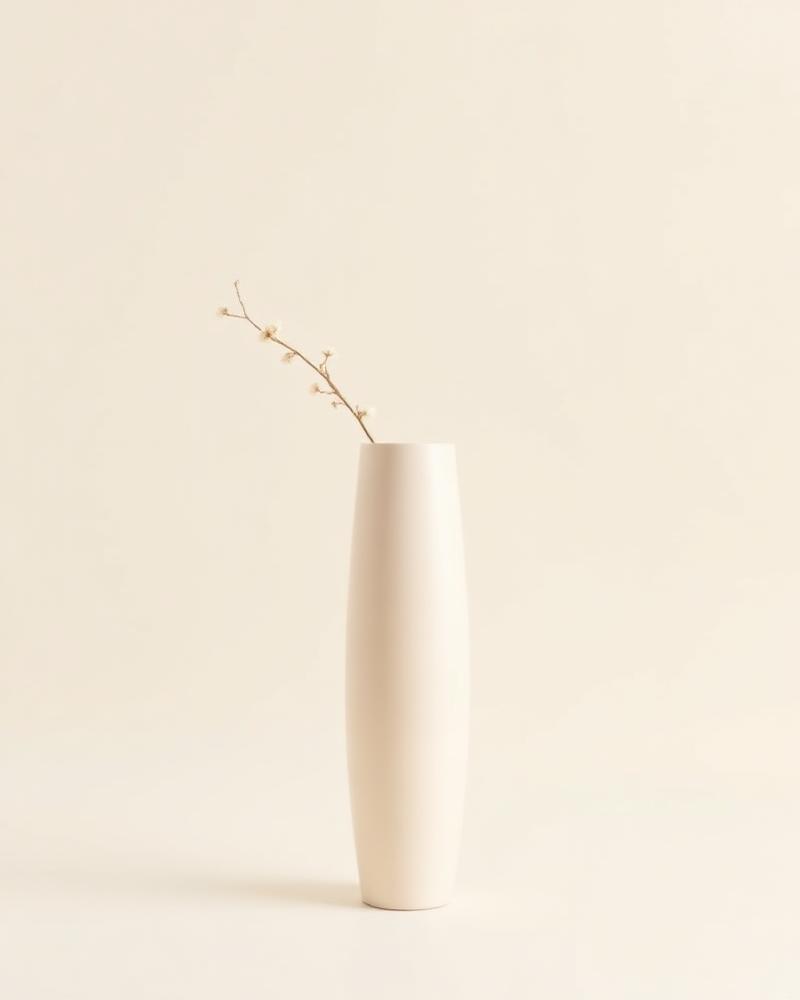
Ceramic Floor Vase
$380
from $32/mo
The Collection
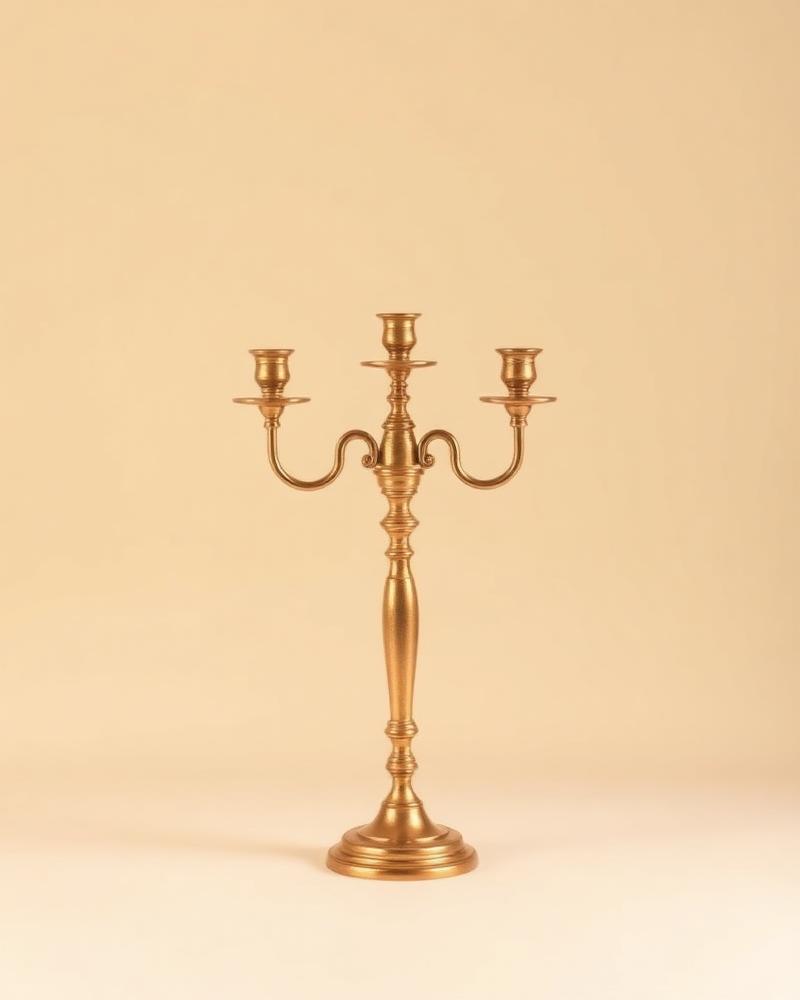
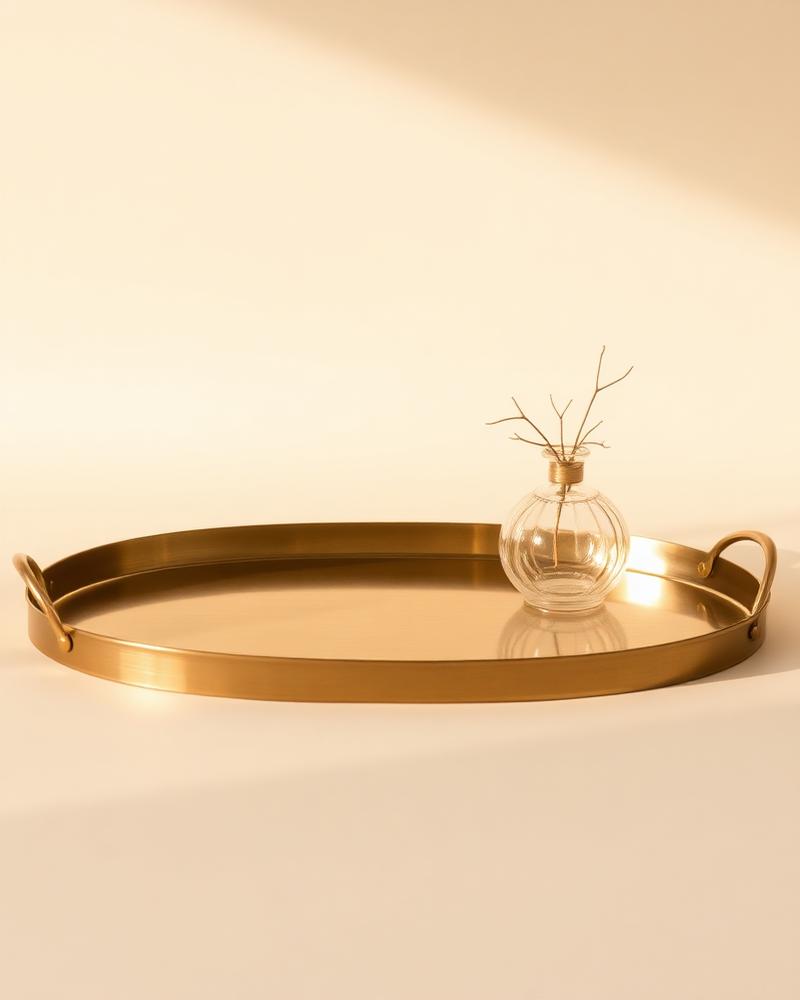
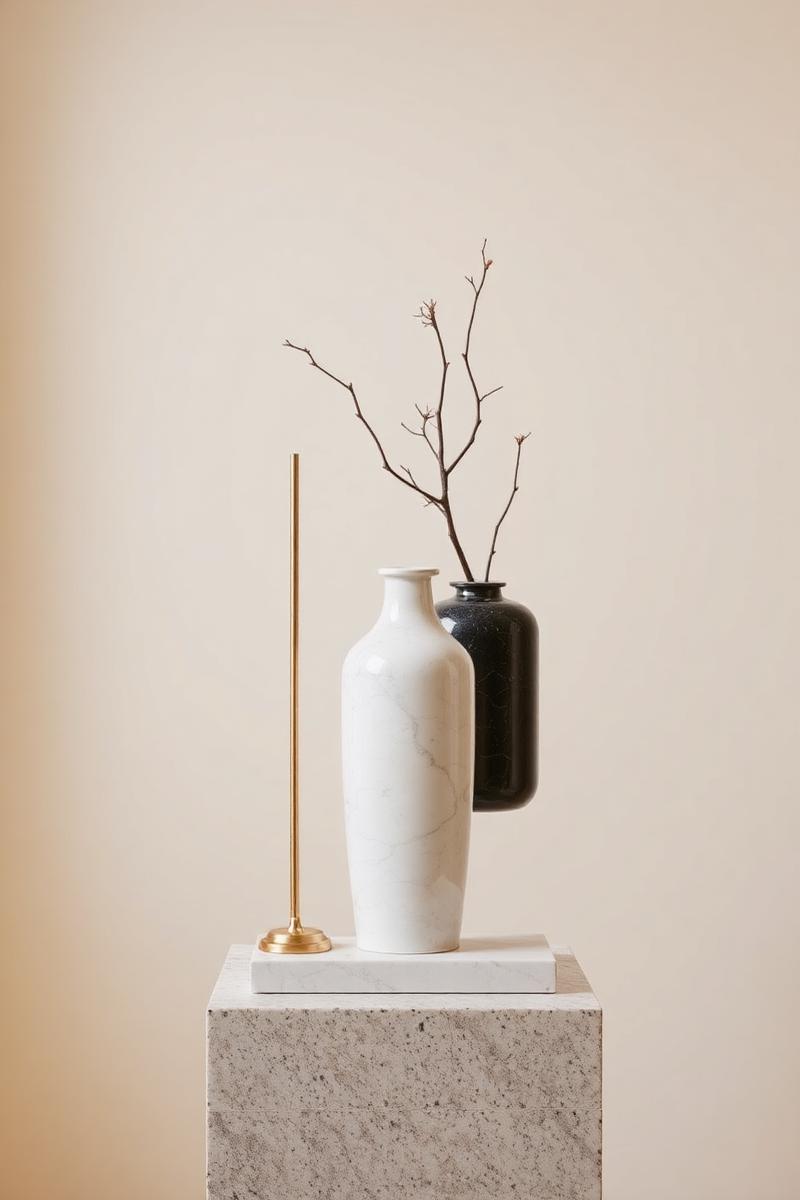
Sculptures, vases, trays and candelabras in marble, brass and ceramic — the last layer, and the one that reads as personal.
The selection of decorative objects for a home reveals much about the person who chooses them. These are the pieces that personalise a room, that catch the eye and invite closer examination, that transform a well-appointed space into one that feels authentically inhabited. At Mont Rose & Co., our collection spans centuries of craft tradition and contemporary innovation, each piece selected for its integrity of form and material.
A decorative object earns its place not through ostentation but through rightness: the way light moves across a glazed surface, the satisfying heft of solid bronze, the quiet perfection of proportion. Whether you are drawn to the organic forms of our ceramic objects or the crystalline clarity of our glass objects, each piece represents a dialogue between maker and material, between tradition and the particular requirements of contemporary living.
The materials we work with dictate much of what is possible. Bronze develops its patina over years, becoming richer with time and handling. Marble carries the geological history of its quarry in every vein and variation. Hand-blown glass captures air and light in ways that moulded glass never quite achieves. When considering sculptures for a console table or side cabinet, understanding these material qualities helps in making choices that will reward over decades rather than seasons.
Ceramic glazes respond to kiln atmospheres in ways that remain partly beyond the potter's control, which is precisely their appeal. A celadon vase placed where morning light can illuminate its depths becomes something rather more than a container. The same principle applies to our vases, where form and surface work together to create presence. Heights ranging from eight to thirty-six inches allow for varied arrangements, whether displayed singly or in considered groupings.
The ancient principle of the golden ratio appears throughout our collection, though never slavishly. A well-proportioned object creates visual ease, asking nothing of the viewer yet offering much upon reflection. On a coffee table measuring forty-eight inches in length, a central piece might stand twelve to fifteen inches tall, with smaller supporting elements at roughly two-thirds that height. Our guide to decorative objects for the coffee table explores these relationships in greater detail.
Consider the sightlines in a room. Objects placed on surfaces above waist height, such as mantels or high shelving, can be taller and more sculptural. Lower surfaces benefit from pieces that reveal their beauty from above: trays in shagreen or lacquer, shallow bowls in turned wood, or stone objects with particular surface interest. The negative space around each piece matters as much as the piece itself.
A collection need not be comprehensive to be meaningful. Some clients build their interiors around a particular material, gradually assembling pieces in bronze or marble that speak to one another across rooms. Others collect by origin, drawn to the output of a specific region or workshop. There is equal merit in the eclectic approach, provided each piece meets a personal standard of quality and resonance.
When styling bookshelf decorative objects, the interplay between books and objects creates rhythm and visual breathing room. Key considerations include:
The boundary between utility and ornament has always been porous. Bookends in polished marble or cast iron serve a clear purpose while contributing material weight and texture to a composition. A substantial agate geode holds papers and catches light. Even purely decorative objects often acquire informal functions: a bronze dish becomes the natural home for keys, a ceramic bowl gathers sea glass or interesting stones.
Our wall art collection demonstrates this principle in another register. A piece that hangs rather than sits still occupies space and creates presence, but does so by defining the vertical plane. The same careful attention to scale applies: in a room with eight-foot ceilings, wall-mounted pieces generally read best when their longest dimension falls between twenty-four and forty inches.
Different materials ask different things of their custodians. Bronze benefits from occasional waxing but develops its patina naturally and needs no polishing unless you prefer the brighter finish. Marble and other porous stones should be sealed and wiped with plain water rather than acidic cleaners. Hand-blown glass wants only a soft cloth and patience.
The decorative objects in our collection have been chosen partly for their ability to age gracefully. This is not fragility requiring anxious care, but rather materiality that improves with time and gentle use. A home filled with such pieces becomes richer year by year, each object gathering its own small history of days and seasons.
In the end, decorative objects serve to make abstract space into particular place. They provide scale, anchoring furniture arrangements and defining zones within larger rooms. They introduce the natural world through material and form. Most importantly, they reflect the specific sensibility of those who selected them, creating environments that feel considered rather than merely decorated. This is the quiet work of making a house into a home.