Solstice
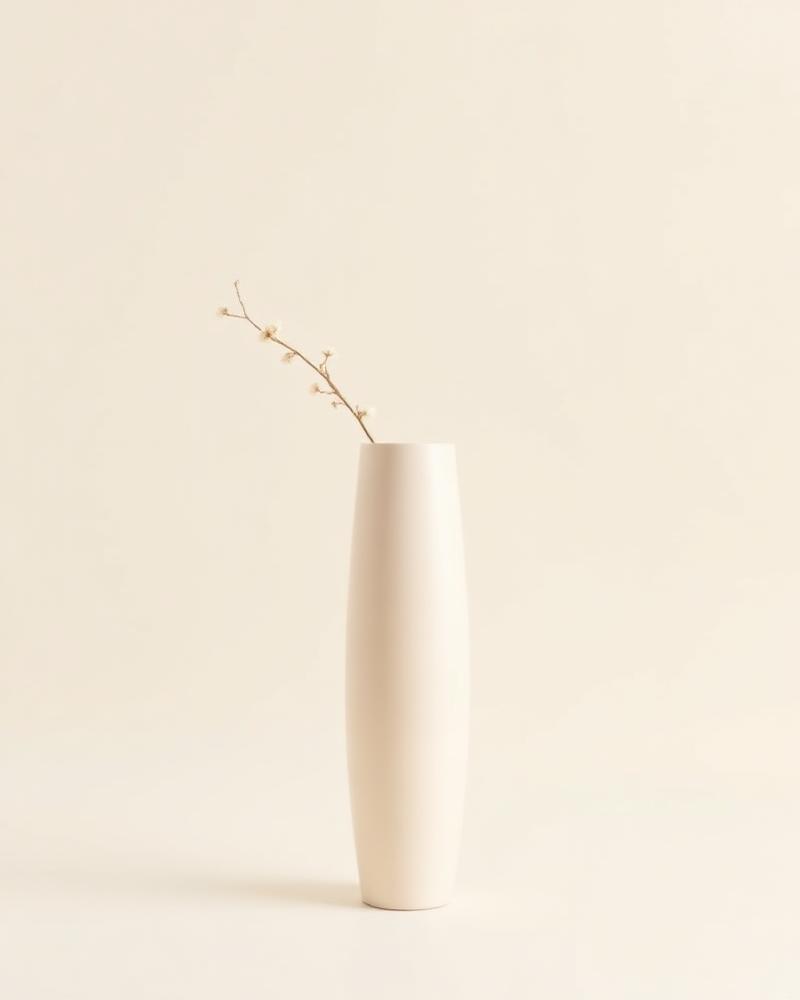
Ceramic Floor Vase
$380
from $32/mo

Material Guide
Ceramic is the oldest decorative technology in the house — fired clay predates metallurgy — and it remains the most direct record of a maker's hand. The difference between a thrown vessel and a moulded one is visible at a glance, in the wall thickness, the foot and the way the glaze pools.
Earthenware is fired low, porous and usually glazed. Stoneware is fired higher, vitrified and durable. Porcelain is highest-fired, translucent at the edges and the most refined. Glaze decides character: celadon and glossy glazes read formal, matte and sandy glazes read handmade, and raw or unglazed stoneware reads almost geological.
Ceramic objects work in odd numbers and varied heights. Group three vessels of different silhouette in the same glaze family rather than five in mixed colours. Matte ceramic softens rooms full of stone and glass; glossy ceramic adds the only reflective note a quiet room may need.
Wash by hand in warm water with mild soap. Unglazed or partially glazed pieces absorb water, so avoid soaking and use a liner for fresh flowers. Felt the base to protect timber and stone, and store vessels upright rather than nested.