Atelier
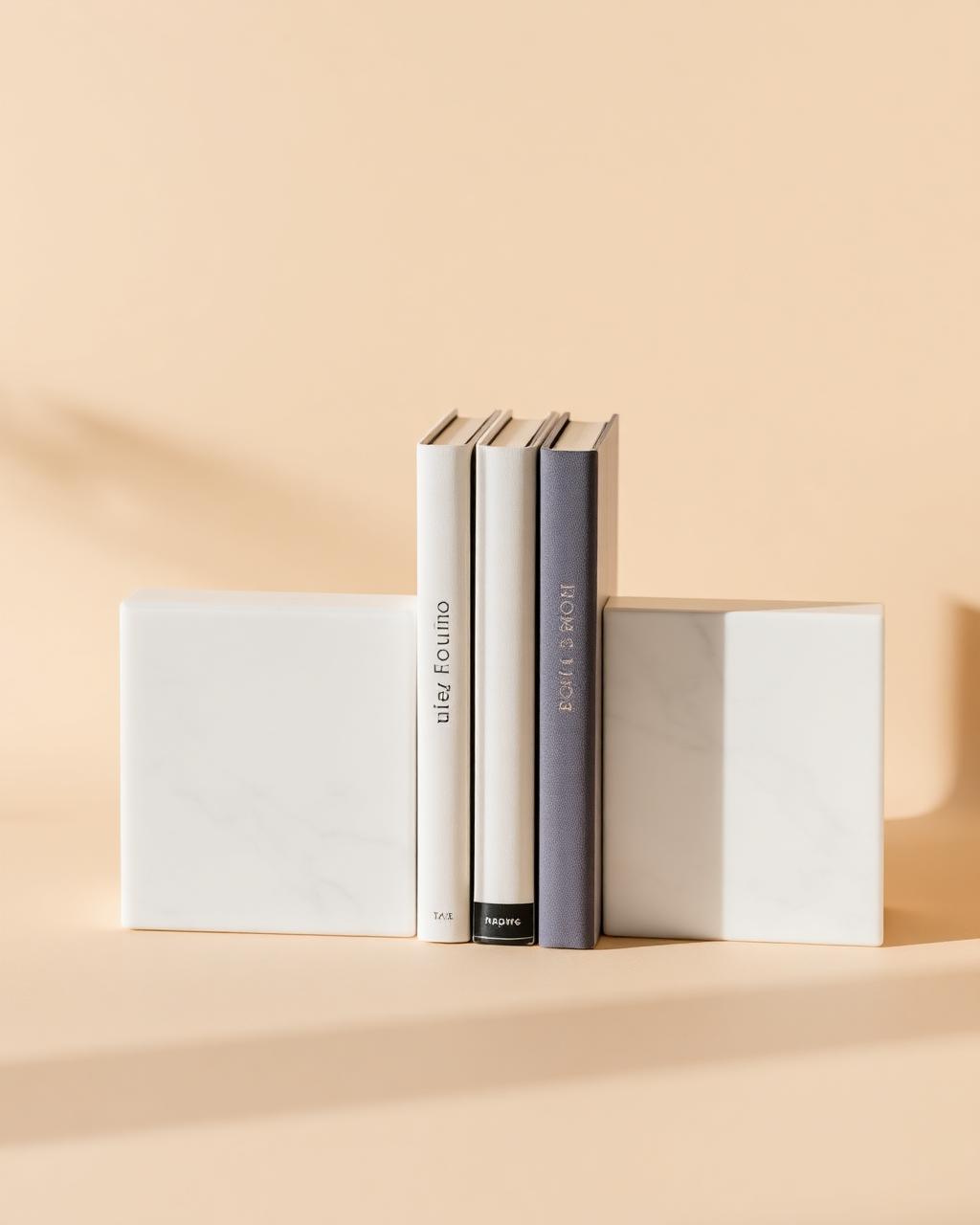
Marble Bookends (pair)
$220
from $18/mo
Decorative Objects
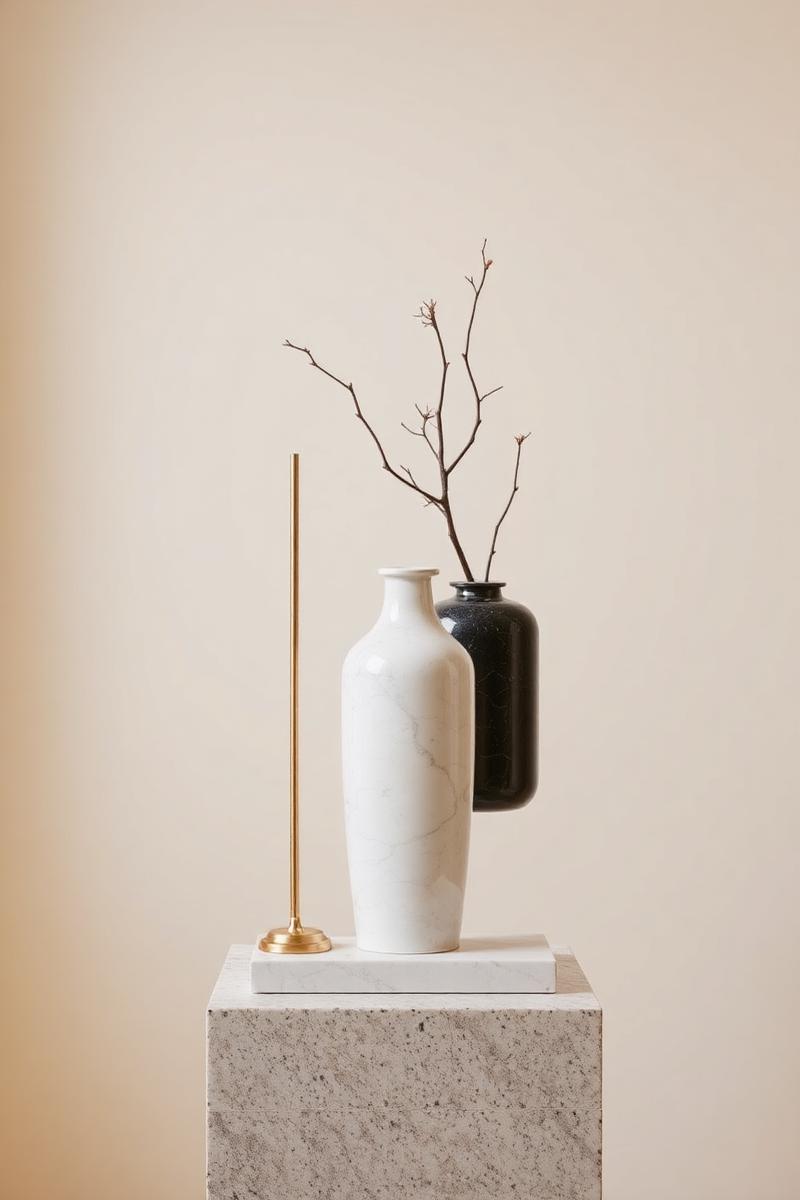
A focused edit of bookends from the objects collection — selected for proportion, material and finish.
Pieces from the wider collection, shown separately from the edit above.
The presence of bookends in a room reveals something about how we choose to live with our collections. Rather than allowing volumes to slump against one another or crowd a shelf without structure, these functional objects impose a gentle order that respects both the books themselves and the architecture of the space they inhabit. At Mont Rose & Co., we select bookends that perform their duty while contributing a layer of visual interest to the domestic landscape.
The best examples transcend mere utility. They anchor a composition, provide textural contrast, and often serve as sculptural punctuation in their own right. Whether fashioned from stone, metal, or wood, each pair establishes a dialogue between weight and refinement, between the practical demands of keeping books upright and the aesthetic requirements of a thoughtfully appointed interior.
Materble bookends bring substantial heft and cool permanence to a shelf. Varieties in Carrara, Nero Marquina, or travertine each offer distinct veining patterns that ensure no two pairs are identical. The weight required to support a full shelf of hardbound volumes—typically ten to fifteen pounds per piece—comes naturally to stone, and the material ages gracefully, developing a subtle patina over decades of handling. Brass and bronze options provide similar ballast whilst introducing warmth through their burnished surfaces. These metals respond well to the oils from human hands, gradually shifting in tone from bright gold to deeper amber.
Wood bookends, particularly those crafted from walnut or oak, suit libraries where warmth matters more than monumental presence. A pair measuring five to seven inches in height works well for standard fiction and poetry collections, while larger formats—art books, atlases, oversized photography volumes—benefit from pieces approaching ten inches. The grain itself becomes part of the composition, especially when bookends are positioned to frame decorative objects or small sculptures placed between groupings of volumes.
The relationship between bookend and book deserves careful attention. A general principle holds that the visible portion of the bookend should occupy roughly one-fifth to one-quarter of the shelf's depth, allowing the piece to register visually without overwhelming the spines it supports. On a shelf twelve inches deep, this translates to bookends with a footprint of approximately three inches from front to back. Height should relate to the tallest volume in the grouping, ideally matching or slightly exceeding it to provide proper lateral support.
Placement extends beyond the merely practical:
The most successful installations treat bookends as part of a larger compositional strategy. In a library dominated by leather bindings and dark wood, bookends in pale stone or polished nickel introduce necessary contrast. Conversely, rooms with lighter finishes benefit from the grounding effect of oxidised bronze or blackened steel. The objective remains clarity rather than spectacle—these pieces should articulate structure without announcing themselves.
Geometric forms in marble or metal complement traditional interiors whilst maintaining sufficient restraint for contemporary settings. Figurative bookends require more careful consideration; abstract or semi-abstract sculptural forms tend to integrate more successfully than literal representations, which can veer toward the merely decorative.
Stone bookends require only occasional attention with a soft cloth slightly dampened with water. Avoid acidic cleaners that may etch marble surfaces. For brass and bronze, the choice between preserving original finish and allowing natural patina development remains a matter of preference; either approach proves equally valid. Should you wish to maintain brightness, a специalist metal polish applied sparingly twice yearly suffices.
Wood varieties benefit from the same treatment given to fine furniture—a light application of paste wax once or twice annually protects the surface whilst enhancing the grain. Keep all bookends away from direct sunlight and sources of heat, which can cause uneven fading or, in the case of certain stones, hairline fractures over extended periods.
Ultimately, the bookends we choose reflect our understanding that even functional objects shape the atmosphere of a room. They mark our intention to treat books as more than information vessels, acknowledging them as physical presences deserving of proper support and considered display. In this small gesture of domestic architecture, we find an opportunity to express both respect for our collections and attention to the details that distinguish a house from a home.