Alpina
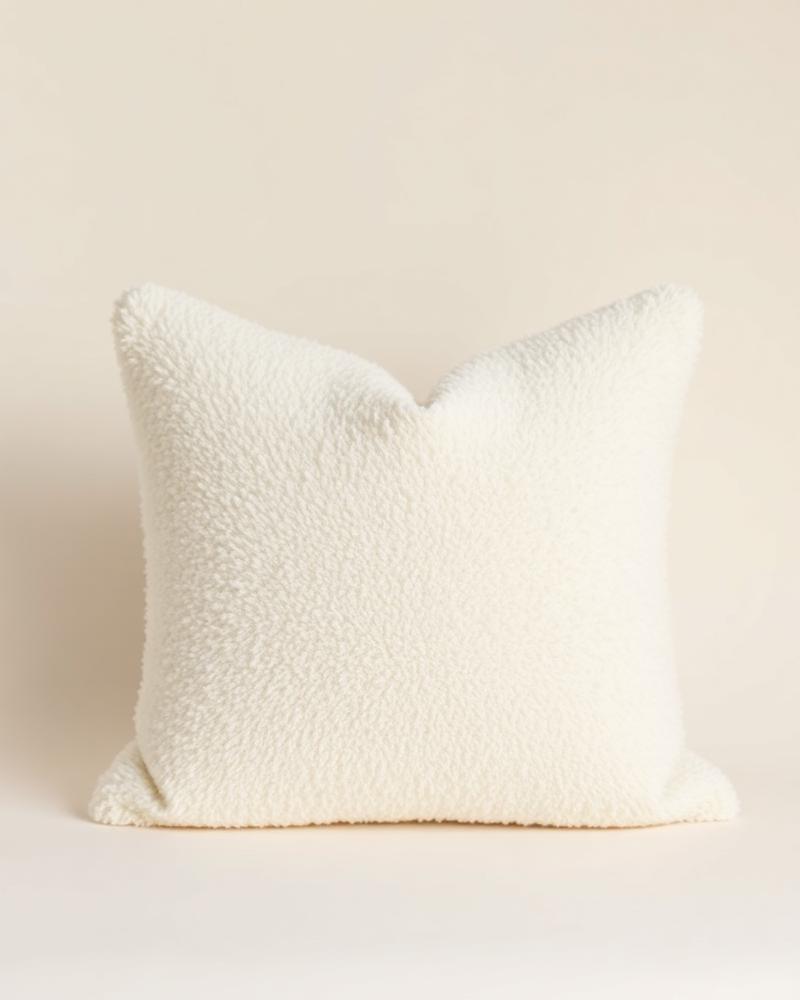
Bouclé Throw Pillow
$120
from $10/mo
The Collection
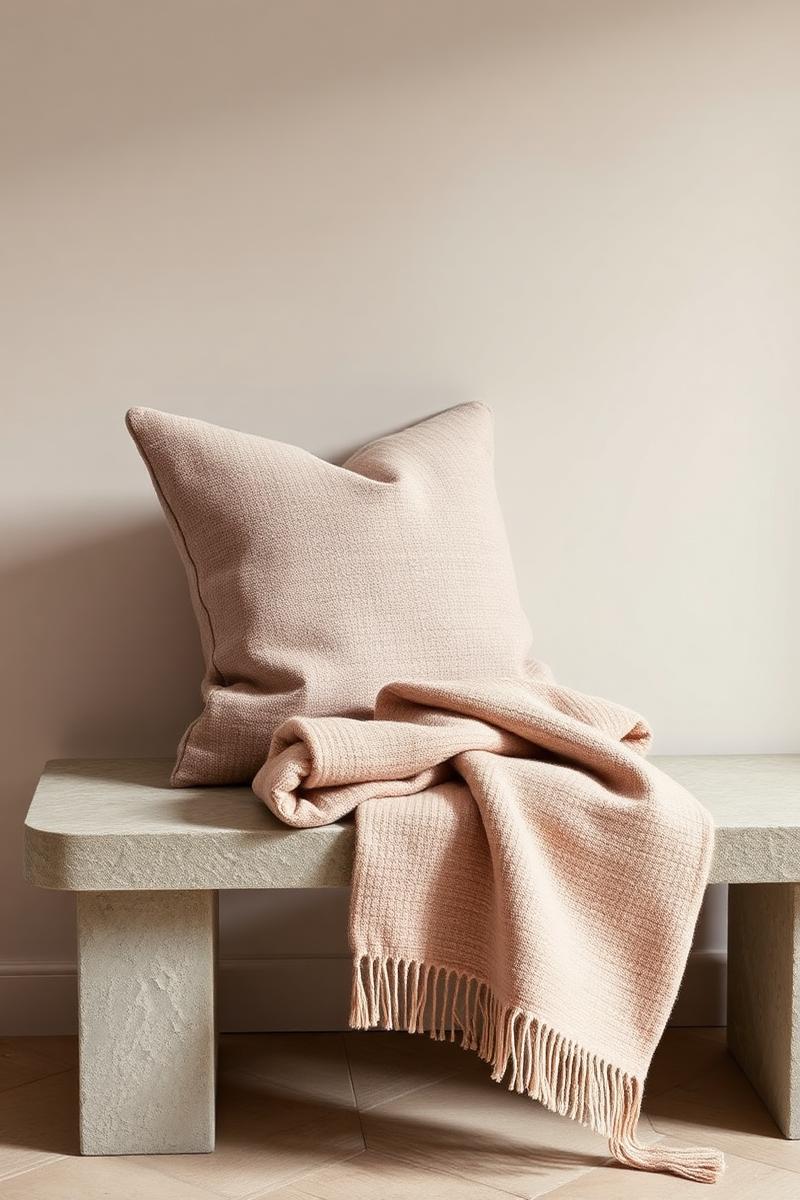
Washed linen, long-staple cotton and cashmere in a tonal palette — bedding built to soften with every wash.
The selection of luxury bedding establishes the foundation of any well-appointed bedroom, where quality of sleep and aesthetic refinement converge. At Mont Rose & Co., we understand that exceptional bed linens represent an investment in daily comfort, drawing from European traditions of craftsmanship whilst addressing the practical demands of contemporary American living.
Our approach to curating luxury bedding begins with fibre provenance and weave architecture. The distinction between adequate and extraordinary bed linens resides in details often invisible to the casual observer: single-ply long-staple cotton versus double-cabled alternatives, the thread count relative to weave type, and the weight of linen measured in grams per square metre. These technical considerations ultimately translate into tactile experiences that evolve gracefully over years of use.
Authentic luxury in bedding materials centres on natural fibres, each offering distinct seasonal advantages. Egyptian cotton percale, woven with a one-over-one-under structure, delivers a crisp, cool hand particularly valued in warmer climates and summer months. Sateen weaves, by contrast, produce a subtle lustre and softer drape suited to cooler seasons. For those navigating the choice between foundational materials, our guide to linen versus cotton sheets examines the merits of each with particular attention to breathability, temperature regulation, and the patina that develops through laundering.
European linen, cultivated primarily in Belgium and northern France, represents the apex of natural temperature regulation. Its hollow fibres wick moisture efficiently whilst softening with each wash cycle, reaching optimal suppleness after approximately twenty launderings. We specify linen in weights between 160 and 200 grams per square metre for duvet covers and top sheets, ensuring sufficient structure without excessive weight.
Proper bedding dimensions extend beyond mere mattress measurements. For a standard queen mattress measuring 60 by 80 inches, we recommend flat sheets of at least 90 by 102 inches to allow for adequate tucking and movement during sleep. Duvet covers should provide 2 to 3 inches of additional width and length beyond the duvet insert itself, preventing migration and ensuring even distribution.
Pillowcase proportions merit equal consideration. Standard cases measure 20 by 26 inches, yet many luxury pillows require king-sized cases of 20 by 36 inches for proper fit. European square pillowcases, typically 26 by 26 inches, serve well for decorative layering behind sleeping pillows. Our complete textiles collection addresses these varied dimensions whilst maintaining aesthetic coherence.
The art of bed composition involves thoughtful layering that balances visual weight with practical comfort. A properly dressed bed typically comprises five to seven layers: fitted sheet, flat sheet, lightweight blanket or coverlet, duvet or quilt, and decorative elements. Beginning with foundational sheets in neutral tones permits seasonal variation through upper layers.
We advocate for the following sequence when building a bed:
This considered approach to layering a bed allows occupants to adjust their microclimate throughout the night by adding or removing individual components. The visual result offers texture and dimension without appearing contrived. Exploring our throws and blankets selection reveals options for transitional layers that function as both insulation and design elements.
Luxury bedding exists not in isolation but as a component within the room's larger composition. The relationship between bed linens and window treatments deserves particular attention, as these two textile applications dominate the bedroom's visual field. Tonal harmony rather than precise matching creates sophisticated cohesion; consider bed linens in ivory or pale grey when curtains feature stronger pattern or colour saturation.
Texture provides another avenue for coordination. If bedding emphasises smooth, refined surfaces through percale or sateen, introduce visual interest via nubby linen curtains or a chunky knit throw. Conversely, heavily textured bedding such as matelassé coverlets pairs well with simpler window treatments in similar weight fabrics.
The lifespan of luxury bedding correlates directly with laundering practices. We recommend washing bed linens every seven to ten days in warm water below 40 degrees Celsius, using gentle, fragrance-free detergents. Avoid chlorine bleach, which degrades natural fibres; oxygen-based alternatives prove effective for stain removal without compromising structural integrity.
Line drying remains ideal for linen and cotton bedding, though tumble drying on low heat proves acceptable when air drying is impractical. Remove items while slightly damp to minimise creasing, and iron linen whilst still holding moisture for optimal results. Proper rotation between two or three complete bedding sets distributes wear, substantially extending the useful life of each.
Our comprehensive bedding guide explores these maintenance practices in greater detail, alongside guidance for seasonal storage and stain treatment specific to natural fibres.
The acquisition of luxury bedding represents a departure from disposable consumption patterns, embracing instead materials and construction methods that improve with time. Quality bed linens develop character through use, softening and conforming to individual sleep patterns whilst retaining structural integrity. This patina of age, far from indicating deterioration, confirms the authenticity of natural materials thoughtfully processed and carefully maintained. In selecting bedding that honours both craft tradition and contemporary comfort standards, one makes a quiet statement about values that extend well beyond the bedroom itself.