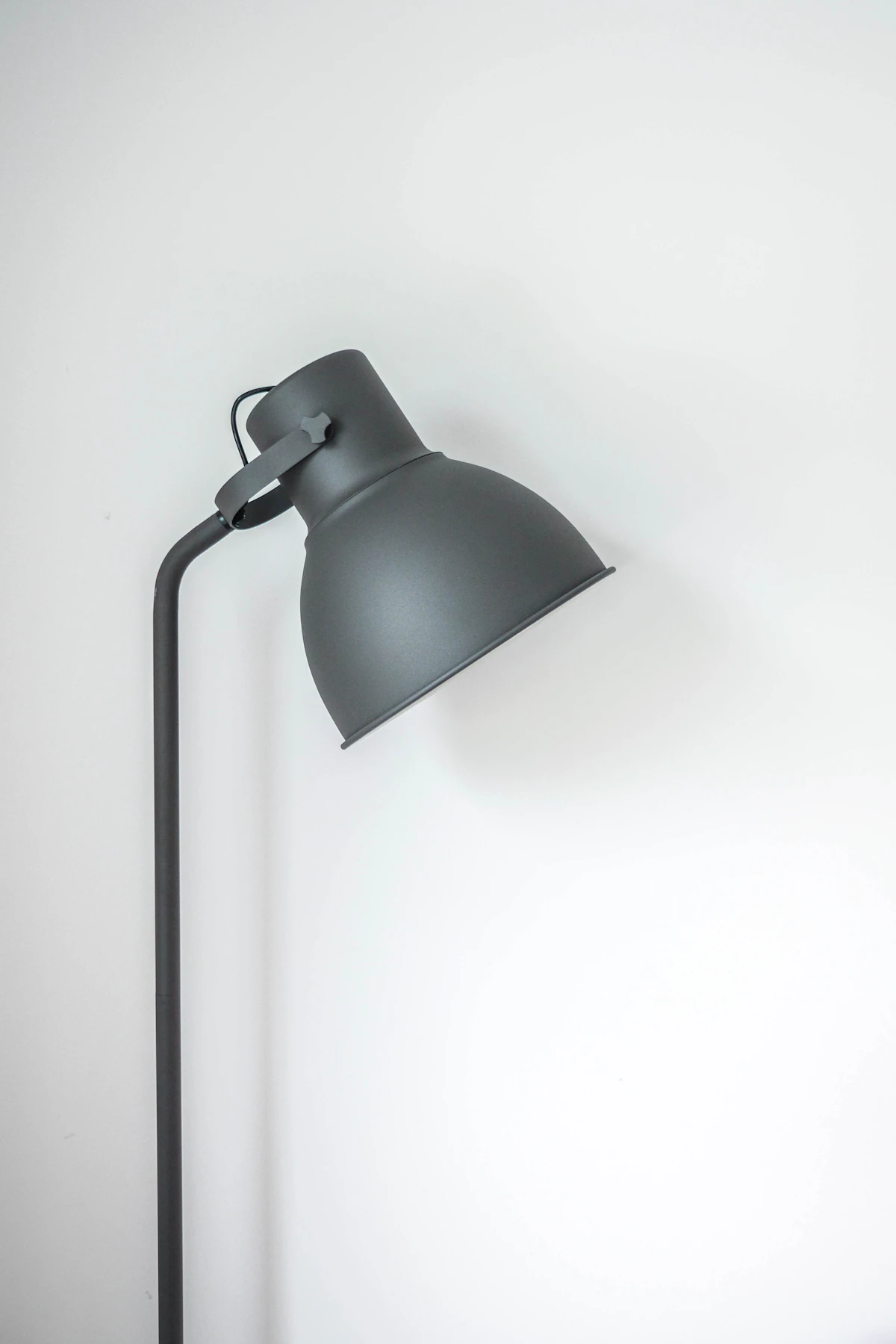
Solstice
Sculptural Floor Lamp
$780
from $65/mo

Material Guide
Alabaster is a fine-grained gypsum stone soft enough to carve with hand tools and translucent enough to transmit light. Egyptian workshops used it for vessels and lamps four thousand years ago; medieval churches glazed windows with it before glass was affordable. In contemporary lighting it does something no diffuser can imitate — the light appears to originate inside the stone.
Quality is measured by translucency and the evenness of the veining. Honey and ivory alabaster are the most common; grey-veined stone reads more modern. Thickness controls glow: thinner sections transmit more light but are fragile, which is why good alabaster shades vary in section deliberately.
One alabaster piece per room is the correct dose, because the effect depends on it being the softest light source in the space. It pairs naturally with brass, plaster, limewash and pale timber. Use warm bulbs of 2700K or below — cool light through alabaster reads grey and kills the material's whole argument.
Alabaster is water-soluble and much softer than marble. Dust with a dry, soft brush, never a damp cloth, and keep it away from bathrooms and kitchens where steam is constant. Use LED lamps to limit heat, and handle by the base rather than the shade.