Alpina
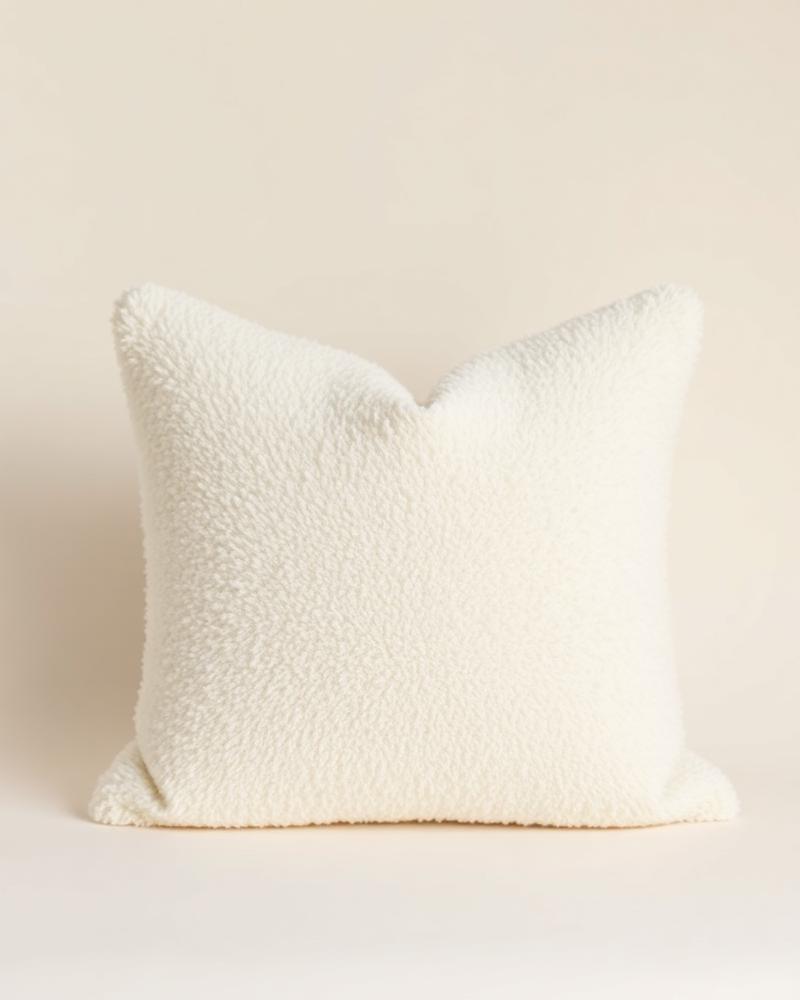
Bouclé Throw Pillow
$120
from $10/mo
The Collection
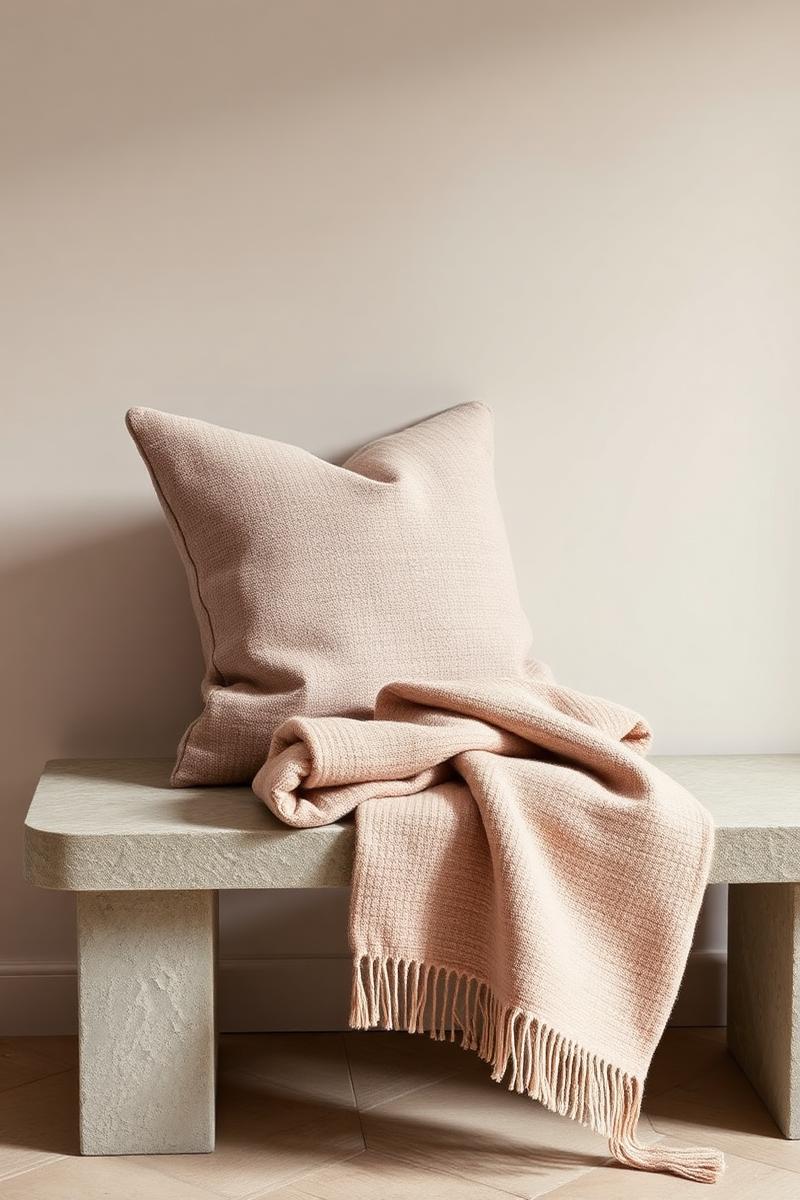
Bouclé, cashmere, linen and wool in a tonal palette — softness introduced without noise.
The selection of luxury textiles represents one of the most intimate decisions in furnishing a home. These are the surfaces that meet skin, that frame daily rituals, that soften both architecture and light. At Mont Rose & Co., we approach this category with particular care, understanding that a linen pillowcase or a cashmere throw becomes part of the sensory vocabulary of living well.
Quality in this realm reveals itself gradually. A silk velvet cushion catches afternoon light differently each day. A wool rug ages with character rather than decline. The textiles we choose speak to an appreciation for materials that improve with use, that carry the marks of skilled making, and that perform their quiet work without requiring attention.
Natural fibres dominate our perspective on lasting textile design. Linen offers that rare combination of coolness, absorbency, and an increasingly supple hand with each wash. We source linen textiles from European mills where the flax is retted in traditional ways, resulting in cloth with exceptional strength and that characteristic slub that machine-processed versions cannot replicate. Silk brings its own logic: mulberry silk for bedding where thread count matters less than fibre length, and dupioni or raw silk for cushions where textural variation becomes a design feature.
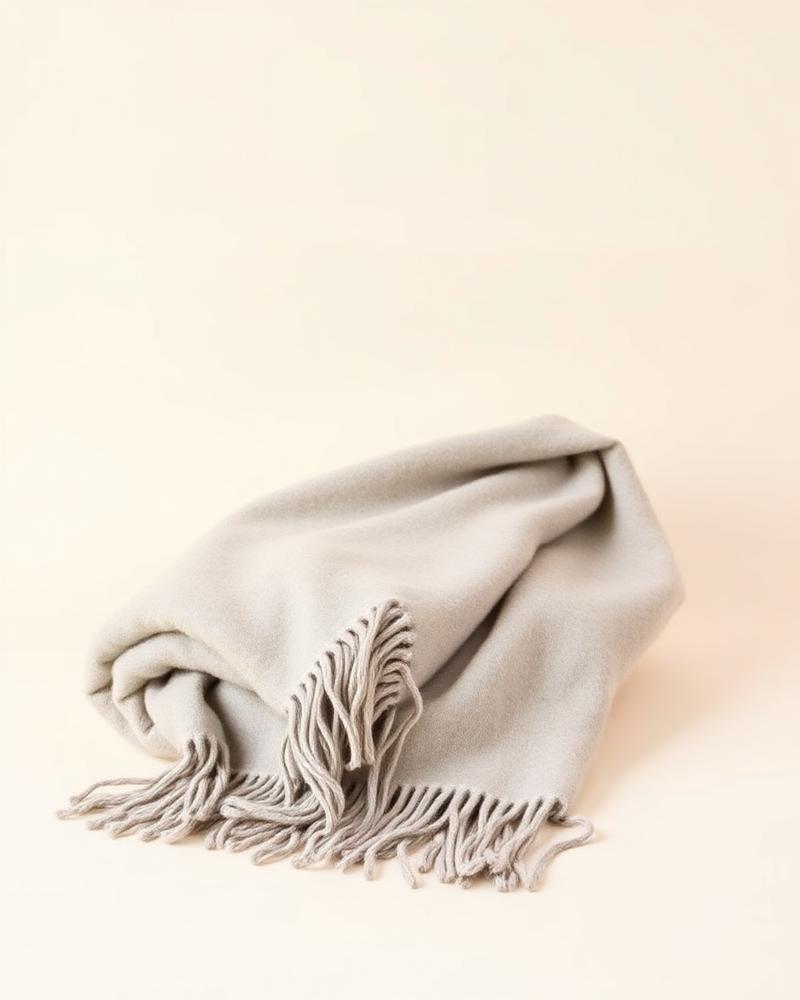
Wool remains underappreciated in American interiors beyond floor coverings. A fine merino or cashmere throw weighs almost nothing yet provides remarkable warmth, whilst throws and blankets in heavier wool bouclé or mohair blends introduce sculptural texture to seating areas. The natural lanolin in wool means these pieces resist soiling and often need only airing rather than frequent washing.
Scale determines whether a textile element enhances or overwhelms a space. For throw pillows, we typically recommend 20 to 24 inch squares for sofas, with 18 inch versions for chairs and smaller settees. Lumbar pillows at 14 by 22 inches provide lower back support whilst breaking up the monotony of uniform squares. On beds, European squares at 26 inches work behind standard pillows to create gentle elevation without the excessive stacking that characterises hotel styling.
Table runners perform best when they extend 6 to 12 inches beyond the table edge at each end, enough to define the line without risk of catching. For dining tables, a runner width of 14 to 18 inches allows place settings to sit partially on and partially off the cloth, creating visual interest whilst protecting the table surface beneath serving pieces.
The practice of layering textiles adds depth whilst serving practical ends. Our approach to bedroom textile layering begins with the foundation: a fitted sheet in percale or sateen cotton, depending on whether one prefers a crisp or smooth hand. A flat sheet follows, then a lightweight blanket or coverlet, with a duvet or quilt as the outer layer. This system allows adjustment as temperature shifts, and creates visual richness through subtle variation in tone and texture.
Seasonal thinking need not mean wholesale changes. Consider instead:
These modest shifts keep rooms feeling considered without requiring extensive storage or expenditure.
Proper maintenance extends the life of quality textiles substantially. Linen improves with washing but requires patience in drying; we recommend air-drying when possible to prevent the brittleness that high heat can cause. Wool benefits from gentle hand-washing in cool water with pH-neutral soap, then rolling in towels to remove excess moisture before laying flat to dry. Never hang wet wool, as the weight will distort the weave.
Silk presents more variation. Washable silk exists, though many woven silks require professional care to maintain their hand and lustre. Velvet, whether silk or cotton, should be steamed rather than ironed, with the fabric held taut and the steamer moved in the direction of the pile. For everyday items like guest bedroom textiles, choose materials that withstand regular laundering without losing character.
Rotating textiles between use and rest allows fibres to recover. This applies particularly to upholstered pieces and rugs that bear constant weight. Even a week's respite can extend usable life by years.
What distinguishes considered textile choices from mere decoration is attention to how materials perform over time. A room furnished with quality cloth ages gracefully, developing patina rather than shabbiness. The initial softness of new linen gives way to something better, more supple and personal. Colours fade in ways that enhance rather than diminish, particularly when natural dyes have been used.
This longer view requires initial investment, certainly, but it also offers relief from the cycle of replacement that characterises much contemporary furnishing. A well-chosen wool rug lasts decades. Linen curtains grow more beautiful with age. These are textiles that become part of a home's story rather than its constant renewal. In selecting pieces that honour both material and making, we create rooms that feel both intentional and at ease.