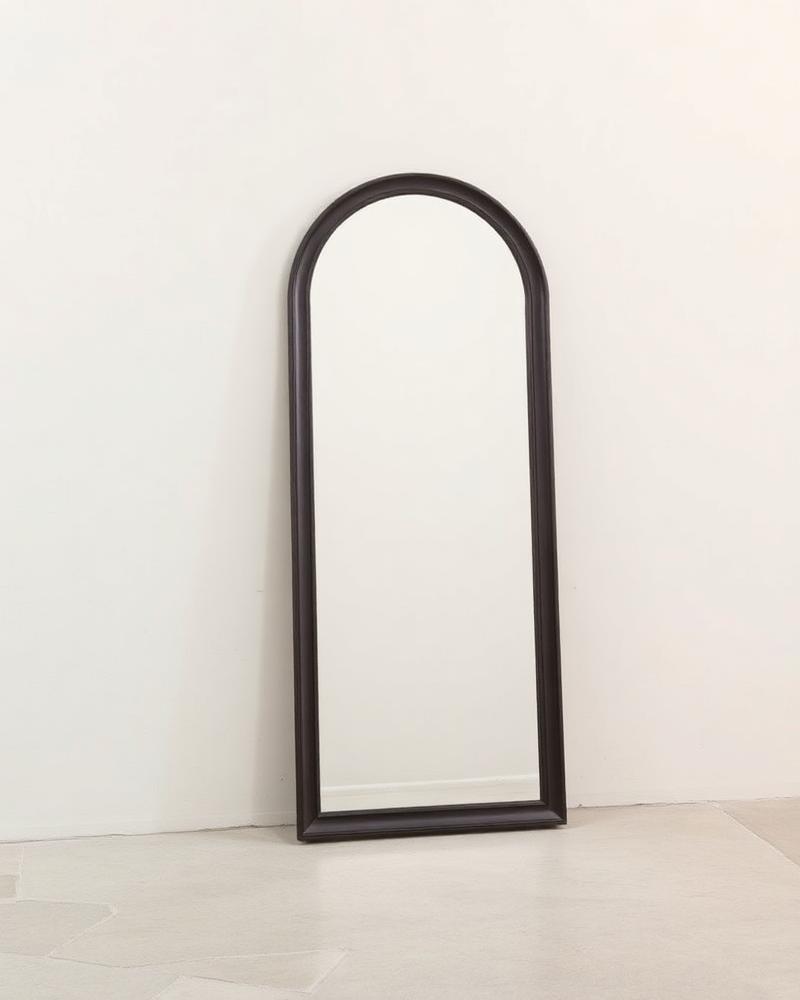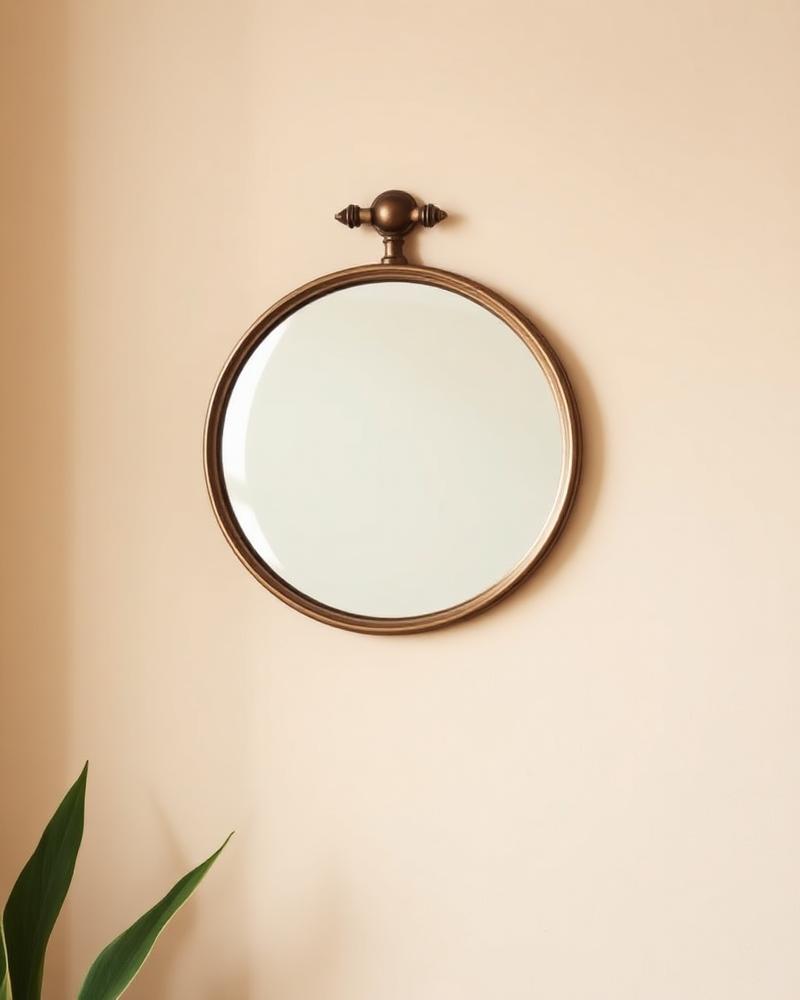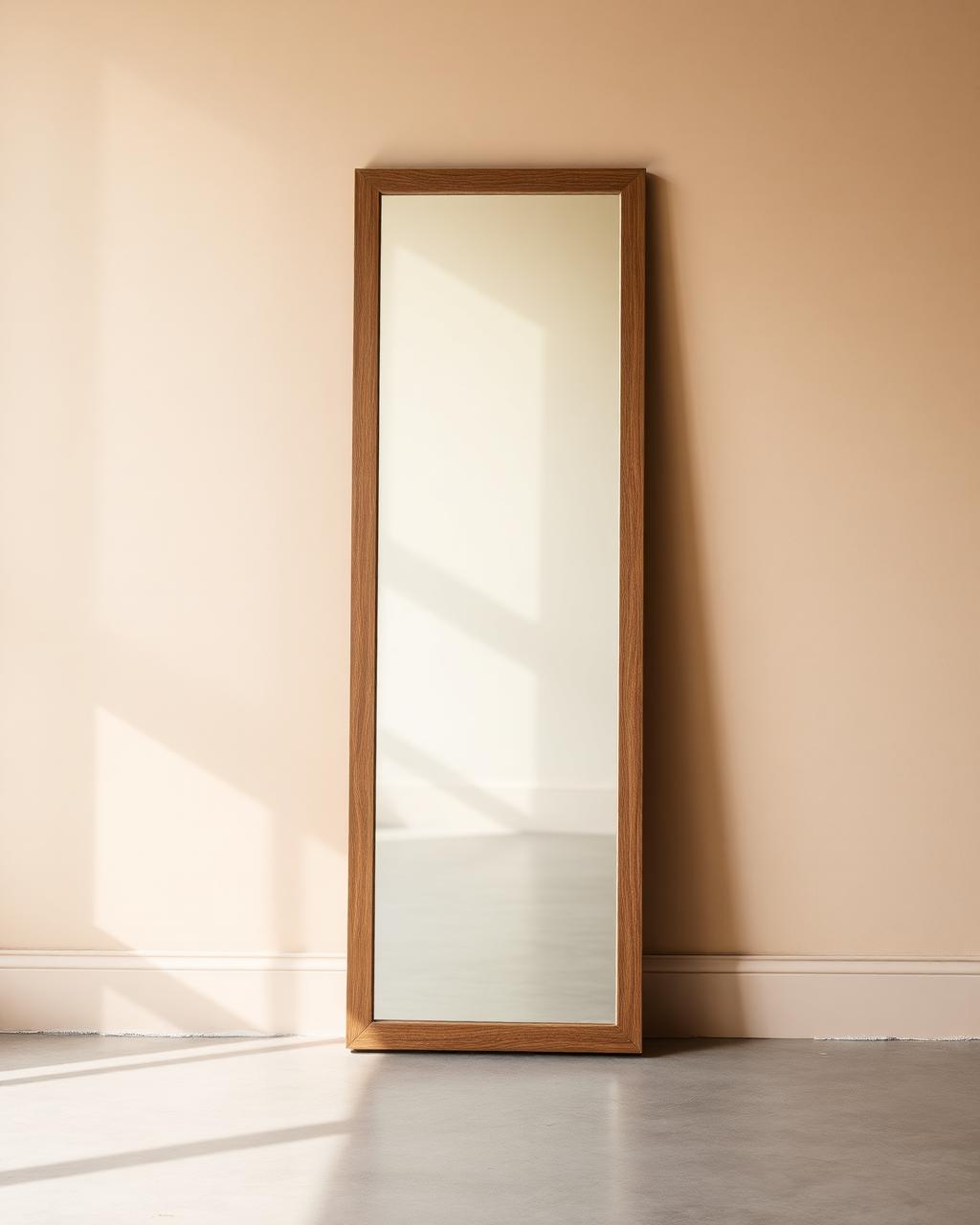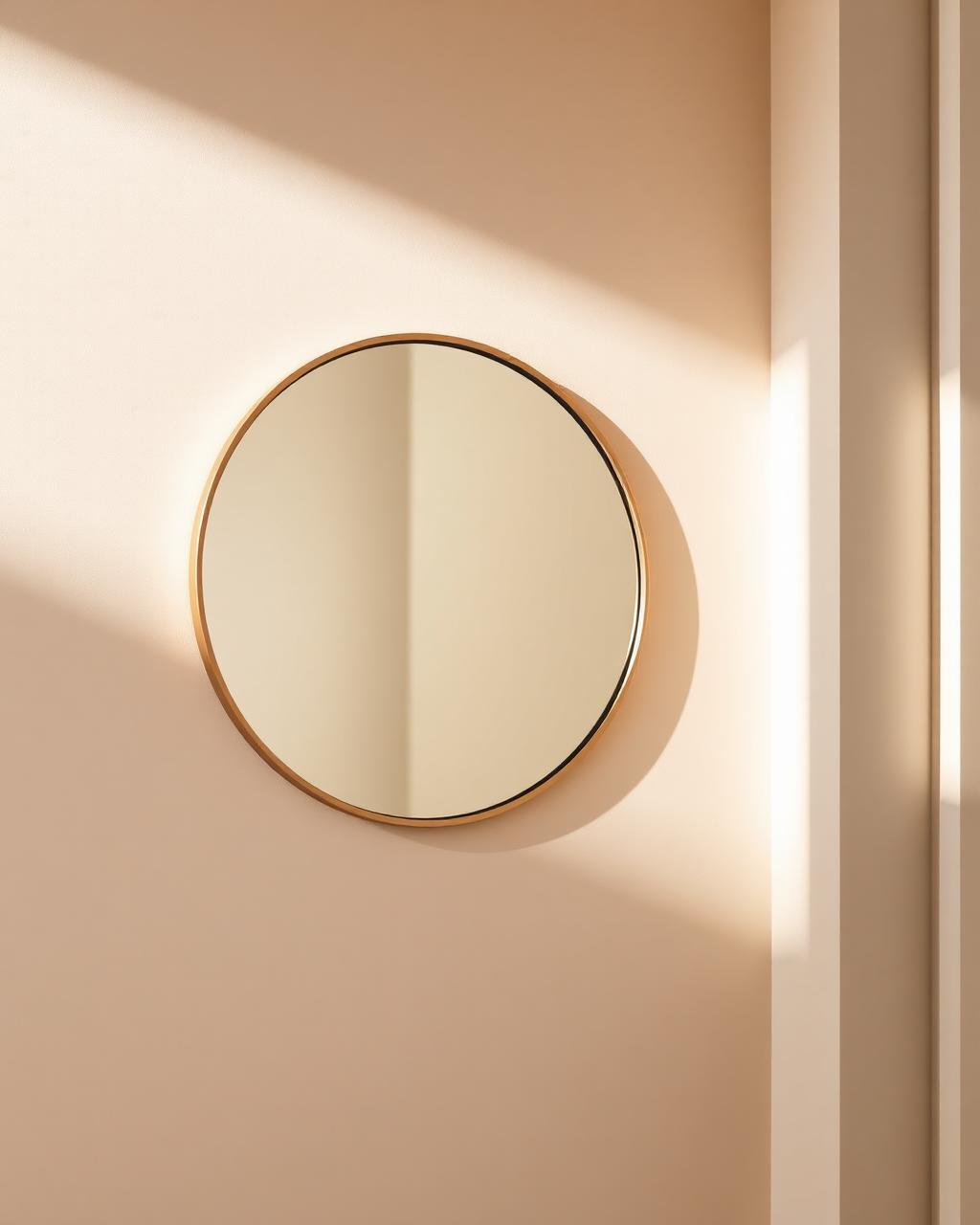
Ondine
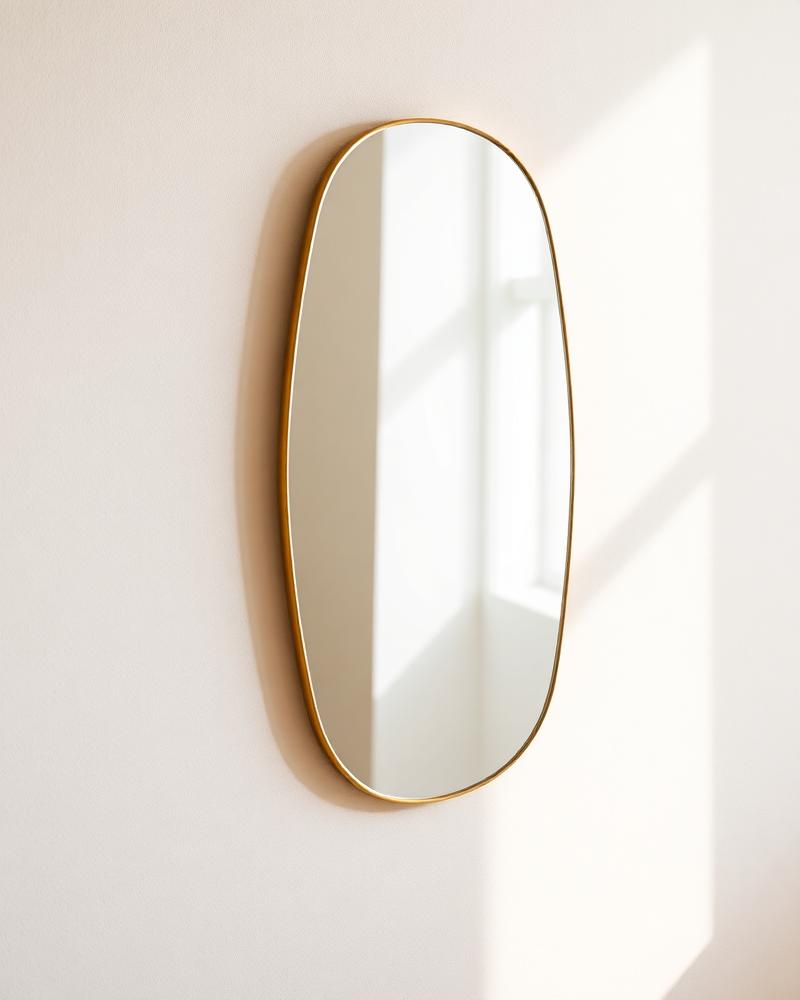
Sculptural Wall Mirror
$750
from $63/mo

Material Guide
Rattan is a climbing palm, not a wood, harvested in Southeast Asia and steam-bent into frames or split into cane for weaving. It travelled with colonial trade routes into European conservatories, was reinvented by mid-century designers, and remains the lightest way to introduce visible craft into a room.
Rattan pole is the solid stem used for frames; cane is the peeled outer bark woven into open patterns; wicker describes the weaving technique rather than the material. Natural rattan is pale gold, honey rattan is stained warmer, and blackened rattan reads far more graphic than expected.
Rattan lightens heavy rooms and reads seasonless when limited to one or two pieces. It sits comfortably with linen, oak, plaster and stone. Avoid pairing it exclusively with other natural fibres, which tips a room towards holiday rental; one hard, dark material nearby keeps it grounded.
Keep rattan out of prolonged direct sun and away from dry heat, both of which make cane brittle. Dust with a brush attachment, wipe with a barely damp cloth, and re-humidify very dry cane occasionally with a light mist. Never soak it.