Nocturne
Abstract Resin Sculpture
$480
from $40/mo
Limited availability
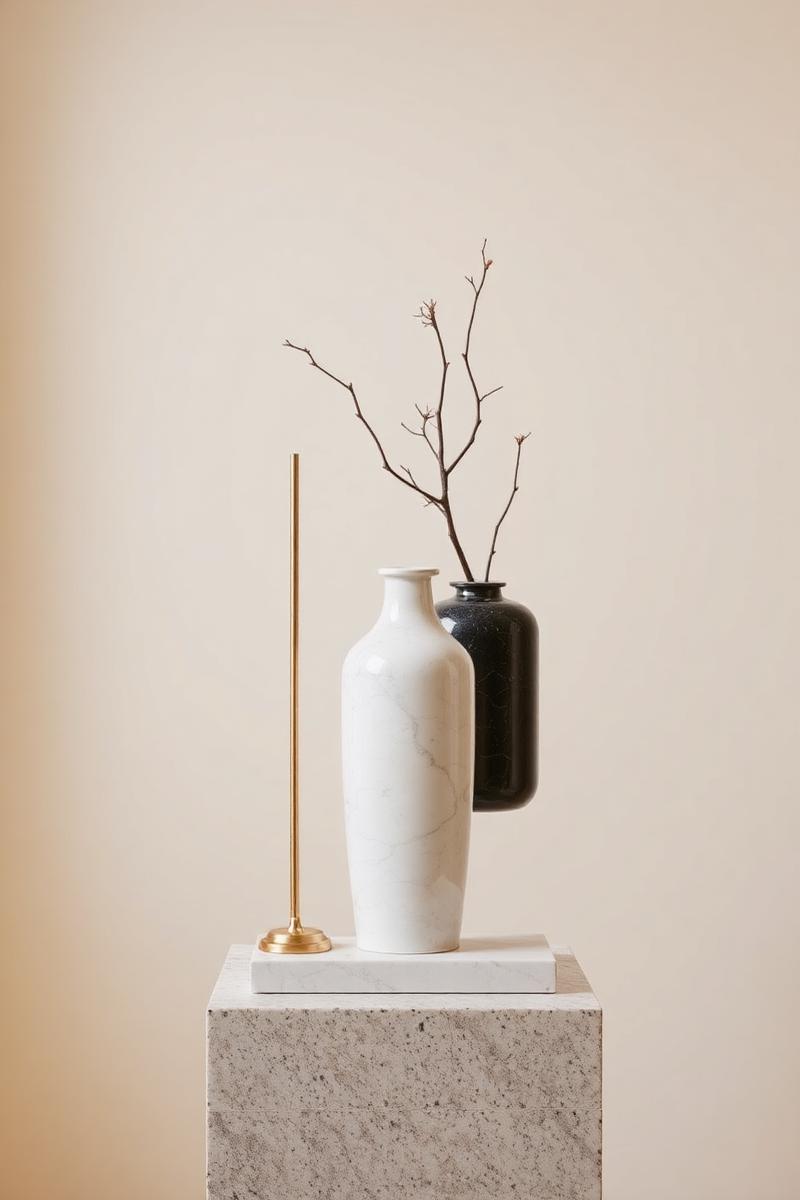
Decorative Objects
A focused edit of sculptures & statues from the objects collection — selected for proportion, material and finish.
Pieces from the wider collection, shown separately from the edit above.
Sculptures occupy a unique position in the hierarchy of interior design, serving neither purely decorative nor entirely functional purposes. Rather, these three-dimensional works transform rooms into considered spaces, offering focal points that reward prolonged attention. Whether positioned on a console in an entrance hall or anchoring a living room arrangement, a well-chosen sculpture establishes the visual and emotional tenor of its environment.
The discerning collector understands that scale, material, and placement determine whether a piece enhances or overwhelms its setting. A bronze abstract form measuring 18 inches in height suits a bookshelf vignette, whilst a 48-inch marble figure commands floor placement with ample surrounding clearance. Context matters as much as the work itself.
Bronze sculptures bring warmth and gravitas to spaces dominated by cool materials such as marble or glass. The patina develops character over time, deepening from golden tones to rich browns and verdigris greens depending on the finishing process and environmental exposure. Stone works in marble, alabaster, or limestone offer a different vocabulary entirely, their veining and translucency creating subtle plays of light throughout the day.
Contemporary resin and composite sculptures provide greater formal freedom, allowing artists to achieve cantilevered forms and dramatic gestures impossible in traditional media. These lighter pieces suit console tables and shelving systems where weight limitations apply. Wood sculptures, particularly those in walnut, oak, or teak, introduce organic warmth and pair naturally with the decorative objects and textiles that soften modernist interiors.
Successful sculpture placement respects sightlines and circulation patterns. In living spaces, position significant works where they can be appreciated from multiple seating positions without obstructing conversation or movement. Entry halls benefit from statement pieces placed on demilune tables or pedestals at eye level, typically 54 to 60 inches from the floor to the sculpture's visual centre.
Consider the relationship between sculptures and surrounding elements:
The most common error in sculpture placement involves misjudging scale relative to surrounding furniture and architectural features. A 12-inch piece disappears on a 72-inch sideboard; that same surface demands works between 24 and 36 inches to establish proper visual weight. Conversely, oversized sculptures in modest rooms create spatial tension that reads as clutter rather than drama.
Consider the sculptural form itself when determining placement. Horizontal pieces with significant lateral spread require broader surfaces and benefit from flanking negative space. Vertical works draw the eye upward and can balance low-slung contemporary furniture or emphasise ceiling height in compressed spaces.
Bronze requires periodic waxing to maintain its patina and prevent oxidation beyond the desired effect. Apply a thin coat of neutral paste wax every six months, buffing gently with soft cotton cloth. Stone sculptures demand more cautious treatment: use only pH-neutral cleaners and avoid acidic substances that etch marble and limestone surfaces.
Wood pieces benefit from stable humidity levels between 40 and 55 percent to prevent cracking or warping. Position away from heating vents and direct sunlight, which fade and dry organic materials over time. Dust all sculptures regularly with soft brushes or microfibre cloths, working with the grain on wood and following contours on figurative bronzes to avoid accumulation in recessed areas.
Building a sculpture collection rewards patience and selectivity. Each acquisition should speak to personal aesthetic convictions whilst contributing to the overall composition of your interior. A single exceptional piece outweighs a scattered assembly of lesser works. Consider how new sculptures converse with existing furnishings, art, and architectural details, creating layers of visual interest that unfold gradually rather than announcing themselves immediately. The most successful interiors balance boldness with restraint, allowing each element sufficient space to make its singular contribution to the whole.