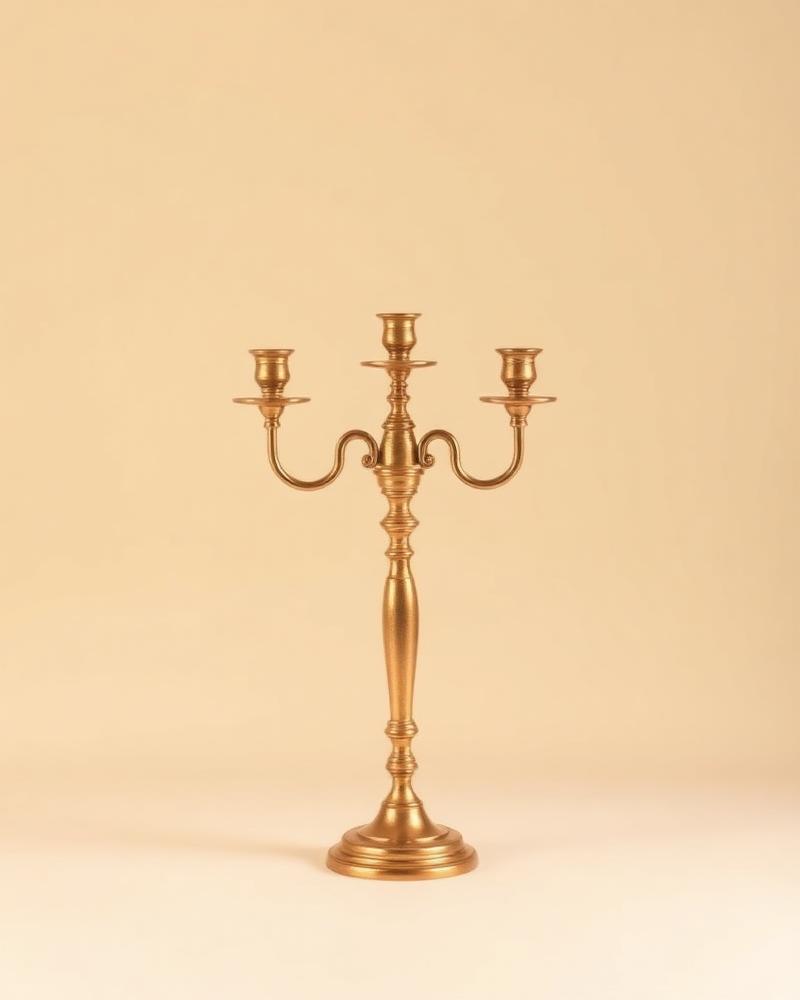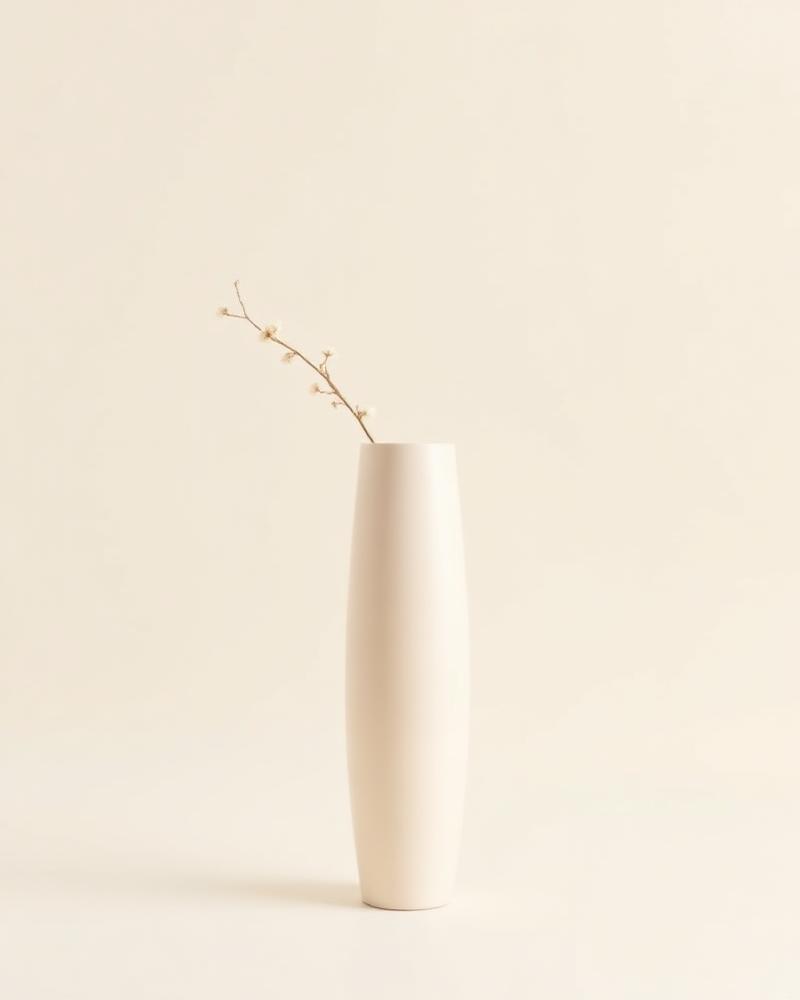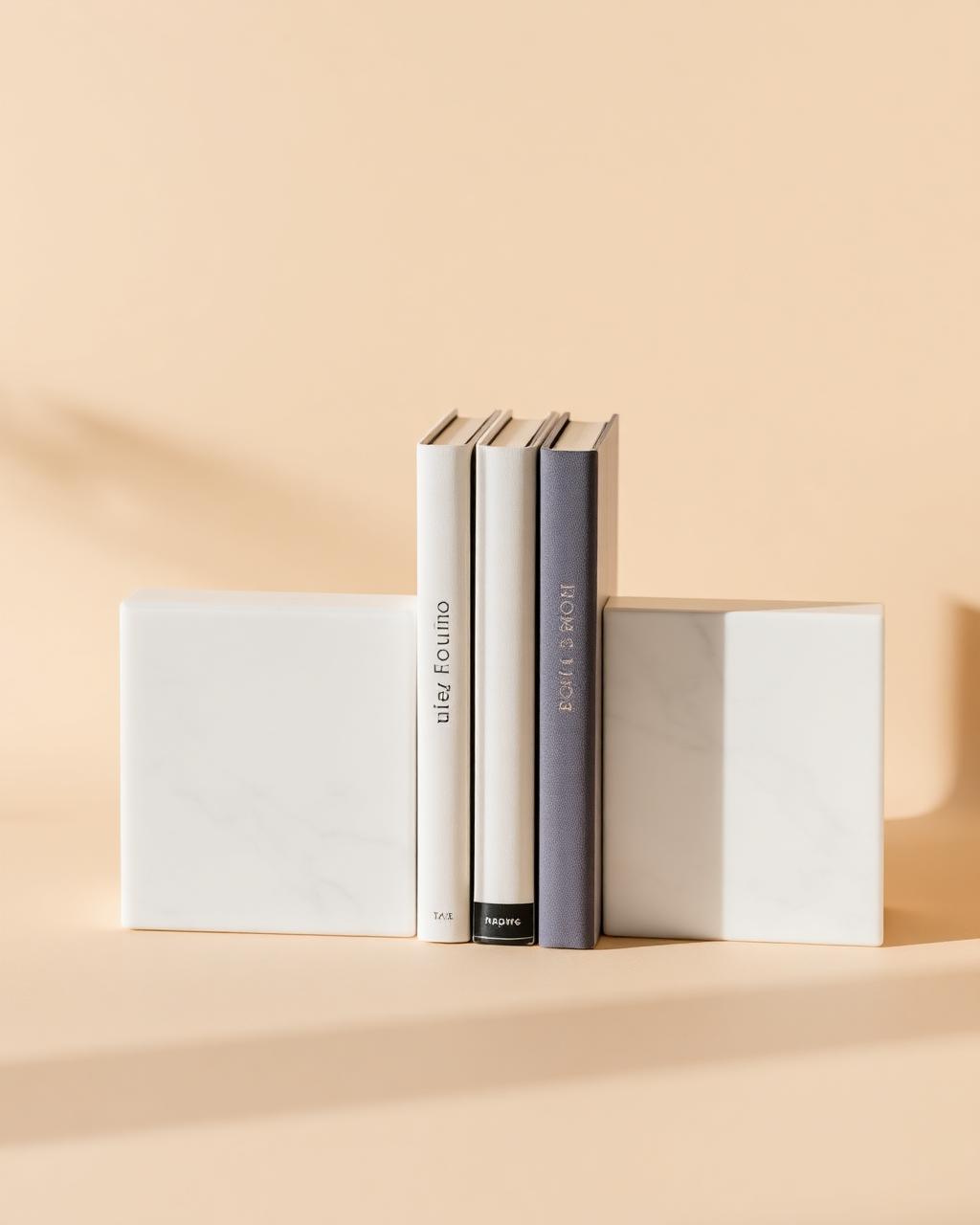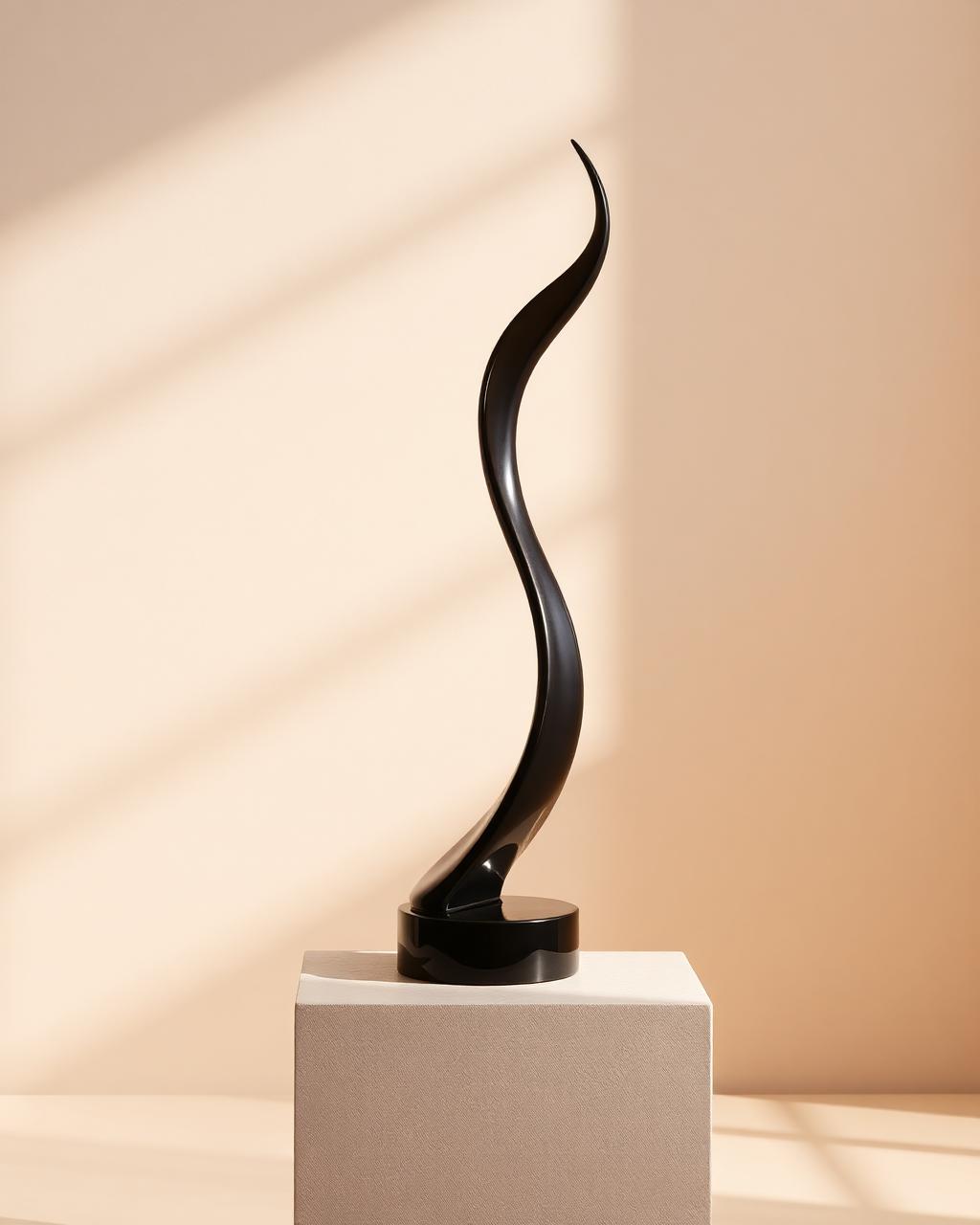
Nocturne
Abstract Resin Sculpture
$480
from $40/mo
Limited availability
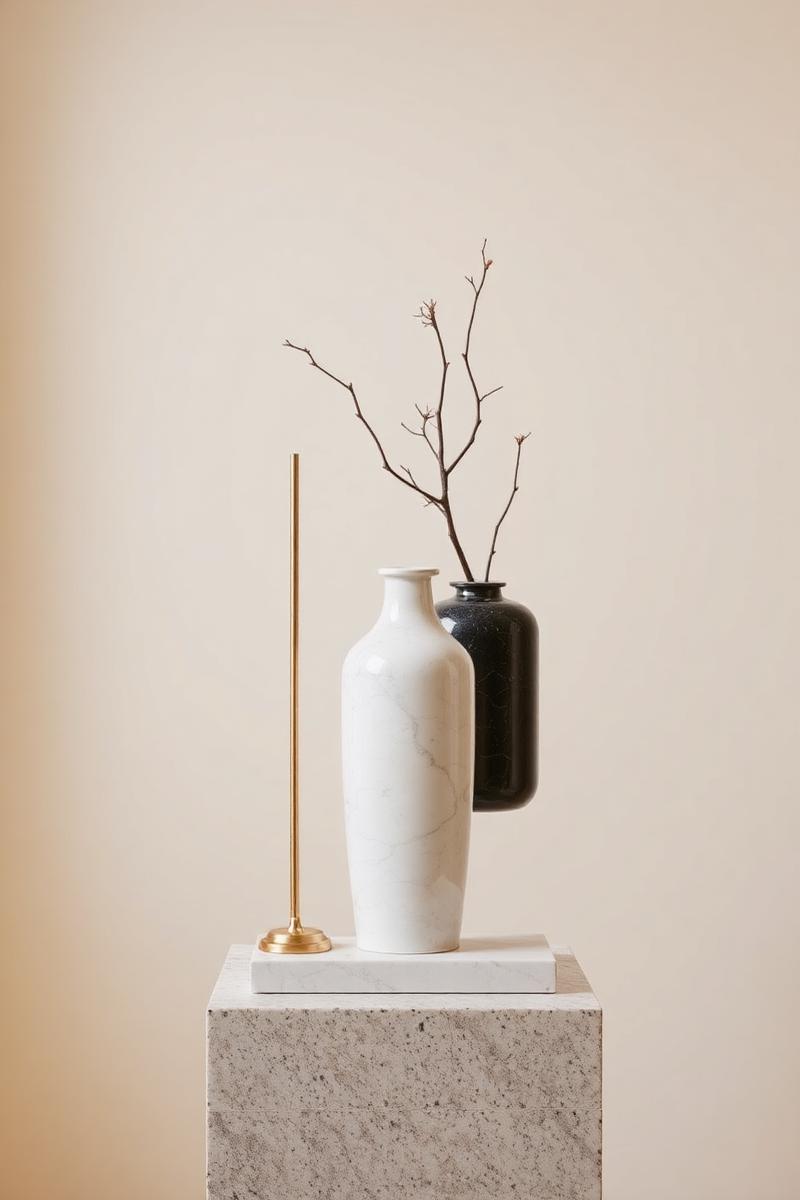
Decorative Objects
A focused edit of wall art & wall decor from the objects collection — selected for proportion, material and finish.
No pieces currently match these filters. Try removing one filter to broaden the edit.
Pieces from the wider collection, shown separately from the edit above.
The selection of wall art defines a room's atmosphere more decisively than almost any other choice. Where furniture provides function and comfort, the pieces we hang above eye level establish mood, direct attention, and reveal the sensibility that animates a home. A well-chosen work creates visual weight in precisely the right measure, anchoring a space without overwhelming it.
Our approach begins with scale and proportion. A common misjudgement places work that is too small on expansive walls, leaving the composition unresolved. As a general principle, art should occupy between two-thirds and three-quarters the width of the furniture beneath it, whether that is a sofa, console, or bed. For large uninterrupted walls, consider pieces measuring 48 to 60 inches wide, or arrange multiple smaller works as a considered gallery grouping. The principles outlined in our guide to large wall mirror placement apply equally to framed works and panels.
Oil paintings on linen bring depth and texture that cannot be replicated in print. The physicality of paint, its ridges and translucency, rewards close examination and shifts subtly with changing light throughout the day. Works on panel, whether gessoed wood or stretched canvas, possess an architectural quality suited to modernist interiors. For those drawn to three-dimensional relief, our sculptures and select decorative objects offer alternatives that project from the wall plane.
Photographic works printed on archival cotton rag paper suit spaces where clarity and tonal subtlety matter most. Gelatin silver prints, with their luminous greys, complement rooms furnished in natural linen and unlacquered brass. Pigment prints on baryta paper bring contemporary colour palettes into dialogue with traditional architectural details.
The centre of any wall art should typically rest between 57 and 60 inches from the floor, aligning with average eye level in a standing position. In dining rooms where guests are predominantly seated, this height may drop to 54 inches. Above a sofa or bed, leave 6 to 10 inches between the furniture's upper edge and the work's lower frame.
Consider the room's primary approach and sitting areas when determining placement:
For living room wall art, the relationship to seating and natural light sources determines success. A landscape positioned opposite a window may suffer from glare during certain hours, whilst the same piece on a perpendicular wall catches indirect illumination beautifully.
Rather than matching art to existing upholstery or rug colours, consider tonal relationships. A painting dominated by warm ochres and siennas will harmonise with a room's terracotta and rust accents without literally repeating them. Cooler palettes of grey-blue and sage recede visually, lending calm to bedroom wall decor where repose is paramount.
Abstract compositions offer versatility, their forms and colours open to interpretation across different furnishing schemes. Representational work, particularly portraiture and figuration, commands attention and benefits from considered placement where viewers can engage without distraction. Botanical studies and architectural drawings bring precision and delicacy suited to studies and dressing rooms.
Framing choices alter perception substantially. Slim metal frames in brass or blackened steel allow the work to dominate, appropriate for bold contemporary pieces. Wider hardwood frames in oak, walnut or ash introduce craft and weight, grounding delicate works on paper. Float mounting creates a border of negative space between image and frame, lending breathing room to dense compositions.
Glass selection matters for works on paper. Standard glazing suffices for rooms with controlled light, whilst museum glass eliminates reflection almost entirely, crucial for pieces hung opposite windows. Acrylic glazing weighs less, a practical consideration for large formats.
The relationship between wall art and surrounding objects, whether vases on nearby consoles or the patterns found in adjacent textiles, creates visual rhythm. Ideas explored in our modern wall mirror features apply here: each element should feel both distinct and part of a larger, coherent whole. Rooms achieve harmony not through repetition but through thoughtful variation in scale, material and form.