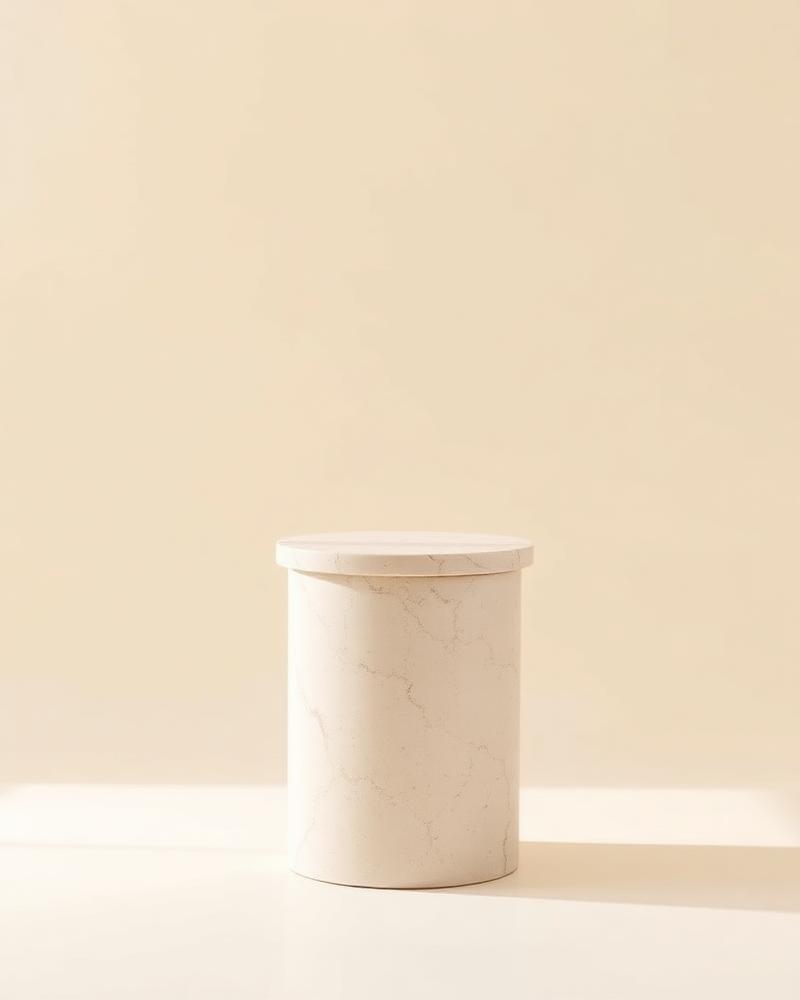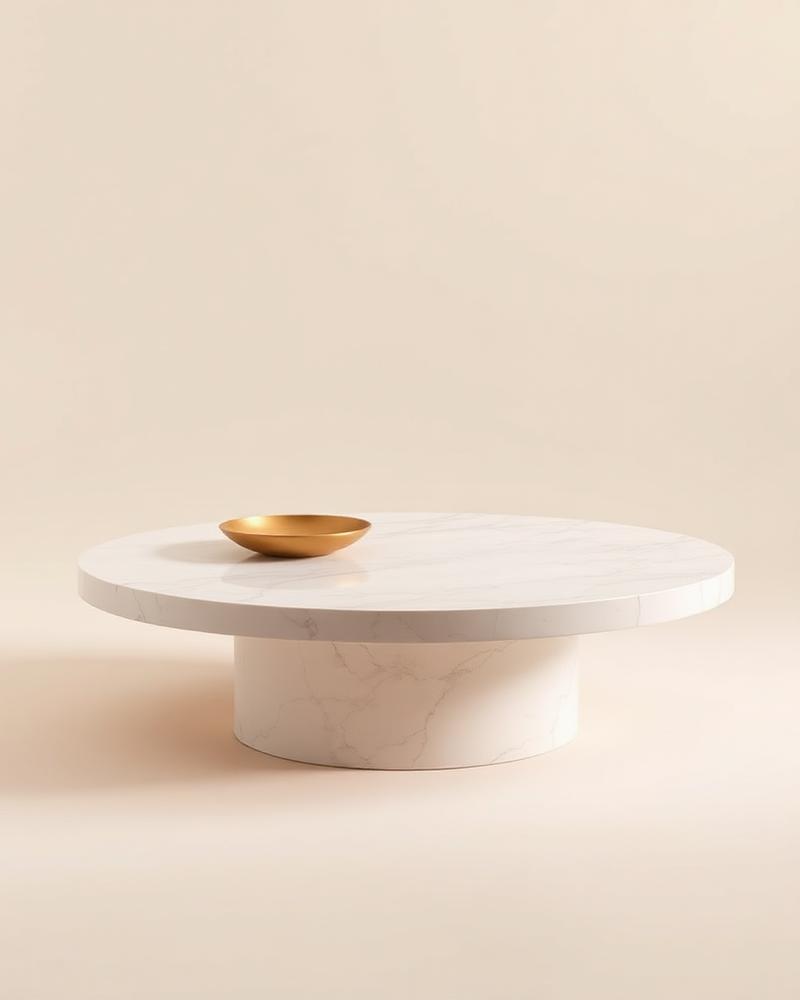
Carrara
Marble Coffee Table
$1,890
from $158/mo
Limited availability
The Collection
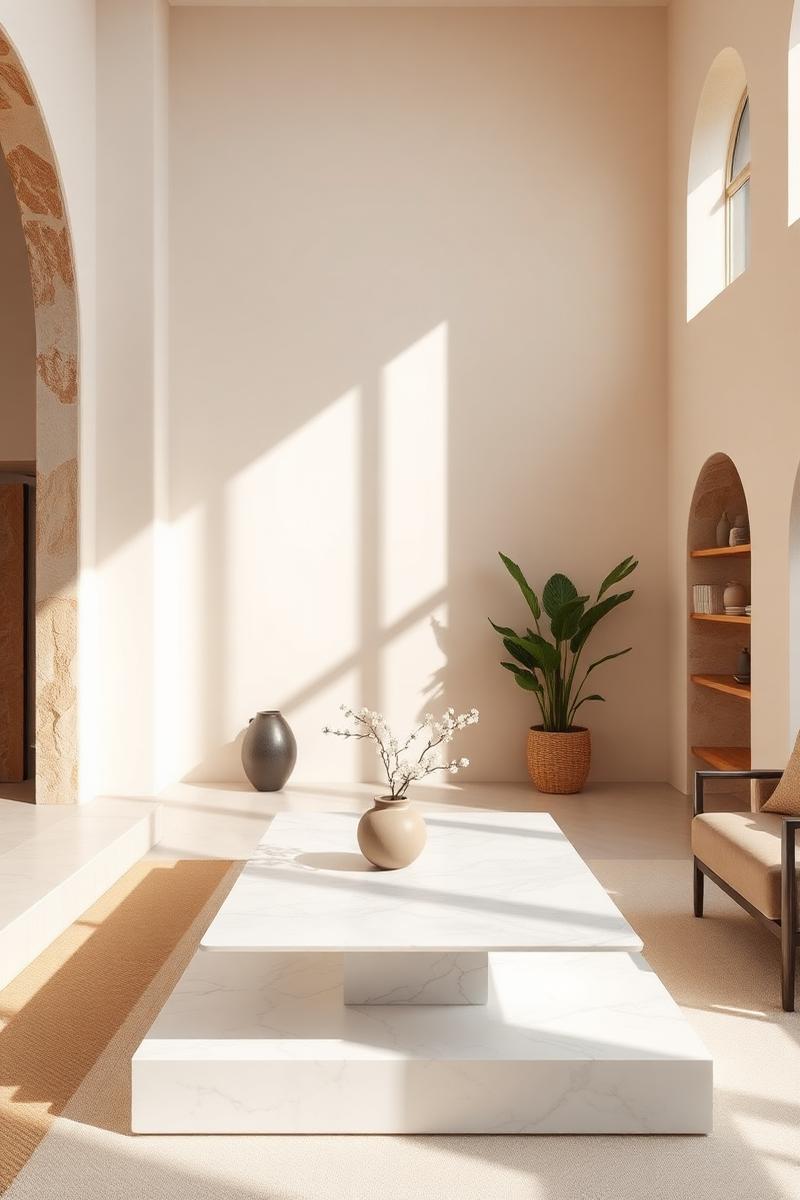
Occasional furniture in marble, travertine, oak and glass — quiet forms designed to anchor a room for decades.
The pursuit of luxury furniture begins not with acquisition but with understanding. A well-chosen piece serves as both functional object and quiet statement, anchoring a room whilst revealing something of the character within. At Mont Rose & Co., we approach furniture design as an exercise in restraint, privileging proportion, materiality, and craft over transient trends or unnecessary embellishment.
Every interior tells a story through the objects it contains. The furniture you select becomes the vocabulary of that narrative, establishing rhythm, scale, and atmosphere. Whether furnishing a city apartment or a country house, the principles remain constant: seek pieces that reward proximity, that reveal their quality through detail rather than declaration, and that improve rather than merely occupy their surroundings.
The distinction of luxury furniture lies primarily in its materiality. Solid walnut, quarter-sawn oak, hand-rubbed bronze, honed marble, waxed steel—these are surfaces that age with grace rather than deteriorate with time. A coffee table crafted from book-matched walnut will develop a patina that speaks to years of use, whilst veneered particleboard simply wears out. The initial investment proves sensible when measured across decades rather than seasons.
Texture plays an equally vital role. The contemporary appetite for bouclé furniture reflects a broader desire for tactility in interiors, a counterbalance to the smooth screens that dominate daily life. Similarly, the enduring appeal of oak furniture lies not only in the wood's structural integrity but in its visible grain, which brings organic irregularity into otherwise controlled environments. These are materials that invite touch, that change subtly with light and season.
Scale determines whether a piece succeeds or fails within a given space. A dining table should allow 24 to 30 inches of width per seated guest, whilst leaving at least 36 inches of clearance around the perimeter for comfortable movement. Console tables work best at 30 to 36 inches in height, aligning roughly with the average person's hand when standing—a detail that affects both visual balance and practical use. Side tables should relate logically to the arm height of adjacent seating, typically ranging from 22 to 28 inches.
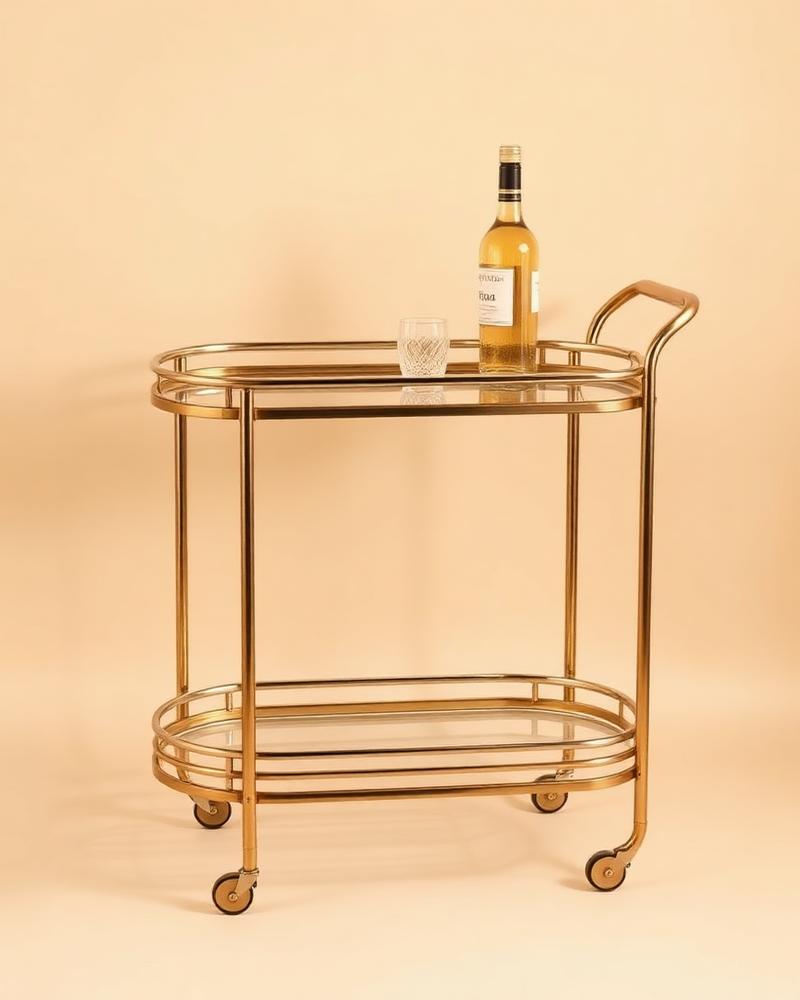
Thoughtful arrangement transforms individual furnishings into coherent composition. Our guidance on foyer furniture arrangement and living room furniture layout addresses these spatial relationships in detail. The general principle holds across rooms: furniture should facilitate movement and conversation whilst defining distinct zones within larger volumes. A bar cart might delineate the boundary between seating and circulation, serving both practical and compositional purposes.
Luxury, properly understood, has little to do with excess. A room containing three exceptional pieces will invariably feel more refined than one crowded with a dozen mediocre objects. This selectivity extends to surface decoration: the natural figure of wood, the subtle variation in stone, the irregular hand of artisan metalwork—these provide sufficient visual interest without applied ornament.
When evaluating furniture, consider these markers of quality:
Storage furniture—shelving, cabinets, sideboards—deserves particular scrutiny. Interior fittings matter as much as external appearance: dovetailed drawers running on wooden slides, adjustable shelves with proper support, dust panels between drawers. These hidden elements determine longevity and daily satisfaction. A drawer that closes with gentle resistance, requiring neither force nor caution, represents craft of a high order.
Dining tables warrant similar attention to construction. Solid tops should be adequately thick—at least 1 inch for most domestic applications—and properly secured to the base with methods that accommodate seasonal wood movement. Aprons should provide structural support without impeding leg room. Extendable tables require mechanisms robust enough to withstand repeated use whilst maintaining alignment.
Caring for luxury furniture requires knowledge rather than effort. Solid wood benefits from occasional treatment with appropriate wax or oil, applied sparingly and buffed to a soft lustre. Marble and limestone surfaces should be sealed annually and cleaned only with pH-neutral solutions—acidic substances etch the surface, creating dull spots that require professional restoration. Upholstered pieces maintain their appearance longer when rotated regularly and kept from direct sunlight, which fades even the most stable dyes.
Metal finishes vary in their requirements. Waxed steel develops an evolving patina that many find desirable, whilst lacquered or powder-coated surfaces need only occasional dusting. Bronze and brass may be left to age naturally or polished to maintain their original appearance, depending on preference. Understanding these material behaviours allows you to make informed choices aligned with your maintenance inclinations.
Furnishing a room involves numerous decisions that benefit from advance consideration. Our room cost estimator provides a framework for thinking through these choices systematically, helping you allocate resources according to priorities. Not every piece demands equal investment; concentrating budget on anchor furnishings—the sofa, the dining table, the primary bed—typically yields more satisfying results than distributing funds evenly across all elements.
The furnishings you live amongst shape daily experience in ways both obvious and subtle. Choosing well means selecting pieces that align with how you actually inhabit your spaces, that accommodate real needs whilst elevating the everyday. This is the proper ambition of luxury furniture: not to impress visitors but to improve the quality of ordinary moments, to bring modest pleasure to the unremarkable acts that comprise most of life.