Nocturne
Abstract Resin Sculpture
$480
from $40/mo
Limited availability
Decorative Objects
A focused edit of decorative objects from the objects collection — selected for proportion, material and finish.
No pieces currently match these filters. Try removing one filter to broaden the edit.
Pieces from the wider collection, shown separately from the edit above.
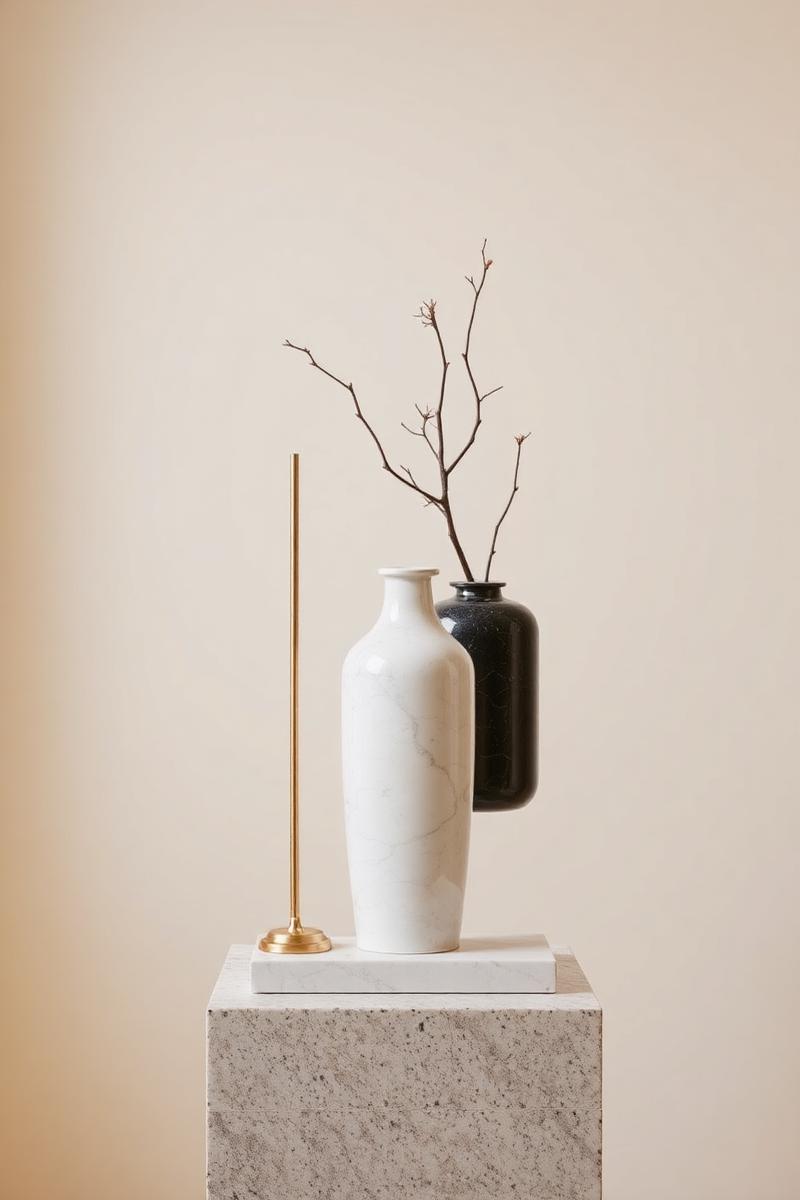
The role of decorative objects in a room extends far beyond mere ornament. These pieces serve as visual punctuation, offering moments of reflection and texture that distinguish a carefully composed interior from one that feels incomplete. At Mont Rose & Co., we approach decorative objects as essential elements of spatial design rather than afterthoughts, selecting each piece for its material integrity and quiet presence.
Our collection spans cultures and centuries, united by a commitment to craft and form. Whether antique or contemporary, each object we acquire demonstrates a considered approach to proportion, surface, and silhouette. These are pieces designed to reward close attention whilst maintaining their composure within the broader context of a room.
The materials we favour possess inherent visual weight and tactile appeal. Bronze develops a living patina that deepens with time. Marble carries the geological memory of its formation in every vein. Our glass objects refract light in ways that shift throughout the day, whilst ceramic pieces bear the subtle irregularities that distinguish hand-thrown work from industrial production.
When selecting objects for a space, consider how different materials converse with one another. A polished stone sphere gains presence when placed beside the matte surface of unglazed terracotta. Aged wood provides warmth against the cool geometry of metal forms. These relationships create visual dialogue without requiring symmetry or obvious coordination.
Scale determines whether an object anchors a surface or floats upon it. For console tables between 48 and 60 inches wide, a single substantial piece of 12 to 18 inches in height often proves more effective than a scattered arrangement of smaller items. Coffee tables benefit from objects with lower profiles, typically under 10 inches, allowing sightlines across the room to remain unobstructed. Our guidance on decorative objects for coffee tables explores these spatial considerations in greater depth.
Sculptural works command attention and require adequate breathing room. Allow at least 8 to 12 inches of clear space around a significant piece so its form can be appreciated fully. Vases serve dual purposes, beautiful both empty and filled, and should be selected with their unadorned state in mind. A vessel that depends entirely on flowers for its appeal rarely satisfies.
Composition on horizontal surfaces follows principles borrowed from still life painting: varied heights, asymmetrical balance, and deliberate negative space. Group objects in odd numbers when clustering, but resist the urge to fill every available surface. Empty space allows the eye to rest and prevents visual fatigue.
Consider these fundamental approaches:
For bookshelf styling, integrate objects amongst volumes rather than relegating them to shelf ends. A small bronze form or stone fragment interrupts the linear rhythm of spines and adds three-dimensional interest. Our thoughts on styling with brass objects demonstrate how a single material can thread through multiple rooms, creating subtle continuity.
Different materials demand different approaches. Dust bronze and brass with a soft cloth, avoiding commercial polishes that strip natural patina. Clean marble with pH-neutral solutions only, as acidic substances etch the surface. Glass tolerates more robust cleaning but benefits from occasional polishing with microfibre cloth to maintain clarity.
Ceramic glazes generally require only gentle dusting, though unglazed surfaces may absorb oils from handling. For valuable pieces, wear cotton gloves during placement and adjustment. Rotate objects positioned in direct sunlight to prevent uneven fading or heat damage, particularly for organic materials and certain pigments.
A meaningful collection of decorative objects develops gradually, shaped by curiosity rather than haste. Acquire pieces that genuinely intrigue you, trusting that coherence emerges from your sustained attention rather than from adherence to a predetermined aesthetic programme. The objects that endure in a home are those that reveal new details over time.
Wall-mounted pieces extend the decorative vocabulary into vertical space, creating layers of visual interest. Consider how objects on surfaces relate to those on walls, building a three-dimensional composition that unfolds as one moves through a room. The most successful interiors feel both deliberate and inevitable, as though each element has found its natural position.