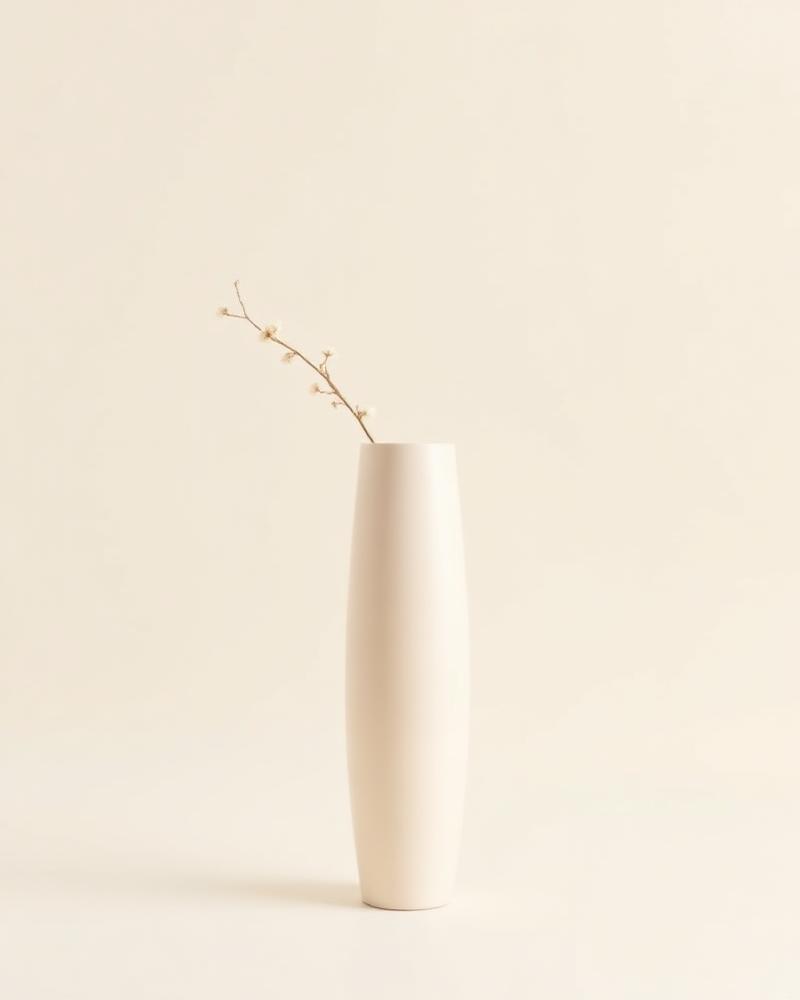
Solstice
Ceramic Floor Vase
$380
from $32/mo
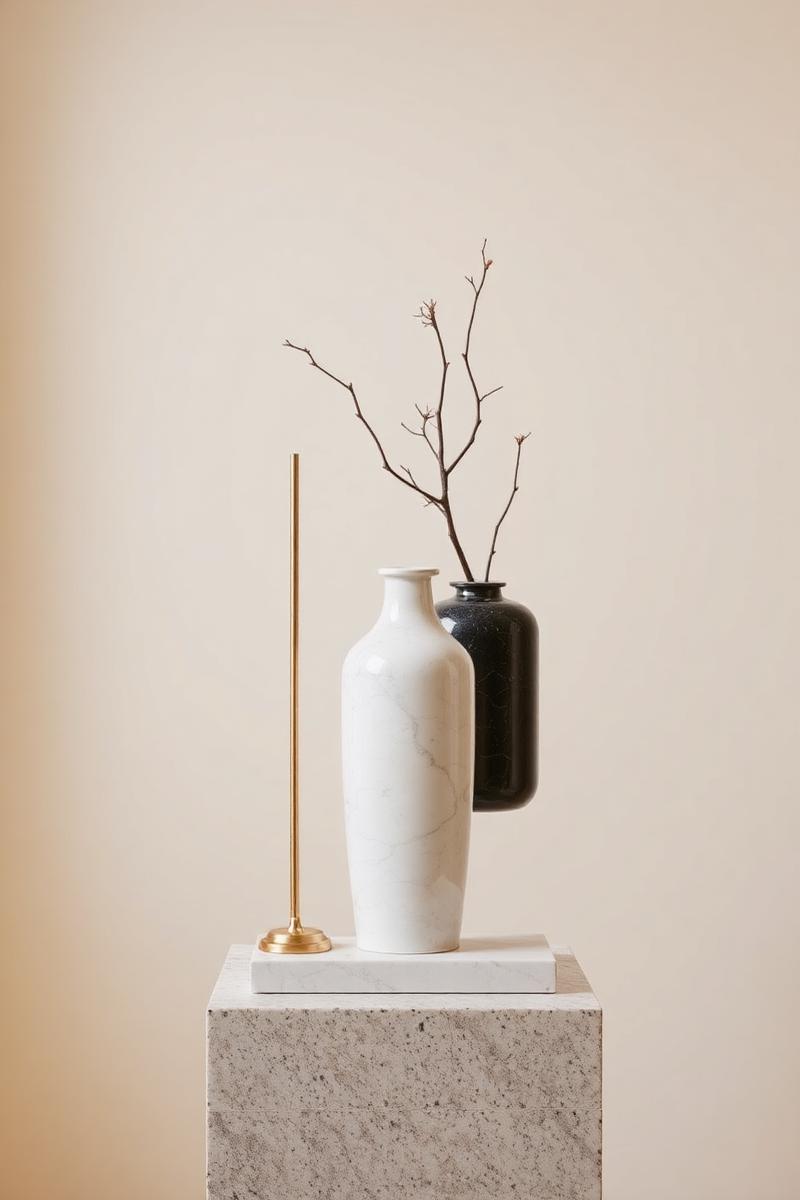
Decorative Objects
A focused edit of decorative vases from the objects collection — selected for proportion, material and finish.
Pieces from the wider collection, shown separately from the edit above.
A collection of vases begins not with abundance but with intention. Each vessel we select earns its place through form, material integrity, and the quiet authority that distinguishes ornament from mere decoration. Our buyers travel widely to source pieces that balance historical craft traditions with the spatial demands of contemporary American homes, seeking makers whose work demonstrates both technical mastery and restraint.
The vessels gathered here span hand-thrown ceramics, mouth-blown glass, and carved stone, united by proportion and finish rather than stylistic uniformity. A single well-chosen vase can anchor a console table, define a mantel, or punctuate a bookshelf with sculptural presence, whether holding seasonal branches or standing alone as an object of contemplation.
Ceramic vases in our collection range from high-fired porcelain with celadon glazes to coarser stoneware bodies left partially unglazed, revealing the clay's natural texture. Many come from workshops in Japan, Portugal, and the American Southwest, where potters still mix their own glazes and fire in wood or gas kilns that impart subtle variations no factory process can replicate. Wall thickness matters: a vessel with substantial heft, typically three-eighths of an inch or more at the rim, possesses a different physical authority than mass-produced alternatives.
Glass pieces include both clear forms that disappear into their surroundings and tinted vessels in smoke, amber, and seafoam. The finest examples show evidence of the gaffer's hand, slight asymmetries and tool marks that catch light differently than machine-made glass. Our buyers favour European makers working in the Scandinavian tradition, where form follows function without ornamentation. For guidance on selecting and arranging these pieces, our glass vases for flower arranging journal entry offers practical considerations.
Scale determines success more often than style. On a dining table seating eight to ten, a vessel between 10 and 14 inches tall maintains presence without obstructing sightlines. For console tables and credenzas, height should not exceed one-third of any wall art hung above. Mantel displays benefit from asymmetry: a single substantial form, 16 to 20 inches tall, placed off-centre and balanced by smaller decorative objects or books.
Depth matters as much as height. A vessel 12 inches tall but only three inches wide will tip easily unless weighted at the base. Look for forms where the widest point sits in the lower third, providing inherent stability.
Ceramic surfaces develop character through use. Unglazed exteriors may darken slightly where handled frequently, a patina we consider desirable rather than defect. Clean these areas with barely damp cloth; avoid detergents that can leach into porous clay. Glazed interiors prevent staining from flower stems, though changing water daily remains advisable. Our ceramic vase styling tips journal entry explores maintenance in greater detail.
Glass requires only warm water and mild soap, though hard water deposits can dull the surface over time. A solution of equal parts white vinegar and water, applied with soft cloth, restores clarity without scratching. For white ceramic vases specifically, the same vinegar solution removes mineral rings that develop at the waterline.
Many of the most compelling vessels in our collection never hold water. We have seen clients use narrow-necked forms to display single feathers, bronze forms to hold drawing pencils on a desk, and wide-mouthed jars filled with natural sponges in a bathroom. A vessel's utility extends as far as imagination permits, though we note that pieces purchased as sculptures often migrate into functional service once their sculptural qualities become familiar through daily viewing.
The distinction between vessel and sculpture collapses when a form possesses sufficient presence. A well-proportioned vase asks nothing of its owner yet offers endless possibilities, a quality we prize above fashion or trend. These are objects for the long term, acquired thoughtfully and kept indefinitely.