Ondine
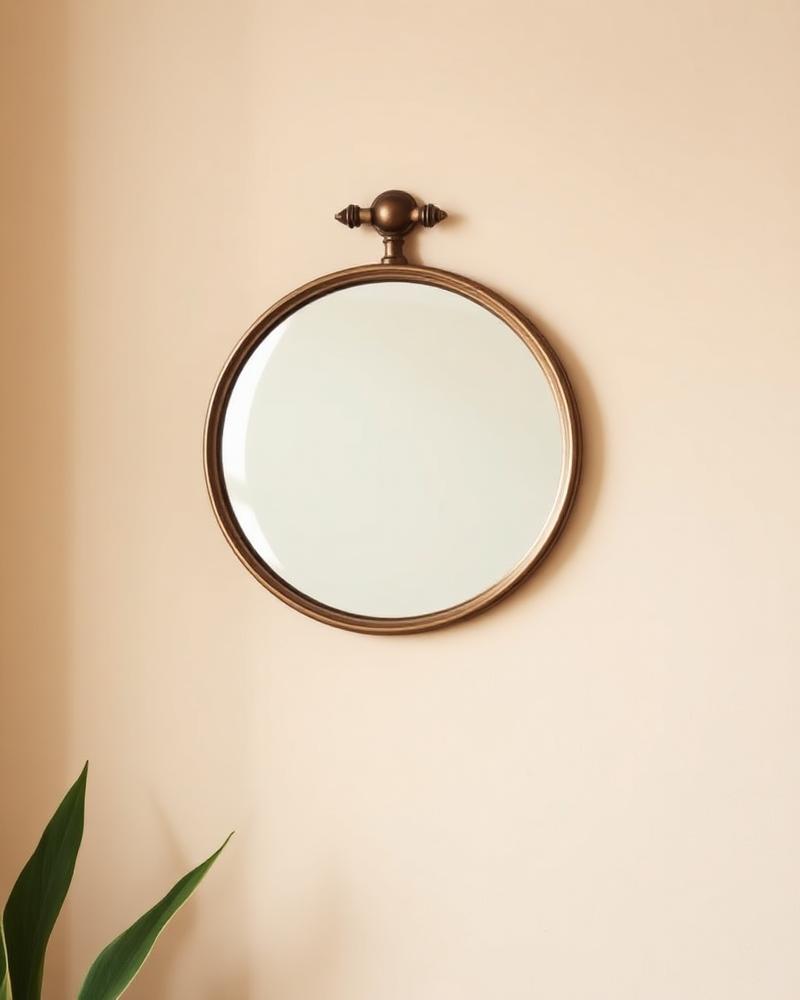
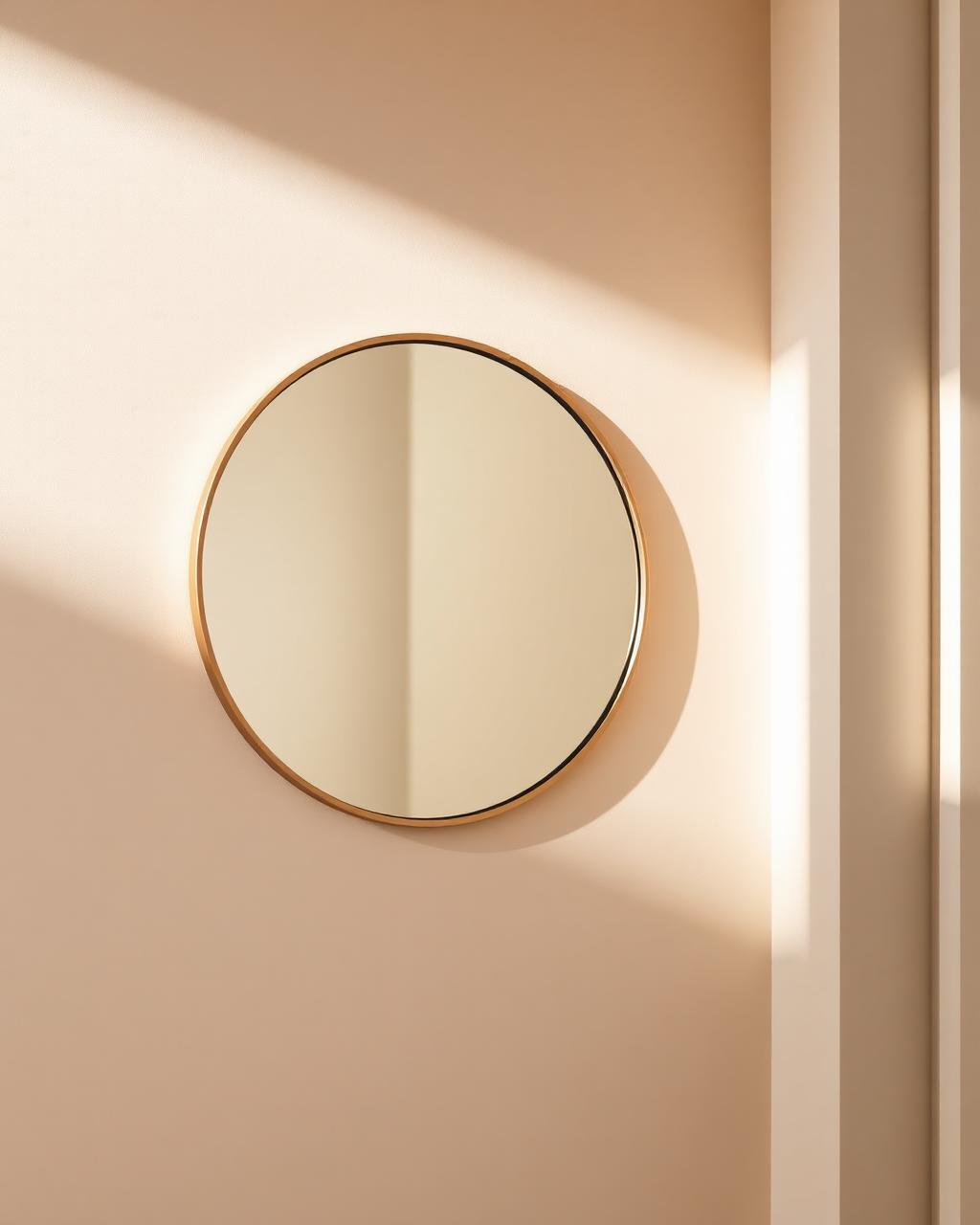
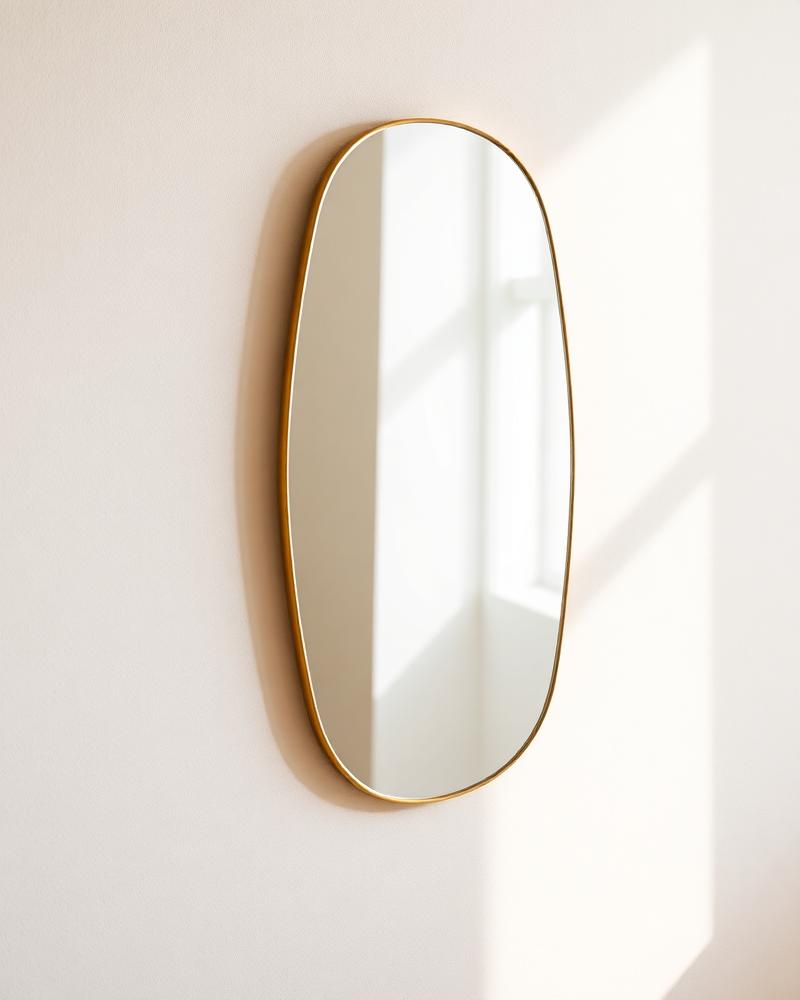
Sculptural Wall Mirror
$750
from $63/mo

Material Guide
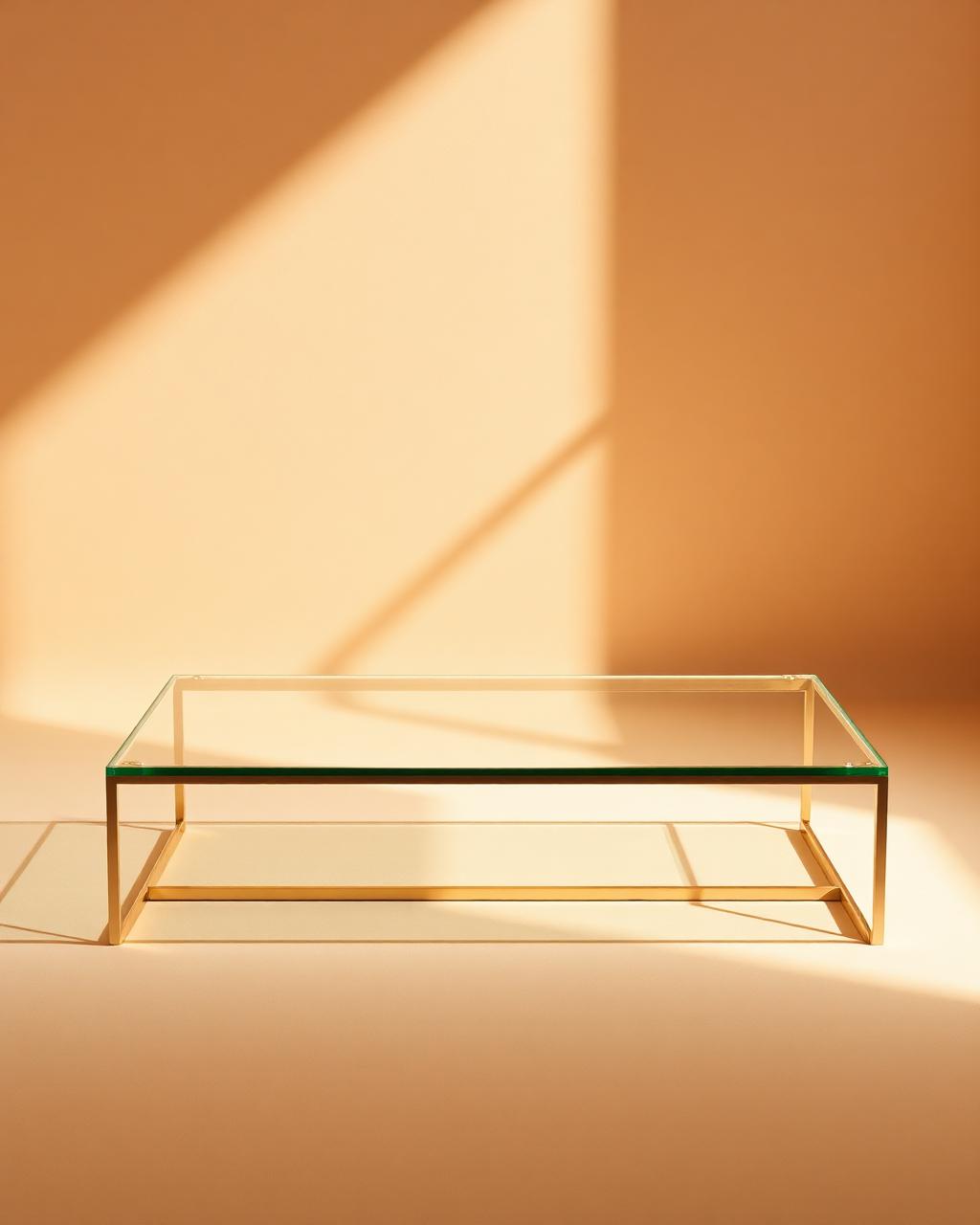
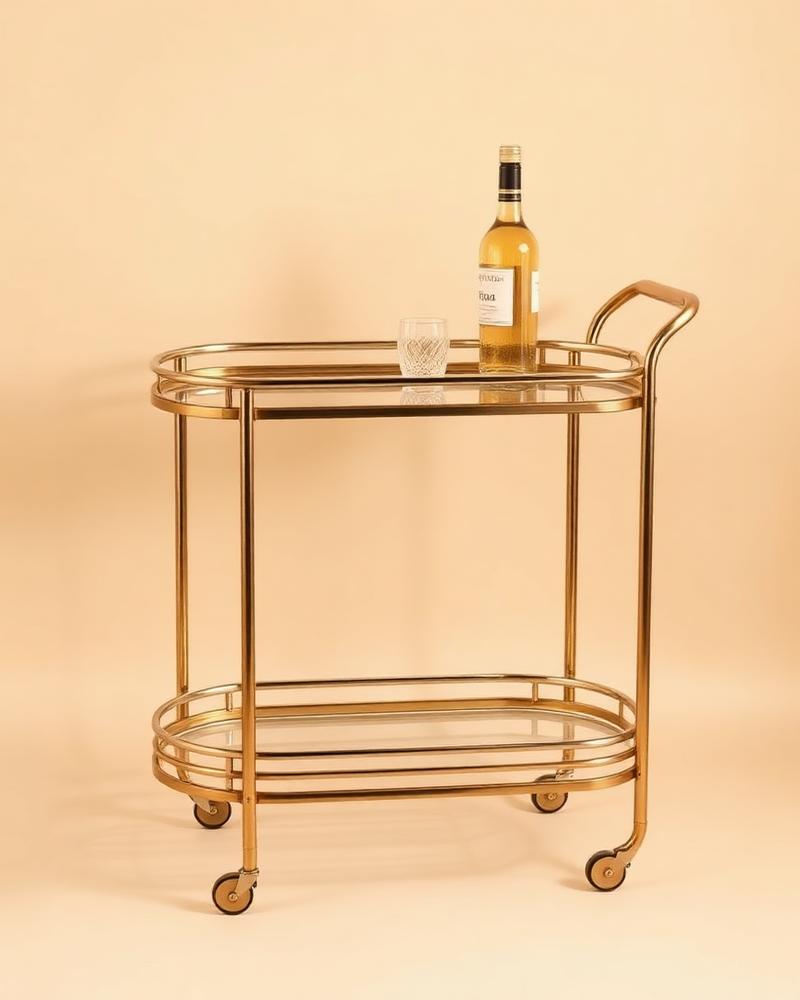
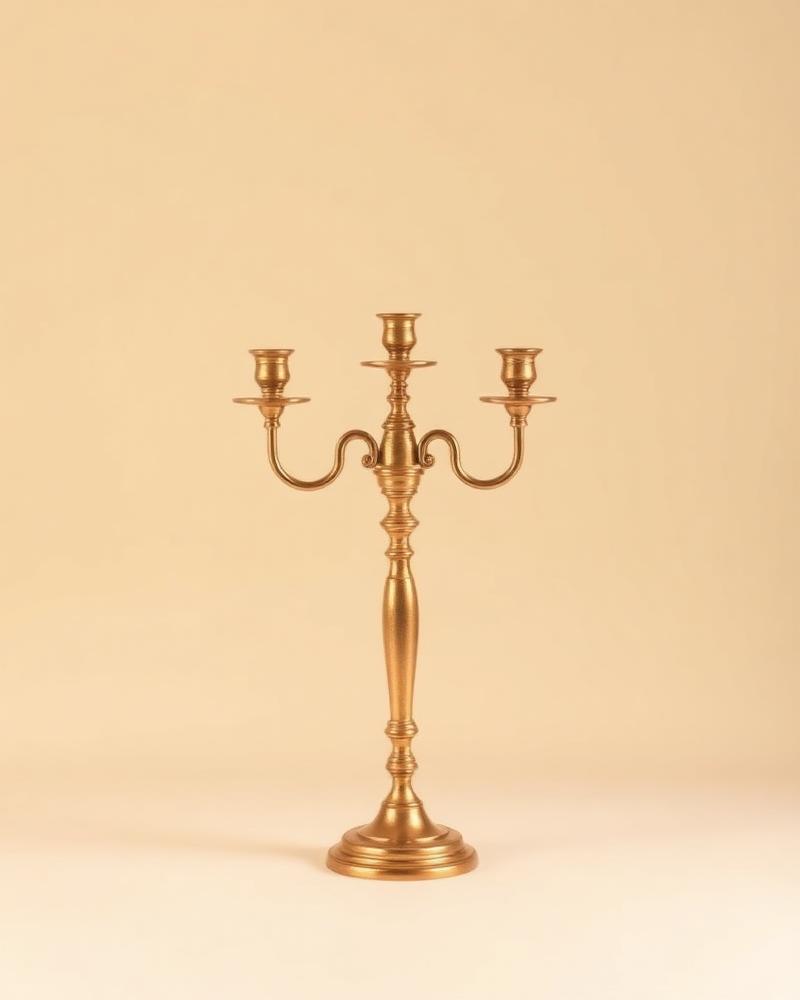
Brass is an alloy of copper and zinc, and it has been the decorative metal of choice since the Romans because it is warm in colour, easy to cast and machine, and durable enough for hardware that gets touched a thousand times a year. In lighting it does something no other metal manages as well: it flatters skin tones by reflecting light on the warm side of neutral.
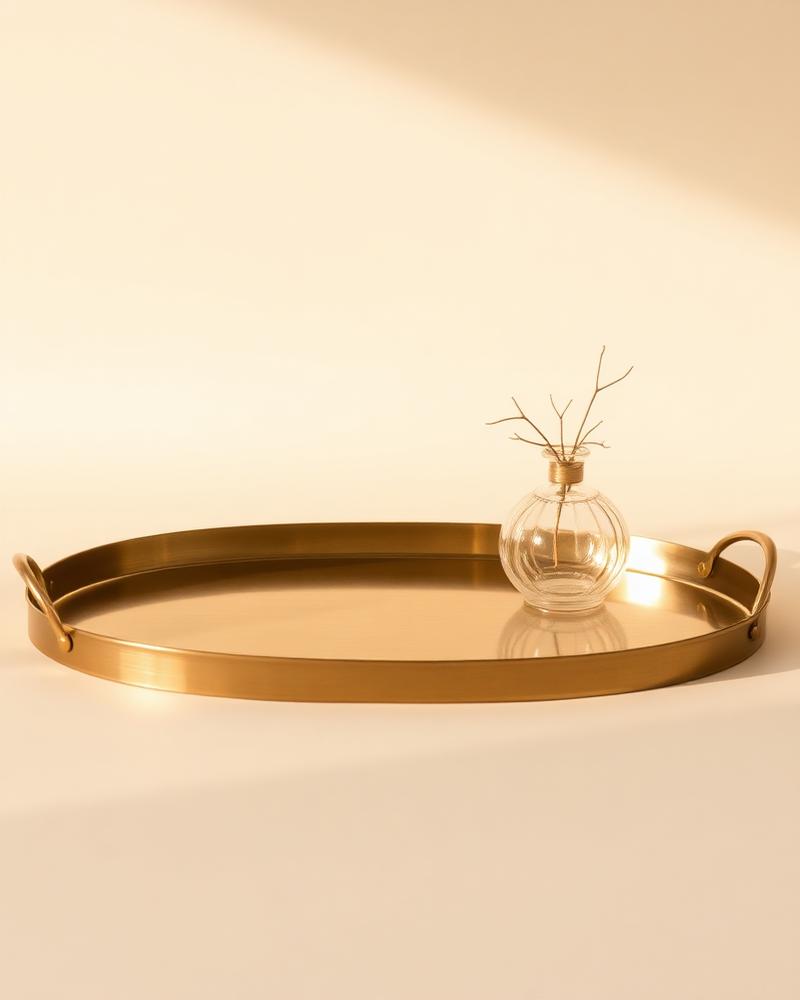
The important distinction is lacquered versus unlacquered. Unlacquered or 'living' brass oxidises with air and handling, darkening unevenly into a patina that maps how a piece is used. Lacquered brass carries a clear coat that holds the factory tone indefinitely. Antique brass is chemically darkened before finishing; satin or brushed brass has a directional grain that hides fingerprints; polished brass is mirror-bright and needs the most attention.
Brass warms cool palettes and flatters plaster, limewash, travertine and linen. Mixing metals is not only permitted but preferable — brass with blackened steel reads collected, brass with chrome reads accidental. Keep to one brass tone per sightline: satin brass beside polished brass looks like a mistake, while brass beside iron looks deliberate.
Dust lacquered brass with a dry, soft cloth and nothing else; abrasives and ammonia will cut the lacquer and cause blotching. Unlacquered brass can be left alone to patina, wiped occasionally with a barely damp cloth, or brought back with a brass polish and then re-oxidised naturally. Avoid polishing partially: uneven brightening is more noticeable than an even patina.