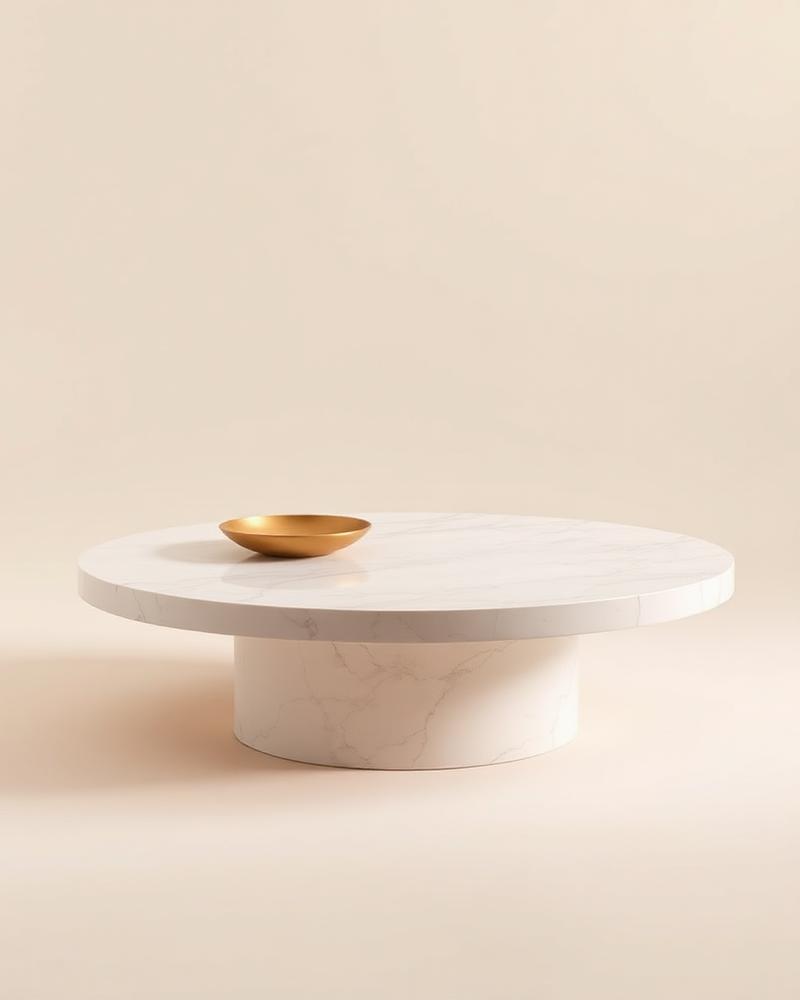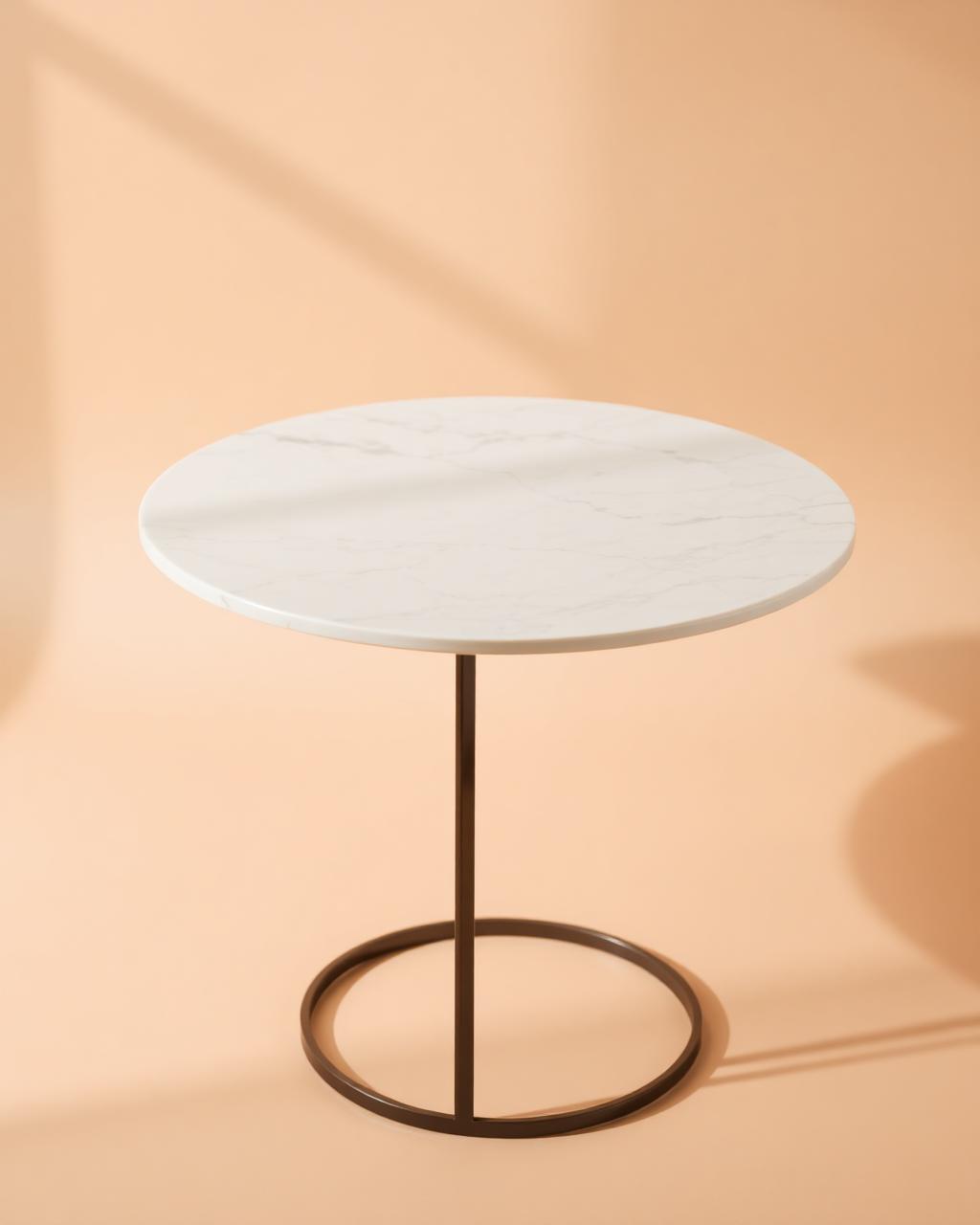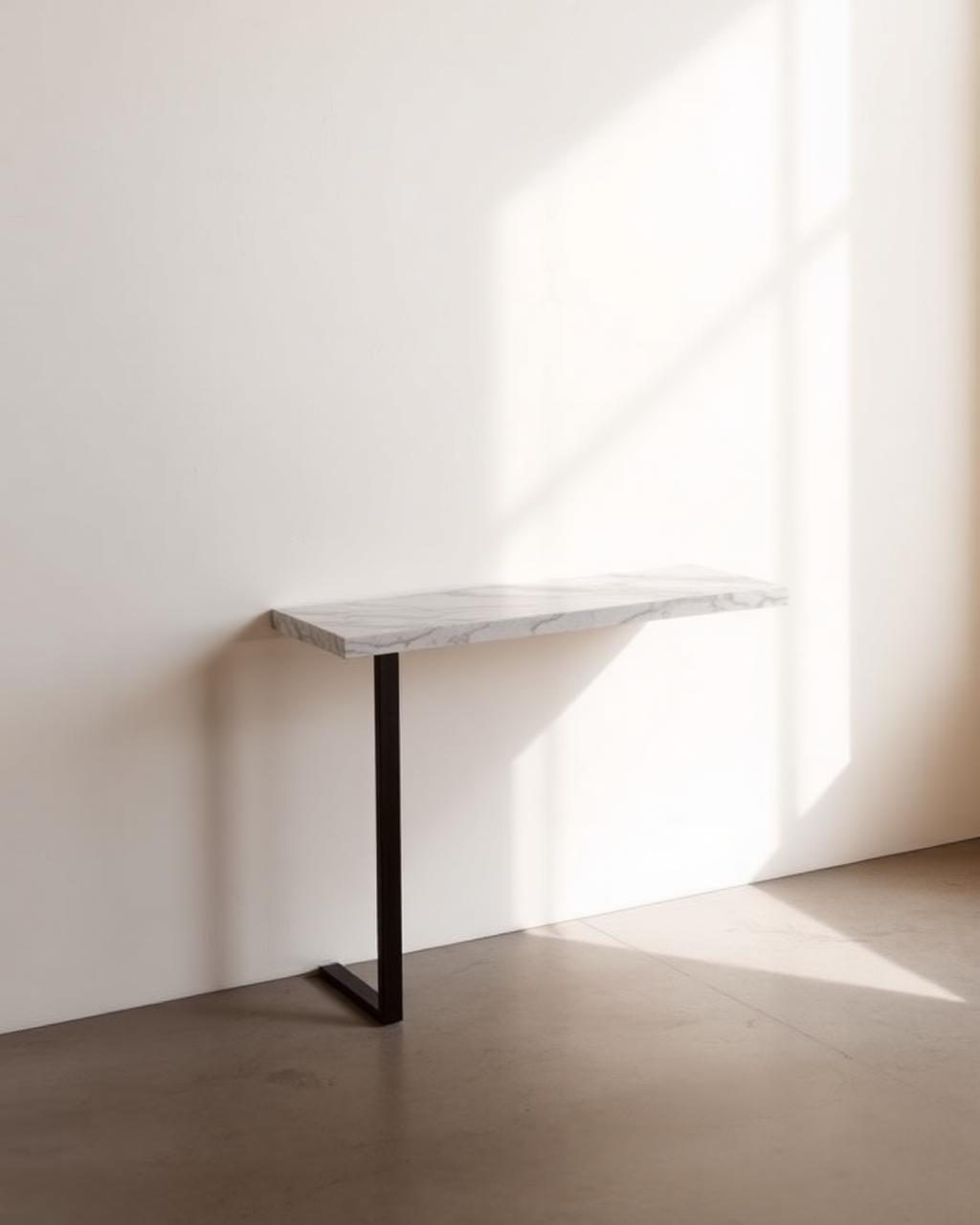
Palazzo
Marble Console Table
$1,650
from $138/mo
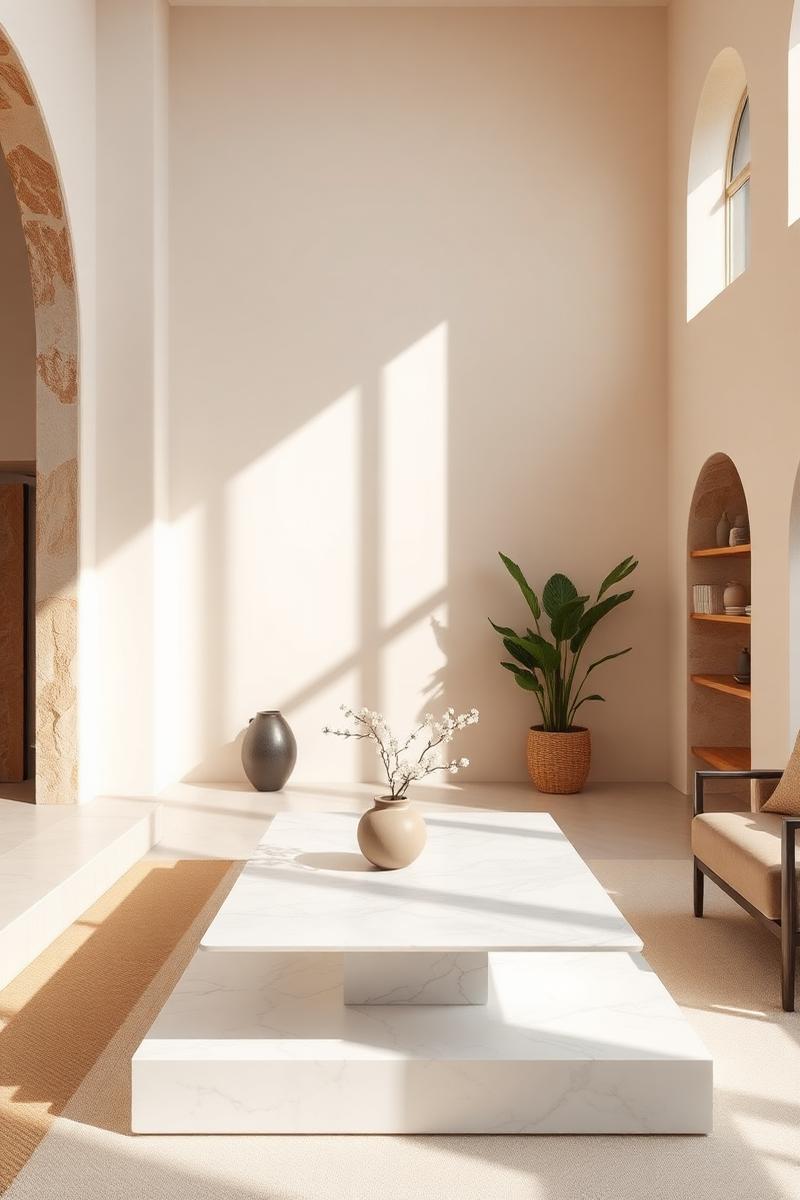
Luxury Furniture
A focused edit of console tables from the furniture collection — selected for proportion, material and finish.
Pieces from the wider collection, shown separately from the edit above.
Console tables occupy a distinct position in the hierarchy of furnishing, offering both function and architectural presence in spaces that demand restraint. These narrow-profile pieces serve as the punctuation between rooms, the anchor for an entrance hall, or the solution to an empty span of wall that requires purpose without bulk.
The appeal lies in their versatility. A well-chosen console table adapts to the demands of its location whilst maintaining a clear design language that speaks to the rest of your furniture collection. Whether serving as a landing place for keys and correspondence in an entryway or providing sculptural balance behind a sofa, the piece must earn its position through proportion, material integrity, and an economy of form.
Standard console tables measure between 28 and 32 inches in height, aligning with the ergonomic sweet spot for most applications. Depth typically ranges from 12 to 18 inches, narrow enough to preserve circulation in hallways and behind seating arrangements yet substantial enough to feel deliberate rather than tentative. Length varies considerably based on application, from compact 36-inch demilunes suitable for tight quarters to commanding 72-inch spans that anchor expansive walls.
The relationship between a console and its surroundings matters more than absolute dimensions. When placing a console table behind a sofa, the piece should measure within six inches of the sofa's length to maintain visual coherence. In an entryway, allow at least 36 inches of clearance for comfortable passage. Above the console, artwork or a mirror should span roughly two-thirds to three-quarters of the table's width, creating dialogue without mimicry.
The material vocabulary of fine console tables extends from solid walnut and white oak to honed marble, patinated brass, and blackened steel. Each brings particular character and practical considerations:
Construction quality reveals itself in joinery. Mortise-and-tenon joints, dovetailing, and hand-applied finishes indicate a piece built for longevity rather than expedience. Weight often correlates with substance; a well-made console possesses heft that speaks to solid materials and thoughtful engineering.
Design approaches range from the spare geometry of mid-century modernism to the carved details of neoclassical form. Demilune console tables, with their half-moon profiles, suit narrow spaces and formal entries, as explored in our guide to demilune console tables. Rectangular silhouettes offer maximum surface area and pair naturally with the linear geometry of contemporary interiors.
For compact spaces, small console table ideas demonstrate how a carefully scaled piece can define an area without overwhelming it. The relationship between console tables and other furnishings merits attention: a console shares formal DNA with coffee tables, side tables, and dining tables, and should harmonise with these pieces through material, finish, or design language.
A console table functions as a display plinth for objects that reward closer attention. The surface accommodates table lamps for ambient illumination, vessels and sculptural objects that introduce verticality, and books arranged for both reference and visual weight. Restraint proves more effective than abundance; three to five elements, varied in height and mass, create rhythm without clutter.
Our entryway console table collection demonstrates various approaches to this balance. Consider scale relationships: a substantial lamp balances lower, horizontal elements, whilst a tall vessel requires counterweight from flanking objects. Negative space remains as important as the objects themselves, allowing each piece to register clearly.
Wood surfaces benefit from regular dusting with a soft cloth and periodic treatment with appropriate furniture wax or oil, applied sparingly and buffed to a subtle lustre. Stone tops require pH-neutral cleaners and immediate attention to spills, particularly acidic substances that can etch marble and limestone. Metal elements develop natural patina; whether to preserve or polish this depends on the desired aesthetic.
Avoid placing console tables in direct sunlight, which can fade finishes and cause wood to expand and contract beyond normal seasonal movement. If displaying fresh flowers, use liners to prevent water damage, and rotate objects periodically to ensure even exposure.
The finest console tables possess a quality of inevitability, appearing so suited to their location that alternative arrangements become difficult to imagine. This quiet authority, rather than novelty or trend, defines pieces worthy of long-term commitment. Those seeking broader context might explore our complete furniture offerings or our curated selection of round coffee tables to understand how individual pieces contribute to a cohesive interior vision.