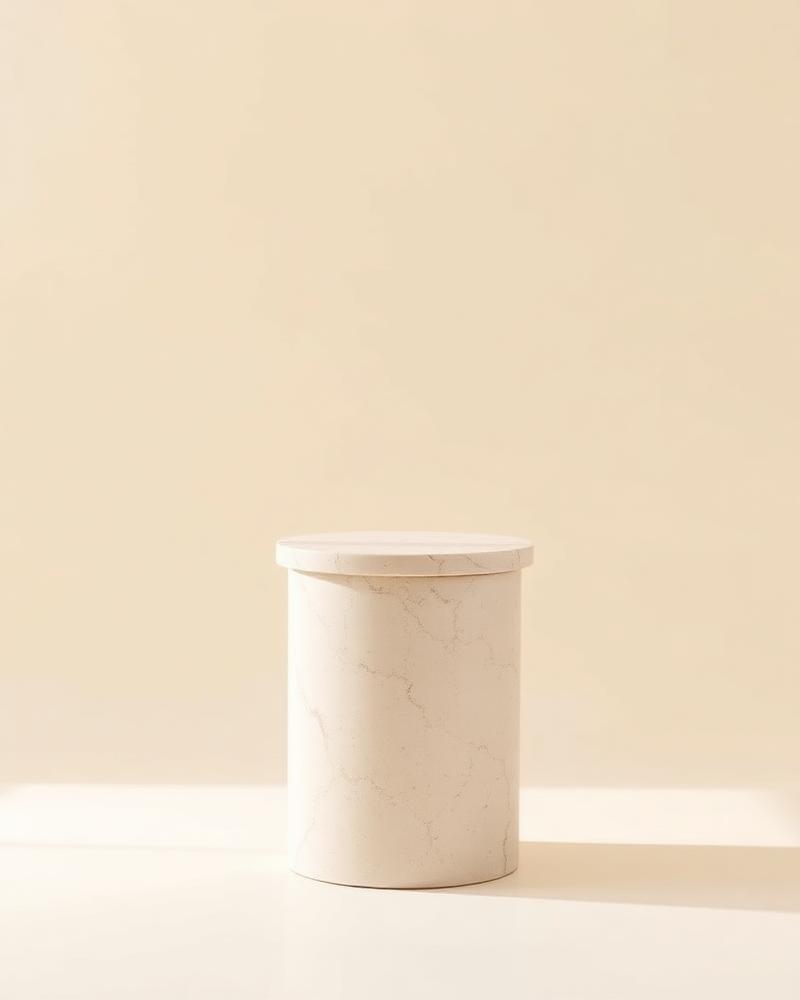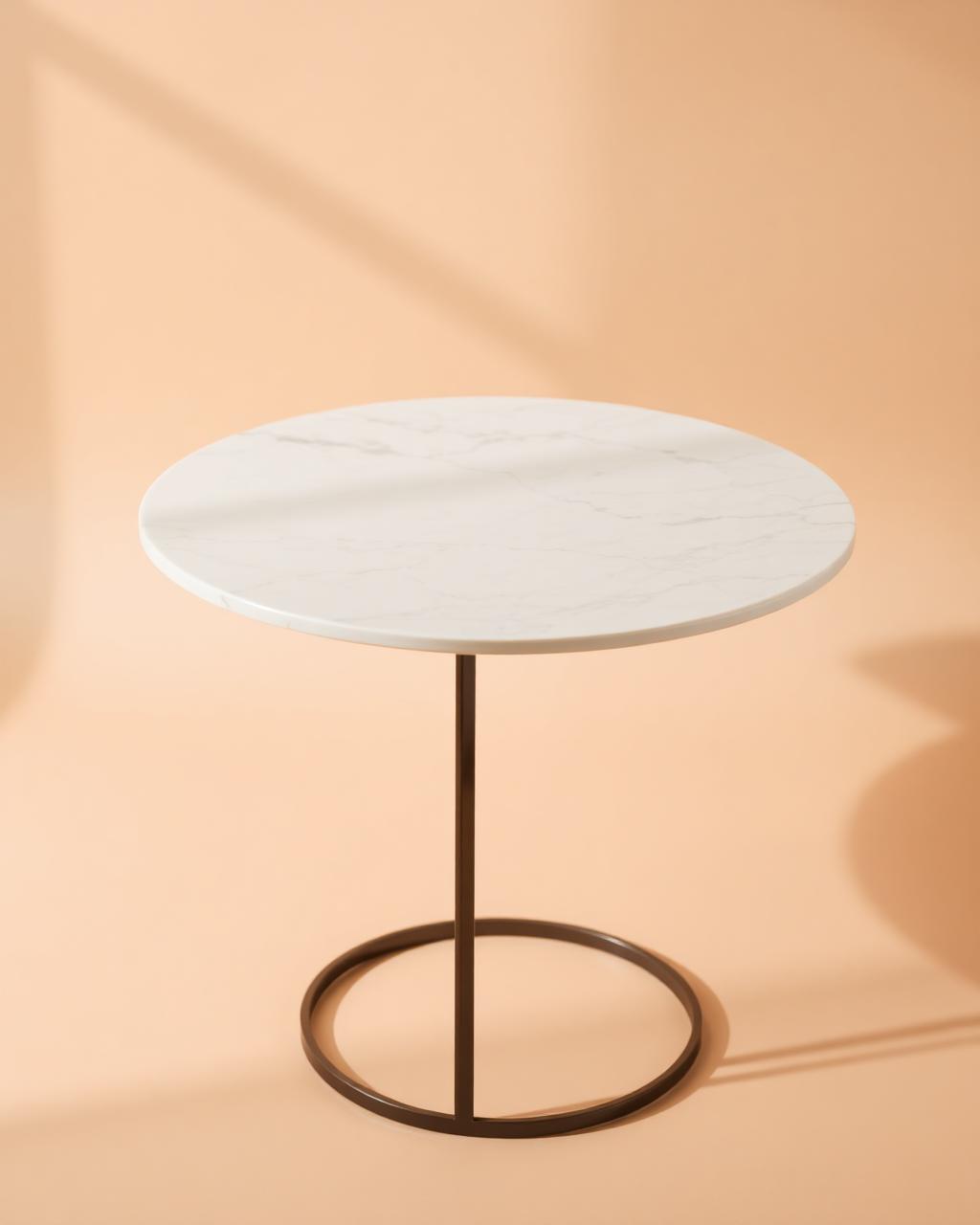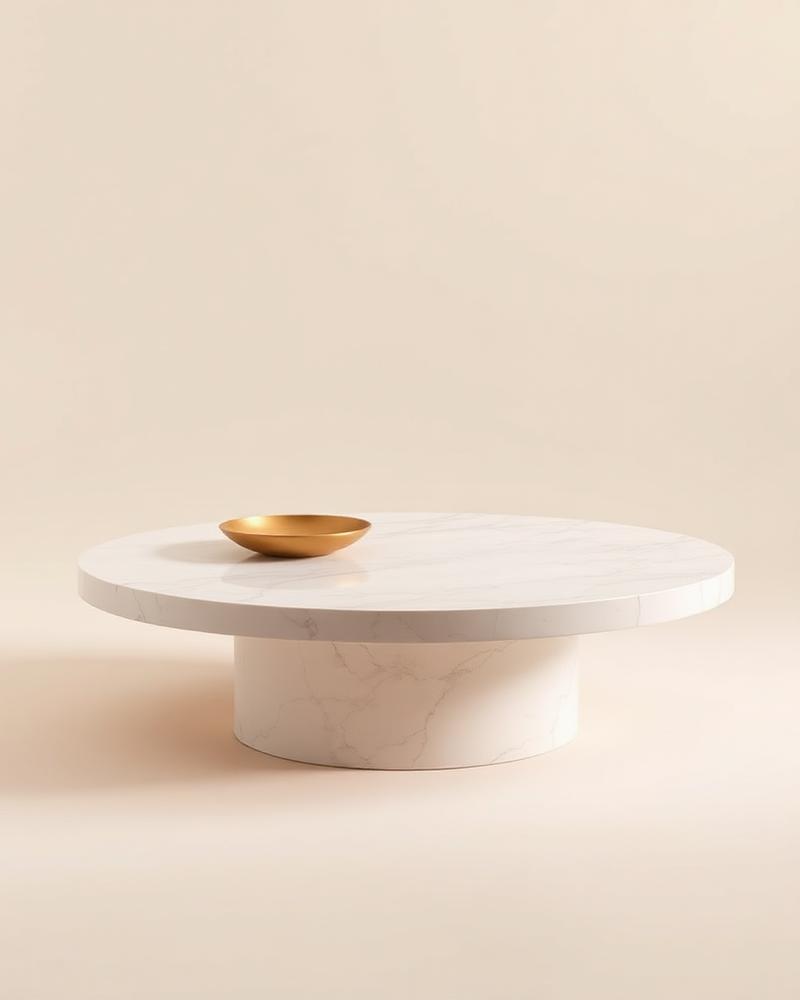
Carrara
Marble Coffee Table
$1,890
from $158/mo
Limited availability
Luxury Furniture
A focused edit of shelving & bookcases from the furniture collection — selected for proportion, material and finish.
No pieces currently match these filters. Try removing one filter to broaden the edit.
Pieces from the wider collection, shown separately from the edit above.
The role of shelving in a well-appointed home extends far beyond mere storage. When selected with care, shelving becomes an architectural element that defines proportion, draws the eye upward, and provides a canvas for the objects that tell your story. The relationship between wall, bracket, and horizontal plane deserves the same attention you bring to any fine piece of furniture.
The difference between shelving that elevates a room and shelving that simply fills it lies in material choice, scale, and an understanding of how negative space functions as actively as the objects displayed. A single walnut shelf, properly mounted and thoughtfully dressed, can anchor an entire wall composition. Multiple shelves require even greater restraint: the vertical intervals matter as much as what rests upon them.
Solid hardwoods remain the standard for shelving intended to bear weight and withstand scrutiny. Walnut offers a refined grain that darkens beautifully over time, while white oak provides a lighter, more textured surface that suits both traditional and contemporary settings. For spaces where visual lightness matters, consider shelving in honed marble or travertine, though these demand hidden bracket systems capable of supporting 18 to 24 inches of stone depth without visible strain.
Thickness communicates intent. A shelf measuring three-quarters of an inch reads as tentative, while those of 1.5 to 2 inches possess the substance to anchor a composition. In kitchens and pantries, where function predominates, depths of 12 to 14 inches accommodate most serving pieces and glassware. In living areas, shallower profiles of 8 to 10 inches prevent the shelf from dominating the wall while still supporting books, ceramics, and small sculptural objects.
The height at which you install shelving determines its character and utility. In living spaces, positioning the lowest shelf at 54 to 60 inches above the floor creates a natural sightline that invites interaction without competing with seating or console tables below. Kitchen shelving benefits from placement 18 to 20 inches above worktops, allowing clearance for preparation while keeping frequently used items within easy reach.
Vertical spacing between multiple shelves requires careful calculation:
The relationship between shelving and surrounding furniture establishes hierarchy within a room. A single long shelf above a side table can visually extend the table's presence, while shorter shelves flanking a window create balance without overwhelming the architecture.
The temptation to fill every available surface undermines the very quality that makes open shelving appealing. Begin with fewer objects than you think necessary, allowing each piece room to breathe. Group items in odd numbers, varying height and form while maintaining a coherent material or tonal palette. Leave portions of the shelf entirely bare.
Books provide both colour and texture, but resist the urge to organise them with spines flush to the edge. Stacking some volumes horizontally and setting others back from the shelf edge creates depth and shadow. Lean artwork or mirrors against the wall rather than hanging them, an approach that introduces a collected, unstudied quality. The objects you choose for display near your coffee tables and on your shelving should share a sensibility, creating continuity throughout the space.
Wood shelving benefits from the same attention you give fine furniture. Dust regularly with a soft cloth, moving objects rather than dusting around them. Once or twice yearly, apply a thin coat of furniture wax or oil appropriate to the wood species, working in the direction of the grain. This practice nourishes the wood and develops the patina that distinguishes a considered interior from a recently decorated one.
Stone shelving requires different care. Seal honed marble and limestone annually to prevent staining, and address spills immediately with a clean, damp cloth. Avoid acidic cleaners, which etch calcareous stone and dull its surface.
Before committing to any shelving installation, our room cost estimator can help you understand the broader context of your project and ensure that each element, from shelving to seating, receives appropriate investment. Thoughtful design requires seeing the room as a complete composition rather than a sum of individual purchases.