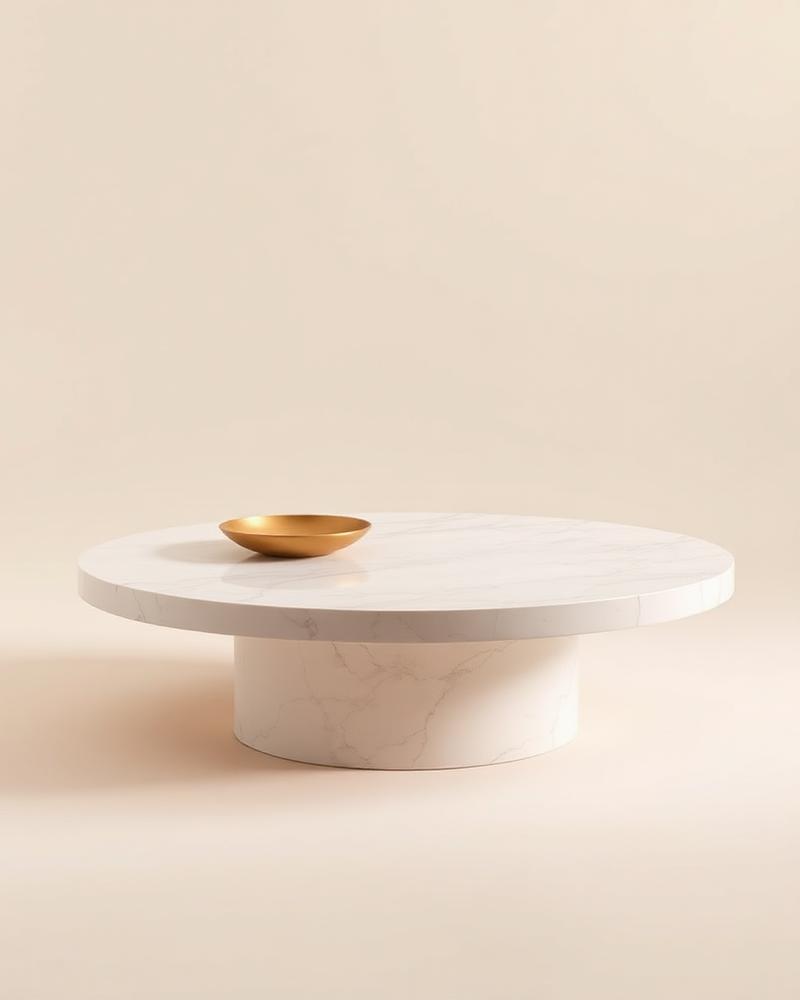
Carrara
Marble Coffee Table
$1,890
from $158/mo
Limited availability
Budget Tools
This room cost estimator turns furnishing budgets into concrete numbers. Furnishing a home remains one of the largest investments in domestic life, yet budget guidance is often either vague or aspirational. Understanding realistic costs across quality tiers—and knowing where to allocate limited resources—transforms an overwhelming process into a sequence of deliberate decisions. The figures that follow reflect 2025–2026 US market conditions for rooms furnished to completion, from foundational pieces through final accessories.
Estimated total
$9,950 – $13,450
Living Room · Elevated level
Ranges reflect US retail in 2026 and assume one anchor piece bought well rather than a whole room bought at once. Delivery, white-glove installation and window treatments sit outside this estimate.
Itemised estimate
Quick Answer
Furnishing a complete house in 2025–2026 ranges from $15,000 to $200,000+ depending on square footage, quality tier, and room count. A single room typically costs $3,000–$8,000 at mid-market, $8,000–$25,000 at premium, and $25,000+ at luxury. Investment priorities—upholstered seating, beds, dining tables—should claim 60–70% of any room budget, with lighting, textiles, and accessories filling the remainder.
Editorial guide
6 min read · Mont Rose Design Studio
01
A furnished living room measuring 250–350 square feet costs $4,500–$12,000 at mid-market quality, $12,000–$30,000 at premium, and $30,000–$75,000+ when specified with luxury materials and craft. This assumes a sofa, two chairs or a sectional, coffee and side tables, lighting, a rug sized to anchor the seating group, window treatments, and decorative objects. Bedrooms in the 180–220 square foot range run $3,000–$7,000 mid-market, $7,000–$18,000 premium, $18,000–$45,000+ luxury, covering bed frame, mattress, nightstands, dresser, lighting, linens, and rug.
Dining rooms require $2,500–$6,000 mid-market for table, six chairs, sideboard or console, lighting, and minimal styling; $6,000–$16,000 premium; $16,000–$40,000+ luxury. Home offices land between $2,000–$5,000 mid-market and $8,000–$20,000 luxury. Kitchens and bathrooms are excluded here—cabinetry, appliances, and fixed finishes belong to construction budgets rather than furnishing. These bands assume rooms brought to visual completion, not minimally habitable.
02
Upholstered seating, mattresses, and dining tables warrant the majority of expenditure in any room. A sofa used daily for a decade justifies $3,000–$8,000 at premium quality; anything structural and tactile—where frame joinery, cushion construction, and fabric durability directly affect longevity—deserves specification over appearance-only pieces. Beds, similarly, should command $2,000–$6,000 for frame and mattress combined at minimum premium tier. Solid-wood dining tables in the $2,500–$7,000 range will outlast their owners.
Accessories, fashion lighting, and non-upholstered accent pieces permit economy without regret. Vintage or mass-market table lamps, decorative bowls, throws, and books deliver visual warmth at modest cost; our own Under 500 offers proportionately scaled objects for exactly this purpose. Picture frames, trays, and smaller occasional tables also allow budget flexibility. The rule: spend on what you touch daily and what bears load; save on what you see.
Reserve 15–20% of total room budget for error margin, replacement of a wrong-scale piece, or an unforeseen custom workroom charge.
03
Sofas span $1,800–$4,000 mid-market, $4,000–$10,000 premium, $10,000–$25,000+ luxury; sectionals add 30–50% to those figures. Lounge chairs range $600–$1,500, $1,500–$4,000, and $4,000–$12,000 across tiers. Coffee tables cost $400–$1,000 mid, $1,000–$3,000 premium, $3,000–$8,000+ luxury, with material—solid walnut vs. veneered MDF—the chief differentiator. Side tables run roughly half coffee table budgets. For guidance on proportion and material, see How To Choose Perfect Coffee Table.
Beds in queen or king dimensions cost $800–$2,000 for frames mid-market, $2,000–$5,500 premium, $5,500–$15,000+ luxury; mattresses add $800–$1,500, $1,500–$3,500, or $3,500–$8,000. Nightstands and dressers each fall in the $400–$900, $900–$2,500, $2,500–$6,000 range. Dining tables seating six to eight cost $1,200–$2,500, $2,500–$6,000, $6,000–$18,000+; chairs $200–$400, $400–$1,000, $1,000–$2,500 each. Rugs for a 10×14-foot area: $600–$1,500, $1,500–$4,000, $4,000–$12,000+.
04
Furnishing a room over six to twelve months rather than thirty days reduces financial strain and permits iterative refinement, provided you sequence correctly. Begin with the largest pieces that define layout—sofa or bed, dining table, primary rug—since these anchor scale and style. Add seating and surfaces next: chairs, nightstands, coffee table. Defer lighting, art, textiles, and accessories to final phases; these respond to rather than dictate the room's architecture.
Phasing also allows you to live with pieces before committing to complements, revealing true needs versus assumed ones. A living room might begin with sofa, coffee table, and rug in month one; add lounge chairs and side tables in month three; introduce lamps, throws, mirrors, and objects in month six. Browse Living Room and Statement Pieces separately during early and late phases. Avoid purchasing all case goods from a single collection in one order—rooms furnished identically in one moment tend toward showroom stiffness rather than collected depth.
05
A 1,500-square-foot, two-bedroom home furnished entirely at mid-market averages $18,000–$28,000; the same home at premium quality reaches $45,000–$75,000; luxury specification climbs to $110,000–$200,000+. These figures include living room, dining area, two bedrooms, home office or flex space, but exclude art. The multiplication is not linear—luxury upholstery costs three to four times mid-market, while luxury accessories may cost only twice as much, compressing or expanding totals depending on category mix.
Quality tier affects replacement cycle as much as initial outlay. Mid-market upholstery typically warrants replacement in five to eight years; premium extends to twelve to eighteen; heirloom-grade luxury pieces remain serviceable for decades and may appreciate. Depreciation inverts at the luxury tier: a $6,000 mid-century lounge chair may sell secondhand for $5,000 after ten years, while a $2,000 mass-market chair recovers perhaps $200. Total cost of ownership, amortized, narrows the gulf between tiers considerably. For longterm furnishing, explore our full Furniture catalog across all price strata.
06
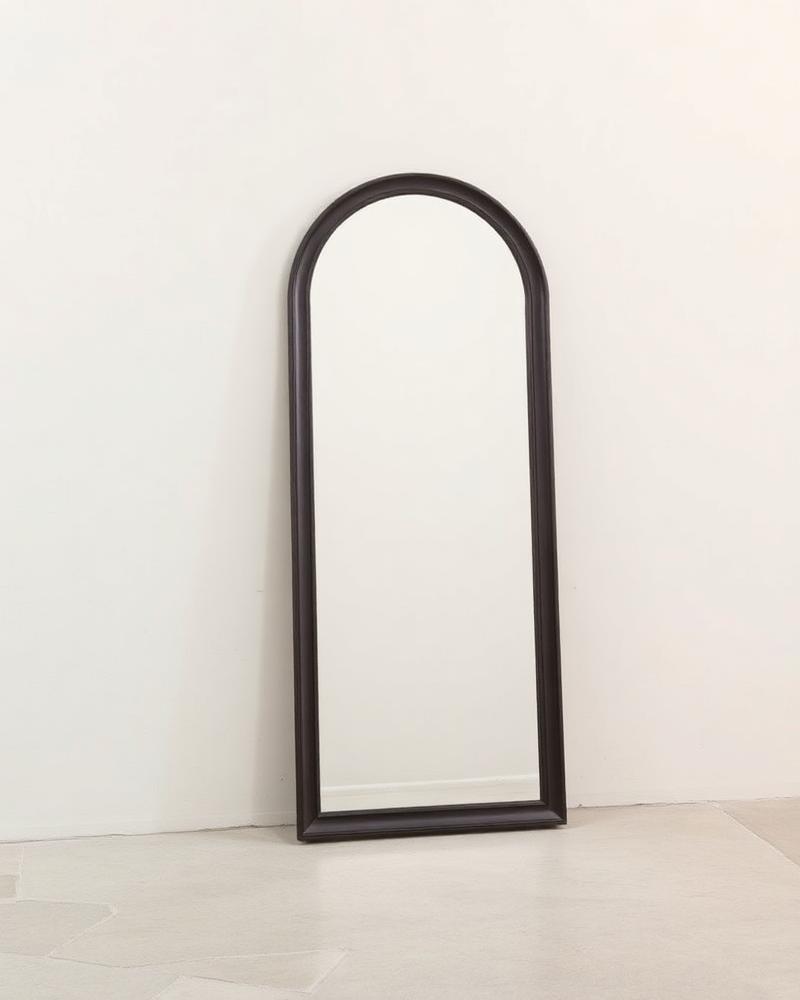
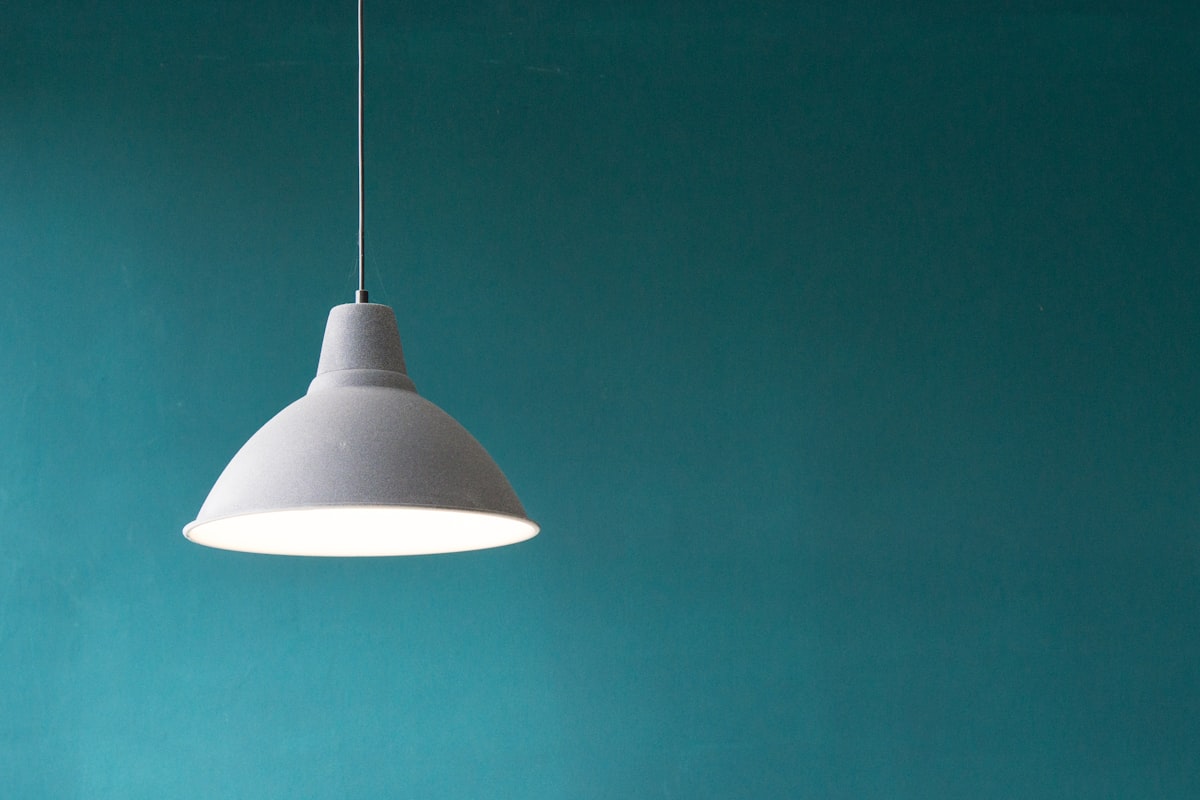
Mirrors and lighting occupy a peculiar position in furnishing budgets—neither foundational nor purely decorative, they alter spatial perception and utility in ways furniture cannot. Allocate 8–12% of total room budget to lighting, including one ambient source (chandelier, pendant, or ceiling fixture at $400–$3,000+) and two to four task or accent sources (table and floor lamps at $150–$1,200 each). Mirrors should claim another 5–8%, whether a single large piece over a console or mantel ($400–$4,000+) or a composed grouping. Placement mechanics matter as much as budget; consult Living Room Mirror Placement Rules for sightline and proportion protocols.
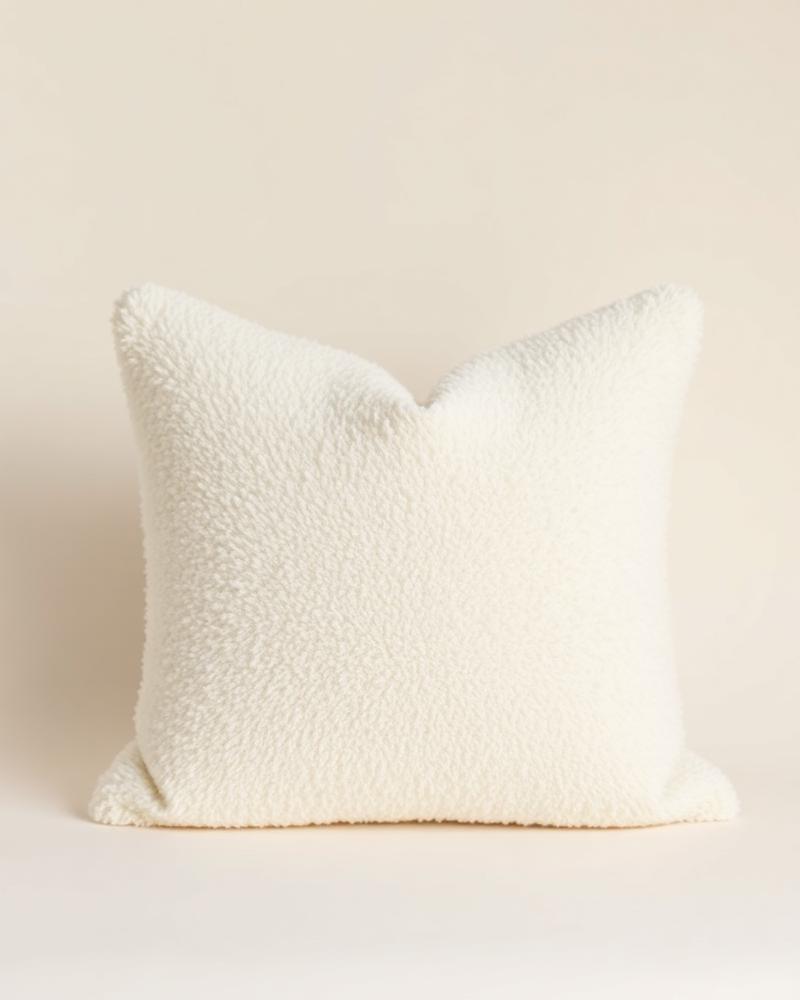
Textiles—curtains, throws, pillows—add 6–10% of room total and offer the highest visual return per dollar. Ready-made linen curtains for an 8-foot window run $200–$600; custom workroom treatments $800–$2,500. Pillows cost $40–$200 each; budget four to seven per sofa. Throws range $80–$400. These elements provide textural contrast and color flexibility without structural commitment, making them ideal candidates for seasonal refresh or phased completion. They also disguise budget compromises elsewhere—a $2,000 sofa dressed with $600 in thoughtfully chosen textiles often reads as well as a $4,000 piece sparely styled.
Furnishing a living room to completion costs $4,500–$12,000 at mid-market quality, $12,000–$30,000 at premium, and $30,000–$75,000+ at luxury tier in 2025–2026. This includes sofa or sectional, seating, coffee and side tables, rug, lighting, window treatments, and accessories. Investment in upholstered pieces and rug should represent 60–70% of total spend, with lighting and finishing layers completing the balance.
Budget $3,000–$8,000 per room at mid-market, $8,000–$25,000 at premium, and $25,000+ at luxury for complete furnishing. Bedrooms and living rooms typically anchor the higher end of ranges due to upholstery and bedding costs; dining rooms and offices may land lower. Allocate 60–70% to foundational pieces, 20–25% to lighting and textiles, 10–15% to accessories, and retain 5% contingency for adjustments.
Spend most on upholstered seating, beds, and dining tables—pieces bearing structural load and daily physical contact. A quality sofa justifies $3,000–$8,000+, a bed frame and mattress $2,000–$6,000+, a dining table $2,500–$7,000+. These items determine longevity and comfort; their frames, joinery, and materials directly affect lifespan. Defer budget on decorative accessories, fashion lighting, and non-upholstered accent pieces, where cost and durability correlate weakly.
Furnishing all at once rarely saves money and often costs more due to hasty decisions and missed sales cycles. Phasing over six to twelve months allows you to identify true needs, wait for inventory or seasonal pricing, and avoid costly replacements of wrong-scale pieces. Begin with anchor furniture, add surfaces and seating mid-phase, finish with lighting and accessories. Lived experience between phases improves compositional decisions and reduces regret purchases.
Furnishing a 1,500-square-foot, two-bedroom house costs $18,000–$28,000 at mid-market, $45,000–$75,000 at premium, and $110,000–$200,000+ at luxury tier, excluding art. A 2,500-square-foot, three-bedroom home scales to $28,000–$45,000 mid-market, $70,000–$120,000 premium, $175,000–$350,000+ luxury. Costs multiply non-linearly across tiers; luxury upholstery costs three to four times mid-market, while accessories roughly double, compressing or expanding totals by category emphasis.
Keep reading