Caldera
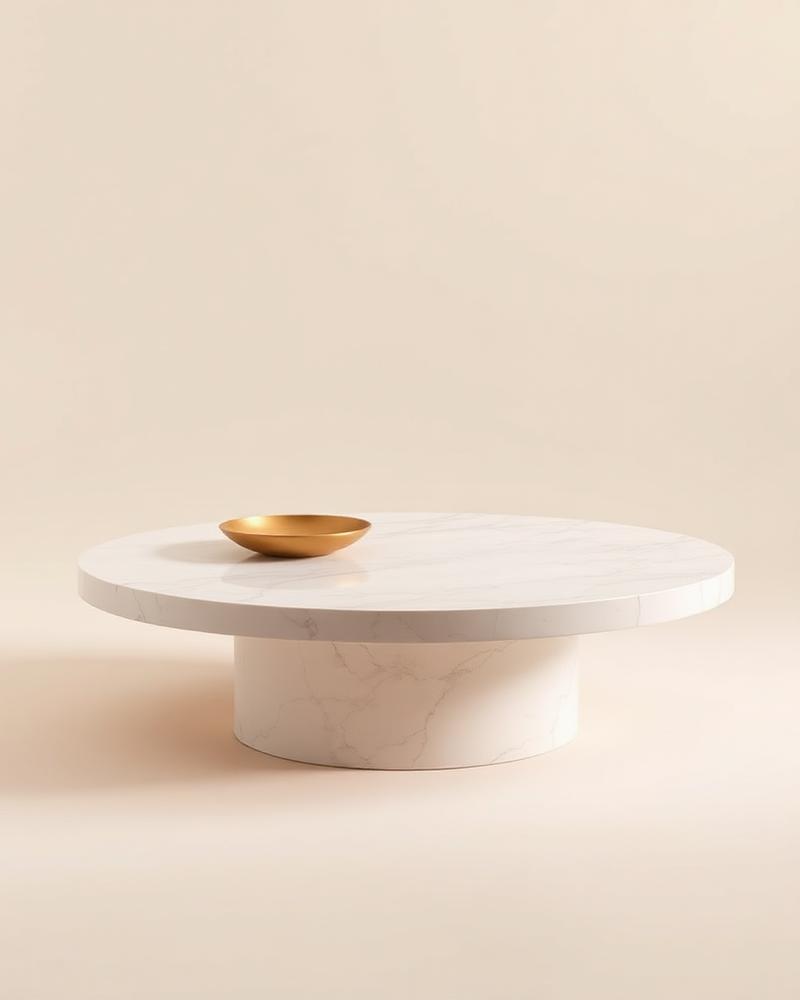
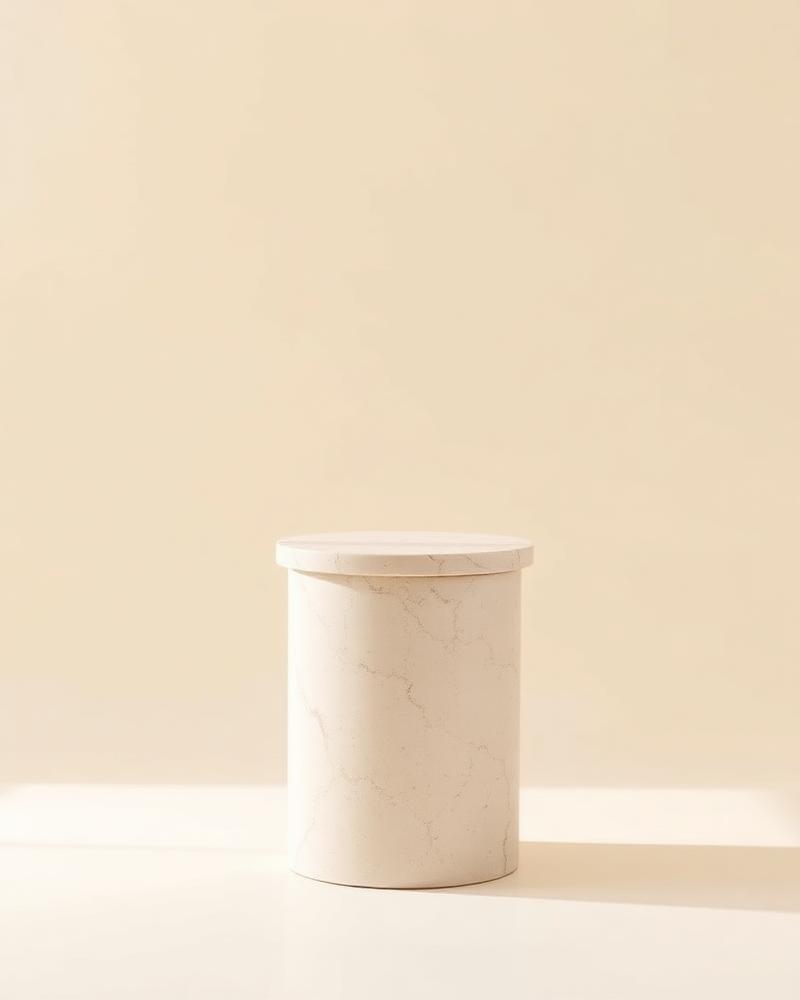
Travertine Side Table
$590
from $49/mo
Luxury Furniture
A focused edit of side tables & nightstands from the furniture collection — selected for proportion, material and finish.
Pieces from the wider collection, shown separately from the edit above.
A well-chosen side table occupies that curious space between utility and ornament, serving as both surface and statement in rooms where every element must justify its presence. In considering side tables for your home, you begin not with style but with proportion—the relationship between furniture height, room scale, and the objects these pieces will support.
The best examples function as quiet anchors, their presence felt through usefulness rather than visual insistence. Whether flanking a sofa, positioned beside an armchair, or serving as a bedside companion, these pieces belong to that category of furniture that earns its place through daily service rather than occasional admiration.
Height determines success. A side table should align within two inches of your sofa arm or seat cushion height, typically landing between 22 and 30 inches from the floor. This ensures you can set down a glass or reach for a book without the small ergonomic disruptions that accumulate into irritation over time. Surface dimensions follow a similar logic: 18 to 24 inches provides sufficient area for a table lamp, a small stack of books, and a drink, without the visual bulk that makes a piece feel like a coffee table compressed to the wrong scale.
In bedrooms, different considerations apply. Our guide to bedroom side table ideas explores the specific requirements of these more intimate spaces, where reach from a reclining position and soft-edged profiles matter considerably more than in public rooms.
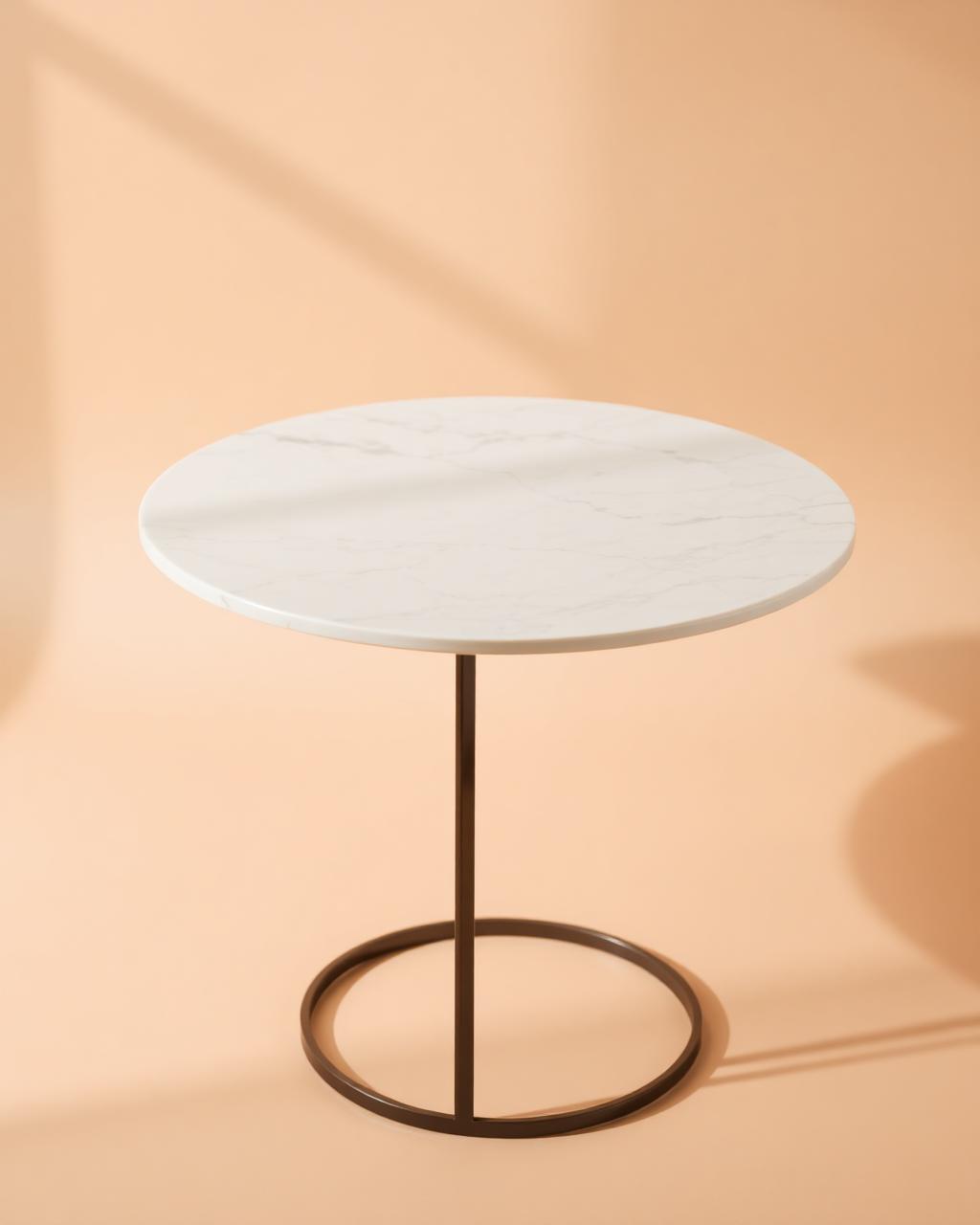
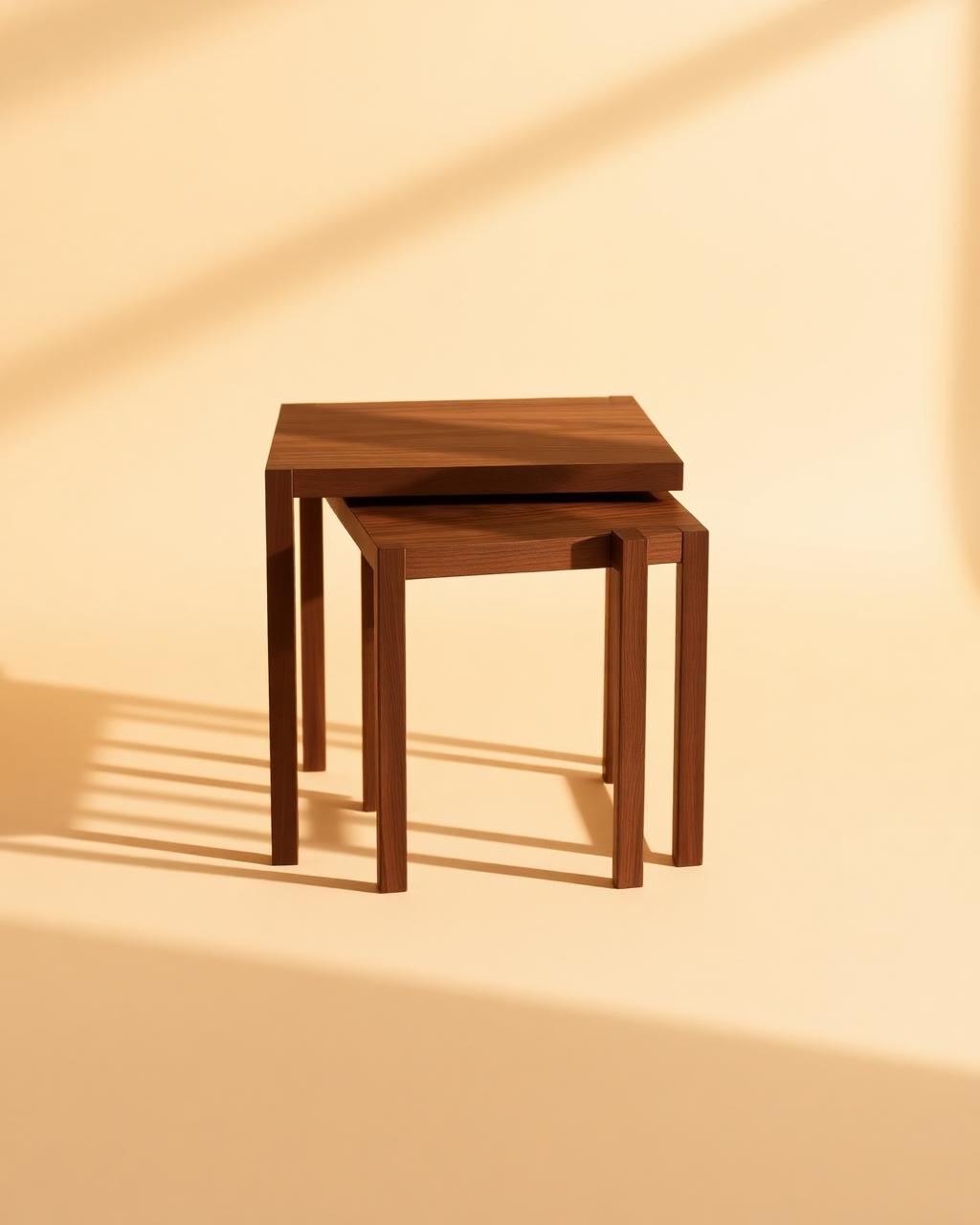
Solid walnut and oak remain standards for good reason—their density provides stability, their grain improves with age, and their weight suggests the permanence these pieces often achieve in a room's arrangement. Marble and travertine tops introduce coolness and pattern, though they require coasters and immediate attention to spills, as both materials remain porous despite sealing.
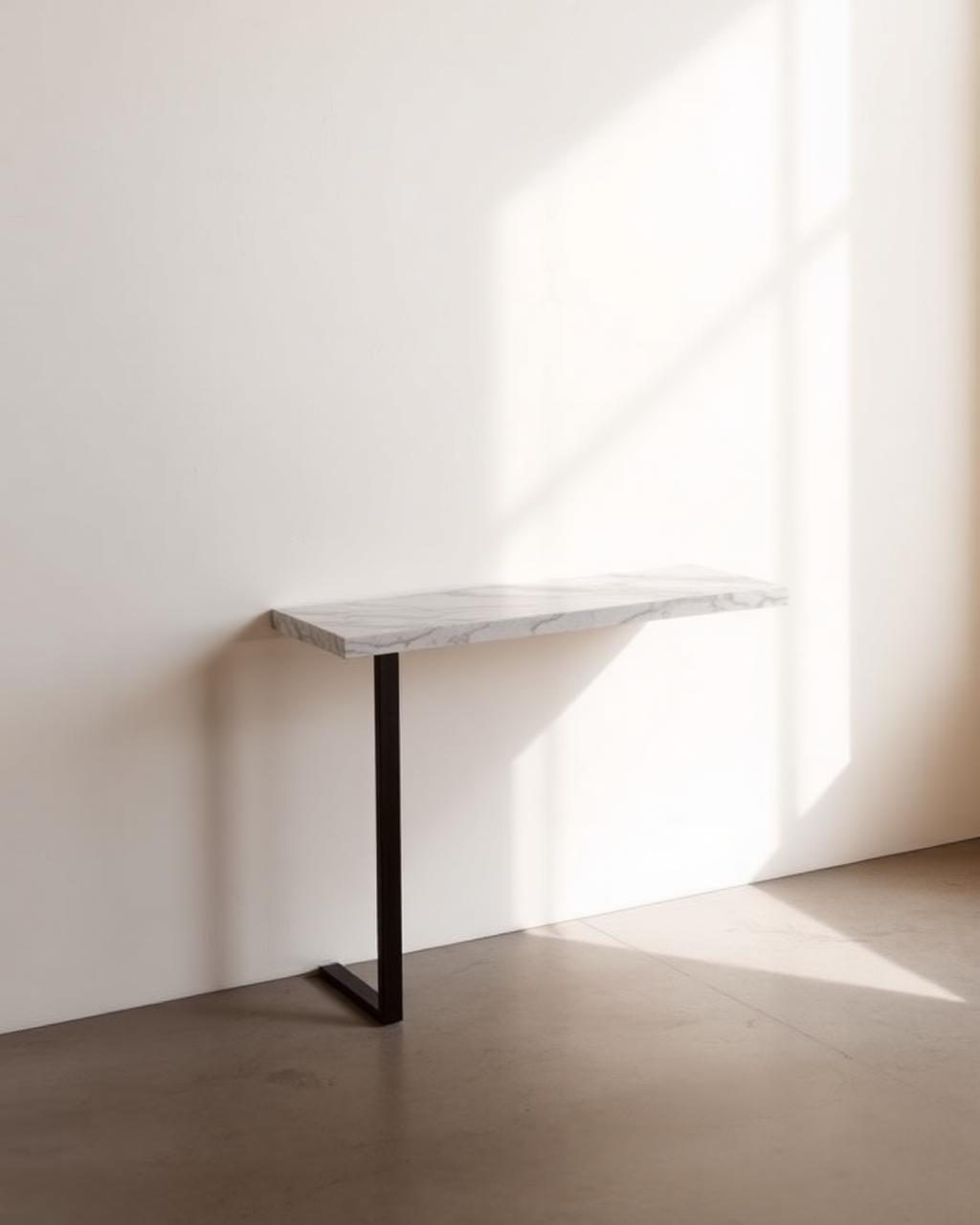
Metal frames with stone or wood tops offer particular merit in living room side tables, where their profile remains unobtrusive even in smaller spaces.
Round tops soften circulation in rooms where traffic passes closely, whilst rectangular forms align more naturally with sofa arms and chair backs. The question of end table vs side table terminology matters less than understanding that these pieces should never overwhelm their neighbours—a delicate bergère calls for a refined table with slender legs, whilst a deep club chair tolerates more substantial forms.
Single-drawer models serve well in practice, providing concealed storage for reading glasses, television remotes, and the various small items that otherwise colonise horizontal surfaces. Open lower shelves add display area but require curation; empty shelves suggest an unfurnished room, whilst cluttered ones broadcast chaos.
The arrangement atop these surfaces deserves the same attention as the piece itself. Our collection of side table decor ideas demonstrates how a well-edited vignette—perhaps a small lamp, a single decorative object, and one book—creates visual interest without disorder. Table lamps should observe the room's overall lighting plan rather than existing in isolation; their height when lit should cast light at a useful level for reading without glare.
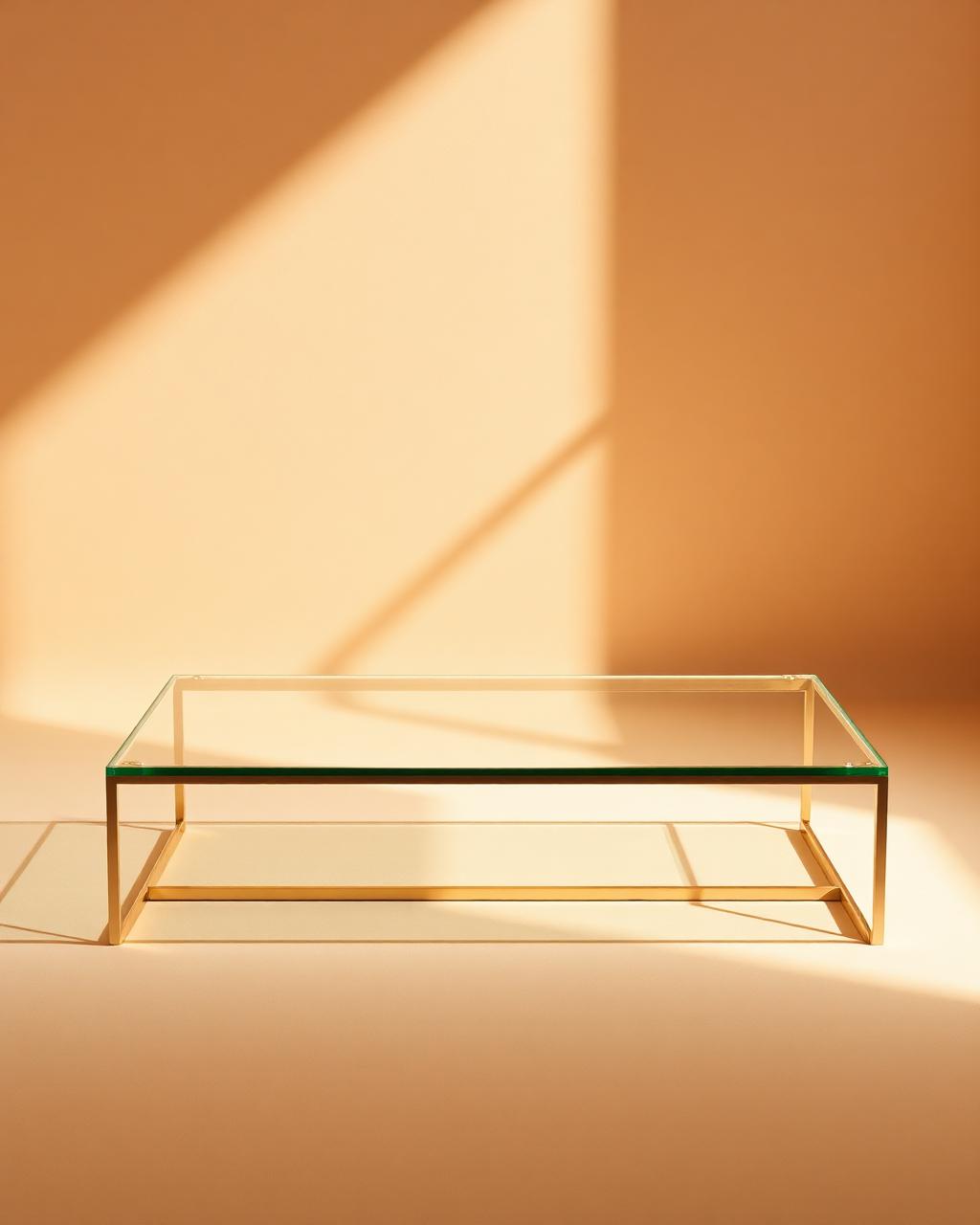
Consider how these pieces relate to other horizontal surfaces in the room. Console tables and dining tables operate at different heights and serve different purposes, but all benefit from a consistent material vocabulary. A room containing walnut, marble, brass, and painted finishes in various pieces achieves coherence; one mixing oak, glass, chrome, and lacquer in equal measure rarely does.
The most successful side tables are those you stop noticing as objects and simply use—pieces that have become part of the room's architecture rather than its decoration. This quiet integration develops over time, but it begins with selecting forms that privilege proportion over novelty, materials that age gracefully, and dimensions that serve your actual requirements. The round coffee tables in our collection demonstrate similar principles at a different scale, should you be composing a complete seating arrangement.
In the end, these are pieces that should last decades, not seasons. Choose accordingly.