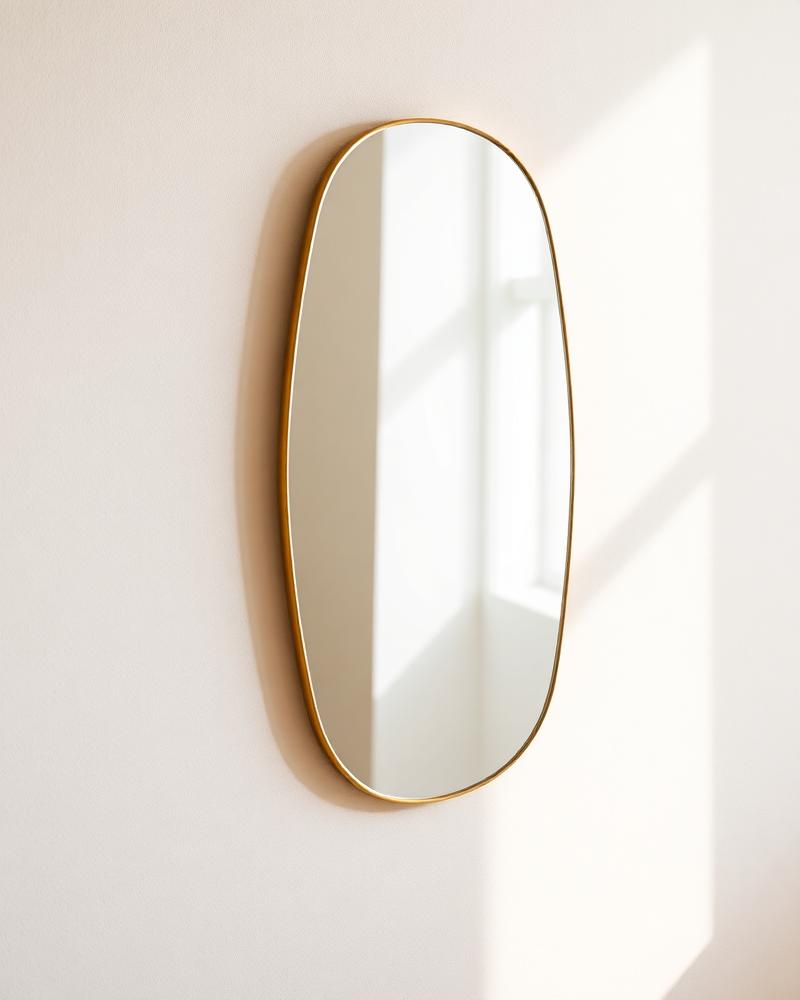
Ondine
Sculptural Wall Mirror
$750
from $63/mo
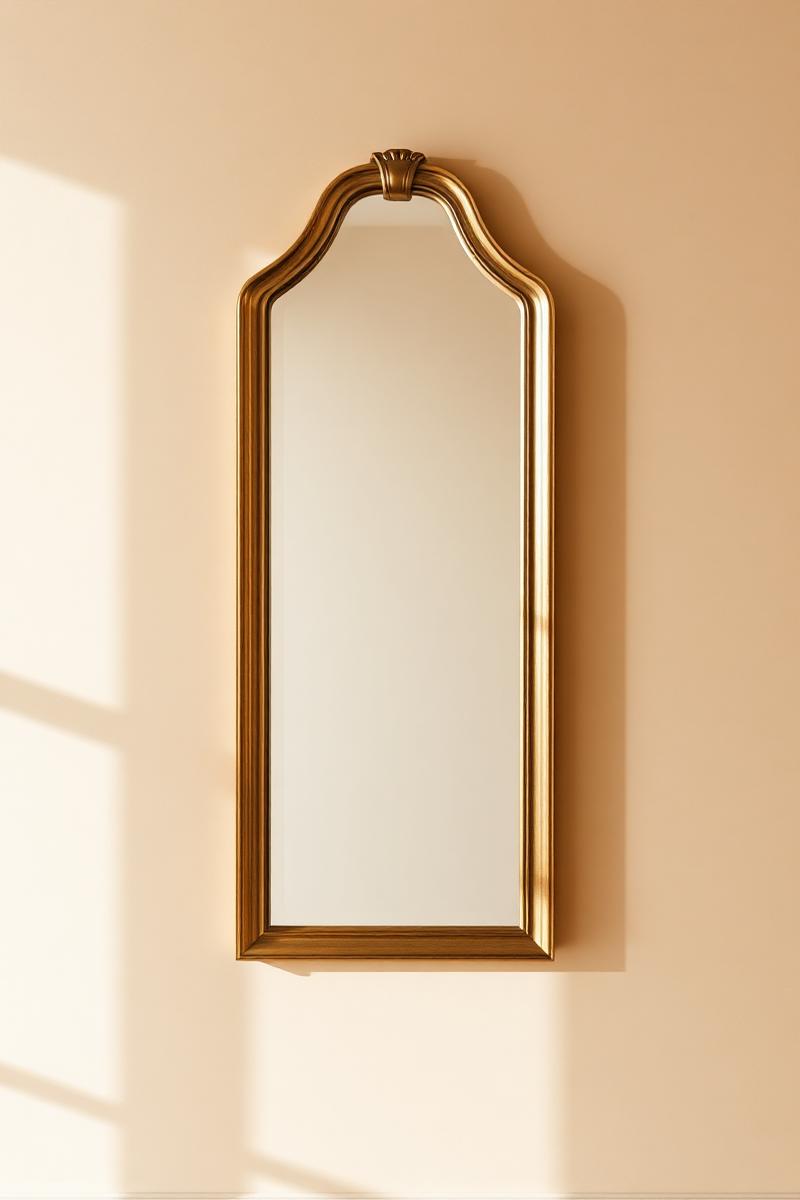
Mirrors
A focused edit of wall mirrors from the mirrors collection — selected for proportion, material and finish.
Pieces from the wider collection, shown separately from the edit above.
A well-chosen collection of wall mirrors transforms how we experience domestic space, altering proportion, amplifying natural light, and establishing visual rhythm across a room. Whether flanking a fireplace, anchoring a hallway, or providing a focal point above a console, these pieces function as both practical necessity and sculptural intervention.
The question is rarely whether a room needs a mirror, but rather which form, scale, and placement will serve the architecture best. A thoughtful approach considers sightlines, existing furniture heights, and the quality of light at different times of day. Our mirrors are selected for frames that merit close inspection and glass that renders reflections with clarity and warmth.
Scale remains the most common miscalculation in mirror placement. For a console or sideboard, the mirror width should measure between two-thirds and three-quarters of the furniture width below. Above a sofa, different principles apply, and our guidance on wall mirror above sofa ideas addresses the specific considerations of that arrangement. A mirror hung too small reads as uncertain; too large, and it overwhelms the architectural envelope.
Height placement follows equally specific conventions. The centre of a wall mirror typically sits between 57 and 60 inches from the floor, aligning with average sightlines in a standing position. In dining rooms or spaces where guests are predominantly seated, this drops to 54 inches. Our mirror size calculator provides precise recommendations based on your wall dimensions and furniture configuration.
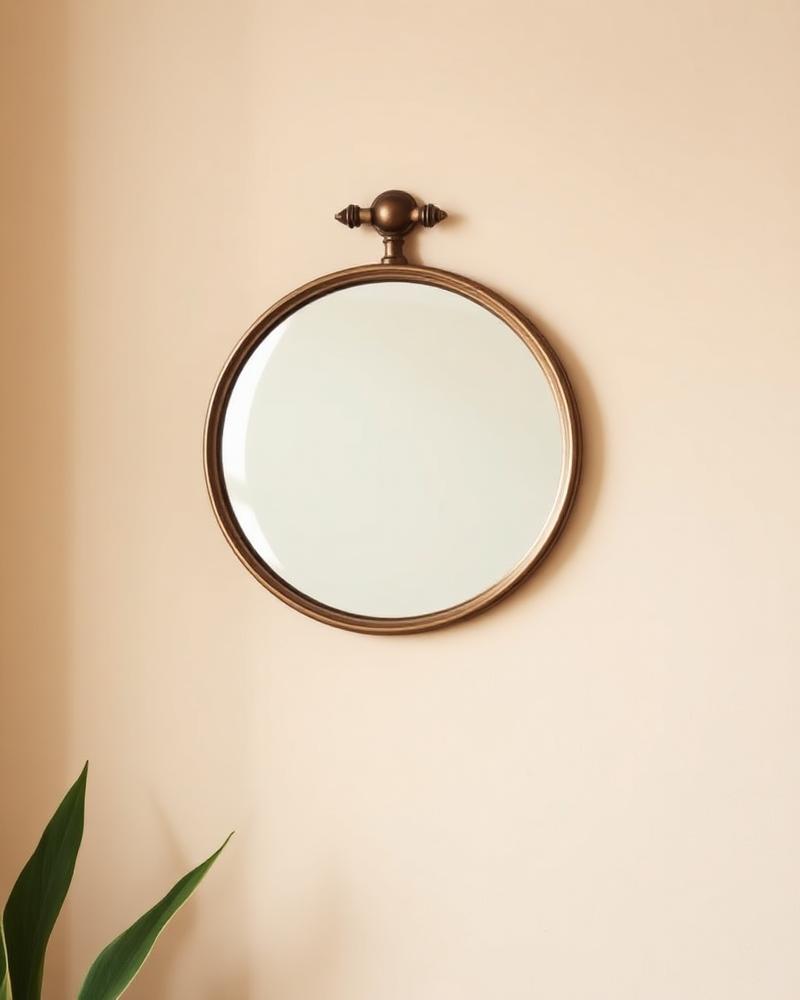
The frame material influences not only aesthetic but longevity. Solid hardwood frames in oak, walnut, or mahogany accept Denmark oil or wax finishes that can be refreshed as needed. Brass and bronze frames, whether polished or antiqued, acquire character through years of exposure. Our gold mirrors collection demonstrates the range possible within a single metallic palette, from bright contemporary polish to deep antique warmth.
In entrance halls, a wall mirror serves the practical function of a final check before departure whilst also expanding what is often a compressed space. Vertical orientation suits narrow hallways; horizontal formats work where width permits. Floor mirrors offer an alternative in entries with adequate floor space, though wall-mounted options preserve usable area.
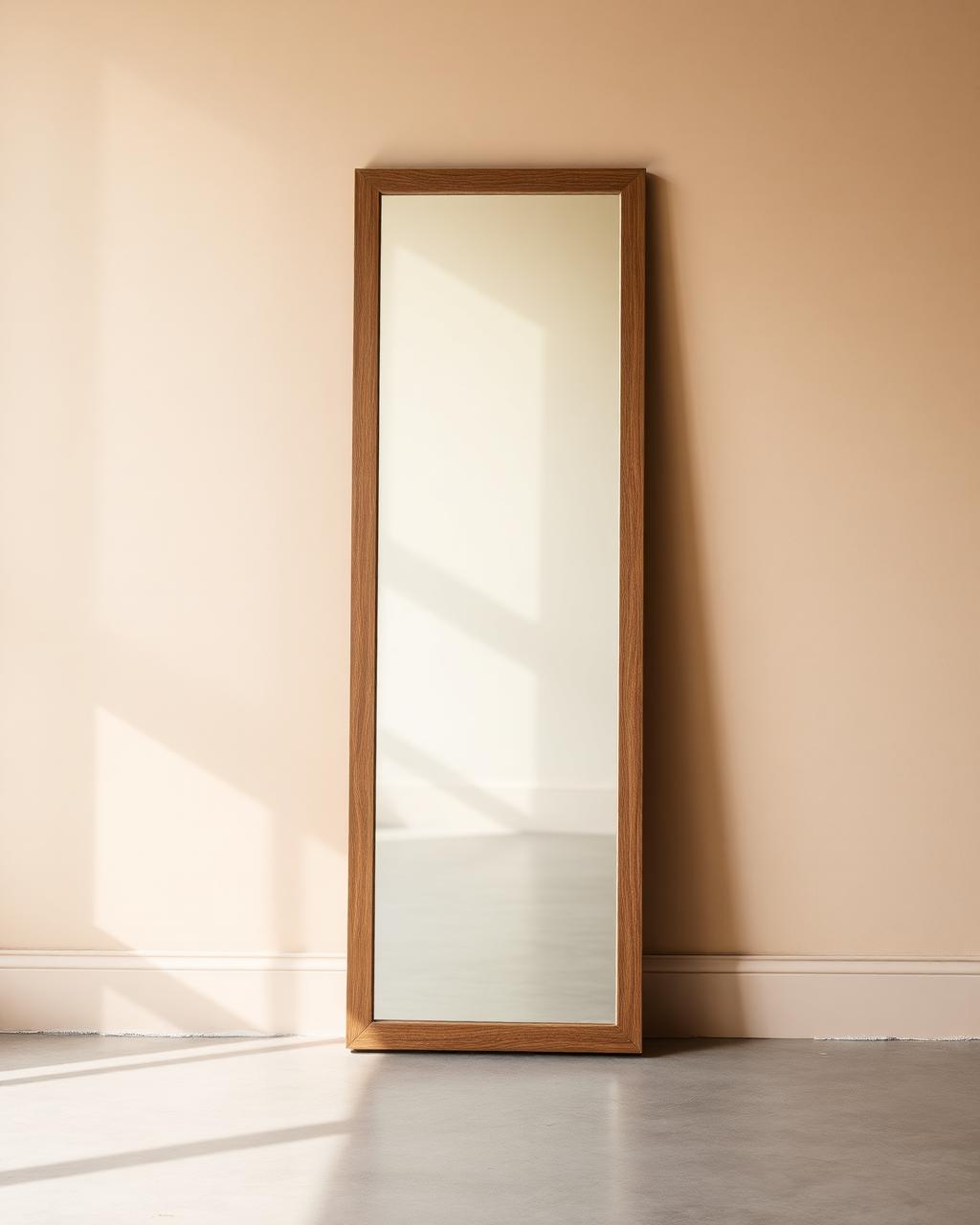
Bedrooms benefit from full-length configurations, whether wall-mounted or leaning. Positioning opposite a window maximises morning light but can create glare; perpendicular placement often proves more comfortable. In bathrooms, frame materials must withstand humidity—sealed wood, metal, or specialist moisture-resistant treatments prevent warping and finish degradation. Further perspectives on contemporary applications appear in our piece on modern wall mirror ideas.
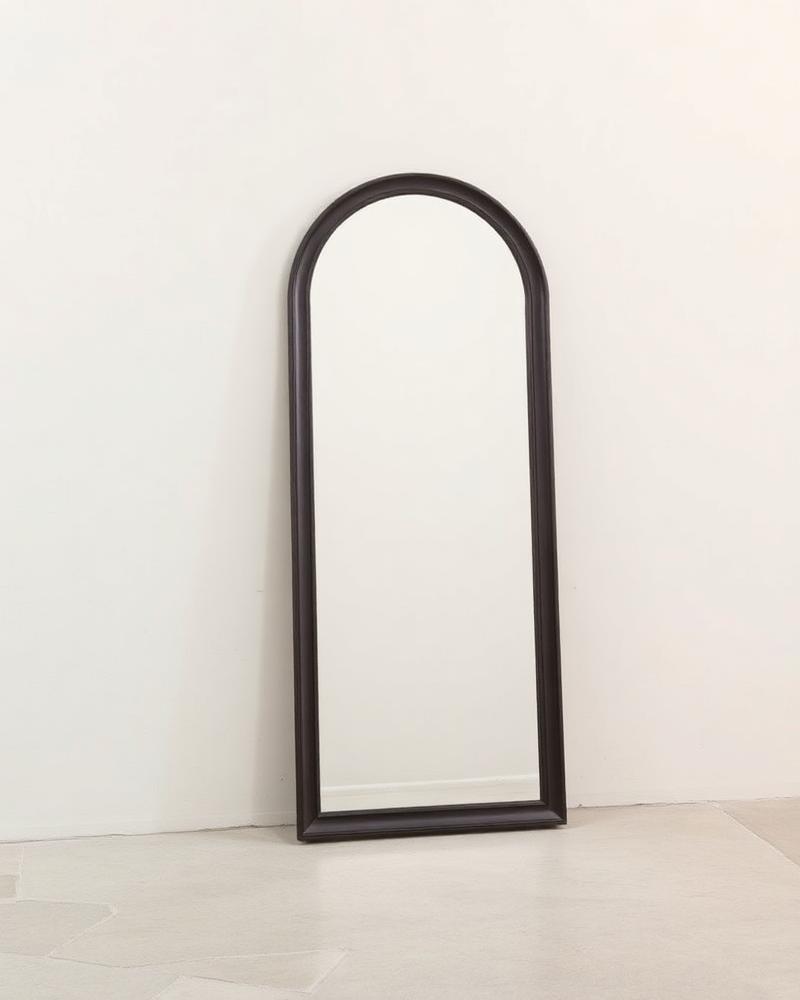
Architectural shapes bring geometry into conversation with surrounding furnishings. Our arch mirrors reference Romanesque and Moorish precedents, softening rectilinear rooms and complementing arched doorways or windows. Rectangular formats in landscape orientation elongate walls; portrait configurations emphasise ceiling height. Circular and oval mirrors provide counterpoint to angular furniture and built-ins.
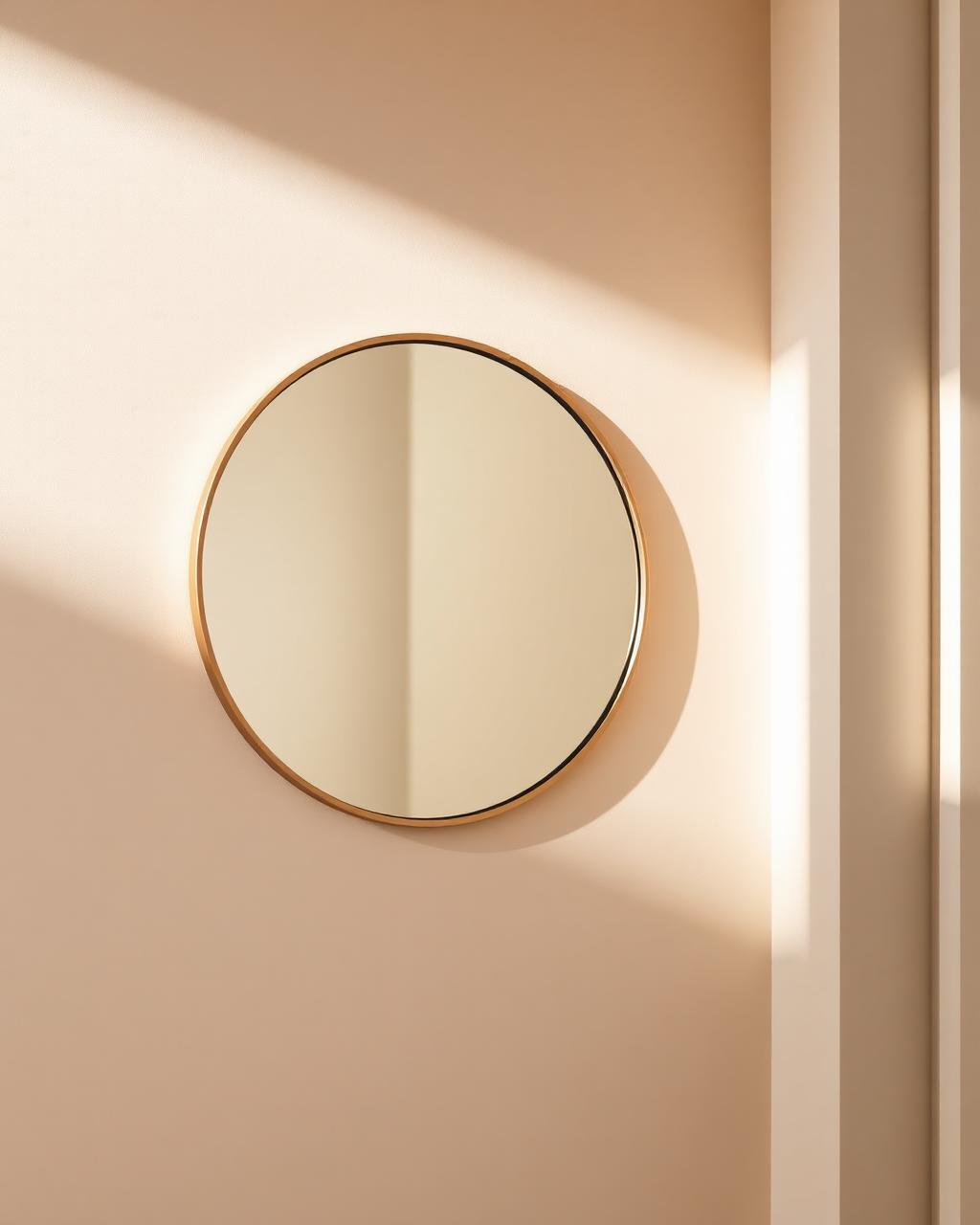
Decorative mirrors occupy a distinct category where frame design becomes sculptural. Sunburst patterns from the 1950s, ornate rococo gilding, or minimal contemporary brass—each vocabulary signals a different sensibility. The frame should converse with existing metalwork, whether that means door furniture, lighting fixtures, or curtain poles. Consistent metal finishes across these details create coherence without requiring matched sets.
Glass cleaning requires only distilled water and a microfibre cloth for regular maintenance. Commercial glass cleaners often leave residue; a 50-50 solution of white vinegar and distilled water proves more effective for removing buildup. Frames require care appropriate to their material—paste wax for wood, brass polish for unlacquered metal, and dry dusting for gilded surfaces where moisture can damage the substrate.
Our article on large wall mirror placement addresses installation methods for substantial pieces, including appropriate fixings for different wall constructions. Mirrors exceeding 30 inches in any dimension require two-point hanging from wall anchors rated to four times the mirror weight. Professional installation ensures both security and correct levelling, particularly for pieces in high-traffic areas or homes with seismic considerations.