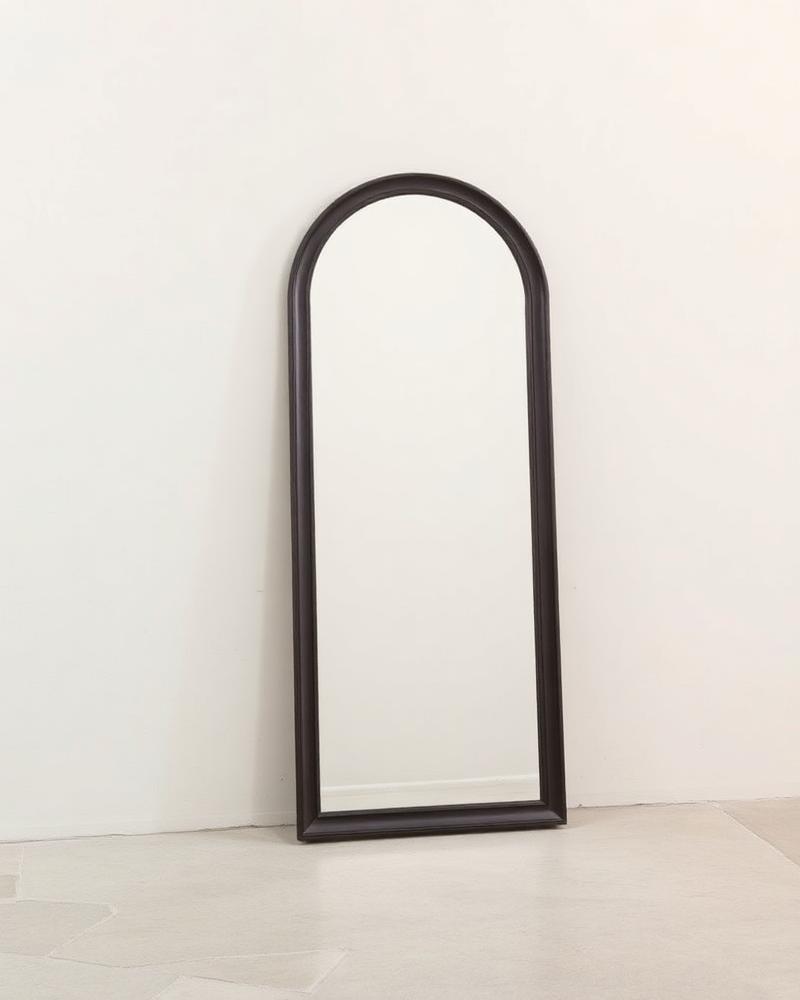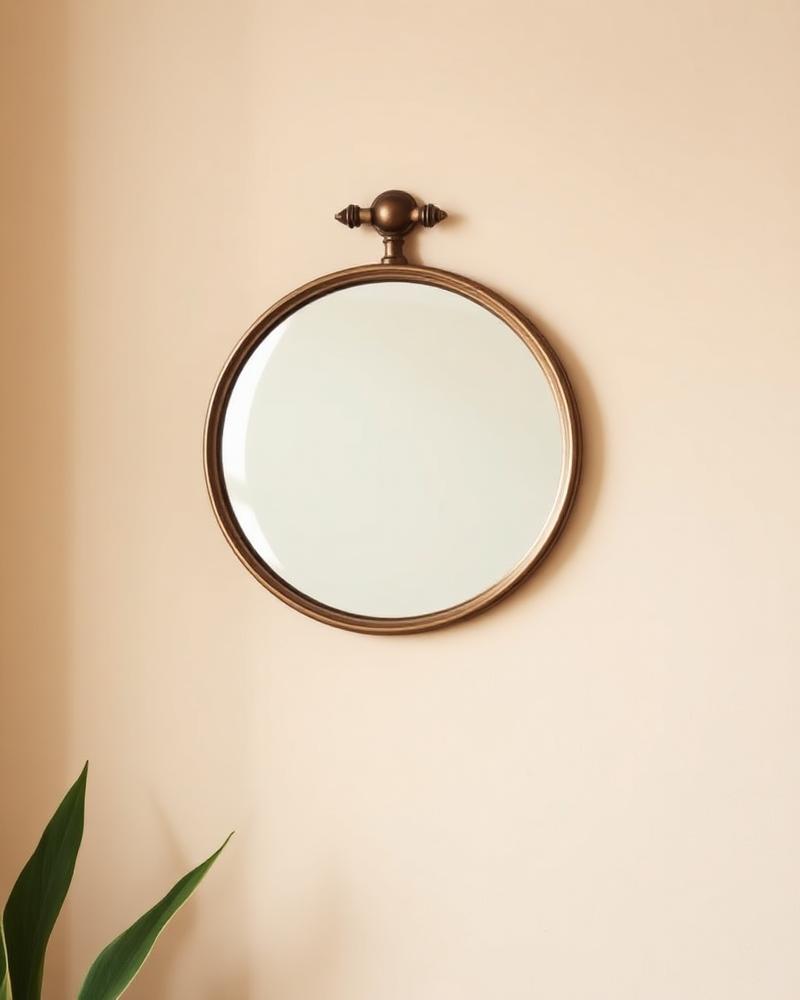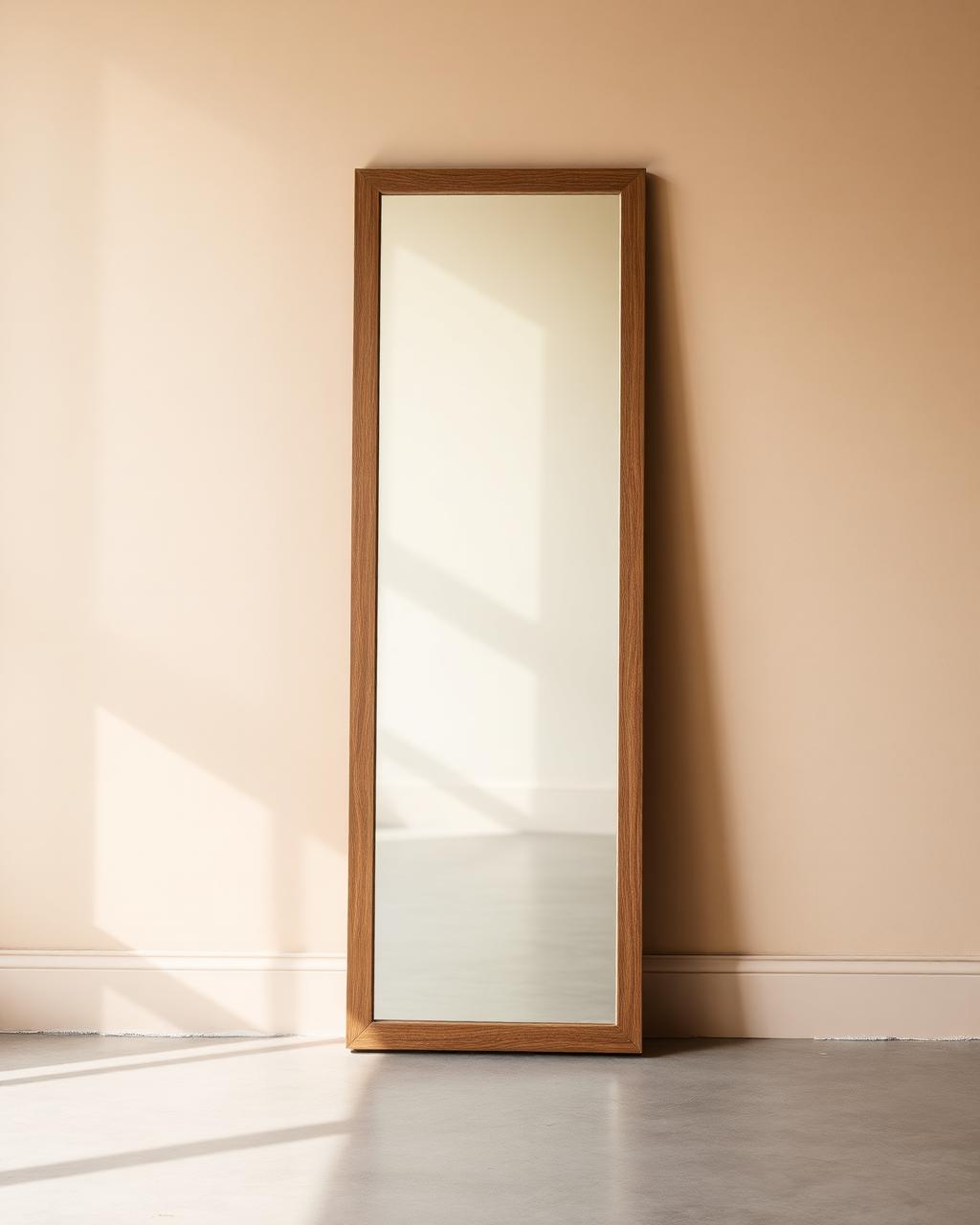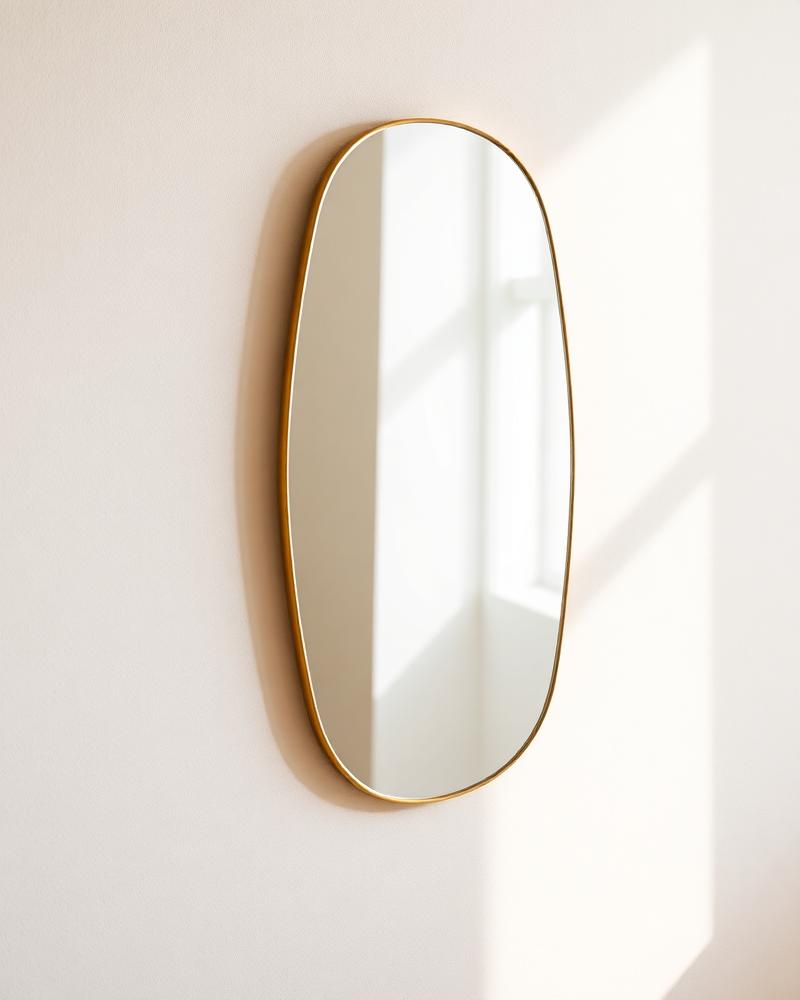
Ondine
Sculptural Wall Mirror
$750
from $63/mo
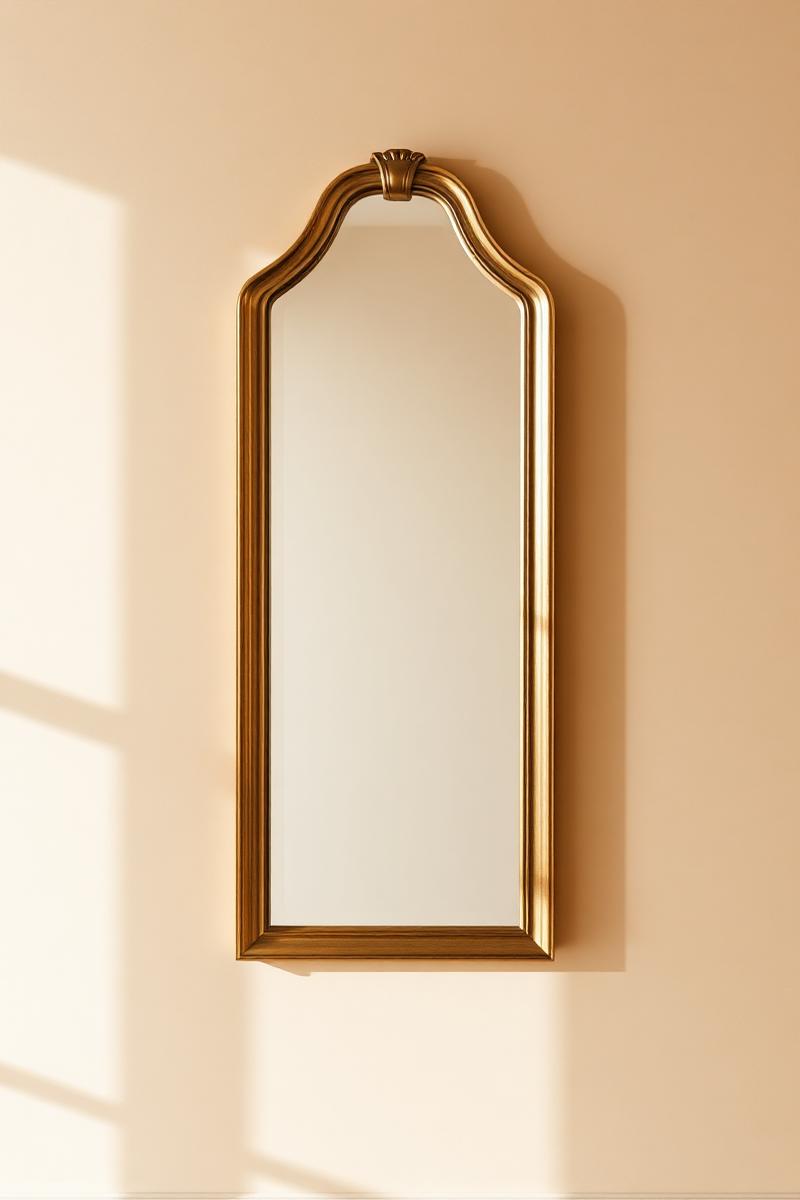
Mirrors
A focused edit of floor mirrors from the mirrors collection — selected for proportion, material and finish.
No pieces currently match these filters. Try removing one filter to broaden the edit.
Pieces from the wider collection, shown separately from the edit above.
Floor mirrors represent one of the most versatile elements in residential design, combining architectural scale with practical function. Whether leaning against a wall or mounted at floor level, these substantial pieces transform spatial perception while serving the daily rituals of dressing and grooming.
The distinction between a floor mirror and other mirror formats lies primarily in proportion and placement. Typically standing between 65 and 84 inches tall, these larger forms create vertical emphasis that draws the eye upward, making them particularly effective in rooms with standard ceiling heights of 96 to 108 inches. Unlike wall mirrors that require permanent installation, floor-based designs offer flexibility for seasonal rearrangement or relocation between rooms.
Selecting appropriate dimensions requires understanding the relationship between mirror size and room volume. A general principle suggests that the mirror height should measure at least two-thirds the height of the adjacent furniture piece, though full-length viewing requires a minimum of 48 inches of reflective surface for most adults. Width varies considerably depending on frame style, from slender 24-inch profiles suited to narrow hallways to substantial 48-inch pieces that anchor a bedroom or dressing area.
Our mirror size calculator provides specific guidance based on room dimensions and intended use. For spaces where multiple people share morning routines, consider widths of 36 inches or greater. Depth of frame also merits attention: ornate decorative frames may project 4 to 6 inches from the wall, requiring adequate floor clearance.
Positioning determines both functionality and visual impact. The most common arrangement places the mirror against a wall at a slight recline, typically 2 to 5 degrees from vertical, which both stabilises the piece and adjusts the viewing angle favourably. This lean should be subtle—excessive angles distort reflection and suggest impermanence.
Those seeking specific guidance will find our articles on oversized floor mirror placement and hallway mirror ideas particularly useful. In entrance halls, positioning 12 to 18 inches from the door allows for final adjustments before departing whilst maintaining safe door clearance.
Frame construction significantly influences both aesthetic and durability. Solid hardwood frames—oak, walnut, or mahogany—offer longevity and can be refinished over decades. Metal frames in brass, bronze, or steel provide slender profiles that suit contemporary interiors, whilst their inherent strength allows for larger glass dimensions without visual bulk.
Arch mirrors introduce classical proportions through their curved tops, a form that softens angular rooms and complements period architecture. Gold mirrors in various finishes—from warm antique gilt to cool champagne tones—add luminosity, particularly effective in north-facing rooms with limited natural light. Frame width typically ranges from 2 to 8 inches, with narrower profiles emphasising the reflection and broader frames making stronger decorative statements.
Glass quality determines clarity of reflection. Look for 4mm to 6mm thickness in premium pieces, with distortion-free float glass and proper silvering that resists degradation. Regular maintenance requires only a soft cloth and appropriate glass cleaner, applied to the cloth rather than directly to the surface to prevent seepage behind the glass.
Wood frames benefit from occasional treatment with appropriate wax or oil, whilst metal frames require only dusting. Examine backing materials: sealed MDF or solid wood prevents moisture ingress better than exposed cardboard. Our floor mirror buying guide addresses these technical considerations in greater detail.
Successful integration considers the mirror as both object and aperture. In dressing rooms, position 18 to 24 inches from wardrobes to allow comfortable viewing distance. In living areas, use mirrors to extend sightlines and create implied symmetry. The frame finish should relate to existing metal tones—mixing warm and cool metals requires careful orchestration to avoid discord.
Floor mirrors ultimately succeed when they balance presence with subtlety, commanding attention through scale and craftsmanship whilst serving their practical purpose with quiet efficiency.