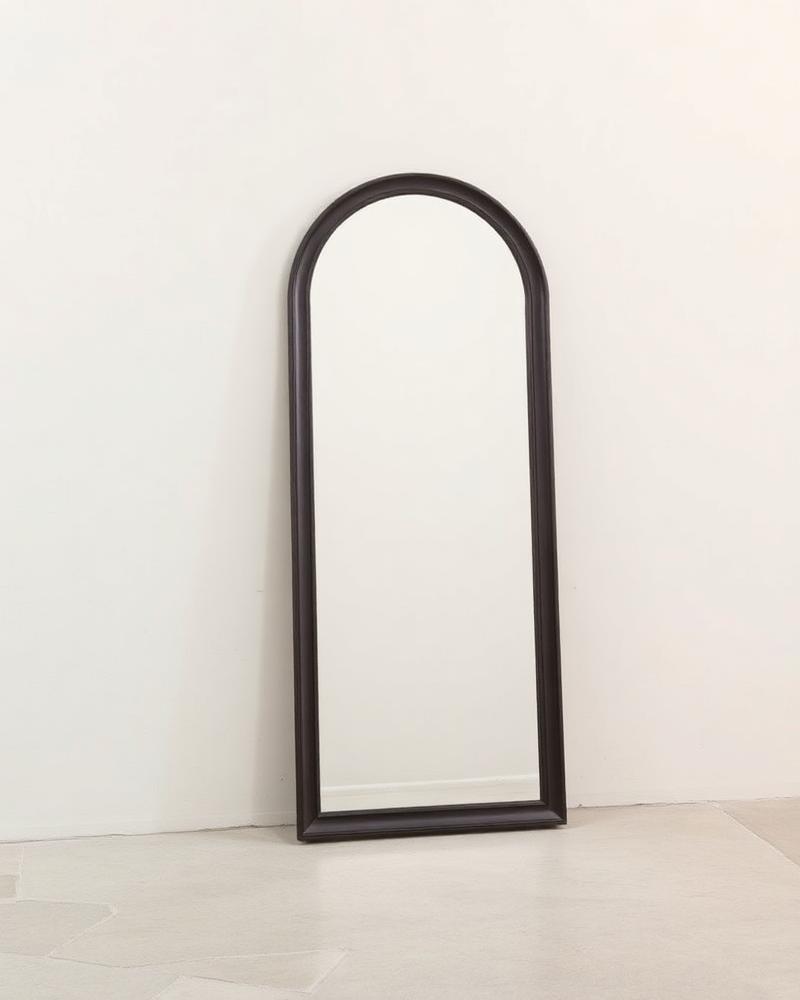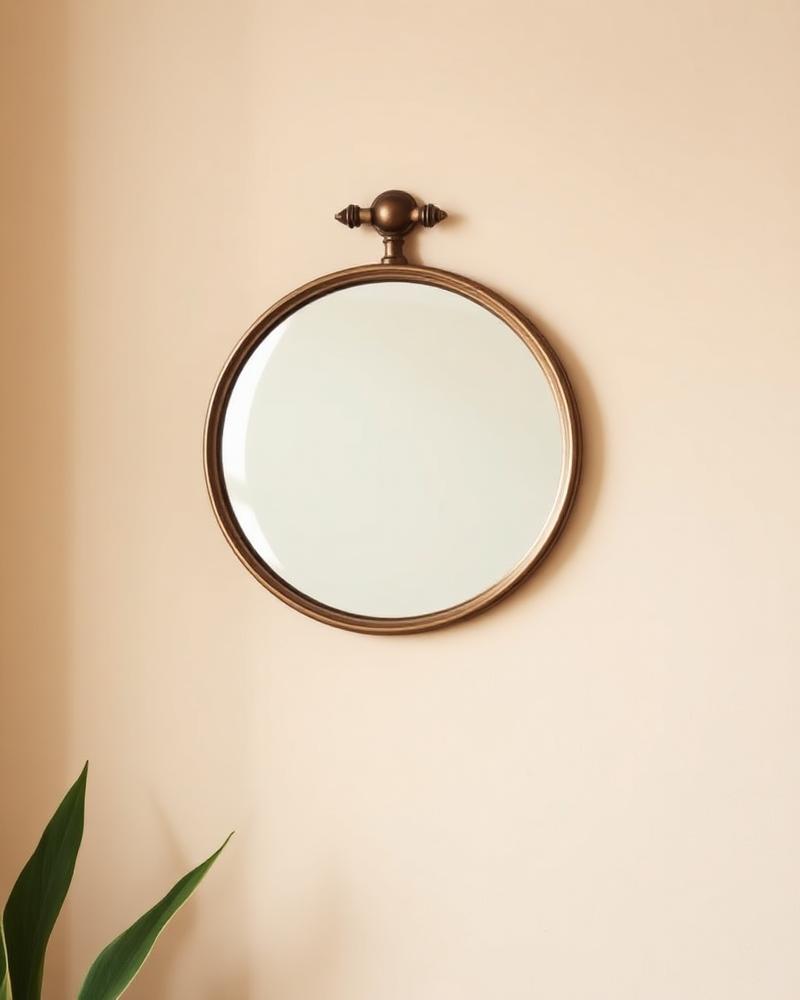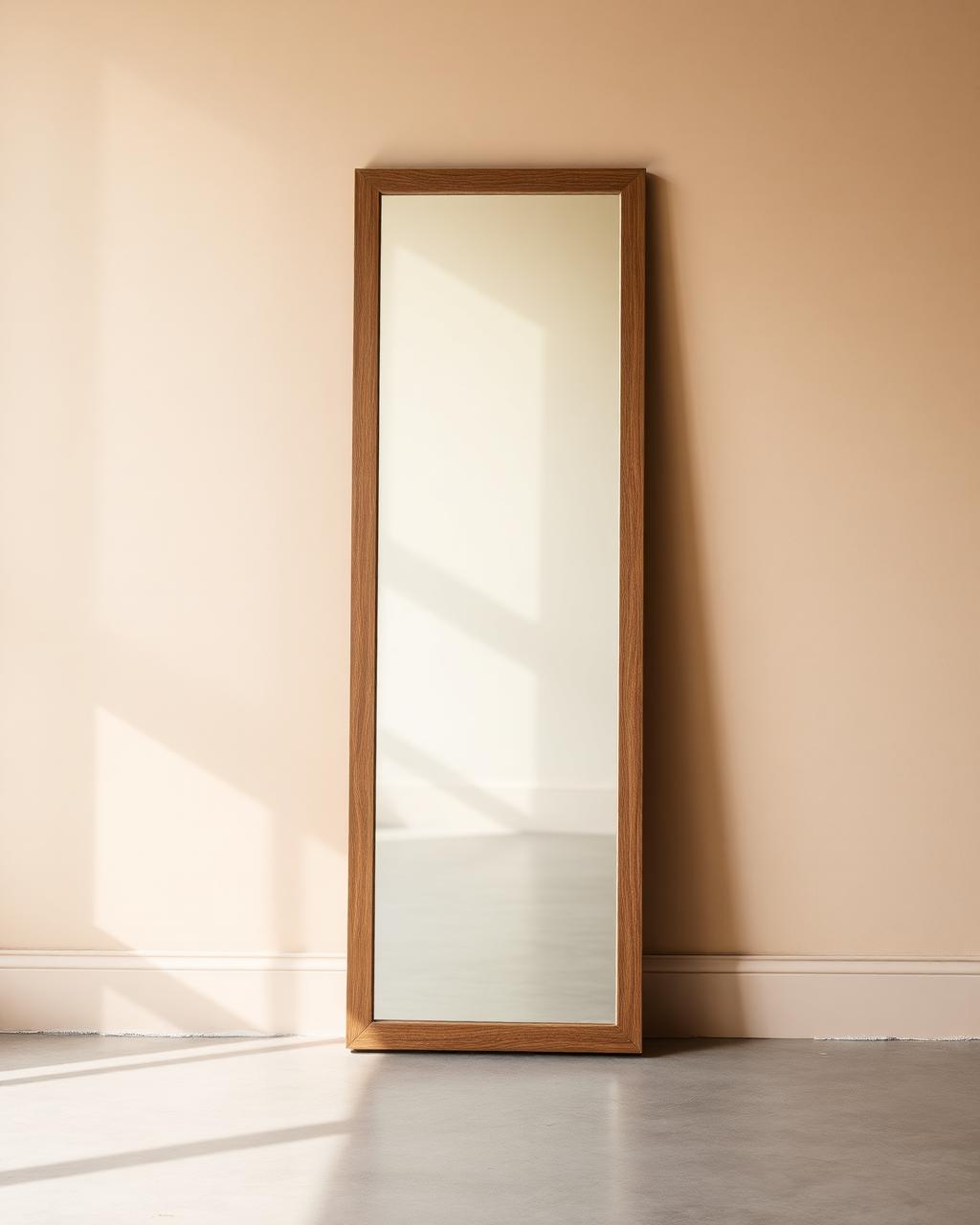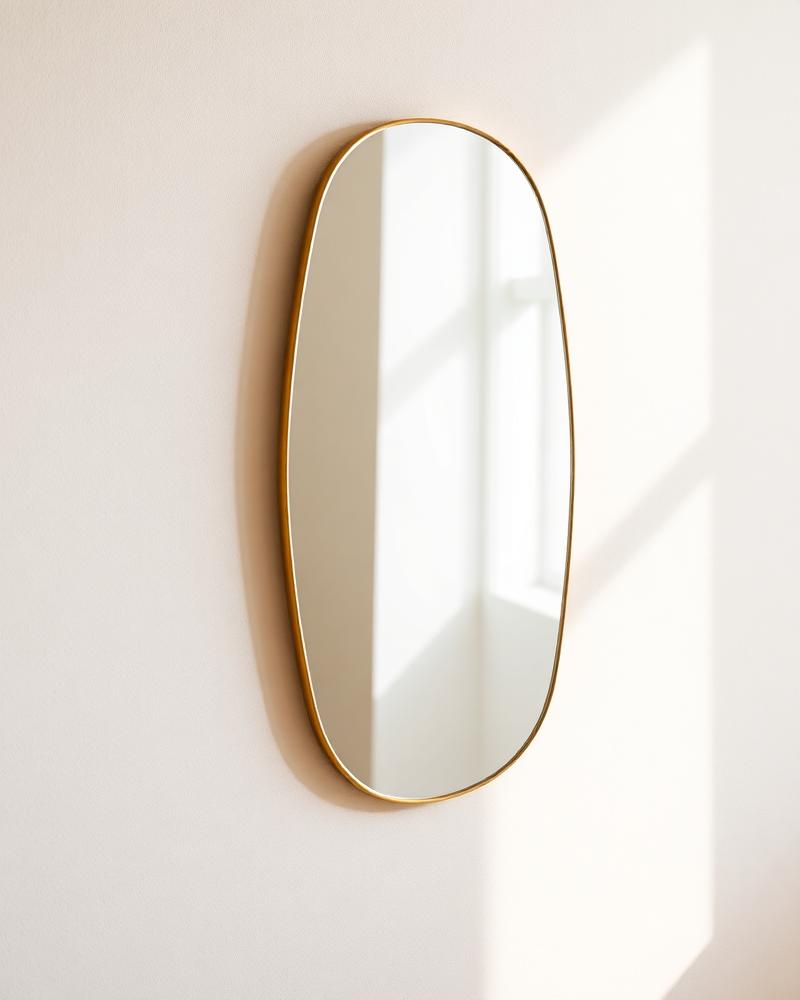
Ondine
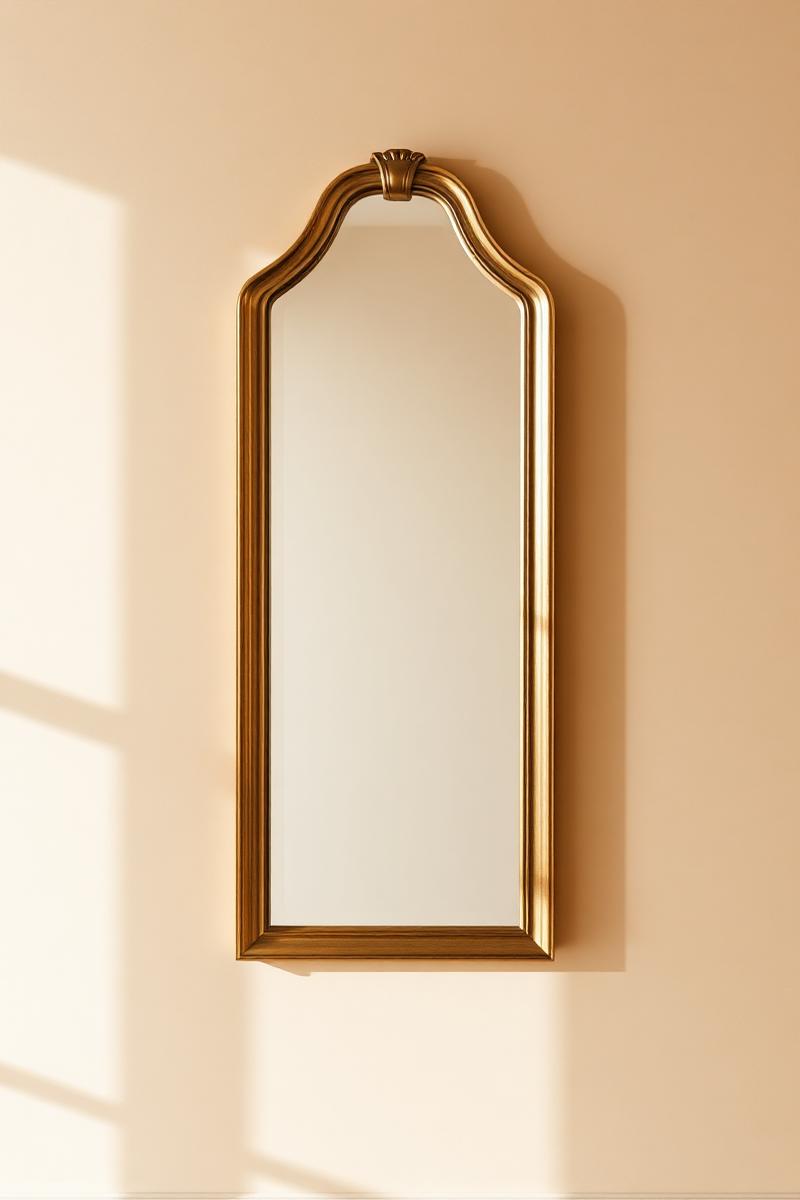
Sculptural Wall Mirror
$750
from $63/mo
Mirrors
A focused edit of decorative mirrors from the mirrors collection — selected for proportion, material and finish.
No pieces currently match these filters. Try removing one filter to broaden the edit.
Pieces from the wider collection, shown separately from the edit above.
Decorative mirrors serve a dual purpose in the home, combining functional reflection with sculptural presence. When selecting pieces for your rooms, the frame, scale, and placement matter as much as the glass itself, transforming bare walls into focal points that expand light and visual space.
The distinction between a mirror and a decorative mirror lies in craft and detail. Carved wood, hand-applied gilt, forged metal, and architectural mouldings elevate these pieces beyond utility. Our collection spans styles from Georgian carved giltwood to minimalist brass-edged circles, each designed to anchor a room rather than simply hang within it.
A common misstep is selecting a mirror too small for its wall. As a guideline, a mirror above a console or sideboard should span two-thirds to three-quarters of the furniture width. For large wall expanses, consider pieces measuring 48 inches or wider to establish presence without overcrowding. Our mirror size calculator offers room-specific recommendations based on your measurements.
Vertical orientation suits narrow wall sections and can visually raise ceiling height, particularly effective in hallways or flanking doorways. Horizontal mirrors broaden narrow rooms and work well above fireplaces or long credenzas. Full-length mirrors require at least 50 inches of height to function properly, ideally 60 to 65 inches for taller households.
Frame construction determines both aesthetic and longevity. Solid hardwood frames with mortise-and-tenon joinery withstand decades of placement changes, while composite frames suit lighter applications. Metal frames in brass, bronze, or blackened steel bring industrial refinement, particularly in geometric or arched silhouettes.
Finish options include:
Each finish interacts differently with room light. Gilt and polished metals amplify illumination, while matte and wood finishes absorb and soften it. Consider existing metal tones in hardware and lighting when selecting frame material.
Hang wall mirrors with the centre point at 57 to 60 inches from the floor, the standard eye level in galleries and museums. In dining rooms, position mirrors to reflect candlelight or windows rather than seating areas. Leaning floor mirrors against walls creates a relaxed, layered effect in bedrooms and dressing areas, angled slightly back for stability and flattering reflection.
Layer mirrors with other elements rather than isolating them. A mirror flanked by sconces or positioned above a composition of decorative objects on shelving integrates into a curated vignette. In bedrooms, consider how the mirror relates to pillow arrangements and textile layers. On dining tables, the interplay between mirrors and table runners can create visual rhythm.
Glass thickness and silvering quality affect both reflection clarity and frame stability. Standard mirror glass measures 4 to 6 millimetres thick; thicker glass reduces warping in large pieces. Bevelled edges add dimensional detail and soften the glass-to-frame transition, particularly effective in traditional and transitional designs.
Antiqued or foxed mirror glass introduces subtle mottling and darkened spots that suggest age. This treatment works particularly well in period-appropriate frames and softens reflection intensity. Clear, bright glass suits contemporary frames and maximises light reflection in dim spaces.
Clean mirror glass with distilled water and a lint-free cloth, working in vertical strokes to prevent streaking. Avoid ammonia-based cleaners near antiqued glass or gilded frames, as they can damage specialized finishes. Dust wooden and metal frames monthly with a soft brush, and apply furniture wax to unsealed wood annually.
Our full mirrors collection includes pieces suitable for every room and architectural style. Each decorative mirror is selected for frame integrity, glass quality, and enduring design that transcends passing trends.