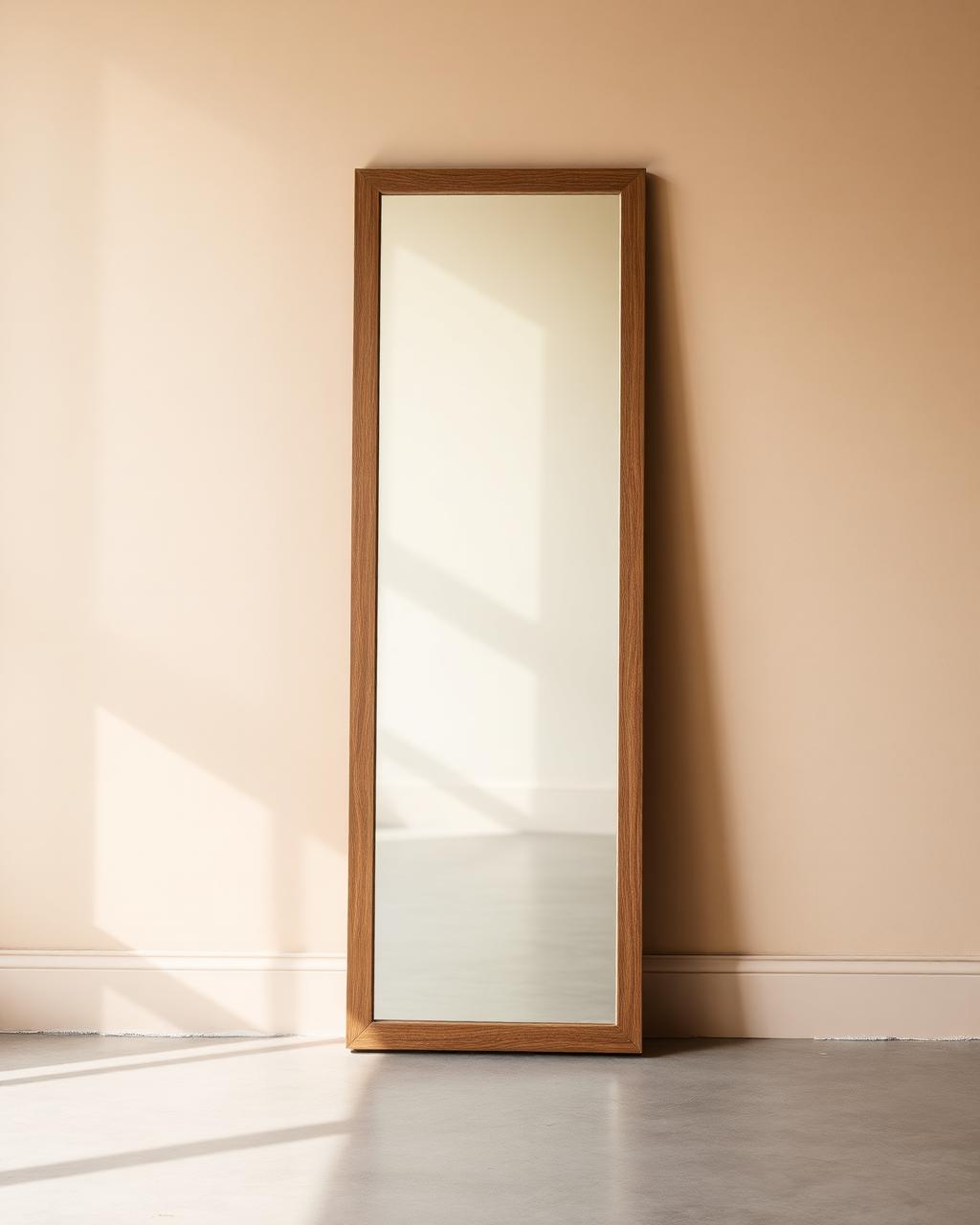
Isola
Full Length Floor Mirror
$890
from $74/mo
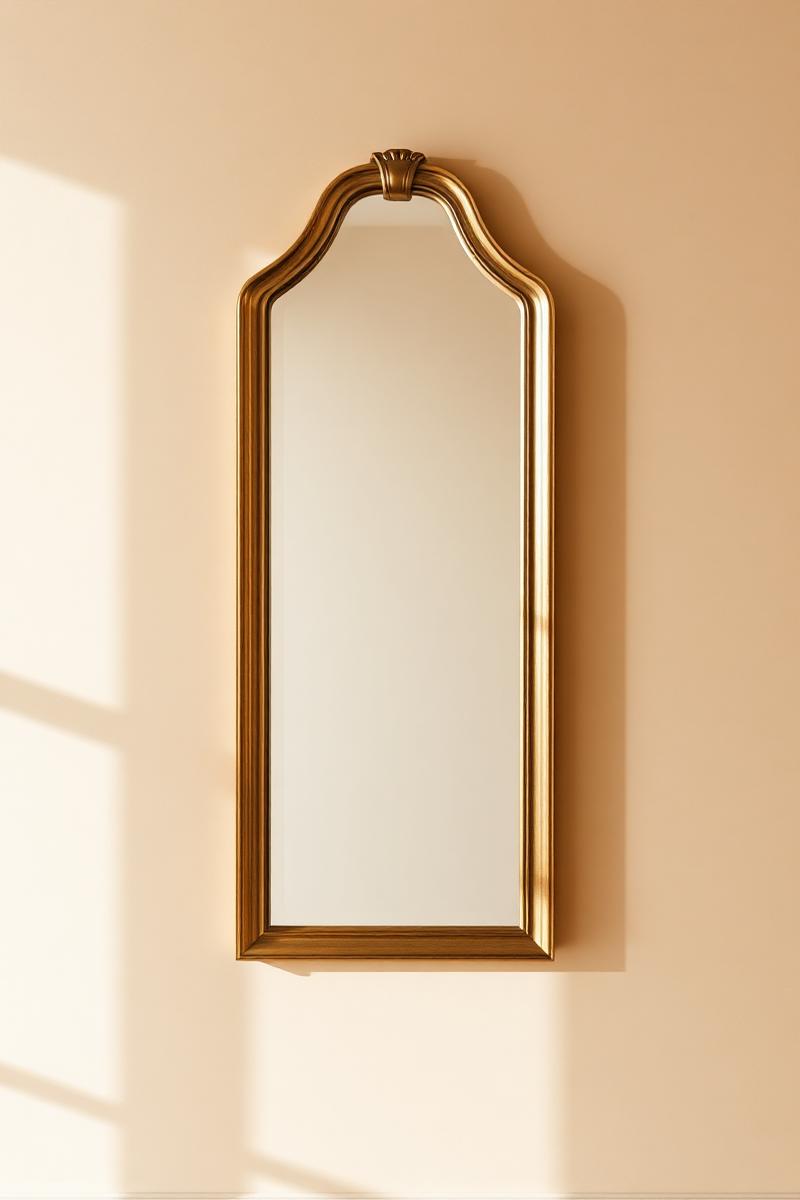
Mirrors
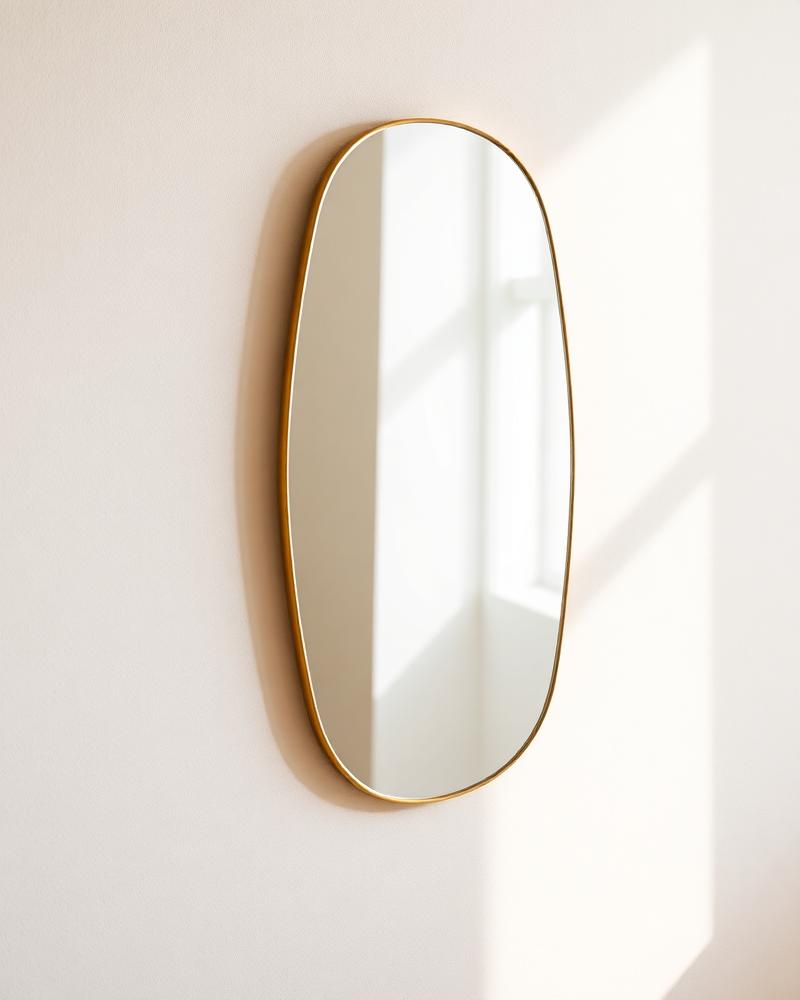
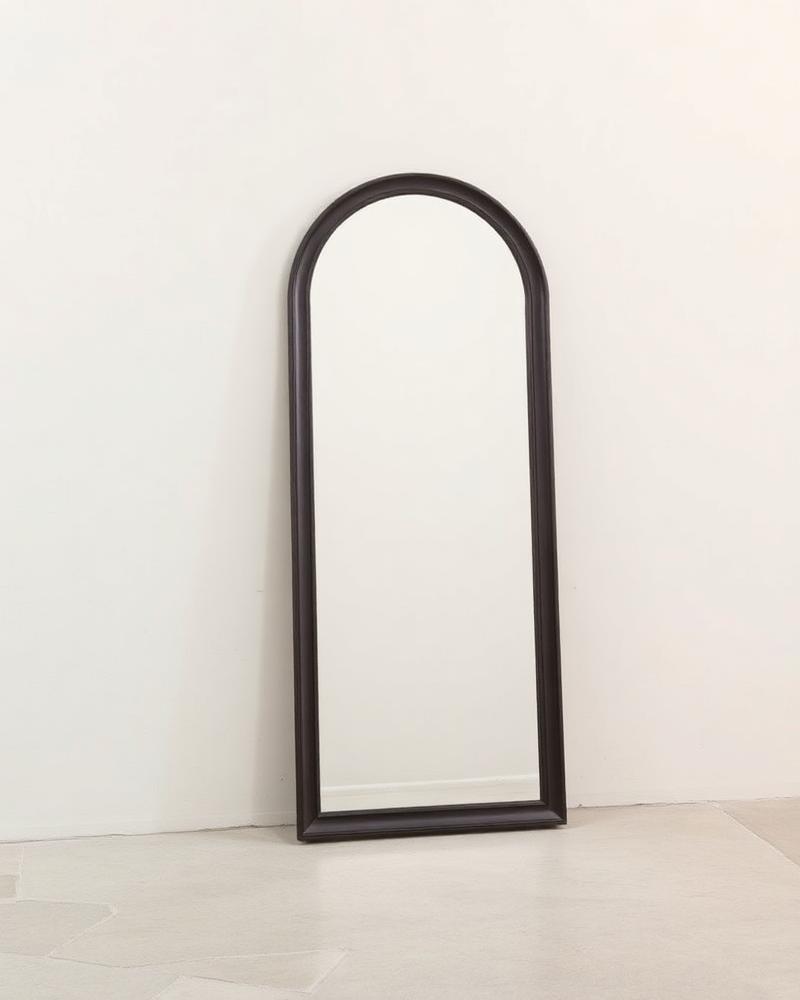
A focused edit of full length mirrors from the mirrors collection — selected for proportion, material and finish.
Pieces from the wider collection, shown separately from the edit above.
When choosing full length mirrors for your home, the decision extends beyond simple utility. A properly scaled mirror becomes architectural, reshaping how light moves through a room and how space is perceived. The tradition of the floor-standing looking glass, refined over centuries in European ateliers, continues to inform contemporary design, though materials and proportions have evolved to suit modern living.
The term describes any mirror tall enough to reflect the full figure, typically between 60 and 72 inches in height. While a 48-inch height suffices for viewing one's complete reflection when hung correctly, taller proportions create more dramatic spatial effects. Width varies according to frame style and intended placement, from slender 18-inch gilt frames suited to narrow hallways to substantial 40-inch pieces that anchor a dressing room. Our collection of full length mirrors addresses this range of architectural requirements.
The relationship between mirror height and mounting position determines functionality. A 60-inch mirror hung so its bottom edge sits 10 inches from the floor serves most users effectively, though taller individuals may require adjustment. Leaning mirrors, by contrast, need greater height to compensate for their reclined angle, typically 72 inches minimum. The principles governing bedroom mirror placement apply equally to dressing areas and entrance halls, where morning light and evening lamplight create different reflective qualities throughout the day.
Frame depth matters more than many anticipate. A gilt frame with 4-inch moulding projects significantly from the wall, casting shadows that become part of the design. Frameless bevelled mirrors, though visually recessive, require careful consideration of edge finishing and mounting hardware. Our wall mirrors demonstrate how frame profile influences both visual weight and installation method.
Quality begins with the glass itself. Standard mirror glass uses a silver backing protected by copper and paint layers, while higher specifications employ additional coatings to resist oxidation in humid environments. Thickness affects both durability and optical accuracy: 6mm glass suffices for smaller pieces, while mirrors exceeding 48 inches in any dimension benefit from 8mm thickness to prevent distortion.
Frame materials span a familiar range:
The floor mirrors category illustrates how base design and frame construction work together to ensure stability without visible support mechanisms.
A full length mirror rarely exists in isolation. In bedrooms, it typically relates to wardrobes, dressing tables, and textile choices. The frame finish might echo bed frame materials or contrast deliberately with upholstered pieces. Scale becomes crucial: an oversized mirror in a small dressing area overwhelms, while an undersized piece appears tentative. The same spatial awareness that informs curtain length selection or table runner proportions applies to mirror specification.
Consider sightlines carefully. A mirror placed opposite a window multiplies natural light but may create glare at certain hours. Positioned facing a bed, it can disrupt the sense of enclosure many prefer in sleeping spaces. Our mirror size calculator helps determine appropriate dimensions for specific wall elevations and room volumes.
Glass cleaning requires less product than typically applied. A barely damp microfibre cloth removes most marks; for persistent residue, a solution of one part white vinegar to four parts distilled water avoids the streaking common with commercial cleaners. Frame care depends on material: waxed wood benefits from annual reconditioning, while metal frames need only occasional dusting unless exposed to coastal air, which accelerates tarnishing.
The broader mirrors and decorative mirrors collections demonstrate how functional pieces integrate with ornamental traditions. A full length mirror serves daily practical needs while contributing to a room's visual structure, a duality that has ensured its place in thoughtful interiors across centuries and continents.