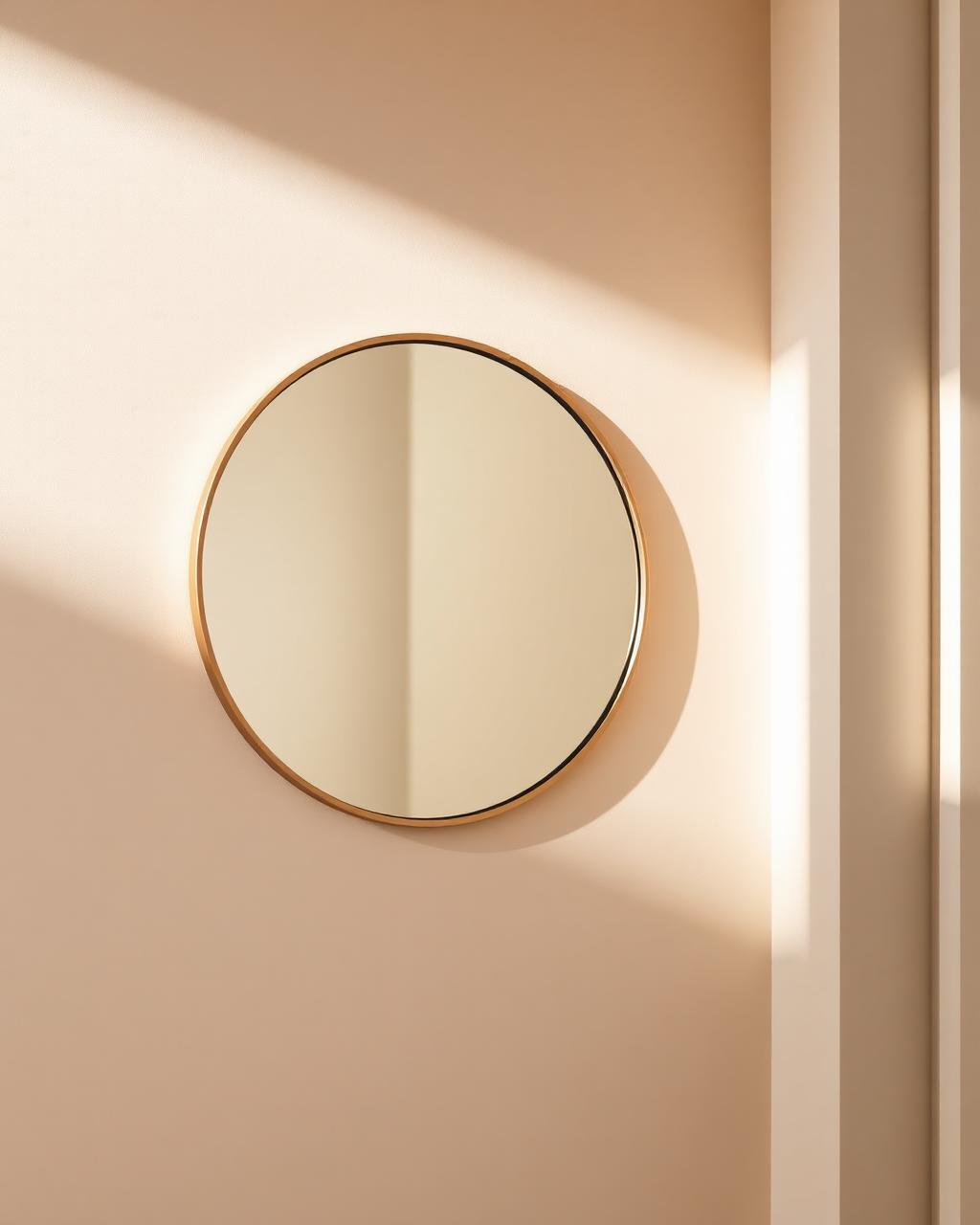
Meridian
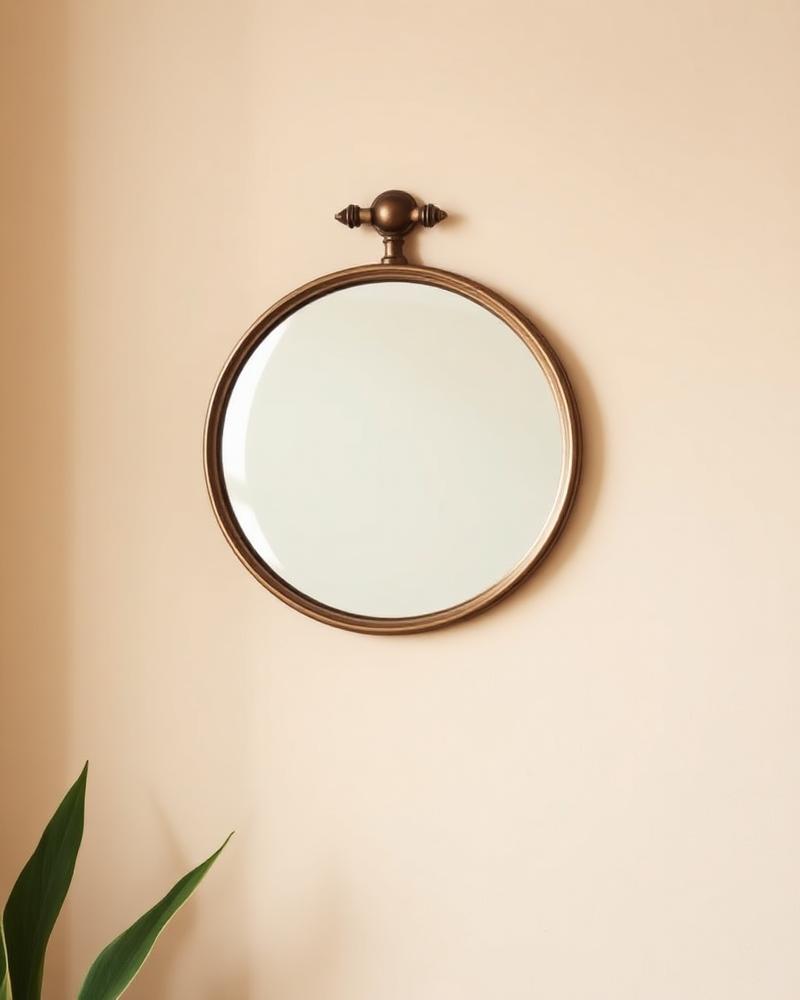
Round Gold Mirror
$425
from $35/mo
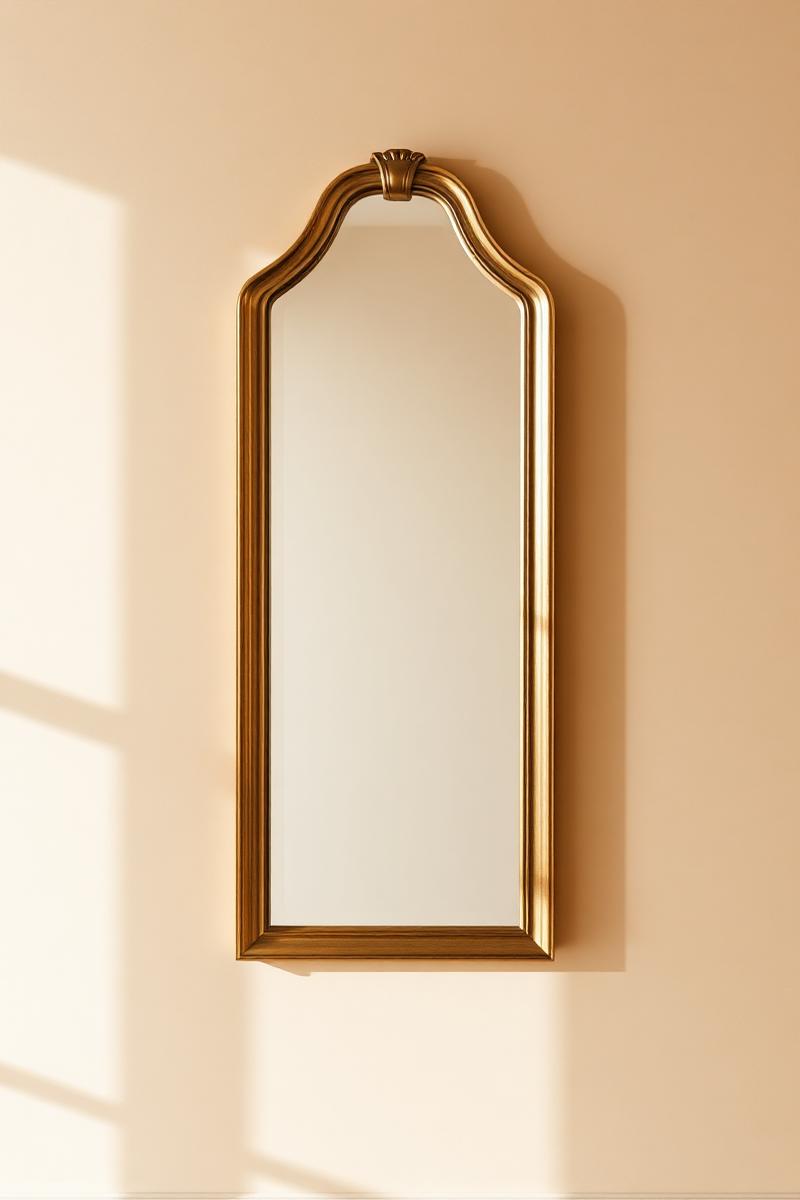
Mirrors
A focused edit of round mirrors from the mirrors collection — selected for proportion, material and finish.
Pieces from the wider collection, shown separately from the edit above.
Round mirrors have long held a particular place in the vocabulary of interior architecture, softening the rectilinear geometry that dominates most rooms. Their circular form introduces visual relief without demanding attention, making them especially valuable in spaces where balance matters more than statement. Whether positioned above a console in an entrance hall or grouped in multiples along a dining room wall, these pieces work quietly to expand light and perspective.
The appeal lies partly in what round mirrors do not do. Unlike their rectangular counterparts, they resist the formality of framed artwork, offering instead a gentler punctuation. This quality makes them versatile across periods and styles, from Georgian townhouses to mid-century apartments. Our mirrors collection includes forms ranging from 24 inches to 48 inches in diameter, each considered for proportion and material integrity.
Scale requires careful thought. For powder rooms and compact hallways, a 24 to 30-inch diameter typically suffices, providing function without overwhelming the wall plane. Larger spaces—sitting rooms, primary bedrooms, or above a sideboard—can accommodate 36 to 48 inches comfortably. The general principle holds that a round mirror should occupy roughly one-half to two-thirds the width of the furniture beneath it, though this varies with ceiling height and architectural detail.
When considering our wall mirrors range, account for the visual weight of the frame. A substantial brass surround adds several inches to the overall diameter and carries different spatial presence than a simple bevelled edge. In rooms with pronounced horizontal lines—wainscoting, picture rails, or long low furnishings—the circle provides necessary counterpoint.
The frame determines much of a mirror's character. Materials we work with include solid brass, hand-forged iron, carved wood, and occasionally leather or rope detailing. Brass finishes range from polished to antique patinas; each ages differently under natural light. Iron frames suit industrial-inflected interiors or country houses where a darker metal feels appropriate. Timber frames—oak, walnut, or painted hardwood—offer warmth and can be stained or finished to complement existing joinery.
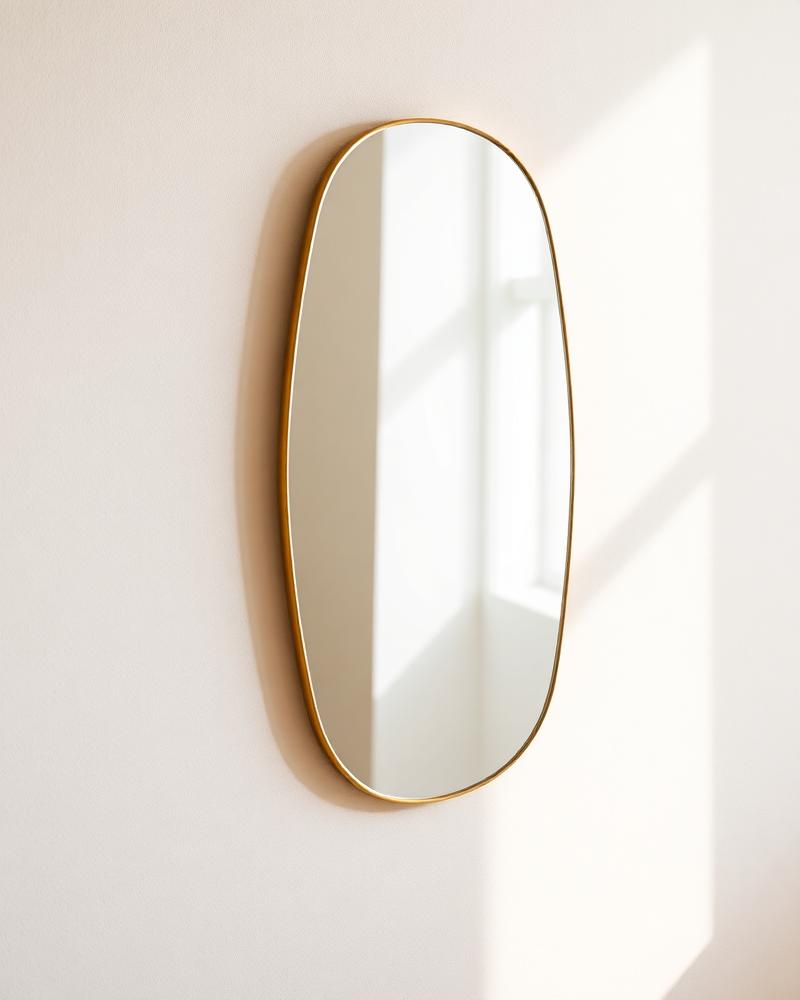
For those drawn to warmer metallics, our gold mirrors selection includes both yellow and rose-toned brass. The frame width matters: slim profiles suit modern schemes, while broader surrounds anchor traditional rooms. Some designs incorporate convex glass, a detail borrowed from eighteenth-century practice that introduces subtle distortion and reflects a wider field of view.
Beyond aesthetics, several functional points merit attention:
Our mirror size calculator can assist with proportions relative to your specific wall dimensions and furniture arrangements. For guidance on form, the round vs rectangular mirrors comparison addresses how shape influences spatial perception.
Entrance halls benefit from round mirrors paired with console tables or wall-mounted shelves, creating a composed vignette that serves guests without fuss. Our hallway mirror ideas journal entry explores this application in detail. In dining rooms, a single large example above a sideboard or multiple smaller rounds arranged asymmetrically can articulate the wall without competing with art. Further thoughts appear in our dining room mirror ideas piece.
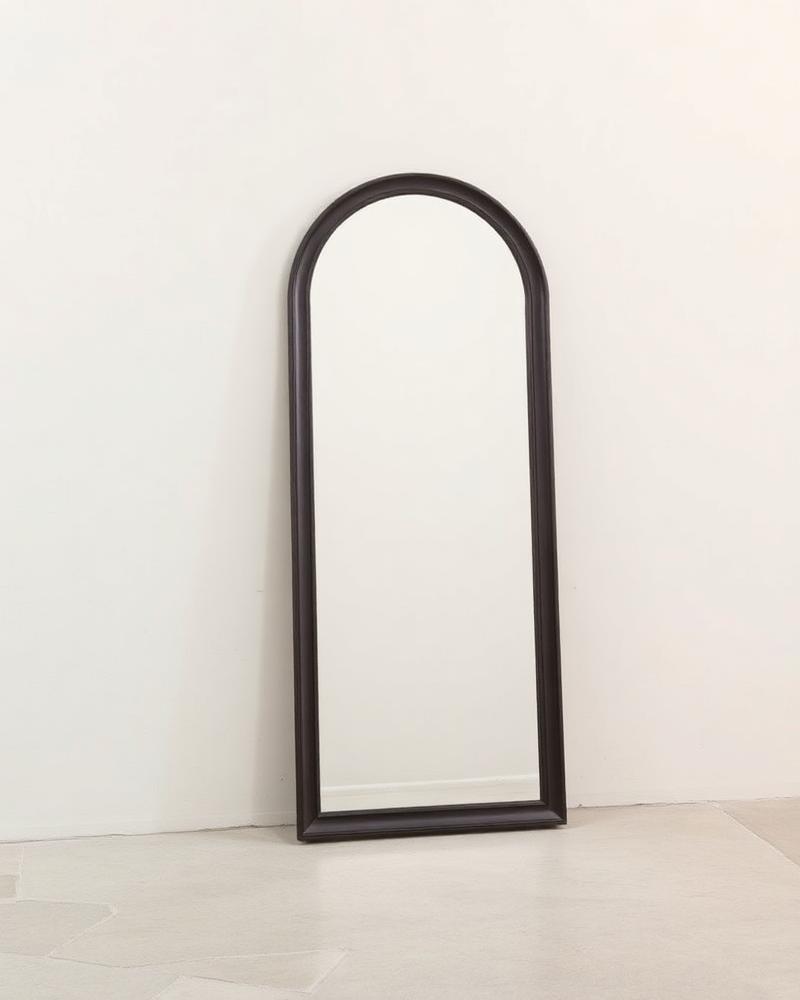
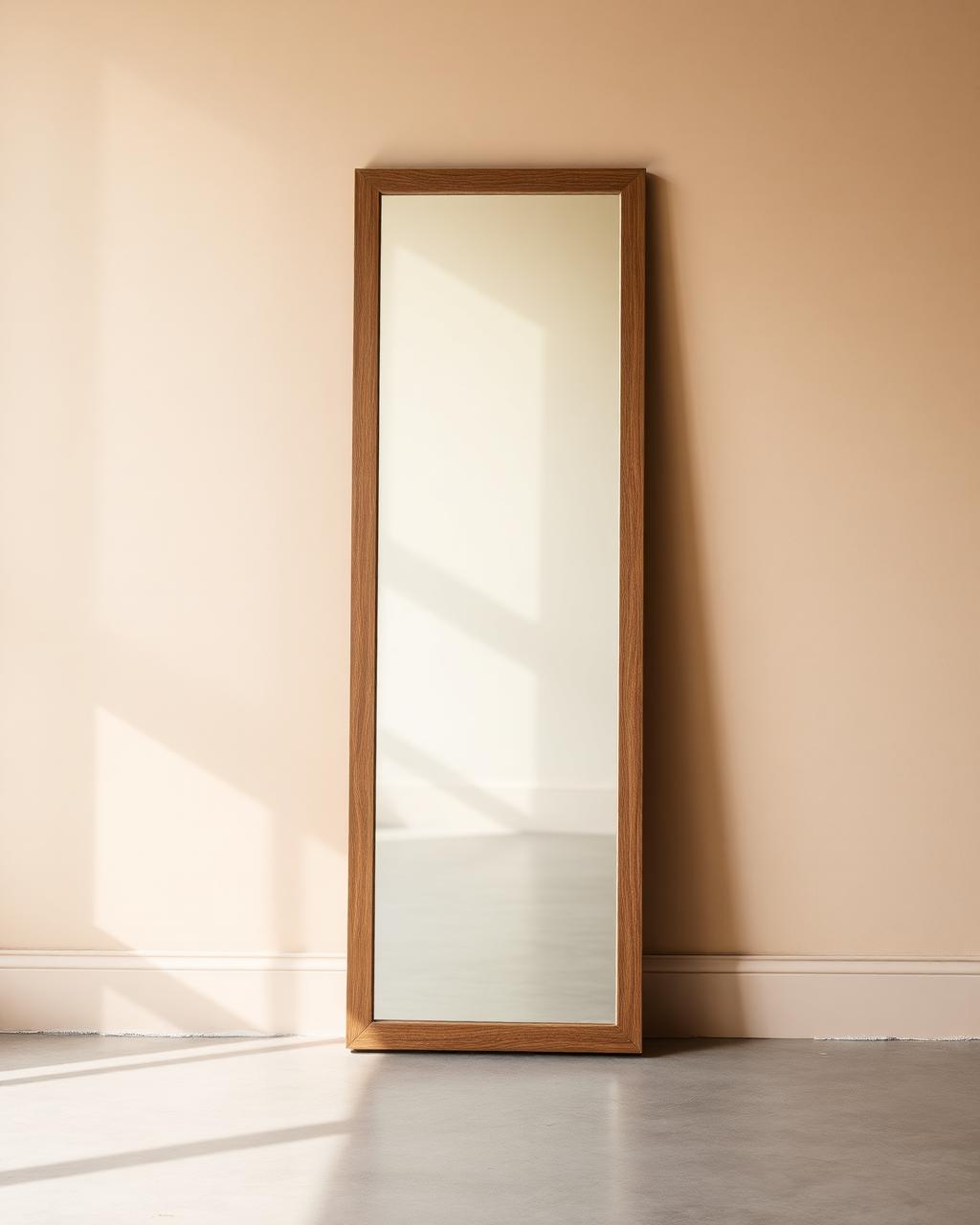
Bedrooms accommodate round mirrors above dressers or leaning against walls, though for full-length dressing purposes, our full-length and floor mirrors collections may prove more practical. Those interested in alternate geometries might consider our arch mirrors, which share the softening effect of curves while offering a different silhouette.
Glass should be cleaned with a lint-free cloth and either distilled water or a solution of equal parts white vinegar and water. Avoid ammonia-based products near metal frames, as these can tarnish brass and corrode iron over time. Dust frames monthly with a soft brush, and apply appropriate metal polish or furniture wax annually to preserve finishes. In humid environments, ensure adequate ventilation to prevent silvering deterioration at the mirror edges.