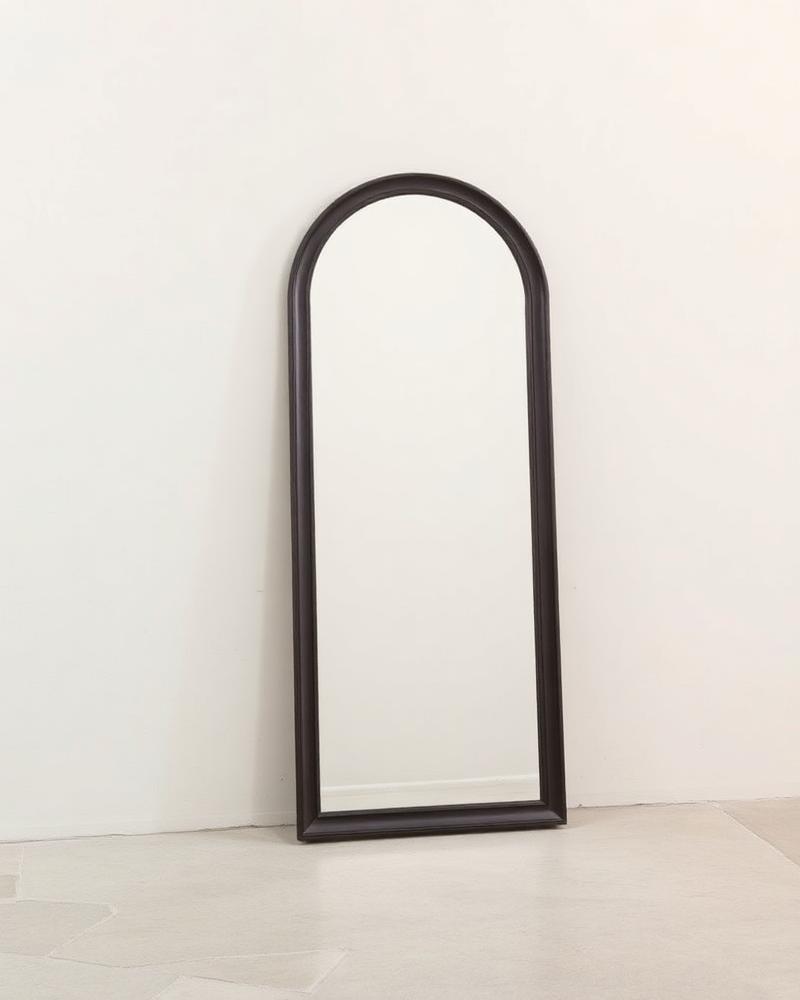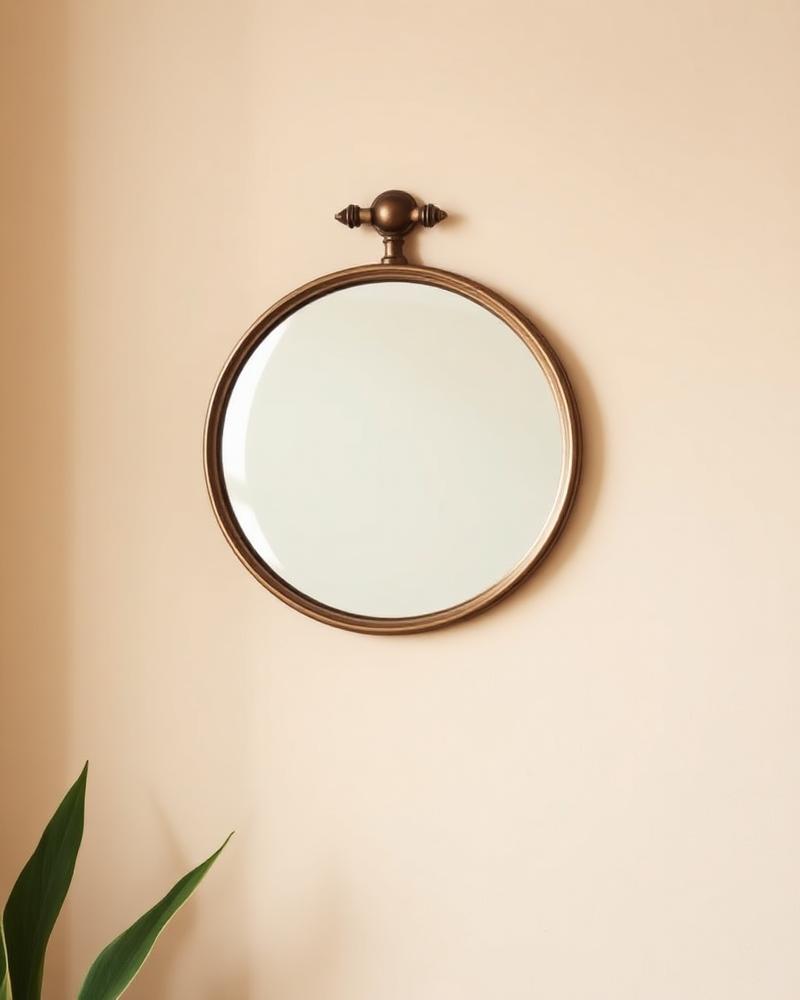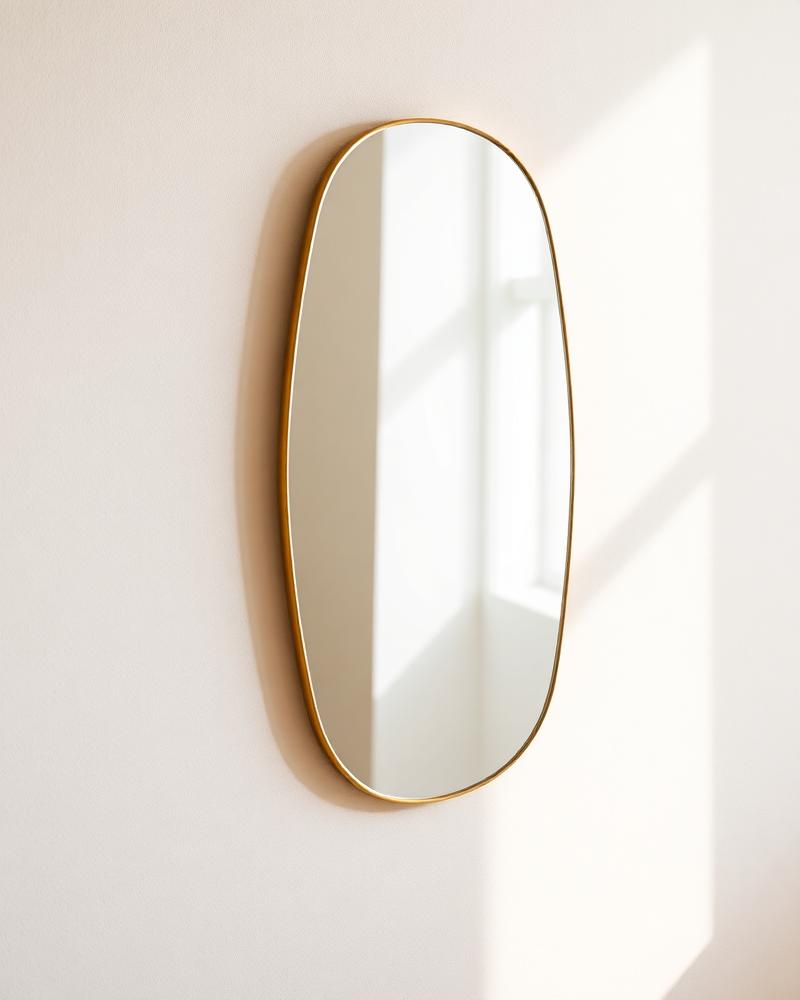
Ondine
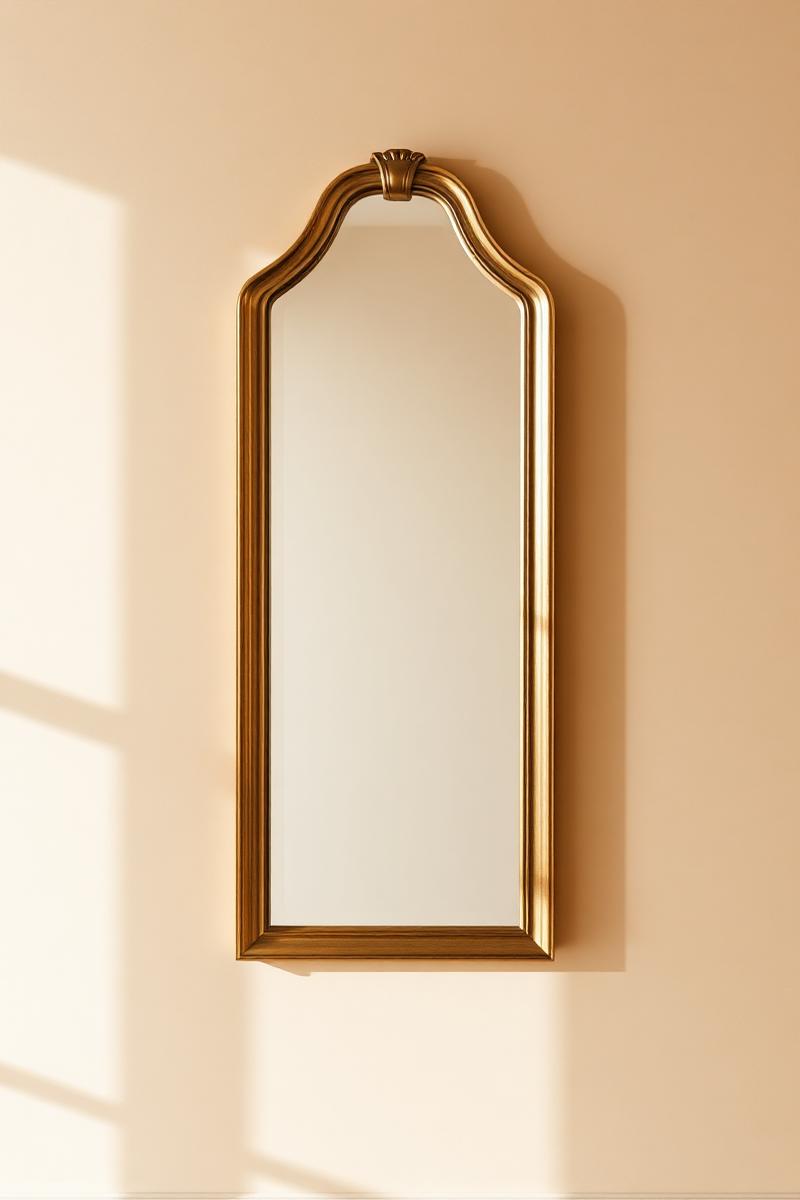
Sculptural Wall Mirror
$750
from $63/mo
Mirrors
A focused edit of oversized mirrors from the mirrors collection — selected for proportion, material and finish.
No pieces currently match these filters. Try removing one filter to broaden the edit.
Pieces from the wider collection, shown separately from the edit above.
Oversized mirrors have long served as architectural elements rather than mere functional objects, their scale allowing them to reshape a room's proportions and multiply its natural light. When a mirror exceeds 72 inches in either dimension, it enters territory where frame joinery, glass weight, and wall structure become as important as aesthetics. These are pieces that require forethought, proper anchoring, and an understanding of how reflection works at room scale.
The decision to introduce a large-scale mirror into a home is rarely casual. It represents a commitment to a specific kind of spatial drama, one where the mirror itself becomes a portal, a window, or a quiet amplification of everything the room already holds. Our collection of mirrors reflects this understanding, with each piece engineered to support the considerable weight of premium glass while maintaining the visual refinement the scale demands.
When selecting from our range of wall mirrors, the relationship between mirror size and wall dimensions follows principles borrowed from classical architecture. A mirror occupying between one-half and two-thirds of a wall's width typically achieves balance without overwhelming the space. For walls between 96 and 144 inches wide, this translates to mirrors in the 60 to 96 inch range. Vertical orientations suit spaces with generous ceiling heights, particularly those exceeding 108 inches, where a tall mirror draws the eye upward and emphasises the room's volume.
The frame's visual weight matters as much as its physical dimensions. A substantial gilded frame in a traditional profile adds 6 to 10 inches to the overall dimensions and carries significant presence, whilst a slim brass or blackened steel frame keeps attention on the reflection itself. Glass thickness in oversized mirrors typically ranges from 0.25 to 0.5 inches, with the heavier gauge offering superior reflection quality and durability for pieces that may remain in place for decades.
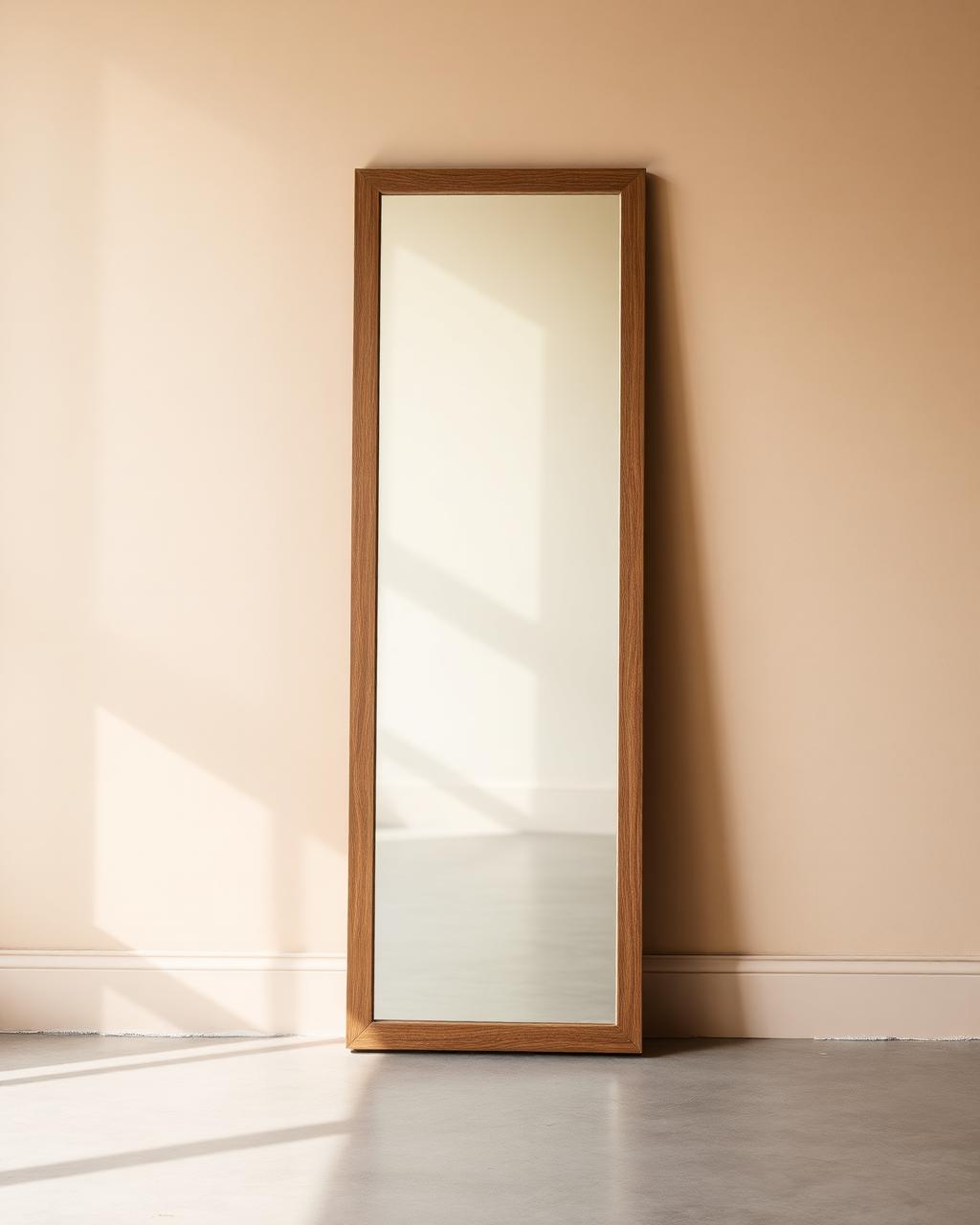
Oversized floor mirrors offer an alternative to permanent wall installation, particularly valuable in tenanted properties or homes where walls cannot support the weight of large-scale hanging pieces. A substantial floor mirror, typically measuring 72 by 36 inches or larger, leans at a carefully calculated angle—usually between 5 and 10 degrees from vertical—that both ensures stability and creates a subtle dynamic in the reflection.
Our journal on oversized floor mirror placement explores the specific geometries involved, but several principles bear mentioning here:
For those seeking the functionality of a full-length mirror within an oversized format, our full-length pieces typically begin at 66 inches in height, though many reach 84 inches or more, providing not just a view of one's appearance but a sense of the surrounding room.
The notion that oversized mirrors belong exclusively to grand rooms deserves reconsideration. When thoughtfully deployed, a large mirror in a modest space can dissolve perceived boundaries and introduce unexpected generosity. Our guide to oversized mirrors in small spaces addresses this apparent paradox, examining how a single substantial mirror often succeeds where multiple smaller pieces create visual clutter.
The mirror size calculator we provide helps translate room dimensions into appropriate mirror specifications, accounting for furniture placement, existing artwork, and the proportions that will serve the space over time. This tool proves particularly useful when working with unusual wall dimensions or when attempting to balance a mirror against other strong architectural features.
Frame materials in our collection include solid oak, walnut, and mahogany for traditional profiles, with welded steel, brass, and aluminium serving contemporary designs. Each material brings specific weight characteristics and maintenance requirements. Hardwood frames benefit from occasional treatment with beeswax polish, whilst metal frames require only occasional dusting and, in humid climates, monitoring for oxidation.
The glass itself, whether standard, antiqued, or subtly tinted, should be cleaned with distilled water and a lint-free cloth, avoiding ammonia-based products that can damage silvering over time. Given the scale of these pieces, cleaning represents a considerable task, best approached systematically from top to bottom in overlapping horizontal passes.
An oversized mirror, properly selected and positioned, transcends trends to become part of a home's permanent character. These are pieces that witness daily life whilst remaining somehow apart from it, reflecting without commentary, enlarging without distortion. The decision to live with such a mirror is a decision to live with considered space, where light and dimension receive the attention they quietly deserve.