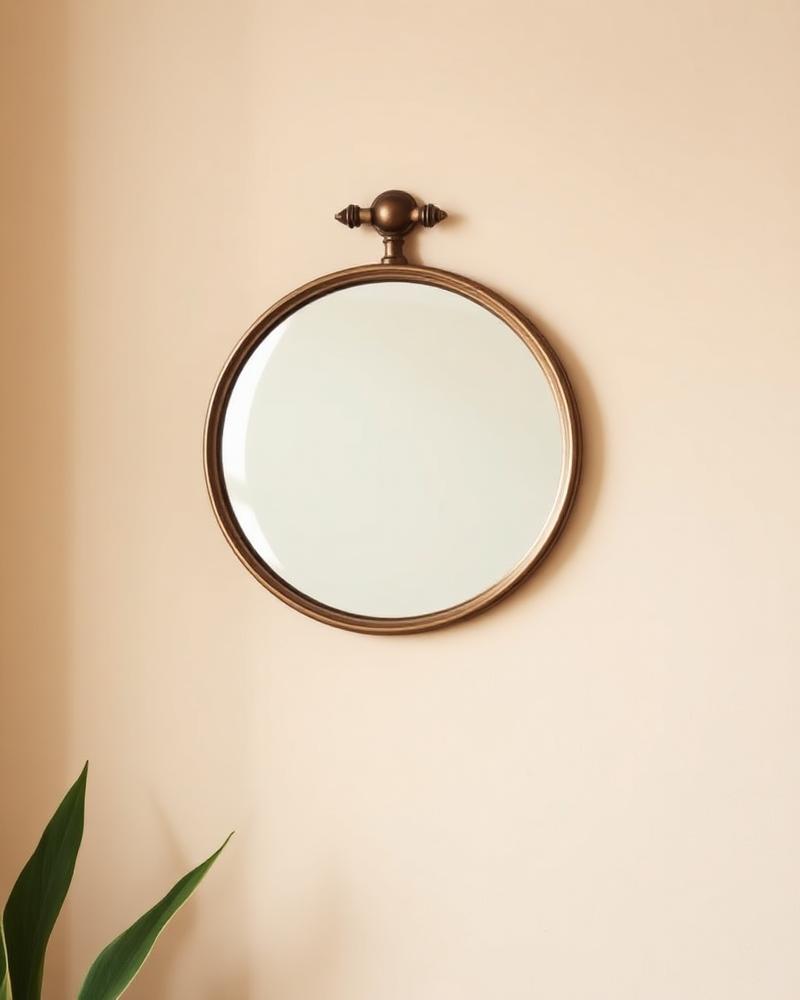
Atlas
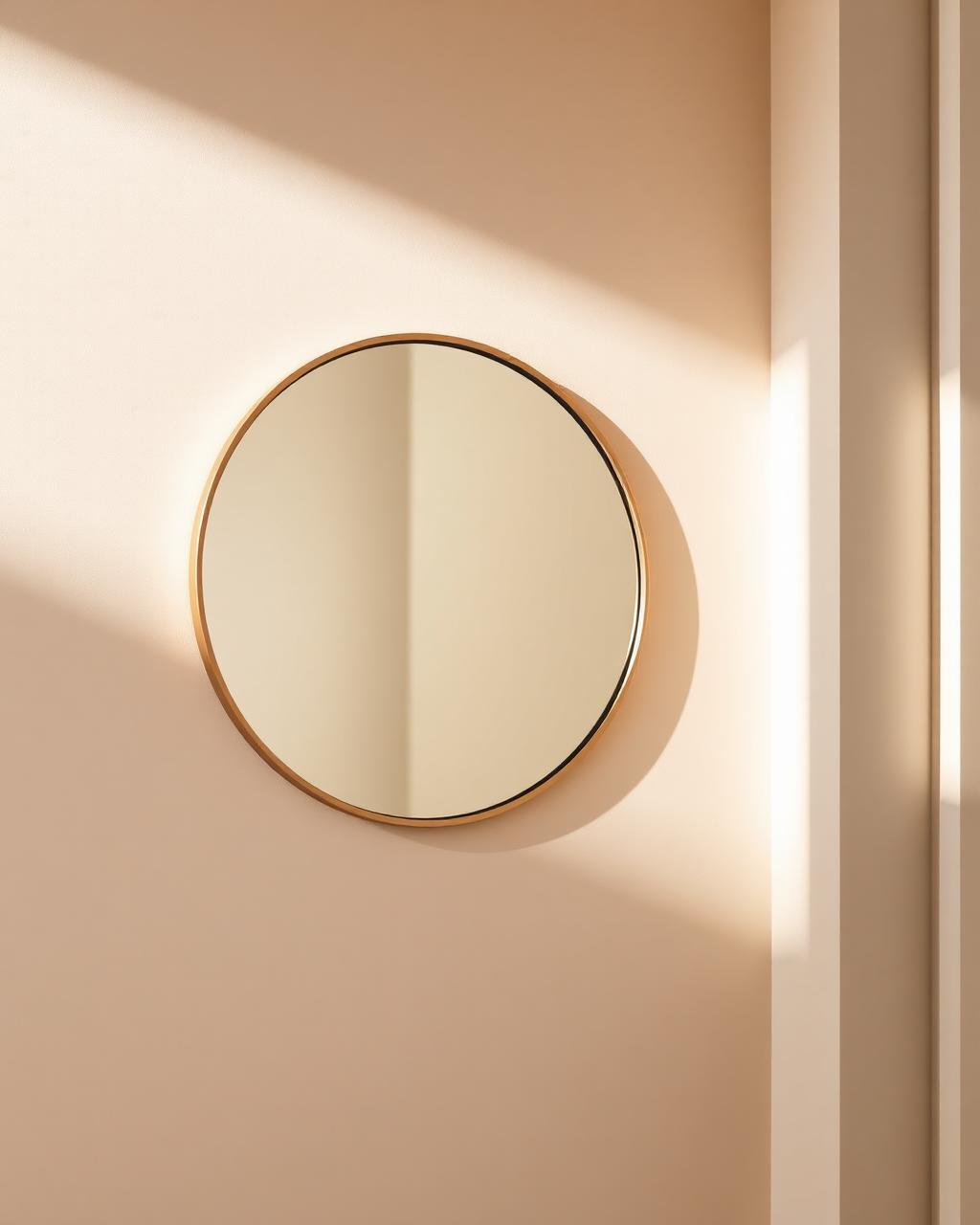
Convex Brass Mirror
$580
from $48/mo
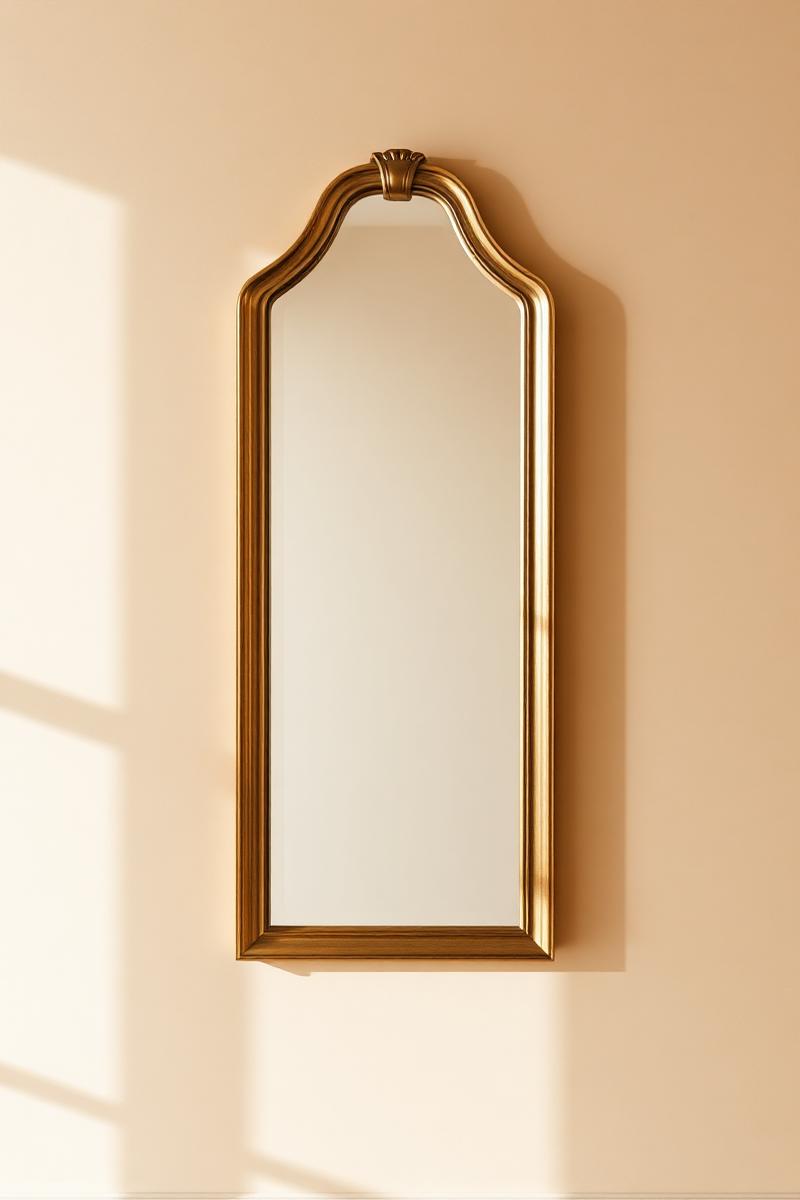
Mirrors
A focused edit of convex mirrors from the mirrors collection — selected for proportion, material and finish.
Pieces from the wider collection, shown separately from the edit above.
Convex mirrors occupy a particular place in the history of decorative arts, their gently curved surfaces expanding visual space while softening reflections into something more painterly than literal. These outward-curving mirrors have appeared in grand European interiors since the Renaissance, valued then as they are now for their ability to gather and redistribute light across a room. Where flat glass offers a faithful image, a convex surface provides context, drawing in peripheral views and creating a sense of depth that makes them especially useful in smaller or darker spaces.
The physics are straightforward: the convex shape causes light rays to diverge, producing a reflection that is diminished in size but wider in scope. This makes such mirrors practical tools for expanding sightlines in entrance halls, above mantels, or in any setting where a broader perspective serves both aesthetic and functional purposes. Our collection of mirrors includes convex designs ranging from traditional butler's mirrors to contemporary interpretations that suit a variety of architectural styles.
The term butler's mirror refers to the convex mirrors once placed in dining rooms and service areas, allowing household staff to monitor the room without turning. This practical origin has evolved into a decorative tradition, with convex mirrors now appreciated primarily for their visual qualities. The distortion they introduce is gentle and considered, quite unlike the jarring effect of funhouse mirrors. In current practice, designers value them for their ability to act as sculptural objects that happen to reflect, rather than reflective surfaces that happen to be decorative.
When selecting a convex mirror, diameter and depth of curve matter considerably. Smaller examples, typically 12 to 24 inches across, work well in vignettes or flanking arrangements. Larger pieces, from 30 to 48 inches, can anchor a wall much as a painting would. The depth of the convex curve varies by maker; a shallow curve offers a subtler effect, while a more pronounced dome creates greater visual drama and wider reflection.
Convex mirrors perform best when positioned to capture and reflect specific elements of a room. In a hallway, they can be hung opposite a window to amplify natural light, as explored in our hallway mirror ideas. In dining rooms, a convex mirror placed above a sideboard creates a focal point while reflecting candlelight and the table itself, a technique detailed in our dining room mirror ideas. The key is to consider what will appear in the reflection before fixing the position.
Scale relative to surrounding furnishings requires careful judgement:
Our mirror size calculator can assist with these determinations, though the final choice remains a matter of eye and proportion.
The frame contributes as much to the character of a convex mirror as the glass itself. Traditional examples often feature carved wood with gilding, the warm tones of gold mirrors complementing the soft quality of the reflection. Bronze, aged brass, and blackened steel offer different material conversations, each bringing its own weight and presence. Some of our convex designs incorporate reeded or beaded trim that catches light in linear patterns, adding textural interest to the circular form.
Those drawn to architectural geometry might consider how convex mirrors relate to other shapes in our range, including arch mirrors, which share a classical lineage. The interplay between curved and rectilinear forms—a round convex mirror above a rectangular console, for instance—creates visual tension that enlivens a composition.
The curved surface of these mirrors requires gentler cleaning than flat glass. Use a soft cloth slightly dampened with water or a solution specifically formulated for mirrors, working from the centre outward in a spiral motion to avoid streaking. Avoid excessive pressure, which can stress the glass at its thinnest point near the edges. Our guidance applies equally to convex examples and to wall mirrors, floor mirrors, and full-length pieces throughout our collection.
Convex mirrors reward patience in placement and selection, offering a perspective that is both expanded and concentrated, literal and interpretive. For further inspiration on incorporating these pieces into your rooms, our convex mirror decorating ideas provides additional context and visual examples drawn from historical and contemporary interiors alike.