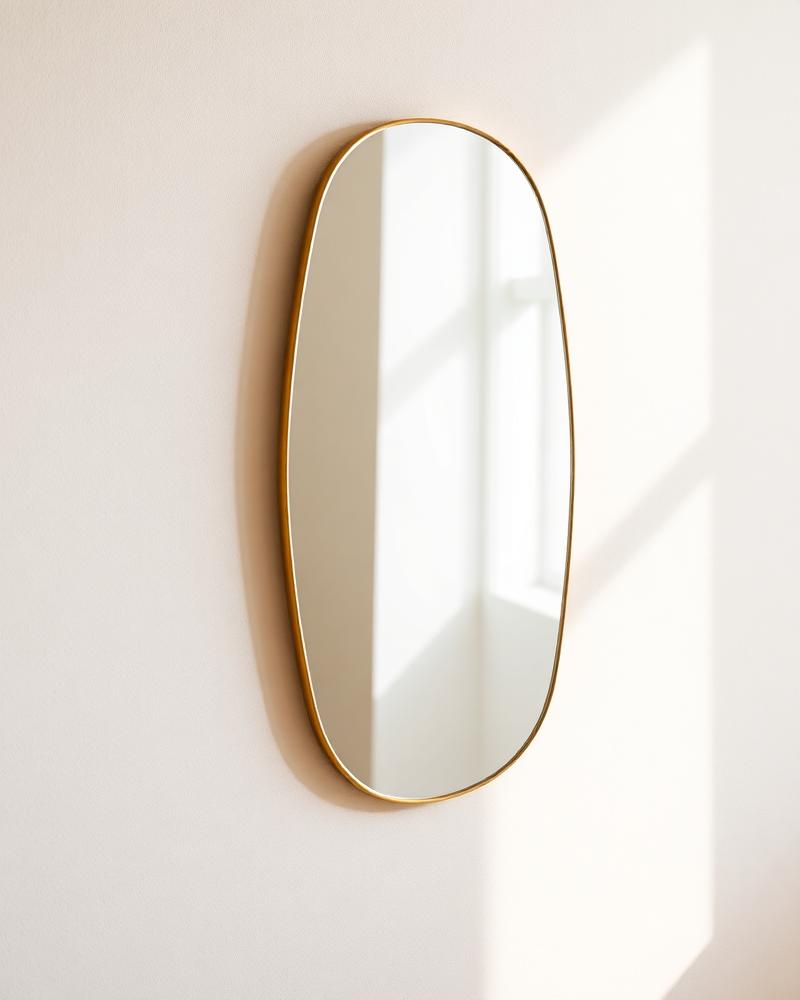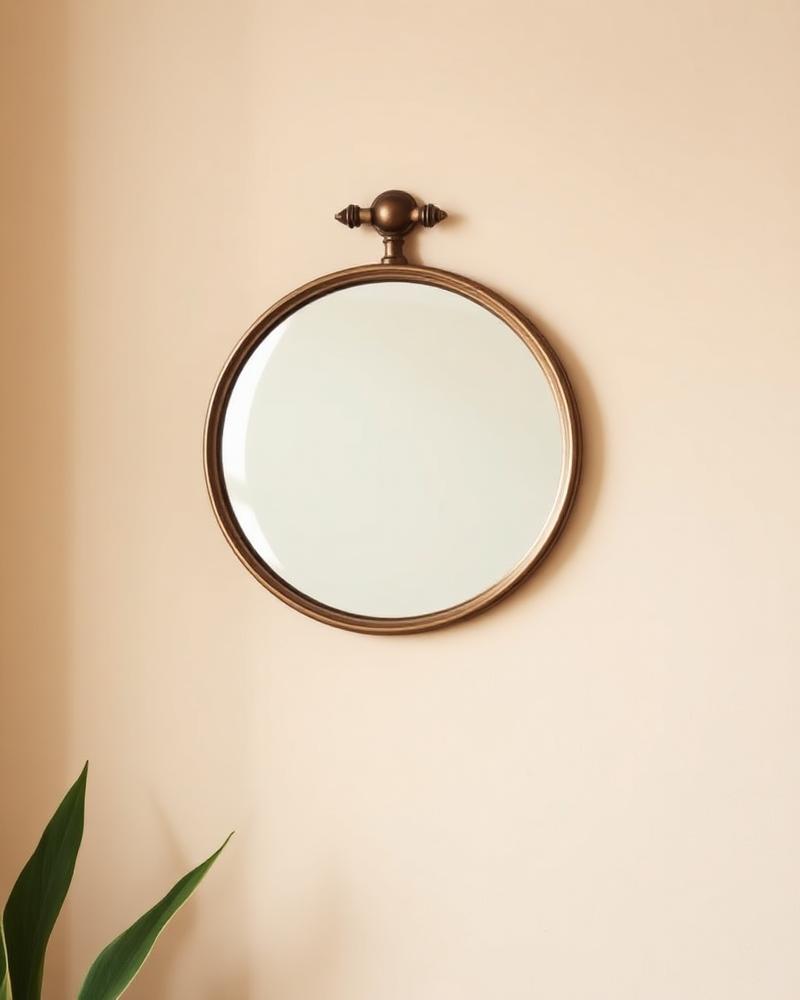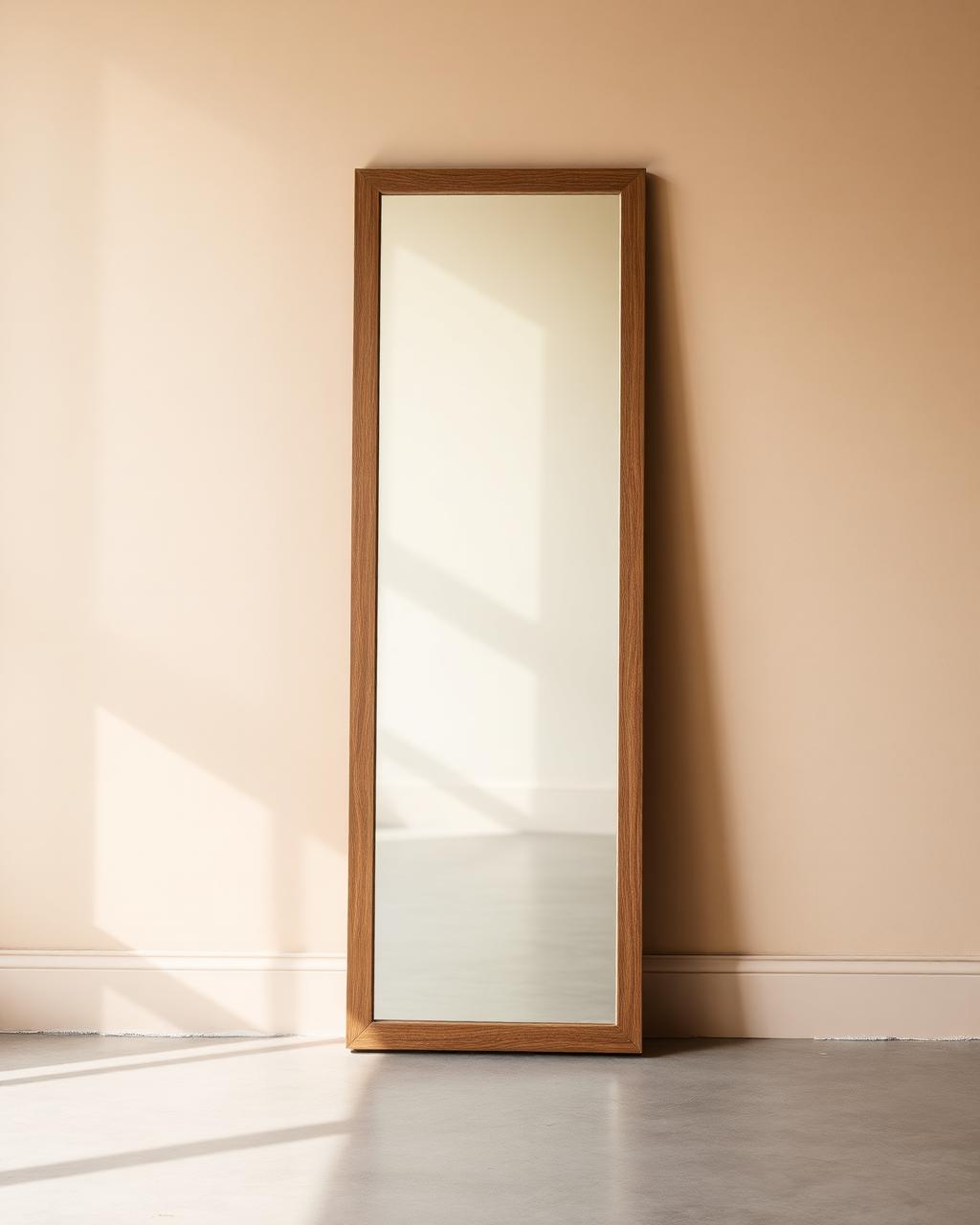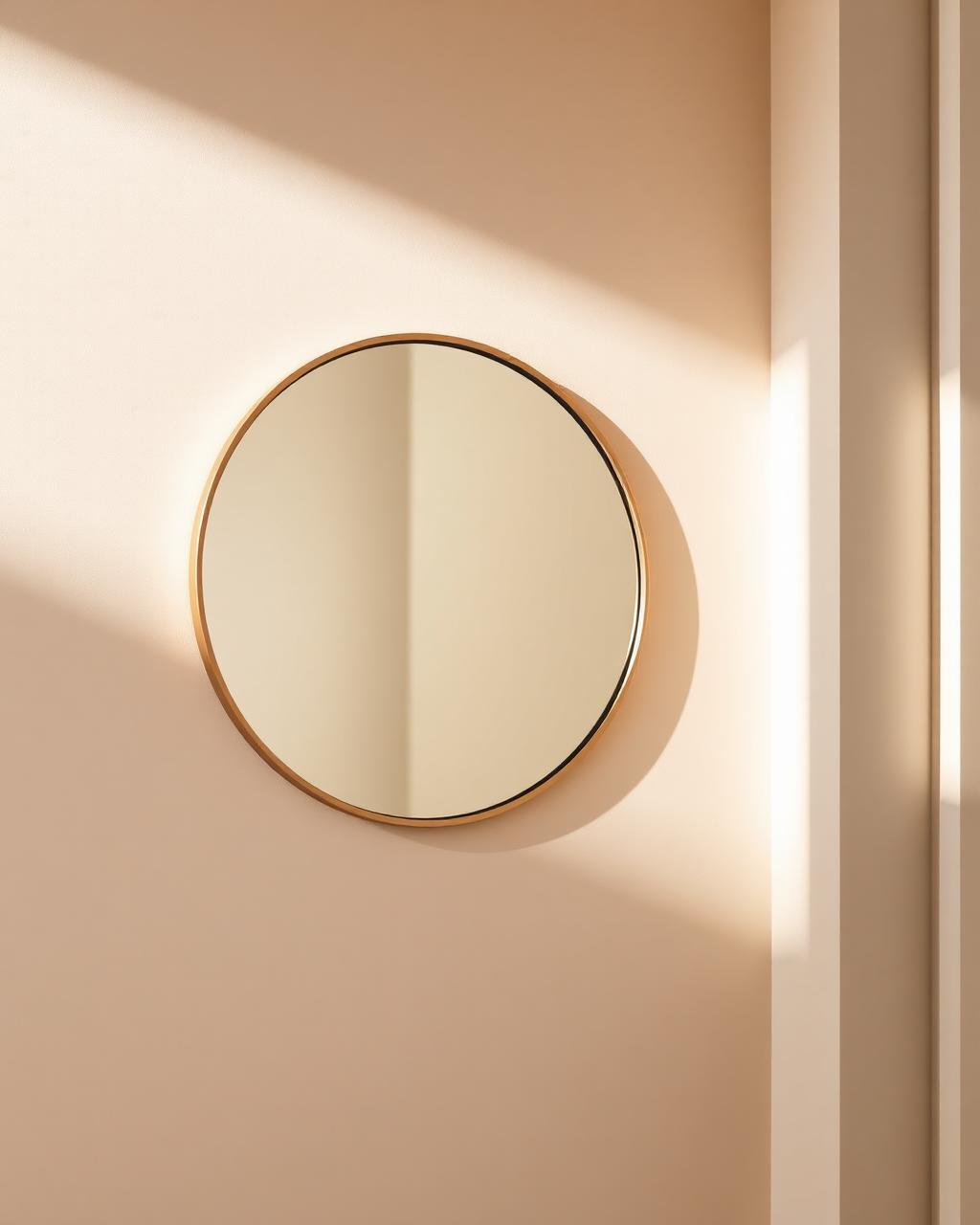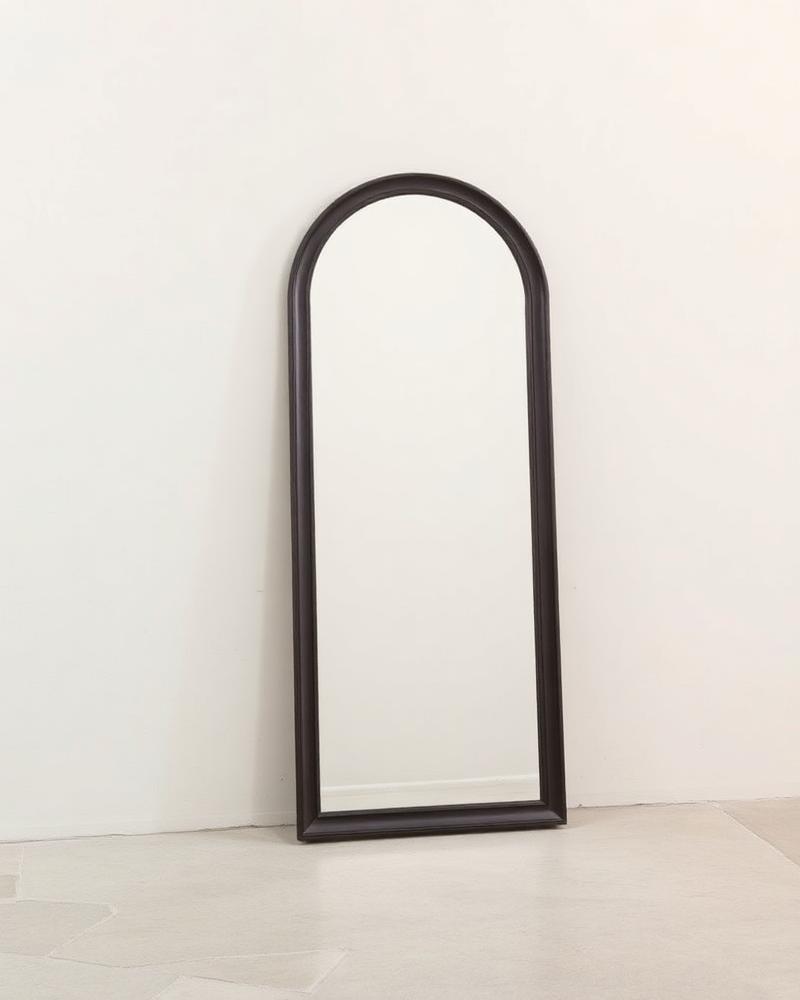
Selene
Oversized Arch Mirror
$1,290
from $108/mo
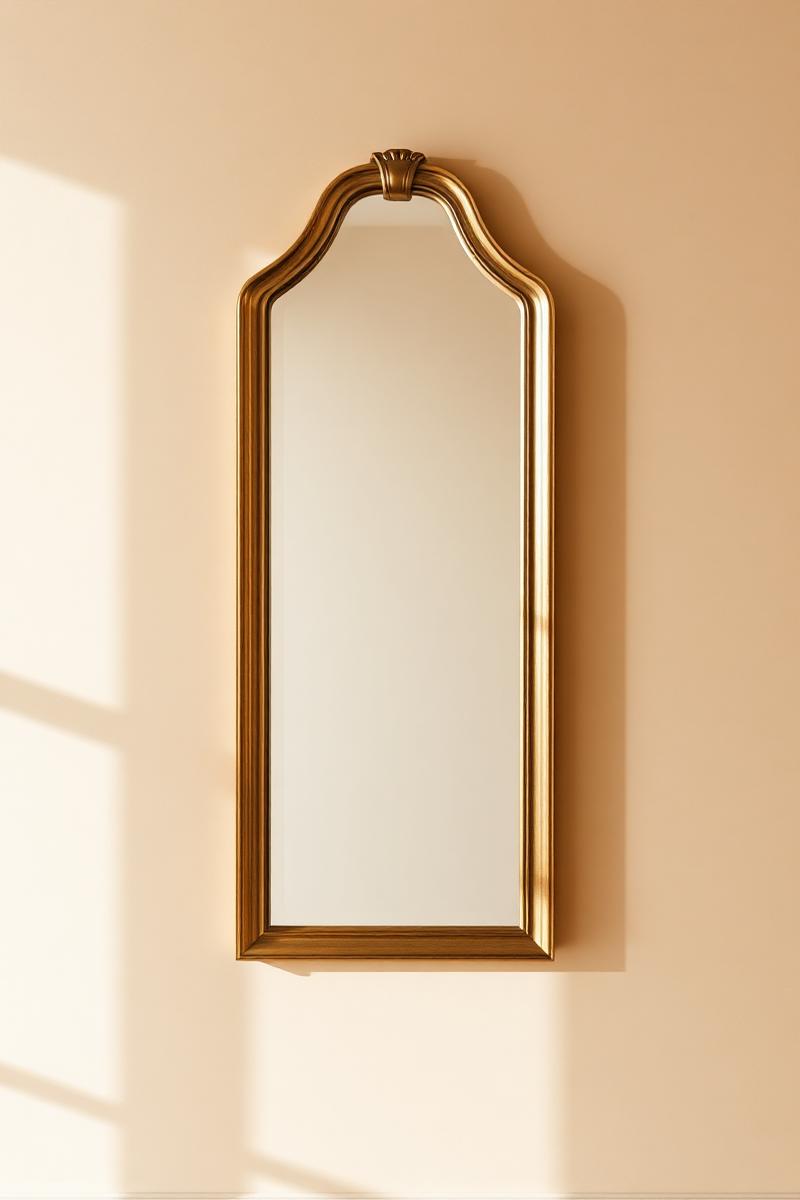
Mirrors
A focused edit of arch mirrors from the mirrors collection — selected for proportion, material and finish.
Pieces from the wider collection, shown separately from the edit above.
The enduring appeal of arch mirrors lies in their ability to soften the geometry of modern interiors whilst maintaining architectural presence. Whether referencing Romanesque portals, Palladian windows, or the gentler curves of Moorish design, an arched mirror introduces a vertical emphasis that guides the eye upward, creating the perception of increased ceiling height and spatial volume.
This classical profile translates with particular grace into contemporary American homes, where clean lines benefit from the contrast of a curved silhouette. The arch form works equally well in minimal settings and maximalist schemes, serving as both focal point and integrating element depending on scale, frame treatment, and placement.
The success of an arched mirror depends largely on understanding the relationship between its dimensions and the wall it occupies. For living rooms and dining areas, consider designs between 72 and 96 inches in height, allowing the arch to make a statement without overwhelming the space. In more intimate settings such as powder rooms or hallways, mirrors ranging from 36 to 60 inches offer sufficient presence whilst maintaining proportion. The width should generally occupy no more than two-thirds of the available wall space, leaving breathing room on either side.
When selecting from our broader mirrors collection, observe the radius of the arch itself. A shallow curve reads as restrained and sophisticated, whilst a pronounced semicircle evokes more traditional or romantic sensibilities. The frame depth also matters: profiles between 2 and 4 inches provide adequate visual weight for larger pieces, whereas slimmer frames suit smaller applications.
Frame composition profoundly affects the character an arched mirror brings to a room. Solid timber frames in oak, walnut, or mahogany offer warmth and craft, their grain patterns adding organic texture that complements both period and contemporary furnishings. Metal frames in brass, bronze, or iron introduce industrial refinement, with gold mirrors providing a particularly versatile option that shifts from warm to cool depending on surrounding light.
Glass quality merits attention. Seek mirrors with minimal distortion across the entire surface, particularly important in larger formats where even slight warping becomes apparent. Bevelled edges add a traditional detail that catches and refracts light, whilst straight-cut glass maintains a cleaner, more modern aesthetic.
Positioning determines how effectively an arched mirror performs both functionally and aesthetically:
Our mirror size calculator provides guidance on determining appropriate dimensions for specific wall areas, though intuition and mock-ups using cardboard templates often prove equally valuable. For further inspiration, our guide to arched window mirror ideas demonstrates how these pieces interact with existing architectural elements.
In entrance halls, an arched mirror establishes immediate elegance whilst serving the practical purpose of final appearance checks before departing. The hallway mirror ideas collection explores this application in depth. For bedrooms, consider full-length arched designs that provide head-to-toe reflection within a frame that feels less utilitarian than rectangular alternatives.
Living spaces benefit from the arch as a counterpoint to angular furniture and linear shelving. When hung above seating areas, ensure the bottom edge sits at least 6 to 8 inches above headrests to maintain proper proportion. Our complete arch mirrors collection demonstrates the range of interpretations possible within this single form.
Preserving the clarity and finish of an arched mirror requires modest but consistent attention. Clean glass surfaces with a solution of equal parts distilled water and white vinegar applied with a microfibre cloth, working from top to bottom to prevent streaking. For frames, dust regularly and treat timber with appropriate wax or oil annually, whilst metal frames benefit from occasional buffing with a soft cloth.
Avoid hanging in direct sunlight where heat can affect adhesive layers over time, and ensure adequate wall support—arched mirrors, particularly larger examples, carry considerable weight and require appropriate fixings into studs or masonry.
The considered selection of an arched mirror represents an investment in a piece that transcends fleeting trends. Browse our full range of wall mirrors to compare profiles and finishes, or consult our comprehensive buying and styling guide for additional technical specifications and design approaches.