Lighting
How to Choose Lights In for Your Kitchen
10 May 2024 · 7 min read · Mont Rose
Selecting the right lights in kitchen spaces transforms both the functionality and atmosphere of what is often the most used room in your home. The kitchen demands a sophisticated lighting approach that accommodates food preparation, cooking, dining, and socialising whilst creating visual warmth and architectural interest. Unlike other rooms where a single overhead fixture might suffice, kitchens require multiple light sources positioned at varying heights and angles to eliminate shadows, highlight work surfaces, and establish zones for different activities. Professional designers typically work with three distinct lighting layers: ambient illumination for overall visibility, task lighting for work areas, and accent lighting to showcase architectural features or decorative elements. When planned correctly, kitchen lighting enhances safety during food preparation, reduces eye strain, and can even make your space appear larger whilst adding significant value to your property.
Quick Answer
Kitchen lighting requires three layers: ambient fixtures providing 50-75 lumens per square foot for general illumination, task lights delivering 75-100 lumens per square foot over work surfaces, and accent lighting at 25-50 lumens to highlight features. Position pendant lights 30-36 inches above islands, under-cabinet strips 18 inches above countertops, and recessed lights 4-6 feet apart for balanced coverage.
01
Understanding the Three Layers of Lights in Kitchen Design
The ambient layer forms the foundation of any kitchen lighting scheme and typically comes from ceiling-mounted fixtures, recessed downlights, or flush-mount designs that distribute light evenly throughout the space. For a kitchen measuring 150 square feet, you will need approximately 7,500 to 11,250 lumens of ambient light, which translates to roughly five to seven recessed fixtures with 1,500-lumen LED bulbs spaced 4 to 6 feet apart in a grid pattern. The colour temperature for ambient lighting should fall between 3,000K and 4,000K, providing a neutral white that renders food colours accurately without the harsh clinical feel of higher kelvin ratings. Ceiling height significantly impacts fixture selection: kitchens with 8-foot ceilings benefit from flush or semi-flush mounts to preserve headroom, whilst 9 to 10-foot ceilings can accommodate pendant fixtures or chandeliers that add vertical interest without interfering with sightlines.
Task lighting addresses the practical requirements of food preparation, cooking, and cleaning by concentrating illumination on specific work surfaces where activities demand precision and safety. Under-cabinet lighting remains the most effective solution for countertop task illumination, with LED strip lights or puck lights installed 18 inches above the worksurface and positioned towards the front edge of the cabinet to minimise shadows cast by your body. Quality under-cabinet systems deliver 300 to 500 lumens per linear foot with a colour rendering index above 90, ensuring vegetables, meats, and sauces appear in their true colours during preparation. The cooker hob requires dedicated lighting from the range hood, typically producing 300 to 600 lumens depending on whether you have a 30-inch or 48-inch range, whilst the sink area benefits from a pendant or recessed fixture positioned directly overhead to illuminate dishwashing tasks without creating glare on the tap fixtures.
Accent lighting introduces drama and dimension by highlighting architectural details, open shelving, glass-front cabinetry, or decorative elements that deserve visual emphasis. Interior cabinet lighting using LED strips with aluminium channels creates a sophisticated display for glassware or china collections, typically requiring 100 to 200 lumens per shelf with warm 2,700K to 3,000K colour temperatures that enhance the warmth of wood interiors and create inviting pools of light. Toe-kick lighting along the base of lower cabinets adds an unexpected contemporary detail whilst improving safety during night-time kitchen visits, using low-output LED strips that consume merely 2 to 3 watts per foot. Consider uplighting above wall cabinets if you have space between the cabinet tops and ceiling, which softly washes the ceiling plane and makes rooms with 9 to 10-foot heights feel more expansive without adding harsh downward illumination.
02
Selecting the Right Fixture Types for Kitchen Lights
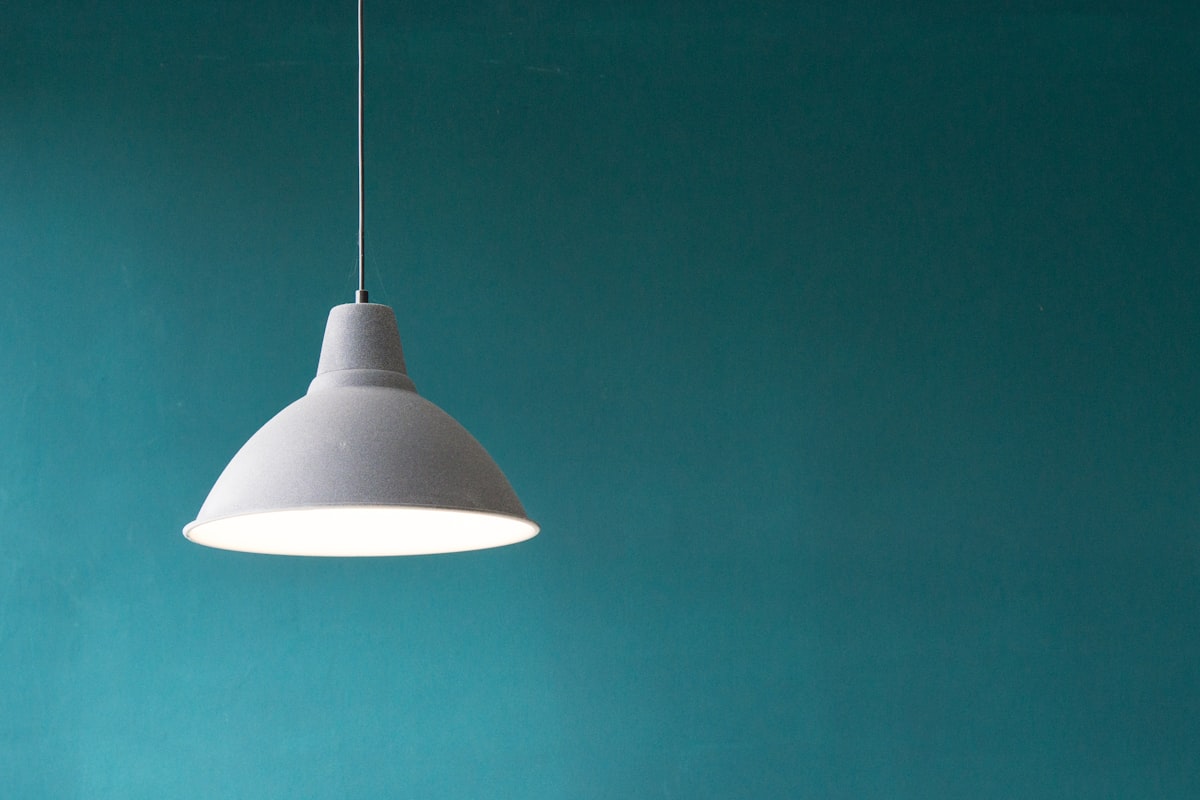
Pendant lights serve as both functional task lighting and decorative focal points, particularly effective when suspended over kitchen islands, peninsulas, or dining tables where their placement will not obstruct traffic flow or sightlines. For an island measuring 72 inches in length, install two pendants spaced 30 to 36 inches apart, or three pendants for islands extending 96 inches or longer, maintaining 30 to 36 inches of clearance between the bottom of the fixture and the countertop surface. The pendant diameter should measure one-third to one-half the width of the island to maintain proper scale: a 36-inch-wide island pairs well with pendants measuring 12 to 18 inches in diameter. Glass pendants with visible bulbs create an airy, transparent quality that suits both traditional and contemporary kitchens, whilst metal shades in brass, bronze, or black iron finishes add sculptural weight and direct light more precisely onto work surfaces. Browse our carefully curated selection at Collections to discover pendant designs that complement your kitchen architecture.
Recessed downlights provide clean, unobtrusive ambient and task lighting that preserves ceiling height and suits modern minimalist aesthetics where visible fixtures might compete with architectural elements or cabinetry. Standard recessed housings measure 4, 5, or 6 inches in diameter, with 5-inch fixtures offering the best balance between light output and visual discreteness in most residential kitchens with 8 to 9-foot ceilings. Position recessed lights 24 to 30 inches away from wall cabinets to illuminate countertop surfaces effectively without creating harsh shadows, and space fixtures approximately 4 feet apart in a symmetrical grid that provides even coverage. Adjustable gimbal trims allow you to angle the light beam up to 35 degrees, directing illumination towards specific work zones or artwork whilst the housing remains fixed in the ceiling plane. Select IC-rated housings if installing in insulated ceilings, and choose LED retrofit kits delivering 650 to 1,000 lumens per fixture with dimming capability to adjust light levels for different times of day and activities.
Track and rail systems offer exceptional flexibility for kitchens where lighting needs may evolve or where angled ceilings, exposed beams, or irregular layouts make recessed installations impractical. Contemporary track systems feature slim profiles measuring 1 to 2 inches wide with finishes in brushed nickel, matte black, or aged brass that coordinate with cabinet hardware and plumbing fixtures. Individual track heads can be positioned anywhere along the rail length and adjusted to illuminate specific zones, making them ideal for kitchens with open shelving that requires flexible accent lighting or for highlighting artwork and collections. A single 8-foot track can accommodate four to six adjustable heads, each producing 500 to 800 lumens and fitted with narrow 25-degree beam angles for precise task lighting or wider 40-degree spreads for ambient fill. Quality track systems accept heads with different lamping technologies, allowing you to mix LED, halogen, or speciality sources depending on the colour rendering requirements for each zone.

03
Measuring and Positioning Lights in Kitchen Work Zones
The kitchen island represents the most versatile work zone and demands careful lighting consideration to support food preparation, casual dining, and social interaction without creating competing visual clutter. When installing pendant lights above an island, measure 30 to 36 inches from the finished countertop height to the bottom of the fixture shade, ensuring adequate task illumination whilst preserving sightlines for conversation across the island. For islands serving dual purposes as both prep surfaces and dining areas, install pendants on a dimmer switch that allows you to reduce light levels by 50 to 70 percent during meals, creating a more intimate atmosphere. The combined lumen output from island pendants should reach 75 to 100 lumens per square foot of island surface: a 36 by 72-inch island covering 18 square feet requires 1,350 to 1,800 lumens total, which three pendants with 450 to 600 lumens each will provide comfortably.
Perimeter countertops where most food preparation occurs demand consistent, shadow-free task lighting that under-cabinet fixtures deliver most effectively when properly specified and installed. Mount under-cabinet light strips or linked puck lights as close to the front edge of the wall cabinet as possible, typically 1 to 2 inches from the face frame, directing light downward at a 45-degree angle that illuminates the full depth of standard 25-inch-deep countertops. For optimal coverage without dark gaps, under-cabinet fixtures should span 75 to 90 percent of the cabinet length: a 36-inch-wide cabinet section needs a 30 to 33-inch light strip to eliminate shadows near the ends. Install these fixtures with a dedicated switch separate from ambient lighting controls, allowing you to illuminate work surfaces during food preparation whilst keeping overhead lights dimmed. Quality LED under-cabinet systems consume merely 6 to 12 watts per foot whilst producing 300 to 500 lumens, delivering brilliant task lighting with minimal energy consumption and virtually no heat generation that might affect items stored in cabinets above.
The sink and cooker zones require dedicated lighting solutions that account for their specific functional demands and the fixtures already present in these locations. Position a recessed downlight or small pendant fixture directly centred over the sink, maintaining 12 to 18 inches of clearance from the window trim if your sink sits below a window, ensuring you have adequate illumination for dishwashing during evening hours when natural light is unavailable. The fixture should produce 400 to 600 lumens to properly illuminate the sink basin and surrounding deck area. Most range hoods incorporate lighting, but these built-in fixtures often produce inadequate illumination: verify your hood delivers at least 300 lumens for a 30-inch range or 500 lumens for ranges 36 inches and wider. If your existing hood lighting proves insufficient, consider replacing it with higher-output LED modules or supplementing with a recessed fixture positioned 18 to 24 inches in front of the range, ensuring it does not create shadows when you stand at the cooker.
04
Choosing Colour Temperature for Kitchen Lighting
Colour temperature, measured in Kelvin, profoundly affects how your kitchen appears and functions, influencing everything from food appearance during preparation to the perceived warmth of the space during social gatherings. The 2,700K to 3,000K range produces warm white light similar to traditional incandescent bulbs, rendering wood cabinetry, copper cookware, and brass fixtures beautifully whilst creating an inviting atmosphere for casual dining and conversation. This warmer temperature suits traditional, farmhouse, and transitional kitchen styles where creating a cosy, intimate feeling takes precedence over clinical task visibility. However, these warmer temperatures can slightly distort food colours, making raw meats appear more done than they actually are and vegetables seem less vibrant than they appear under natural daylight.
The 3,500K to 4,000K neutral white range offers the most versatile solution for kitchen lighting, providing excellent colour rendering for food preparation whilst maintaining enough warmth to feel welcoming rather than institutional. This temperature range closely mimics natural daylight during midday hours, allowing you to assess food colour accurately during preparation and cooking without the cool, sterile quality of higher kelvin ratings. Professional chefs and serious home cooks often prefer lighting in this range for primary task areas, particularly under-cabinet lighting where accurate colour perception directly impacts cooking results. Neutral white temperatures also complement both warm and cool colour palettes, working equally well with cream or white cabinets as with grey or navy blue cabinetry.
Maintaining consistent colour temperature across all layers of your kitchen lighting creates visual harmony and prevents the jarring effect of mixing warm and cool sources in the same space. If you prefer 3,000K ambient lighting from recessed fixtures, specify matching 3,000K under-cabinet task lights and pendants to ensure colour consistency. The human eye adapts to slight variations of 200 to 300 Kelvin, so mixing 2,700K and 3,000K sources appears relatively seamless, but combining 3,000K and 4,000K fixtures in the same sightline creates noticeable colour shift. When replacing bulbs in existing fixtures, note the colour temperature marked on the base or packaging to maintain consistency. LED technology allows precise colour temperature control that was impossible with incandescent sources, but this benefit becomes a liability if you inadvertently mix temperatures when replacing burned-out bulbs.
05
Controlling and Dimming Your Kitchen Lights
Dimming capability transforms kitchen lighting from purely functional illumination into a flexible system that adapts to different times of day, activities, and moods whilst reducing energy consumption and extending bulb life. Every lighting layer should have independent dimming control: ambient ceiling fixtures on one dimmer, pendant lights on a second, under-cabinet task lights on a third, and accent lighting on a fourth. This separation allows you to illuminate only the zones you need for specific activities, running under-cabinet lights alone during morning coffee preparation or dimming ambient fixtures to 30 percent whilst keeping island pendants at full output during evening food prep. Quality LED dimmer switches designed specifically for LED loads prevent the flickering, buzzing, and limited dimming range that occurs when using older dimmer technology designed for incandescent bulbs.
Modern dimming technology extends beyond simple rotary or slider controls to include programmable scene controllers that recall preset lighting levels at the touch of a button. A four-scene controller might store settings for morning, cooking, dining, and evening, each activating a specific combination of light levels across all circuits with a single press. These systems prove particularly valuable in open-plan homes where the kitchen flows into living areas, allowing you to adjust lighting throughout the connected spaces simultaneously. Wireless dimming systems using radio frequency or WiFi protocols eliminate the need for three-way wiring in kitchens with multiple entry points, allowing you to control lights from several locations without running additional cables through finished walls and ceilings.
When selecting LED bulbs and fixtures, verify they specify dimming capability and check the manufacturer's recommended dimmer compatibility to ensure smooth, flicker-free performance throughout the dimming range. Quality dimmable LED sources should dim to 10 percent of full output without flickering, dropping out, or shifting colour temperature, though less expensive products often perform poorly below 25 percent. Test dimming performance before completing your installation, as compatibility issues between specific dimmer models and LED drivers can create problems that are not immediately apparent at full output. Installing a neutral wire in switch boxes, even if not required by current code, provides flexibility for future smart dimming systems that often require neutral connections for power.
06
Integrating Natural Light with Artificial Kitchen Lighting
Natural light from windows, skylights, and glass doors should inform your artificial lighting strategy rather than being treated as a separate consideration, as daylight levels fluctuate dramatically throughout the day and across seasons. Kitchens with large south-facing windows receive abundant natural light during midday hours but may still require task lighting in areas shaded by upper cabinets or during early morning and evening when the sun angle is low. Position your primary food preparation zone adjacent to windows when possible, allowing natural light to supplement or replace artificial task lighting during daytime hours. However, avoid placing the cooker directly in front of a window, as the backlighting creates unsafe conditions by casting shadows over the cooking surface and making it difficult to assess food colour and doneness accurately.
Controlling natural light through window treatments becomes as important as selecting artificial fixtures, particularly in kitchens with western exposure that receive harsh afternoon sun creating glare on polished surfaces and heating the space during summer months. Sheer curtains, roller shades, or adjustable shutters allow you to modulate natural light levels throughout the day whilst maintaining privacy from neighbouring properties. Consider the colour temperature of daylight, which measures 5,000K to 6,500K depending on time of day and sky conditions, when selecting bulb temperatures for artificial sources. Choosing LED bulbs in the 3,500K to 4,000K range creates a more seamless transition between natural and artificial lighting as daylight fades, whereas very warm 2,700K fixtures create obvious colour shifts when both sources are present.
Daylight sensors and astronomical time clocks automate the transition between natural and artificial lighting, dimming or switching off fixtures when ambient light levels reach preset thresholds. These controls reduce energy consumption whilst ensuring consistent illumination regardless of weather conditions or time of year. A properly calibrated daylight sensor installed near windows can reduce artificial lighting use by 30 to 50 percent in kitchens with good natural light, whilst maintaining task illumination at safe, comfortable levels. Combine daylight sensing with occupancy detection for maximum efficiency, automatically switching off lights in pantries, mudrooms, or secondary prep areas when unoccupied for more than 5 to 10 minutes.
07
Budget Planning and Installation Considerations
Kitchen lighting budgets vary enormously depending on fixture quality, room size, and installation complexity, but allocating 8 to 12 percent of your total kitchen renovation budget to lighting typically produces a well-designed, professionally executed result. For a modest 120-square-foot kitchen, expect to invest between 1,800 and 3,500 pounds for a complete lighting package including quality fixtures, dimming controls, and professional installation. This budget accommodates five to seven recessed downlights at 75 to 150 pounds each, two to three island pendants at 200 to 400 pounds each, under-cabinet LED systems at 80 to 150 pounds per linear metre, and dimming controls at 60 to 120 pounds per circuit. Larger kitchens exceeding 200 square feet or projects specifying designer pendant fixtures, architectural track systems, or integrated control systems should budget 4,000 to 8,000 pounds or more.
Professional electrical installation ensures your lighting system meets building codes, functions safely, and achieves the design intent without compromising structural elements or creating fire hazards in ceiling cavities. Licensed electricians charge between 50 and 95 pounds per hour depending on your location and project complexity, with complete kitchen lighting installations typically requiring 16 to 32 hours including circuit routing, fixture installation, switching, and dimming controls. New construction or gut renovations allow electricians to route circuits efficiently before drywall installation, whilst retrofit projects in finished kitchens require more labour to fish cables through closed walls and ceilings. Discuss your lighting plan with your electrician before finalising fixture selections, as some decorative pendants require specific junction box types or additional structural support that affects installation costs and feasibility.
LED technology dominates modern kitchen lighting due to its superior energy efficiency, 25,000 to 50,000-hour rated life, and excellent colour rendering, but initial fixture costs run 30 to 50 percent higher than equivalent halogen or fluorescent products. This premium investment recovers quickly through reduced energy consumption and virtually eliminated maintenance costs: a kitchen using 800 watts of halogen lighting for 5 hours daily consumes 1,460 kilowatt-hours annually at a cost of approximately 365 pounds, whilst an equivalent LED system using 200 watts consumes 365 kilowatt-hours costing merely 91 pounds per year. Beyond energy savings, quality LED fixtures eliminate the frequent bulb replacements required by halogen sources, which typically fail after 2,000 to 4,000 hours, creating ongoing maintenance headaches in hard-to-reach locations like vaulted ceilings or above islands.
FAQ
Frequently Asked Questions
- How many pendant lights do I need over my kitchen island?
- Install one pendant for every 24 to 30 inches of island length, maintaining 30 to 36 inches between fixture centres. A 60-inch island typically requires two pendants, whilst 96-inch islands accommodate three. Ensure each pendant produces 450 to 600 lumens for adequate task lighting and maintain 30 to 36 inches clearance from countertop to fixture bottom.
- What colour temperature is best for kitchen lighting?
- Choose 3,500K to 4,000K neutral white for the most versatile kitchen lighting that accurately renders food colours during preparation whilst maintaining a welcoming atmosphere. This range mimics natural daylight and complements both warm and cool design palettes. Maintain consistent colour temperature across all fixtures in the same space to prevent jarring colour shifts.
- Should under-cabinet lights be warm or cool?
- Select 3,000K to 3,500K for under-cabinet task lighting to balance accurate colour rendering for food preparation with visual warmth that complements wood cabinetry and creates an inviting atmosphere. Avoid temperatures below 2,700K that distort food colours or above 4,000K that feel clinical. Ensure your under-cabinet fixtures deliver 300 to 500 lumens per linear foot for adequate task illumination.
- How far apart should recessed lights be in a kitchen?
- Space recessed downlights 4 to 6 feet apart in a symmetrical grid pattern for even ambient illumination in kitchens with standard 8 to 9-foot ceilings. Position fixtures 24 to 30 inches away from wall cabinets to properly illuminate countertops without creating shadows. Use 5-inch housings with 650 to 1,000 lumen LED retrofit kits for optimal coverage in most residential kitchens.
- Can I mix different metal finishes in kitchen lighting?
- Mixing metal finishes creates visual interest when limited to two or three coordinated finishes that each appear multiple times throughout the space. Pair warm metals like brass and bronze together or cool metals like polished nickel and chrome, avoiding warm and cool combinations. Ensure cabinet hardware, plumbing fixtures, and lighting share at least one common finish to create cohesion rather than appearing random.
- Do I need a special dimmer switch for LED kitchen lights?
- Yes, LED fixtures require dimmers specifically designed for LED loads to prevent flickering, buzzing, and limited dimming range. Standard incandescent dimmers lack the electronics needed to properly control LED drivers. Choose dimmers rated for the total wattage of connected fixtures and verify compatibility with your specific LED products, as performance varies significantly between dimmer and fixture combinations.
Continue Reading
Related Reading
12 August 2026
The Ultimate Guide to Choosing the Perfect Mirror for Your Space
29 July 2026
How to Style a Coffee Table Like a Designer
14 July 2026
Decorative Objects: How to Curate a Collected Look
1 August 2026
Abstract Sculptural Objects in Home Decor
29 July 2026
How to Choose Accent Chair For for Your Living Room
26 July 2026
How to Choose Accent Chair for Your Living Room
23 July 2026
Accent Chair Living Room Placement
20 July 2026
How to Choose Accent Chairs for Your Living Room
17 July 2026
Accent Tables for Small Spaces
14 July 2026
Accent Table Styling: 5 Foolproof Formulas
11 July 2026
Alabaster Lighting: Natural Luxury for Every Room
8 July 2026
Antiqued Mirror Glass Guide and Styling
5 July 2026
Arc Floor Lamp: Types, Sizes & How to Choose
2 July 2026
Arched Mirrors: A Complete Buying and Styling Guide
29 June 2026
Arched Window Mirror Ideas
26 June 2026
How to Arrange Decorative Objects on a Bookshelf
23 June 2026
The Art of Decorative Tray Styling for Coffee Tables
20 June 2026
Artwork For Wall: Styling Tips & Best Picks
17 June 2026
How to Choose the Right Bar Height Table
14 June 2026
Bar Stools with Backs: Comfort Meets Style
11 June 2026
Basket For Blankets: Materials, Sizes & Buying Guide
8 June 2026
Baskets For Storage: Styling Tips & Best Picks
5 June 2026
How to Choose Accessories for Your Bathroom
2 June 2026
How to Choose Decor for Your Bathroom

30 May 2026
Bathroom Decor Ideas for Every Style
27 May 2026
How to Choose Fan With Light for Your Bathroom
24 May 2026
How to Choose Fixtures for Your Bathroom
21 May 2026
Bathroom Light Fixtures: Style and Safety
18 May 2026
How to Choose Light Fixtures for Your Bathroom
15 May 2026
How to Choose Light for Your Bathroom
12 May 2026
How to Choose Lighting for Your Bathroom
9 May 2026
How to Choose Medicine Cabinet for Your Bathroom
6 May 2026
How to Choose a Bathroom Mirror: Size and Style Guide
3 May 2026
Bathroom Mirror Size Guide: Finding the Right Fit
30 April 2026
How to Choose a Bathroom Mirror: Size and Style Guide
27 April 2026
How to Choose a Bathroom Mirror: Size and Style Guide
24 April 2026
How to Choose Rug for Your Bathroom
21 April 2026
How to Choose Rug Set for Your Bathroom
18 April 2026
The Best Bathroom Rugs for Style and Comfort
15 April 2026
How to Choose Sconce for Your Bathroom
12 April 2026
How to Choose Sconces for Your Bathroom
9 April 2026
How to Choose Shelf for Your Bathroom
6 April 2026
How to Choose Shelves for Your Bathroom
3 April 2026
How to Choose Towel Rack for Your Bathroom
31 March 2026
How to Choose Vanities for Your Bathroom
28 March 2026
Bathroom Vanity Mirror Ideas
25 March 2026
Bed Pillow Arrangement: How Many and What Sizes
22 March 2026
Bedding Colour Palettes for a Calm Bedroom
19 March 2026
Bedroom Accent Chair Placement Ideas
16 March 2026
Bedroom Bench at End of Bed: Sizing and Style Guide
13 March 2026
How to Choose Bench for Your Bedroom
10 March 2026
Bedroom Bench Styling Ideas
7 March 2026
How to Choose Chair for Your Bedroom
4 March 2026
Bedroom Chair Ideas for Style and Function
1 March 2026
Bedroom Curtain Ideas for Light and Privacy
26 February 2026
How to Choose Curtains for Your Bedroom
23 February 2026
How to Choose a Bedroom Dresser: Size, Style, and Material
20 February 2026
Bedroom Furniture Arrangement Ideas
17 February 2026
How to Choose Lamp for Your Bedroom
14 February 2026
How to Choose Lamps for Your Bedroom
11 February 2026
Bedroom Lighting Ideas: Layers, Moods, and Fixtures
8 February 2026
Bedroom Mirror Ideas: Placement and Styling
5 February 2026
Bedroom Pillow Layering Guide
2 February 2026
How to Choose Rugs for Your Bedroom
30 January 2026
Bedroom Seating Area Ideas
27 January 2026
Bedroom Side Table Ideas and Styling
24 January 2026
Bedroom Textile Layering Tips
21 January 2026
Bedroom Throw Pillow Ideas
18 January 2026
How to Choose Vanity for Your Bedroom
15 January 2026
How to Choose the Right Behind Couch Table
12 January 2026
How to Choose the Right Behind The Couch Table
9 January 2026
The Best Bedding for Your Home
6 January 2026
Bedding Materials Compared: Linen, Percale, Sateen, Silk
3 January 2026
Best Throw Pillow Sizes for Sofas and Beds
31 December 2025
The Best Throw Pillow Sizes for Sofas and Beds
28 December 2025
Black Framed Mirror Ideas
25 December 2025
Blackout Curtains Without the Bulk
22 December 2025
Bookshelf Decorative Objects Styling
19 December 2025
Bookshelf Styling with Mirrors and Objects
16 December 2025
Boudoir Chair Styling Guide for Elegant Bedrooms
13 December 2025
Brass Decorative Objects Styling
10 December 2025
Brass Lighting Fixtures: The Warm Metallic Guide
7 December 2025
C-Table Buying Guide: Styles, Sizes and Uses
4 December 2025
Cashmere Throw Blanket Care and Styling
1 December 2025
Ceiling Flush Mount Light: Types, Sizes & How to Choose
28 November 2025
Ceramic Bowls as Home Decor Accents
25 November 2025
Ceramic Vase Styling Tips for Every Room
22 November 2025
How to Choose the Right Chair For Table
19 November 2025
How to Choose Chairs For for Your Kitchen
16 November 2025
How to Choose Chairs For Your Living Room
13 November 2025
How to Choose the Right Chairs For Sale
10 November 2025
How to Choose the Right Chairs For Table
7 November 2025
Chandelier For Dining: Types, Sizes & How to Choose
4 November 2025
How Low Should a Chandelier Hang Above a Table?
1 November 2025
The Complete Guide to Chandeliers
29 October 2025
How to Choose a Dining Room Chandelier
26 October 2025
Cocktail Ottoman vs Coffee Table: How to Choose
23 October 2025
Coffee Table Books: How to Style Them Beautifully
20 October 2025
Coffee Table Centerpiece Ideas
17 October 2025
Coffee Table Styling Mistakes to Avoid
14 October 2025
Coffee Table Tray Styling
11 October 2025
How to Choose the Right Coffee Table With Glass
8 October 2025
The Complete Guide to Cushion Inserts and Fillings
5 October 2025
The Complete Guide to Mirror Sizes for Every Room
2 October 2025
The Complete Guide to Side Table Heights and Placement
29 September 2025
The Complete Guide to Nesting Tables
26 September 2025
Console Table Behind Sofa: Styling Guide
23 September 2025
Console Table Behind Sofa Ideas
20 September 2025
How to Choose Console Table for Your Entryway
17 September 2025
Console Table Styling: 7 Designer-Approved Formulas
14 September 2025
How to Choose the Right Console Table With Storage
11 September 2025
Contemporary Furniture: Style Guide & Expert Picks
8 September 2025
Convex Mirror Decorating Ideas for Every Room
5 September 2025
How Much Does It Cost to Furnish a Living Room?
2 September 2025
Cotton Duvet Covers: Why They're Worth It
30 August 2025
How to Choose the Right Counter Height Bar Stool
27 August 2025
How to Choose the Right Counter Height Bar Stools
24 August 2025
How to Choose the Right Counter Height Chairs
21 August 2025
How to Choose the Right Counter Height Stool
18 August 2025
Counter Height Stools: A Sizing and Style Guide
15 August 2025
Cozy Throw Blanket Ideas for Every Room
12 August 2025
Credenza Styling Tips for Modern Homes
9 August 2025
Credenza vs Sideboard vs Buffet: Key Differences
6 August 2025
Curtain Header Styles Compared
3 August 2025
Curtain Rod Guide: Diameters, Finishes, Brackets
31 July 2025
Curtains: A Complete Buying and Styling Guide
28 July 2025
How to Choose Curtains for Your Living Room
25 July 2025
How to Choose Curtains for Your Living Room
22 July 2025
How to Choose the Right Cushions For Chairs
19 July 2025
How to Choose Decor For for Your Kitchen
16 July 2025
Decor Wall Decor: Styling Tips & Best Picks
13 July 2025
Decorative Bowls for Entryway Tables
10 July 2025
Decorative Bowls: Styling Ideas for Every Surface
7 July 2025
Decorative Boxes: Storage That's Beautiful
4 July 2025
Decorative Boxes for Vanity Styling
1 July 2025
Decorative Candle Holders Styling Guide
28 June 2025
Decorative Objects for Bedroom Dressers
25 June 2025
How to Choose Decorative Objects for Coffee Tables
22 June 2025
Decorative Pillow Arrangement Ideas for Every Bed
19 June 2025
Decorative Pillow Sizes Guide for Sofas
16 June 2025
Decorative Table Runner Ideas
13 June 2025
Decorative Throw Pillow Combinations That Work
10 June 2025
Decorative Trays for Bedroom Styling
7 June 2025
Decorative Vases: Styling Empty vs Filled
4 June 2025
Demilune Console Table: The Complete Guide
1 June 2025
How to Choose Chair for Your Dining Room
29 May 2025
How to Choose Dining Room Chairs
26 May 2025
How to Choose Chandelier for Your Dining Room
23 May 2025
How to Choose a Dining Room Chandelier
20 May 2025
How to Choose Dining for Your Dining Room
17 May 2025
How to Choose Light Fixture for Your Dining Room
14 May 2025
Dining Room Mirror Ideas
11 May 2025
How to Choose Rug for Your Dining Room
8 May 2025
How to Choose Set for Your Dining Room
5 May 2025
Dining Room Sideboard Styling Ideas
2 May 2025
How to Choose Table for Your Dining Room
29 April 2025
How to Choose Tables for Your Dining Room
26 April 2025
How to Choose Dining Table Kitchen Table for Your Kitchen
23 April 2025
Dining Table Seating Chart: Size by Guest Count
20 April 2025
How to Choose the Right Dining Table Set For 6
17 April 2025
Double Vanity Mirror Ideas
14 April 2025
How to Choose the Right Dresser Small
11 April 2025
How to Choose the Right Dresser With Drawers
8 April 2025
How to Choose the Right Dressers For Sale
5 April 2025
Duvet Cover: Materials, Sizes & Buying Guide
2 April 2025
Duvet Cover King: Materials, Sizes & Buying Guide
30 March 2025
Duvet vs Comforter: The Real Difference
27 March 2025
End Table vs Side Table: What's the Difference
24 March 2025
How to Choose End Tables For for Your Living Room
21 March 2025
How to Choose Bench for Your Entryway
18 March 2025
How to Choose Console Table for Your Entryway
15 March 2025
Entryway Console Table Height Guide
12 March 2025
How to Choose Furniture for Your Entryway
9 March 2025
Entryway Lighting: Making a First Impression
6 March 2025
How to Choose Rug for Your Entryway
3 March 2025
Entryway Table Decor Ideas
28 February 2025
How to Choose Table for Your Entryway
25 February 2025
How to Choose Table With Storage for Your Entryway
22 February 2025
Exterior Lamp: Types, Sizes & How to Choose
19 February 2025
Exterior Light Fixture: Types, Sizes & How to Choose
16 February 2025
Exterior Light Fixtures: Types, Sizes & How to Choose
13 February 2025
Exterior Light: Types, Sizes & How to Choose
10 February 2025
Exterior Wall Light: Types, Sizes & How to Choose
7 February 2025
Faux Fur Throw Blanket Styling Ideas
4 February 2025
The Complete Guide to Floor Fan
1 February 2025
Floor Lamp: Types, Sizes & How to Choose
29 January 2025
The Best Floor Lamps for Living Rooms
26 January 2025
Floor Lamps: Types, Sizes & How to Choose
23 January 2025
Floor Lamps for Living Room: A Styling Guide
20 January 2025
Floor Length Mirror: Sizes, Styles & Placement Guide
17 January 2025
Floor Mirror Buying Guide: Sizes, Styles & Placement
14 January 2025
Floor Mirror: Sizes, Styles & Placement Guide
11 January 2025
Flush Mount Ceiling Fixture: Types, Sizes & How to Choose
8 January 2025
Flush Mount Ceiling Light: Types, Sizes & How to Choose
5 January 2025
Flush Mount Ceiling Lights: Low Profile Elegance
2 January 2025
Flush Mount Light Fixture: Types, Sizes & How to Choose
30 December 2024
Foyer Furniture Arrangement Guide
27 December 2024
Frameless Mirror Ideas for Modern Decor
24 December 2024
French Style Mirrors: A Complete Guide
21 December 2024
Full Length Mirror Bedroom Placement Ideas
18 December 2024
Full Length Mirror: Sizes, Styles & Placement Guide
15 December 2024
Gilded Mirrors: History, Styles and Care
12 December 2024
Glass Coffee Table Styling Ideas and Tips
9 December 2024
Glass Vases for Flower Arranging
6 December 2024
Gold Mirror Decorating Ideas
3 December 2024
Guest Bedroom Textile Ideas
30 November 2024
Hallway Mirror Ideas to Brighten Your Space
27 November 2024
Hang Light: Types, Sizes & How to Choose
24 November 2024
How to Choose the Right Hanging Chair
21 November 2024
Hanging Light: Types, Sizes & How to Choose
18 November 2024
Hanging Lights: Types, Sizes & How to Choose
15 November 2024
How to Choose the Right High Top Table
12 November 2024
The History of the Venetian Mirror
9 November 2024
Home Decor Ideas for Every Style
6 November 2024
How to Choose the Right Home Office Desk
3 November 2024
Horizontal Mirror Above Dresser Ideas
31 October 2024
How High to Hang a Mirror Above a Console Table
28 October 2024
How Many Recessed Lights Per Room?
25 October 2024
How to Care for Linen Bedding
22 October 2024
How to Care for Silk Cushions and Pillows
19 October 2024
How to Choose the Right Bedroom Mirror Size
16 October 2024
How to Choose the Right Console Table Size
13 October 2024
How to Choose the Perfect Coffee Table for Your Sofa
10 October 2024
How to Choose the Perfect Entryway Mirror for Your Home
7 October 2024
How to Choose a Throw Blanket for Your Sofa
4 October 2024
How to Clean and Care for Antique Mirrors
1 October 2024
Sculptural Objects: How to Display Modern Art Pieces
28 September 2024
How to Hang Curtains Properly
25 September 2024
How to Hang Multiple Mirrors on One Wall
22 September 2024
How to Layer a Bed Like a Designer
19 September 2024
How to Layer Textiles for a Luxurious Bedroom
16 September 2024
How to Measure a Room for Furniture
13 September 2024
How to Measure for a Bathroom Mirror
10 September 2024
How to Measure for Curtains
7 September 2024
How to Mix Throw Pillow Patterns Like a Designer
4 September 2024
How to Style a Bedroom Dresser Like an Interior Designer
1 September 2024
How to Style a Mantel with Mirrors and Objects
29 August 2024
The Complete Guide to Interior Designer
26 August 2024
King Duvet Cover: Materials, Sizes & Buying Guide
23 August 2024
King Size Blanket: Materials, Sizes & Buying Guide
20 August 2024
King vs Queen Bedding Sizes: A Fit Guide
17 August 2024
How to Choose Cabinet Hardware for Your Kitchen
14 August 2024
How to Choose Ceiling Lights for Your Kitchen
11 August 2024
How to Choose Chairs for Your Kitchen
8 August 2024
How to Choose Island Lighting for Your Kitchen
5 August 2024
How to Choose Light Fixture for Your Kitchen
2 August 2024
Kitchen Light Fixtures: Types, Placement, and Style
30 July 2024
How to Choose Light for Your Kitchen
27 July 2024
How to Choose Lights for Your Kitchen
24 July 2024
How to Choose Pendant Light for Your Kitchen
21 July 2024
How to Choose Pendant Lights for Your Kitchen
18 July 2024
How to Choose Runner for Your Kitchen
15 July 2024
How to Choose Runner Rugs for Your Kitchen
12 July 2024
How to Choose Stool for Your Kitchen
9 July 2024
How to Choose Table for Your Kitchen
6 July 2024
Lamp Shade Guide: Shapes, Sizes, and Materials
3 July 2024
Lamp With Shade: Types, Sizes & How to Choose
30 June 2024
Large Picture Frames: Styling Tips & Best Picks
27 June 2024
Large Wall Art: Styling Tips & Best Picks
24 June 2024
Large Wall Clock: Styling Tips & Best Picks
21 June 2024
Large Wall Mirror Placement Tips
18 June 2024
Leaning Mirror Safety Tips and Styling Ideas
15 June 2024
How to Choose the Right Lift Top Cocktail Table
12 June 2024
How to Choose Light Fixtures For for Your Kitchen
9 June 2024
How to Choose the Right Light For Desk
6 June 2024
Light For Wall: Types, Sizes & How to Choose
3 June 2024
Light Hanging: Types, Sizes & How to Choose
31 May 2024
Light Switch Cover: Types, Sizes & How to Choose
28 May 2024
Light Switch Covers: Types, Sizes & How to Choose
25 May 2024
How to Choose a Bathroom Mirror: Size and Style Guide
22 May 2024
How to Light a Living Room: A Layered Approach
19 May 2024
How to Choose Lighting For for Your Kitchen
16 May 2024
How to Choose Lights For Island for Your Kitchen
13 May 2024
Lights For Wall: Types, Sizes & How to Choose
7 May 2024
Linear Chandeliers for Dining Tables and Kitchens
4 May 2024
Linen Curtains: Why Designers Keep Choosing Them
1 May 2024
Linen Tablecloth Styling Guide
28 April 2024
Linen vs Cotton Sheets: Which Should You Choose?
25 April 2024
How to Choose the Right Liquor Cabinet
22 April 2024
How to Choose Accent Chairs for Your Living Room
19 April 2024
How to Choose Chair for Your Living Room
16 April 2024
The Best Chairs for Your Living Room
13 April 2024
Living Room Curtain Ideas That Read Architectural
10 April 2024
Living Room Furniture Layout Guide
7 April 2024
How to Choose Lamp for Your Living Room
4 April 2024
How to Choose Lamps for Your Living Room
1 April 2024
Living Room Mirror Placement: 10 Designer Rules
29 March 2024
How to Choose the Right Rug for Your Living Room
26 March 2024
How to Choose the Right Rug for Your Living Room
23 March 2024
How to Choose Table for Your Living Room
20 March 2024
How to Choose the Right Long Dresser
17 March 2024
Lumbar Pillow Sofa Styling Tips
14 March 2024
Luxury Bedding: A Complete Buying Guide
11 March 2024
Luxury Furniture: Style Guide & Expert Picks
8 March 2024
Luxury Home Decor: Styling Tips & Best Picks
5 March 2024
Mantel Decor Ideas Without a Mirror
2 March 2024
Marble Coffee Table Care and Maintenance Guide
28 February 2024
Marble Tray Styling Ideas
25 February 2024
Marble vs Brass: Choosing Side Table Materials
22 February 2024
How to Choose the Right Medicine Cabinet With Mirror
19 February 2024
Mid Century Modern Furniture: Style Guide & Expert Picks
16 February 2024
Mirror Frame Styles Explained: A Design Dictionary
13 February 2024
Mirror Grouping Ideas for Living Rooms
10 February 2024
Mirror On Wall: Sizes, Styles & Placement Guide
7 February 2024
Mirror Over Fireplace Ideas and Design Rules
4 February 2024
Mirror Reflection Placement Tips
1 February 2024
Mirror Vanity Mirror: Sizes, Styles & Placement Guide
29 January 2024
Mirror Wall Decor: Sizes, Styles & Placement Guide
26 January 2024
Mirror Wall Mirror: Sizes, Styles & Placement Guide
23 January 2024
How to Choose the Right Modern Bar Stools
20 January 2024
Modern Chandelier: Types, Sizes & How to Choose
17 January 2024
Modern Chandeliers: Contemporary Statement Lighting
14 January 2024
How to Choose the Right Modern Coffee Table
11 January 2024
How to Choose the Right Modern Dining Chairs
8 January 2024
How to Choose the Right Modern Dining Table
5 January 2024
Modern Floor Lamp: Types, Sizes & How to Choose
2 January 2024
Modern Furniture: Style Guide & Expert Picks
30 December 2023
Modern Wall Mirror Ideas
27 December 2023
Narrow Console Table Styling
24 December 2023
Neutral Throw Pillow Ideas
21 December 2023
Nightstand Styling Ideas for Every Bedroom
18 December 2023
How to Choose the Right Office Desk
15 December 2023
Ottoman Coffee Tables: Styling and Placement Tips
12 December 2023
Ottoman Styling for Living Rooms
9 December 2023
Outdoor Light Fixtures: Porch, Patio, and Pathway
6 December 2023
Oval Mirror Bathroom Ideas
3 December 2023
How to Choose the Right Oversized Chair
30 November 2023
Oversized Floor Mirror Placement Guide
27 November 2023
Oversized Mirrors: How to Use Them in Small Spaces
24 November 2023
Parsons Table Decorating Ideas for Modern Homes
21 November 2023
Patterned Throw Pillow Mixing Guide
18 November 2023
Pedestal Side Tables: A Timeless Design Guide
15 November 2023
How to Choose Pendant Light for Your Kitchen
12 November 2023
How to Choose Pendant Lighting For Island for Your Kitchen
9 November 2023
How to Choose Pendant Lights For for Your Kitchen
6 November 2023
How to Choose Pendant Lights for a Kitchen Island
3 November 2023
Pendant Lights for Kitchen Islands: Spacing and Sizing
31 October 2023
How to Choose the Right Pillows For Couch
28 October 2023
How to Choose the Right Pillows For Sofa
25 October 2023
Pivot Mirror vs Wall Mounted: Which Is Right for You
22 October 2023
Powder Room Mirror Ideas
19 October 2023
Queen Duvet Cover: Materials, Sizes & Buying Guide
16 October 2023
How to Choose Recessed Lighting For S for Your Kitchen
13 October 2023
How to Choose Recessed Lighting In for Your Kitchen
10 October 2023
How to Choose Rectangular Table for Your Kitchen
7 October 2023
Round Coffee Table Styling Tips
4 October 2023
How to Choose the Right Round Dining Table For 4
1 October 2023
How to Choose Round Table for Your Kitchen
28 September 2023
Round Side Table Styling Ideas
25 September 2023
Round vs Rectangular Mirrors: Which Shape Is Right?
22 September 2023
Rug Sizes: Sizing, Materials & Style Guide
19 September 2023
How to Choose Rugs For for Your Living Room
16 September 2023
Rugs For Sale: Sizing, Materials & Style Guide
13 September 2023
The Rule of Three: Styling Decorative Objects
10 September 2023
Sculptural Lighting: When Fixtures Become Art
7 September 2023
Sculptural Vases for Modern Homes
4 September 2023
How to Choose the Right Sectional Couches For Sale
1 September 2023
Sheer Curtains: Softening Light Without Losing It
29 August 2023
Side Table Decor Ideas for Living Rooms
26 August 2023
How to Choose Side Table For for Your Living Room
23 August 2023
How to Choose Side Table for Your Living Room
20 August 2023
How to Choose Side Tables for Your Living Room
17 August 2023
Silk Pillowcase Decorating and Care
14 August 2023
Size Rug: Sizing, Materials & Style Guide
11 August 2023
How to Choose the Right Slipcover Couch
8 August 2023
Slipcover Sofas: Pros, Cons, and Best Picks
5 August 2023
How to Choose the Right Slipcovered Sofa
2 August 2023
Slipper Chair Decorating Ideas for Small Spaces
30 July 2023
How to Choose the Right Small Coffee Table
27 July 2023
Small Console Table Ideas
24 July 2023
How to Choose the Right Small Dresser
21 July 2023
Small Lamp: Types, Sizes & How to Choose
18 July 2023
Small Space Mirror Tricks to Expand Your Room
15 July 2023
Console Table Behind Sofa: Styling Guide
12 July 2023
How to Choose the Right Sofa Table Behind
9 July 2023
Square Mirror Design Ideas for Modern Homes
6 July 2023
Staircase Chandeliers: How to Choose One
3 July 2023
Standard Curtain Lengths and How to Pick One
30 June 2023
How to Choose Stools For for Your Kitchen
27 June 2023
How to Choose Stools For Island for Your Kitchen
24 June 2023
Storage Bench Bedroom Ideas
21 June 2023
Sunburst Mirror Placement Guide
18 June 2023
Switch For Lights: Types, Sizes & How to Choose
15 June 2023
Console Table Behind Sofa: Styling Guide
12 June 2023
Table Lamps for Bedside: Heights and Styles
9 June 2023
How to Choose Table Lamps For Your Living Room
6 June 2023
Table Runner Length Guide
3 June 2023
Table Runner Styling: Modern Ways to Use Them
31 May 2023
How to Choose the Right Tall Dresser
28 May 2023
Tall Lamp: Types, Sizes & How to Choose
25 May 2023
Thread Count Explained: What Actually Matters
22 May 2023
Best Throw Blanket Colors for Neutral Sofas
19 May 2023
How to Choose the Right Throw Pillows For Couch
16 May 2023
How to Choose the Right Tray For Coffee Table
13 May 2023
Tray Top Coffee Table Ideas and Uses
10 May 2023
Trestle Dining Table Decorating Ideas
7 May 2023
Upholstered Bench Bedroom Ideas
4 May 2023
Vanity Mirror Height Standards and Guidelines
1 May 2023
Vanity Mirror Vanity: Sizes, Styles & Placement Guide
28 April 2023
Vanity Mirror With Lights: Types, Sizes & How to Choose
25 April 2023
Vanity With Mirror And Lights: Types, Sizes & How to Choose
22 April 2023
Velvet Accent Chair Decorating Ideas
19 April 2023
Velvet vs Linen: Choosing Luxury Cushion Fabrics
16 April 2023
How to Choose Wall Art For for Your Living Room
13 April 2023
How to Choose Wall Decor For for Your Living Room
10 April 2023
Wall Mirror Above Sofa Ideas and Placement
7 April 2023
Wall Mirror Wall: Sizes, Styles & Placement Guide
4 April 2023
Wall Sconces: Types, Placement, and Design Tips
1 April 2023
Waterfall Console Table Styling and Placement
29 March 2023
What Is A Duvet Cover?
26 March 2023
What Size Coffee Table for a Sectional?
23 March 2023
What Size Mirror Above a Console Table?
20 March 2023
What Size Rug for a Living Room?
17 March 2023
White Ceramic Vases in Home Decor
14 March 2023
Wooden Bowl Decor Ideas
11 March 2023