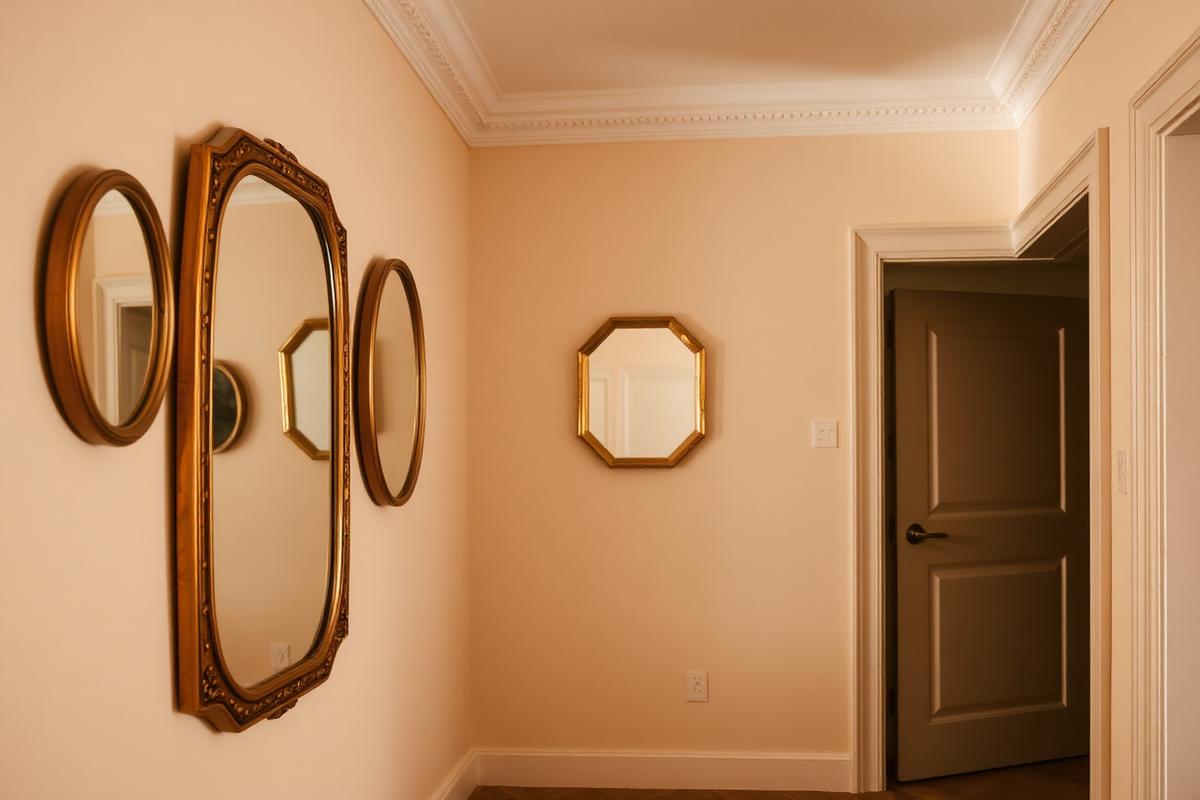
Mirrors
Vanity Mirror Vanity: Sizes, Styles & Placement Guide
1 May 2023 · 7 min read · Mont Rose
A vanity mirror vanity pairing represents one of the most critical design decisions in bathroom and dressing room planning, where the mirror must complement the vanity dimensions, height, and style whilst providing optimal functionality for daily grooming routines. The relationship between these two elements extends beyond mere aesthetics, encompassing precise mathematical proportions, lighting considerations, and practical usability that directly impacts your morning routine and the overall coherence of the space. Understanding the nuanced interplay between mirror dimensions, vanity width, mounting height, and stylistic harmony enables you to create a bathroom or dressing area that functions beautifully for years whilst maintaining the sophisticated aesthetic expected in luxury home design. Whether you are renovating an ensuite, updating a powder room, or designing a dedicated dressing area, the vanity and mirror combination serves as the focal point that establishes the room's visual hierarchy and functional success.
Quick Answer
The ideal vanity mirror vanity ratio positions the mirror at 70-80% of the vanity width, mounted 4-6 inches above the countertop, with the centre positioned at approximately 60-65 inches from the floor to accommodate users of varying heights whilst maintaining visual balance.
01
Vanity Mirror Vanity Proportions and Sizing Standards
The fundamental rule governing vanity mirror relationships dictates that the mirror width should measure between 70-80% of the vanity width for single-sink configurations, creating visual harmony without overwhelming the composition. For a standard 48-inch single vanity, this translates to a mirror width of 34-38 inches, whilst a 60-inch vanity accommodates mirrors ranging from 42-48 inches wide. Double vanity configurations require different considerations, with options including a single expansive mirror spanning 70-75% of the total width or dual mirrors positioned above each sink basin, typically measuring 24-30 inches wide each with 6-12 inches of wall space between them. The vertical dimension holds equal importance, with most bathroom mirrors ranging from 30-42 inches in height, though floor-to-ceiling installations have gained popularity in contemporary powder rooms and dressing areas where ceiling heights permit dramatic vertical emphasis.
Mirror thickness affects both aesthetic presence and structural requirements, with standard bathroom mirrors measuring 0.25 inches whilst premium installations often specify 0.375-inch or even 0.5-inch glass for enhanced durability and a more substantial edge profile. Frame depth adds another 1-3 inches depending on style, with sleek metal frames occupying minimal visual space whilst ornate carved wood frames can project 2.5-3.5 inches from the wall, necessitating careful consideration of clearance from wall-mounted faucets and light fixtures. When calculating total mirror dimensions, account for frame width adding 2-6 inches to each side of the glass, meaning a 30-inch glass panel within a substantial frame may occupy 36-42 inches of wall width, significantly impacting the proportion relative to your vanity.
The depth of your vanity cabinet, typically ranging from 18-24 inches, influences how close users stand to the mirror during grooming tasks, which in turn affects the optimal mirror size and magnification requirements. Standard 21-inch deep vanities position users approximately 24-28 inches from the mirror surface during typical use, a distance that works well with life-size reflection but may necessitate a secondary magnifying mirror for detailed tasks. Shallower 18-inch vanities, often specified in compact powder rooms, bring users slightly closer whilst deeper 24-inch configurations, common in luxury primary bathrooms with extensive counter space, may warrant larger mirror dimensions to maintain proper scale and usability from the increased distance.
02
Mounting Height and Vertical Placement for Your Vanity Mirror Vanity
The standard mounting height positions the mirror's centre point at 60-65 inches from the finished floor, accommodating users ranging from 5 feet 2 inches to 6 feet 2 inches in height, though this baseline requires adjustment based on vanity counter height and user demographics. A typical bathroom vanity counter sits at 32-36 inches (with 34 inches representing the contemporary standard, replacing the older 30-inch convention), leaving 4-6 inches of wall space between the countertop and the mirror's lower edge to prevent water splashing and provide visual breathing room whilst accommodating backsplash materials. For households with particularly tall or short primary users, adjust the centre point up or down by 2-4 inches from the standard 62-inch midpoint, ensuring the primary user's eye level aligns with the central third of the mirror for optimal functionality during grooming activities.
The distance between countertop and mirror lower edge varies based on backsplash treatment, with simple 4-inch backsplashes requiring a minimum 0.5-inch clearance whilst elaborate tile work extending 8-12 inches up the wall necessitates either incorporating the mirror into the tile design or positioning the mirror base 1-2 inches above the tile termination point for clean visual separation. Wall-mounted faucets introduce additional complexity, as the faucet typically extends 8-12 inches from the wall at a height of 4-8 inches above the counter, requiring the mirror to clear the faucet's highest point by at least 2 inches or incorporate a curved lower edge that arches over the fixture, a detail specification that must be resolved during design development before ordering custom mirrors.
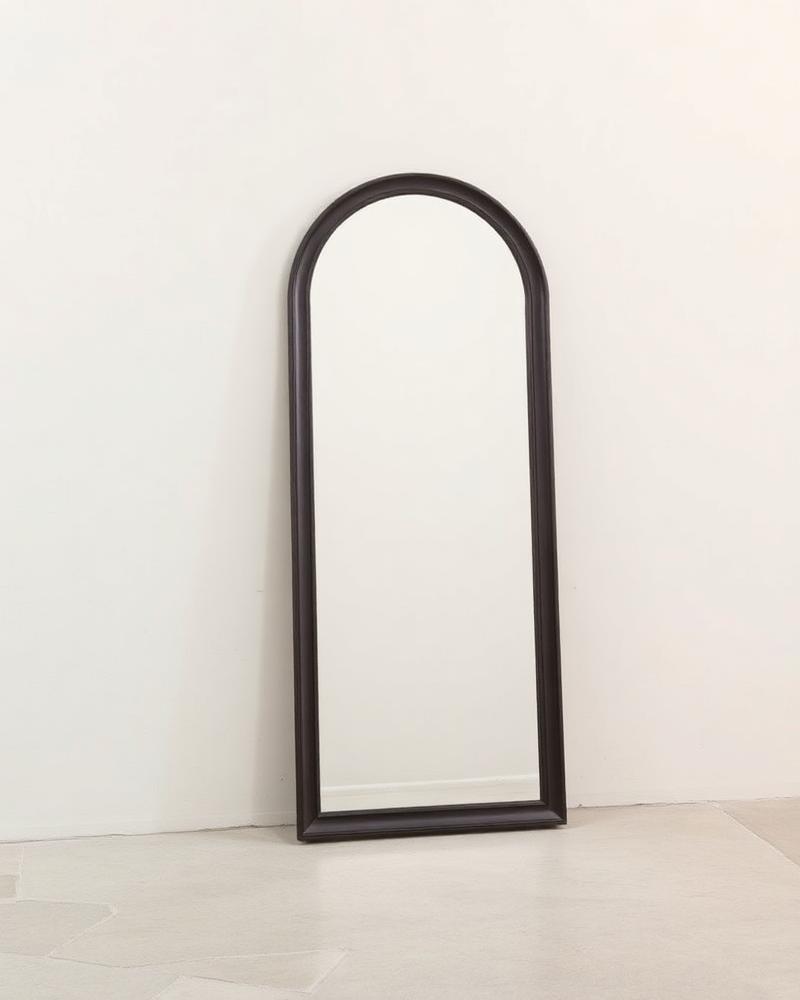
Ceiling height constrains vertical mirror dimensions, with standard 8-foot ceilings limiting practical mirror height to approximately 48-54 inches when accounting for proper mounting position, whilst 9-10 foot ceilings enable dramatic 60-72 inch tall mirrors that create striking vertical emphasis. When specifying tall mirrors in rooms with adequate ceiling height, maintain 8-12 inches of clear wall space above the mirror's upper edge to prevent a cramped appearance and allow proper proportional relationship with crown moulding or ceiling details. In our Mirrors collection, you will find options scaled for various ceiling heights and vanity configurations, from compact 24-by-30-inch models suited to powder rooms through expansive 48-by-72-inch statement pieces designed for primary bathrooms with generous ceiling clearance.
03
Style Coordination Between Vanity Cabinetry and Mirror Frames
Frame finish must harmonise with vanity hardware, faucet finish, and lighting fixtures to create material coherence across the space, with the most successful bathrooms limiting metallic finishes to two complementary options such as polished nickel and oil-rubbed bronze or brushed brass and matte black. A vanity featuring brushed brass drawer pulls and cabinet hardware calls for a mirror frame in matching brushed brass, warm gold, or complementary warm bronze rather than cool-toned chrome or polished nickel that would create visual discord. The frame width should relate proportionally to the vanity's visual mass, with substantial 42-48 inch wide vanities with thick countertops and prominent leg details requiring frames measuring 2-4 inches wide, whilst sleek floating vanities with minimal visual weight pair beautifully with thin 0.5-1 inch frames or frameless mirrors with simple bevelled or polished edges.
Traditional vanities constructed from cherry, walnut, or mahogany with raised panel doors and ornate hardware demand mirrors with complementary classical detailing, such as carved wood frames in matching or coordinating timber species, ornate gilded frames with acanthus leaf or egg-and-dart moulding, or substantial metal frames with beaded or rope detailing measuring 3-5 inches wide. Contemporary floating vanities in high-gloss lacquer, matte thermofoil, or natural oak with horizontal grain emphasis require mirrors with clean geometric profiles, including thin metal frames in square or rectangular configurations, frameless options with flat or bevelled polished edges, or back-lit LED mirrors with minimalist perimeter illumination and touch controls. Transitional vanities blending traditional construction with simplified detailing offer the greatest flexibility, accommodating both streamlined frames and moderately detailed options that bridge classical and contemporary aesthetics.
Colour temperature between vanity finish and mirror frame deserves careful attention, with warm wood tones in honey oak, golden walnut, or cherry requiring warm metallic frames in brass, bronze, or copper rather than cool silver or chrome, whilst grey-painted vanities, white lacquer, or cool-toned wood like ash or whitewashed oak pair naturally with polished nickel, chrome, stainless steel, or matte black frames. Mixed metal schemes, increasingly popular in transitional bathrooms, succeed when one finish dominates (appearing on 60-70% of fixtures and hardware) whilst the secondary finish provides accent notes, such as primary brushed nickel with black accent details on mirrors and lighting. This measured approach to finish coordination creates visual interest without descending into chaotic mismatch that undermines the space's cohesion.
04
Functional Considerations for Vanity Mirror Selection
Storage requirements influence mirror selection, with medicine cabinet mirrors providing 4-6 inches of depth for pharmaceutical storage, toiletries, and daily essentials whilst sacrificing the design flexibility of decorative framed mirrors, making them ideal for secondary bathrooms where function trumps aesthetics but less suitable for powder rooms and primary ensuites where the mirror serves as a key decorative element. Recessed medicine cabinets require 4-6 inches of clear wall cavity depth, necessitating installation during construction or renovation when wall framing is accessible, whilst surface-mounted versions project 5-7 inches from the wall, consuming space in compact powder rooms but installing easily during cosmetic updates without demolition. For households requiring both storage and aesthetic flexibility, consider positioning a decorative framed mirror above the vanity with flanking recessed medicine cabinets on either side, a configuration that works particularly well with 60-72 inch double vanities where the central mirror measures 30-36 inches wide with 12-15 inch medicine cabinets flanking each side.
Lighting integration dramatically affects mirror functionality, with backlit mirrors incorporating LED strips around the perimeter providing even, shadow-free illumination ideal for makeup application and grooming whilst creating dramatic visual impact, typically consuming 15-30 watts and producing 800-1500 lumens at colour temperatures between 2700K (warm white) and 5000K (daylight). Front-lighting remains the gold standard for task illumination, with sconces mounted 60-70 inches from the floor (measured to the centre of the fixture) and positioned 28-36 inches apart for single vanities or flanking each side of dual mirrors above double vanities, providing cross-illumination that minimises facial shadows. When combining a backlit mirror with sconces, reduce sconce wattage by 30-40% to prevent over-illumination whilst maintaining the layered lighting that enables both ambient and focused task lighting.
Anti-fog technology, achieved through thin heating elements bonded to the mirror's rear surface, prevents condensation accumulation after showers, maintaining clear reflection without manual wiping, though this feature adds 15-25% to mirror cost and requires dedicated electrical connection during installation. Most anti-fog systems consume 35-50 watts during operation and heat a defined zone measuring 12-18 inches in diameter at the mirror's centre, sufficient for facial grooming but not extending to the mirror's full surface area. For bathrooms with robust ventilation systems that quickly evacuate humid air, anti-fog features may constitute unnecessary expense, whilst ensuites with inadequate ventilation or those attached to bedrooms where running exhaust fans disturbs sleep benefit considerably from this technology.
05
Installation Methods and Wall Preparation Requirements
Mirror weight determines mounting methodology, with lightweight frameless mirrors under 20 pounds securing with construction adhesive applied in a serpentine pattern across the back surface, whilst heavier framed mirrors exceeding 30 pounds require mechanical fasteners, either D-rings and picture wire secured to wall studs via appropriate anchors or French cleats that distribute weight across a horizontal mounting strip. Standard 0.25-inch mirrors weigh approximately 3.3 pounds per square foot, meaning a 24-by-36-inch mirror (6 square feet) weighs approximately 20 pounds before accounting for frame weight, whilst 0.375-inch glass increases weight to roughly 5 pounds per square foot, bringing the same mirror to 30 pounds, and substantial wood or metal frames can add another 8-15 pounds depending on materials and construction. Wall composition affects anchor selection, with wood studs accepting standard wood screws, metal studs requiring self-tapping screws, and hollow drywall between studs necessitating toggle bolts or specialised anchors rated for the mirror's total weight with a 300% safety factor.
Bathroom walls behind vanities often contain plumbing supply lines, drain pipes, and electrical wiring requiring careful investigation before drilling mounting holes, making electronic stud finders with pipe and wire detection essential tools during installation planning. Most building codes require supply lines and drains to run vertically behind the vanity cabinet, typically within 6-8 inches of the cabinet centreline, creating a zone to avoid when positioning mounting hardware, whilst electrical boxes for sconce lighting typically sit 12-18 inches to either side of the vanity centre. For mirrors wider than 36 inches, plan mounting points to align with at least two wall studs spaced at standard 16-inch centres, providing secure attachment without relying solely on drywall anchors that may fail over time, particularly in humid bathroom environments where repeated moisture cycling degrades drywall integrity.
Frameless mirrors using adhesive mounting require pristine wall preparation with perfectly smooth, clean, dry surfaces free from texture, paint defects, or contaminants that compromise adhesion strength, typically necessitating light sanding with 220-grit paper, thorough cleaning with denatured alcohol, and 24-hour drying time before mirror installation. Wall paint must cure fully before mirror mounting, requiring 7-14 days after painting depending on paint type, humidity, and temperature, with latex paints requiring longer cure times than oil-based alternatives. Premium mirror adhesives formulated specifically for bathroom applications resist moisture and temperature fluctuation whilst maintaining bond strength, unlike general construction adhesive that may fail in humid conditions, and typically require 24-48 hours of curing time with temporary support holding the mirror in position, often achieved with painter's tape and cardboard spacers that maintain the desired 4-6 inch clearance above the countertop whilst adhesive sets.
06
Specialised Mirror Configurations for Unique Vanity Situations
Corner vanities installed in L-shaped or diagonal configurations present unique mirror challenges, with angled vanities (positioned at 45 degrees to room corners) typically paired with single rectangular mirrors hung parallel to the vanity front edge or custom pentagonal mirrors with angled sides that follow the wall configuration, whilst L-shaped double vanities often utilise two separate mirrors that wrap the corner with 90-degree orientation shift, each mirror relating proportionally to its respective vanity section. Diagonal corner vanities measuring 36-42 inches across the front typically accommodate 24-30 inch wide mirrors, smaller than the 70-80% ratio applied to wall-mounted vanities due to the angular geometry and reduced wall space in corner applications. The mirror mounting height in corner installations requires particular attention to sightlines from the room entry, as corner positions create oblique viewing angles that can make improperly positioned mirrors appear skewed or misaligned from primary viewpoints.
Floating vanities with wall-mounted construction and visible floor space beneath introduce opportunities for floor-to-counter mirrors that extend vertically from approximately 6-8 inches above the floor to the counter height, creating dramatic visual continuity particularly effective in compact powder rooms where the continuous reflective surface expands perceived space. This configuration requires careful detailing at the lower edge, with the mirror terminating on a slim metal or wood base measuring 0.5-1 inch thick that protects the mirror edge whilst providing visual definition, and the upper edge either stopping 4-6 inches below the counter overhang or incorporating a custom notch that wraps partially under the counter for seamless integration. Floor-to-counter mirrors typically measure 30-60 inches tall depending on vanity counter height, creating striking vertical emphasis that draws the eye upward and makes standard 8-foot ceilings feel more generous.
Vessel sink vanities with above-counter basins require adjusted mirror positioning to account for the basin height adding 4-8 inches to the effective counter elevation, potentially raising the ideal mirror mounting position by 2-4 inches to maintain proper proportion between sink rim and mirror base. A typical vessel sink installation places the basin rim at 36-38 inches from the floor (compared to 32-34 inches for undermount sinks), meaning the mirror base might optimally position at 42-44 inches rather than the standard 38-40 inches, though this elevated mounting can create awkward proportions in bathrooms with standard 8-foot ceilings where excessive wall space above the mirror appears unbalanced. Consider counter-to-ceiling mirrors in vessel sink applications within rooms offering adequate ceiling height, or select lower-profile vessel basins that minimise rim height whilst preserving the above-counter aesthetic.
07
Emerging Trends in Vanity Mirror Design and Technology
Smart mirrors incorporating touchscreen displays, integrated lighting controls, voice activation, and connectivity to home automation systems represent the cutting edge of bathroom technology, with premium models featuring defogging automation, adjustable colour temperature lighting (2700K-6500K), Bluetooth audio streaming, and even embedded displays showing weather, news, and calendar information. These technological mirrors typically measure 24-36 inches wide by 30-40 inches tall, smaller than traditional decorative mirrors due to the significant cost premium (ranging from 800-3000 pounds compared to 150-600 pounds for quality traditional mirrors of equivalent size), though this pricing gap narrows as the technology matures and production scales increase. Power requirements for smart mirrors include dedicated 120-volt electrical circuits, often with separate switched controls for lighting and display functions, necessitating planning during renovation electrical work rather than simple retrofit into existing bathrooms.
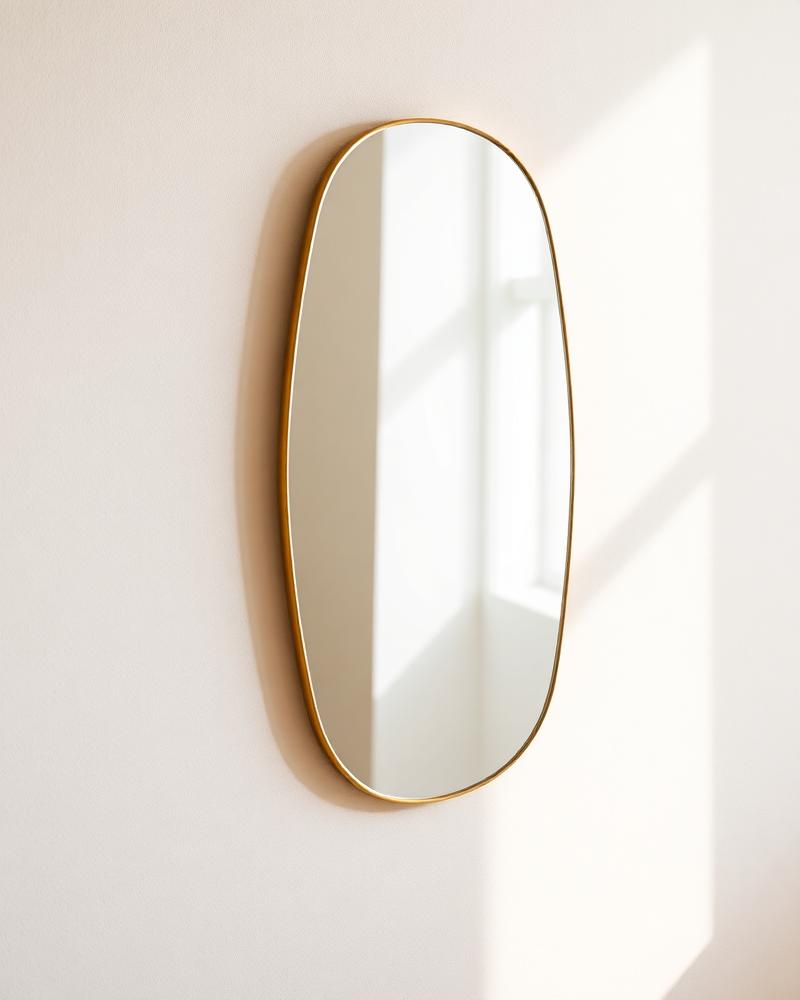
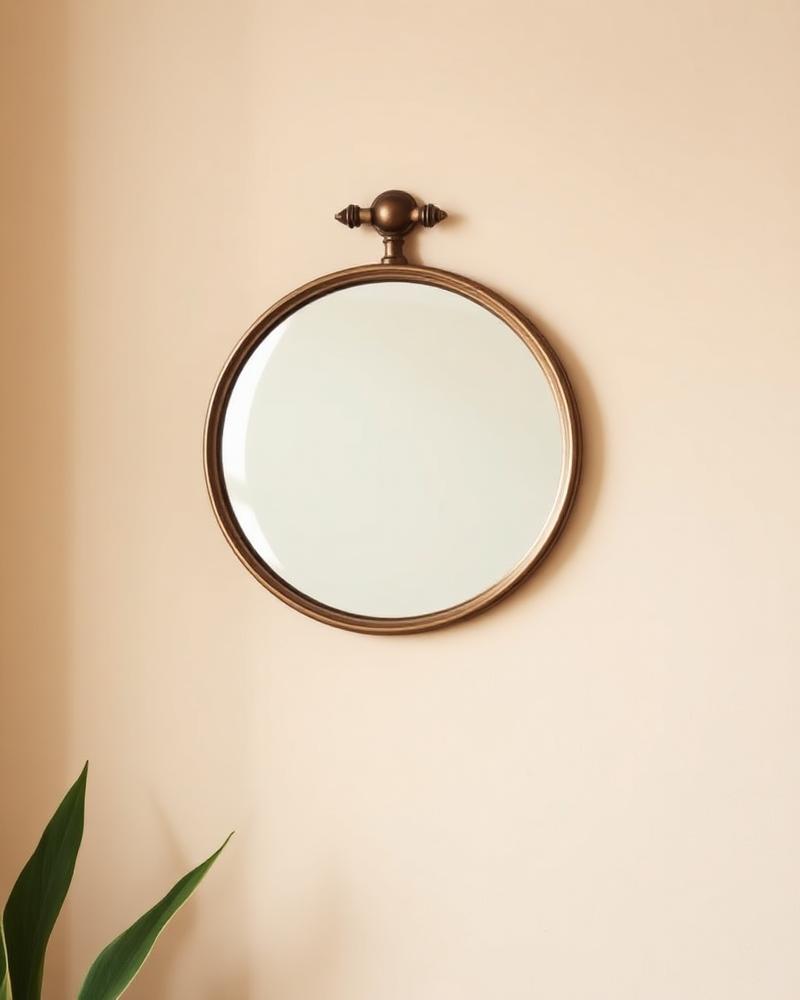
Organic shapes including oval, round, capsule (elongated oval), and irregular asymmetric forms have displaced rectangular mirrors as the dominant aesthetic in contemporary bathroom design, with circular mirrors ranging from 24-36 inches in diameter proving particularly popular above single vanities measuring 30-48 inches wide, creating pleasing geometric contrast against the vanity's rectilinear form. The proportional guidelines for round mirrors differ from rectangular versions, with the diameter typically measuring 50-65% of vanity width rather than 70-80%, as circular forms occupy visual space differently and excessive size can overwhelm the composition. Capsule mirrors measuring 24-30 inches wide by 36-48 inches tall offer compromise between traditional rectangular proportions and contemporary curved aesthetics, working particularly well in transitional bathrooms that blend classical and modern elements.
Tinted and antiqued mirrors in bronze, grey, champagne, and blue-grey finishes provide subtle colour and reduced reflectivity compared to standard silver-backed mirrors, creating sophisticated, moodier aesthetics particularly effective in powder rooms and dressing areas where dramatic ambiance supersedes purely functional requirements. These specialised mirrors reduce light reflection by 15-30% compared to standard mirrors, necessitating enhanced artificial lighting to maintain adequate illumination for grooming tasks, typically requiring 20-30% additional lumens from sconces or backlit mirror features. Antiqued mirrors incorporating deliberate silvering imperfections, spotting, and fogging replicate aged glass aesthetics whilst maintaining structural integrity through modern materials, with the distressed effect typically concentrated toward mirror edges and corners whilst preserving clear reflection in the central zone where functional visibility remains essential for daily use.
FAQ
Frequently Asked Questions
- What is the ideal width ratio between a vanity mirror and vanity?
- The mirror should measure 70-80% of the vanity width for single-sink configurations. For a 48-inch vanity, select a mirror measuring 34-38 inches wide. Double vanities work with either one large mirror at 70-75% of total width or two separate mirrors of 24-30 inches each, positioned above individual sinks with 6-12 inches between them.
- How high should I mount a mirror above my bathroom vanity?
- Position the mirror 4-6 inches above the countertop, with the mirror centre at 60-65 inches from the floor. This accommodates users from 5 feet 2 inches to 6 feet 2 inches tall. Adjust up or down 2-4 inches if household members are particularly tall or short, ensuring their eye level aligns with the mirror's central third.
- Can I use a round mirror above a rectangular vanity?
- Round mirrors work beautifully above rectangular vanities, creating appealing geometric contrast. The diameter should measure 50-65% of the vanity width rather than the 70-80% applied to rectangular mirrors, as circular shapes occupy visual space differently. A 30-inch diameter mirror suits vanities measuring 46-60 inches wide, whilst 24-inch rounds pair with 37-48 inch vanities.
- Should my mirror frame match my vanity cabinet finish exactly?
- The frame should coordinate with vanity hardware and faucets rather than necessarily matching cabinet finish exactly. If your vanity has brushed brass hardware, select a mirror frame in brushed brass, warm gold, or bronze. Limit metallic finishes throughout the bathroom to two complementary options, with one dominating 60-70% of fixtures whilst the other provides accent notes.
- Do I need special installation for heavy framed mirrors?
- Mirrors exceeding 30 pounds require mechanical fasteners rather than adhesive alone. Use D-rings and picture wire secured to wall studs, or French cleats that distribute weight horizontally. A 24-by-36-inch mirror with substantial frame easily exceeds this threshold. Wall anchors must be rated for three times the mirror weight, and installation should locate studs whilst avoiding plumbing and electrical lines.
- What mirror height works best with vessel sinks?
- Vessel sinks elevate the basin rim to 36-38 inches (versus 32-34 inches for undermount sinks), requiring adjusted mirror positioning. Mount the mirror base at 42-44 inches from the floor rather than the standard 38-40 inches, maintaining 4-6 inches clearance above the vessel rim. In rooms with standard 8-foot ceilings, consider lower-profile vessel basins to prevent awkward proportions.
Continue Reading
Related Reading
12 August 2026
The Ultimate Guide to Choosing the Perfect Mirror for Your Space
29 July 2026
How to Style a Coffee Table Like a Designer
14 July 2026
Decorative Objects: How to Curate a Collected Look
1 August 2026
Abstract Sculptural Objects in Home Decor
29 July 2026
How to Choose Accent Chair For for Your Living Room
26 July 2026
How to Choose Accent Chair for Your Living Room
23 July 2026
Accent Chair Living Room Placement
20 July 2026
How to Choose Accent Chairs for Your Living Room
17 July 2026
Accent Tables for Small Spaces
14 July 2026
Accent Table Styling: 5 Foolproof Formulas
11 July 2026
Alabaster Lighting: Natural Luxury for Every Room
8 July 2026
Antiqued Mirror Glass Guide and Styling
5 July 2026
Arc Floor Lamp: Types, Sizes & How to Choose
2 July 2026
Arched Mirrors: A Complete Buying and Styling Guide
29 June 2026
Arched Window Mirror Ideas
26 June 2026
How to Arrange Decorative Objects on a Bookshelf
23 June 2026
The Art of Decorative Tray Styling for Coffee Tables
20 June 2026
Artwork For Wall: Styling Tips & Best Picks
17 June 2026
How to Choose the Right Bar Height Table
14 June 2026
Bar Stools with Backs: Comfort Meets Style
11 June 2026
Basket For Blankets: Materials, Sizes & Buying Guide
8 June 2026
Baskets For Storage: Styling Tips & Best Picks
5 June 2026
How to Choose Accessories for Your Bathroom
2 June 2026
How to Choose Decor for Your Bathroom

30 May 2026
Bathroom Decor Ideas for Every Style
27 May 2026
How to Choose Fan With Light for Your Bathroom
24 May 2026
How to Choose Fixtures for Your Bathroom
21 May 2026
Bathroom Light Fixtures: Style and Safety
18 May 2026
How to Choose Light Fixtures for Your Bathroom
15 May 2026
How to Choose Light for Your Bathroom
12 May 2026
How to Choose Lighting for Your Bathroom
9 May 2026
How to Choose Medicine Cabinet for Your Bathroom
6 May 2026
How to Choose a Bathroom Mirror: Size and Style Guide
3 May 2026
Bathroom Mirror Size Guide: Finding the Right Fit
30 April 2026
How to Choose a Bathroom Mirror: Size and Style Guide
27 April 2026
How to Choose a Bathroom Mirror: Size and Style Guide
24 April 2026
How to Choose Rug for Your Bathroom
21 April 2026
How to Choose Rug Set for Your Bathroom
18 April 2026
The Best Bathroom Rugs for Style and Comfort
15 April 2026
How to Choose Sconce for Your Bathroom
12 April 2026
How to Choose Sconces for Your Bathroom
9 April 2026
How to Choose Shelf for Your Bathroom
6 April 2026
How to Choose Shelves for Your Bathroom
3 April 2026
How to Choose Towel Rack for Your Bathroom
31 March 2026
How to Choose Vanities for Your Bathroom
28 March 2026
Bathroom Vanity Mirror Ideas
25 March 2026
Bed Pillow Arrangement: How Many and What Sizes
22 March 2026
Bedding Colour Palettes for a Calm Bedroom
19 March 2026
Bedroom Accent Chair Placement Ideas
16 March 2026
Bedroom Bench at End of Bed: Sizing and Style Guide
13 March 2026
How to Choose Bench for Your Bedroom
10 March 2026
Bedroom Bench Styling Ideas
7 March 2026
How to Choose Chair for Your Bedroom
4 March 2026
Bedroom Chair Ideas for Style and Function
1 March 2026
Bedroom Curtain Ideas for Light and Privacy
26 February 2026
How to Choose Curtains for Your Bedroom
23 February 2026
How to Choose a Bedroom Dresser: Size, Style, and Material
20 February 2026
Bedroom Furniture Arrangement Ideas
17 February 2026
How to Choose Lamp for Your Bedroom
14 February 2026
How to Choose Lamps for Your Bedroom
11 February 2026
Bedroom Lighting Ideas: Layers, Moods, and Fixtures
8 February 2026
Bedroom Mirror Ideas: Placement and Styling
5 February 2026
Bedroom Pillow Layering Guide
2 February 2026
How to Choose Rugs for Your Bedroom
30 January 2026
Bedroom Seating Area Ideas
27 January 2026
Bedroom Side Table Ideas and Styling
24 January 2026
Bedroom Textile Layering Tips
21 January 2026
Bedroom Throw Pillow Ideas
18 January 2026
How to Choose Vanity for Your Bedroom
15 January 2026
How to Choose the Right Behind Couch Table
12 January 2026
How to Choose the Right Behind The Couch Table
9 January 2026
The Best Bedding for Your Home
6 January 2026
Bedding Materials Compared: Linen, Percale, Sateen, Silk
3 January 2026
Best Throw Pillow Sizes for Sofas and Beds
31 December 2025
The Best Throw Pillow Sizes for Sofas and Beds
28 December 2025
Black Framed Mirror Ideas
25 December 2025
Blackout Curtains Without the Bulk
22 December 2025
Bookshelf Decorative Objects Styling
19 December 2025
Bookshelf Styling with Mirrors and Objects
16 December 2025
Boudoir Chair Styling Guide for Elegant Bedrooms
13 December 2025
Brass Decorative Objects Styling
10 December 2025
Brass Lighting Fixtures: The Warm Metallic Guide
7 December 2025
C-Table Buying Guide: Styles, Sizes and Uses
4 December 2025
Cashmere Throw Blanket Care and Styling
1 December 2025
Ceiling Flush Mount Light: Types, Sizes & How to Choose
28 November 2025
Ceramic Bowls as Home Decor Accents
25 November 2025
Ceramic Vase Styling Tips for Every Room
22 November 2025
How to Choose the Right Chair For Table
19 November 2025
How to Choose Chairs For for Your Kitchen
16 November 2025
How to Choose Chairs For Your Living Room
13 November 2025
How to Choose the Right Chairs For Sale
10 November 2025
How to Choose the Right Chairs For Table
7 November 2025
Chandelier For Dining: Types, Sizes & How to Choose
4 November 2025
How Low Should a Chandelier Hang Above a Table?
1 November 2025
The Complete Guide to Chandeliers
29 October 2025
How to Choose a Dining Room Chandelier
26 October 2025
Cocktail Ottoman vs Coffee Table: How to Choose
23 October 2025
Coffee Table Books: How to Style Them Beautifully
20 October 2025
Coffee Table Centerpiece Ideas
17 October 2025
Coffee Table Styling Mistakes to Avoid
14 October 2025
Coffee Table Tray Styling
11 October 2025
How to Choose the Right Coffee Table With Glass
8 October 2025
The Complete Guide to Cushion Inserts and Fillings
5 October 2025
The Complete Guide to Mirror Sizes for Every Room
2 October 2025
The Complete Guide to Side Table Heights and Placement
29 September 2025
The Complete Guide to Nesting Tables
26 September 2025
Console Table Behind Sofa: Styling Guide
23 September 2025
Console Table Behind Sofa Ideas
20 September 2025
How to Choose Console Table for Your Entryway
17 September 2025
Console Table Styling: 7 Designer-Approved Formulas
14 September 2025
How to Choose the Right Console Table With Storage
11 September 2025
Contemporary Furniture: Style Guide & Expert Picks
8 September 2025
Convex Mirror Decorating Ideas for Every Room
5 September 2025
How Much Does It Cost to Furnish a Living Room?
2 September 2025
Cotton Duvet Covers: Why They're Worth It
30 August 2025
How to Choose the Right Counter Height Bar Stool
27 August 2025
How to Choose the Right Counter Height Bar Stools
24 August 2025
How to Choose the Right Counter Height Chairs
21 August 2025
How to Choose the Right Counter Height Stool
18 August 2025
Counter Height Stools: A Sizing and Style Guide
15 August 2025
Cozy Throw Blanket Ideas for Every Room
12 August 2025
Credenza Styling Tips for Modern Homes
9 August 2025
Credenza vs Sideboard vs Buffet: Key Differences
6 August 2025
Curtain Header Styles Compared
3 August 2025
Curtain Rod Guide: Diameters, Finishes, Brackets
31 July 2025
Curtains: A Complete Buying and Styling Guide
28 July 2025
How to Choose Curtains for Your Living Room
25 July 2025
How to Choose Curtains for Your Living Room
22 July 2025
How to Choose the Right Cushions For Chairs
19 July 2025
How to Choose Decor For for Your Kitchen
16 July 2025
Decor Wall Decor: Styling Tips & Best Picks
13 July 2025
Decorative Bowls for Entryway Tables
10 July 2025
Decorative Bowls: Styling Ideas for Every Surface
7 July 2025
Decorative Boxes: Storage That's Beautiful
4 July 2025
Decorative Boxes for Vanity Styling
1 July 2025
Decorative Candle Holders Styling Guide
28 June 2025
Decorative Objects for Bedroom Dressers
25 June 2025
How to Choose Decorative Objects for Coffee Tables
22 June 2025
Decorative Pillow Arrangement Ideas for Every Bed
19 June 2025
Decorative Pillow Sizes Guide for Sofas
16 June 2025
Decorative Table Runner Ideas
13 June 2025
Decorative Throw Pillow Combinations That Work
10 June 2025
Decorative Trays for Bedroom Styling
7 June 2025
Decorative Vases: Styling Empty vs Filled
4 June 2025
Demilune Console Table: The Complete Guide
1 June 2025
How to Choose Chair for Your Dining Room
29 May 2025
How to Choose Dining Room Chairs
26 May 2025
How to Choose Chandelier for Your Dining Room
23 May 2025
How to Choose a Dining Room Chandelier
20 May 2025
How to Choose Dining for Your Dining Room
17 May 2025
How to Choose Light Fixture for Your Dining Room
14 May 2025
Dining Room Mirror Ideas
11 May 2025
How to Choose Rug for Your Dining Room
8 May 2025
How to Choose Set for Your Dining Room
5 May 2025
Dining Room Sideboard Styling Ideas
2 May 2025
How to Choose Table for Your Dining Room
29 April 2025
How to Choose Tables for Your Dining Room
26 April 2025
How to Choose Dining Table Kitchen Table for Your Kitchen
23 April 2025
Dining Table Seating Chart: Size by Guest Count
20 April 2025
How to Choose the Right Dining Table Set For 6
17 April 2025
Double Vanity Mirror Ideas
14 April 2025
How to Choose the Right Dresser Small
11 April 2025
How to Choose the Right Dresser With Drawers
8 April 2025
How to Choose the Right Dressers For Sale
5 April 2025
Duvet Cover: Materials, Sizes & Buying Guide
2 April 2025
Duvet Cover King: Materials, Sizes & Buying Guide
30 March 2025
Duvet vs Comforter: The Real Difference
27 March 2025
End Table vs Side Table: What's the Difference
24 March 2025
How to Choose End Tables For for Your Living Room
21 March 2025
How to Choose Bench for Your Entryway
18 March 2025
How to Choose Console Table for Your Entryway
15 March 2025
Entryway Console Table Height Guide
12 March 2025
How to Choose Furniture for Your Entryway
9 March 2025
Entryway Lighting: Making a First Impression
6 March 2025
How to Choose Rug for Your Entryway
3 March 2025
Entryway Table Decor Ideas
28 February 2025
How to Choose Table for Your Entryway
25 February 2025
How to Choose Table With Storage for Your Entryway
22 February 2025
Exterior Lamp: Types, Sizes & How to Choose
19 February 2025
Exterior Light Fixture: Types, Sizes & How to Choose
16 February 2025
Exterior Light Fixtures: Types, Sizes & How to Choose
13 February 2025
Exterior Light: Types, Sizes & How to Choose
10 February 2025
Exterior Wall Light: Types, Sizes & How to Choose
7 February 2025
Faux Fur Throw Blanket Styling Ideas
4 February 2025
The Complete Guide to Floor Fan
1 February 2025
Floor Lamp: Types, Sizes & How to Choose
29 January 2025
The Best Floor Lamps for Living Rooms
26 January 2025
Floor Lamps: Types, Sizes & How to Choose
23 January 2025
Floor Lamps for Living Room: A Styling Guide
20 January 2025
Floor Length Mirror: Sizes, Styles & Placement Guide
17 January 2025
Floor Mirror Buying Guide: Sizes, Styles & Placement
14 January 2025
Floor Mirror: Sizes, Styles & Placement Guide
11 January 2025
Flush Mount Ceiling Fixture: Types, Sizes & How to Choose
8 January 2025
Flush Mount Ceiling Light: Types, Sizes & How to Choose
5 January 2025
Flush Mount Ceiling Lights: Low Profile Elegance
2 January 2025
Flush Mount Light Fixture: Types, Sizes & How to Choose
30 December 2024
Foyer Furniture Arrangement Guide
27 December 2024
Frameless Mirror Ideas for Modern Decor
24 December 2024
French Style Mirrors: A Complete Guide
21 December 2024
Full Length Mirror Bedroom Placement Ideas
18 December 2024
Full Length Mirror: Sizes, Styles & Placement Guide
15 December 2024
Gilded Mirrors: History, Styles and Care
12 December 2024
Glass Coffee Table Styling Ideas and Tips
9 December 2024
Glass Vases for Flower Arranging
6 December 2024
Gold Mirror Decorating Ideas
3 December 2024
Guest Bedroom Textile Ideas
30 November 2024
Hallway Mirror Ideas to Brighten Your Space
27 November 2024
Hang Light: Types, Sizes & How to Choose
24 November 2024
How to Choose the Right Hanging Chair
21 November 2024
Hanging Light: Types, Sizes & How to Choose
18 November 2024
Hanging Lights: Types, Sizes & How to Choose
15 November 2024
How to Choose the Right High Top Table
12 November 2024
The History of the Venetian Mirror
9 November 2024
Home Decor Ideas for Every Style
6 November 2024
How to Choose the Right Home Office Desk
3 November 2024
Horizontal Mirror Above Dresser Ideas
31 October 2024
How High to Hang a Mirror Above a Console Table
28 October 2024
How Many Recessed Lights Per Room?
25 October 2024
How to Care for Linen Bedding
22 October 2024
How to Care for Silk Cushions and Pillows
19 October 2024
How to Choose the Right Bedroom Mirror Size
16 October 2024
How to Choose the Right Console Table Size
13 October 2024
How to Choose the Perfect Coffee Table for Your Sofa
10 October 2024
How to Choose the Perfect Entryway Mirror for Your Home
7 October 2024
How to Choose a Throw Blanket for Your Sofa
4 October 2024
How to Clean and Care for Antique Mirrors
1 October 2024
Sculptural Objects: How to Display Modern Art Pieces
28 September 2024
How to Hang Curtains Properly
25 September 2024
How to Hang Multiple Mirrors on One Wall
22 September 2024
How to Layer a Bed Like a Designer
19 September 2024
How to Layer Textiles for a Luxurious Bedroom
16 September 2024
How to Measure a Room for Furniture
13 September 2024
How to Measure for a Bathroom Mirror
10 September 2024
How to Measure for Curtains
7 September 2024
How to Mix Throw Pillow Patterns Like a Designer
4 September 2024
How to Style a Bedroom Dresser Like an Interior Designer
1 September 2024
How to Style a Mantel with Mirrors and Objects
29 August 2024
The Complete Guide to Interior Designer
26 August 2024
King Duvet Cover: Materials, Sizes & Buying Guide
23 August 2024
King Size Blanket: Materials, Sizes & Buying Guide
20 August 2024
King vs Queen Bedding Sizes: A Fit Guide
17 August 2024
How to Choose Cabinet Hardware for Your Kitchen
14 August 2024
How to Choose Ceiling Lights for Your Kitchen
11 August 2024
How to Choose Chairs for Your Kitchen
8 August 2024
How to Choose Island Lighting for Your Kitchen
5 August 2024
How to Choose Light Fixture for Your Kitchen
2 August 2024
Kitchen Light Fixtures: Types, Placement, and Style
30 July 2024
How to Choose Light for Your Kitchen
27 July 2024
How to Choose Lights for Your Kitchen
24 July 2024
How to Choose Pendant Light for Your Kitchen
21 July 2024
How to Choose Pendant Lights for Your Kitchen
18 July 2024
How to Choose Runner for Your Kitchen
15 July 2024
How to Choose Runner Rugs for Your Kitchen
12 July 2024
How to Choose Stool for Your Kitchen
9 July 2024
How to Choose Table for Your Kitchen
6 July 2024
Lamp Shade Guide: Shapes, Sizes, and Materials
3 July 2024
Lamp With Shade: Types, Sizes & How to Choose
30 June 2024
Large Picture Frames: Styling Tips & Best Picks
27 June 2024
Large Wall Art: Styling Tips & Best Picks
24 June 2024
Large Wall Clock: Styling Tips & Best Picks
21 June 2024
Large Wall Mirror Placement Tips
18 June 2024
Leaning Mirror Safety Tips and Styling Ideas
15 June 2024
How to Choose the Right Lift Top Cocktail Table
12 June 2024
How to Choose Light Fixtures For for Your Kitchen
9 June 2024
How to Choose the Right Light For Desk
6 June 2024
Light For Wall: Types, Sizes & How to Choose
3 June 2024
Light Hanging: Types, Sizes & How to Choose
31 May 2024
Light Switch Cover: Types, Sizes & How to Choose
28 May 2024
Light Switch Covers: Types, Sizes & How to Choose
25 May 2024
How to Choose a Bathroom Mirror: Size and Style Guide
22 May 2024
How to Light a Living Room: A Layered Approach
19 May 2024
How to Choose Lighting For for Your Kitchen
16 May 2024
How to Choose Lights For Island for Your Kitchen
13 May 2024
Lights For Wall: Types, Sizes & How to Choose
10 May 2024
How to Choose Lights In for Your Kitchen
7 May 2024
Linear Chandeliers for Dining Tables and Kitchens
4 May 2024
Linen Curtains: Why Designers Keep Choosing Them
1 May 2024
Linen Tablecloth Styling Guide
28 April 2024
Linen vs Cotton Sheets: Which Should You Choose?
25 April 2024
How to Choose the Right Liquor Cabinet
22 April 2024
How to Choose Accent Chairs for Your Living Room
19 April 2024
How to Choose Chair for Your Living Room
16 April 2024
The Best Chairs for Your Living Room
13 April 2024
Living Room Curtain Ideas That Read Architectural
10 April 2024
Living Room Furniture Layout Guide
7 April 2024
How to Choose Lamp for Your Living Room
4 April 2024
How to Choose Lamps for Your Living Room
1 April 2024
Living Room Mirror Placement: 10 Designer Rules
29 March 2024
How to Choose the Right Rug for Your Living Room
26 March 2024
How to Choose the Right Rug for Your Living Room
23 March 2024
How to Choose Table for Your Living Room
20 March 2024
How to Choose the Right Long Dresser
17 March 2024
Lumbar Pillow Sofa Styling Tips
14 March 2024
Luxury Bedding: A Complete Buying Guide
11 March 2024
Luxury Furniture: Style Guide & Expert Picks
8 March 2024
Luxury Home Decor: Styling Tips & Best Picks
5 March 2024
Mantel Decor Ideas Without a Mirror
2 March 2024
Marble Coffee Table Care and Maintenance Guide
28 February 2024
Marble Tray Styling Ideas
25 February 2024
Marble vs Brass: Choosing Side Table Materials
22 February 2024
How to Choose the Right Medicine Cabinet With Mirror
19 February 2024
Mid Century Modern Furniture: Style Guide & Expert Picks
16 February 2024
Mirror Frame Styles Explained: A Design Dictionary
13 February 2024
Mirror Grouping Ideas for Living Rooms
10 February 2024
Mirror On Wall: Sizes, Styles & Placement Guide
7 February 2024
Mirror Over Fireplace Ideas and Design Rules
4 February 2024
Mirror Reflection Placement Tips
1 February 2024
Mirror Vanity Mirror: Sizes, Styles & Placement Guide
29 January 2024
Mirror Wall Decor: Sizes, Styles & Placement Guide
26 January 2024
Mirror Wall Mirror: Sizes, Styles & Placement Guide
23 January 2024
How to Choose the Right Modern Bar Stools
20 January 2024
Modern Chandelier: Types, Sizes & How to Choose
17 January 2024
Modern Chandeliers: Contemporary Statement Lighting
14 January 2024
How to Choose the Right Modern Coffee Table
11 January 2024
How to Choose the Right Modern Dining Chairs
8 January 2024
How to Choose the Right Modern Dining Table
5 January 2024
Modern Floor Lamp: Types, Sizes & How to Choose
2 January 2024
Modern Furniture: Style Guide & Expert Picks
30 December 2023
Modern Wall Mirror Ideas
27 December 2023
Narrow Console Table Styling
24 December 2023
Neutral Throw Pillow Ideas
21 December 2023
Nightstand Styling Ideas for Every Bedroom
18 December 2023
How to Choose the Right Office Desk
15 December 2023
Ottoman Coffee Tables: Styling and Placement Tips
12 December 2023
Ottoman Styling for Living Rooms
9 December 2023
Outdoor Light Fixtures: Porch, Patio, and Pathway
6 December 2023
Oval Mirror Bathroom Ideas
3 December 2023
How to Choose the Right Oversized Chair
30 November 2023
Oversized Floor Mirror Placement Guide
27 November 2023
Oversized Mirrors: How to Use Them in Small Spaces
24 November 2023
Parsons Table Decorating Ideas for Modern Homes
21 November 2023
Patterned Throw Pillow Mixing Guide
18 November 2023
Pedestal Side Tables: A Timeless Design Guide
15 November 2023
How to Choose Pendant Light for Your Kitchen
12 November 2023
How to Choose Pendant Lighting For Island for Your Kitchen
9 November 2023
How to Choose Pendant Lights For for Your Kitchen
6 November 2023
How to Choose Pendant Lights for a Kitchen Island
3 November 2023
Pendant Lights for Kitchen Islands: Spacing and Sizing
31 October 2023
How to Choose the Right Pillows For Couch
28 October 2023
How to Choose the Right Pillows For Sofa
25 October 2023
Pivot Mirror vs Wall Mounted: Which Is Right for You
22 October 2023
Powder Room Mirror Ideas
19 October 2023
Queen Duvet Cover: Materials, Sizes & Buying Guide
16 October 2023
How to Choose Recessed Lighting For S for Your Kitchen
13 October 2023
How to Choose Recessed Lighting In for Your Kitchen
10 October 2023
How to Choose Rectangular Table for Your Kitchen
7 October 2023
Round Coffee Table Styling Tips
4 October 2023
How to Choose the Right Round Dining Table For 4
1 October 2023
How to Choose Round Table for Your Kitchen
28 September 2023
Round Side Table Styling Ideas
25 September 2023
Round vs Rectangular Mirrors: Which Shape Is Right?
22 September 2023
Rug Sizes: Sizing, Materials & Style Guide
19 September 2023
How to Choose Rugs For for Your Living Room
16 September 2023
Rugs For Sale: Sizing, Materials & Style Guide
13 September 2023
The Rule of Three: Styling Decorative Objects
10 September 2023
Sculptural Lighting: When Fixtures Become Art
7 September 2023
Sculptural Vases for Modern Homes
4 September 2023
How to Choose the Right Sectional Couches For Sale
1 September 2023
Sheer Curtains: Softening Light Without Losing It
29 August 2023
Side Table Decor Ideas for Living Rooms
26 August 2023
How to Choose Side Table For for Your Living Room
23 August 2023
How to Choose Side Table for Your Living Room
20 August 2023
How to Choose Side Tables for Your Living Room
17 August 2023
Silk Pillowcase Decorating and Care
14 August 2023
Size Rug: Sizing, Materials & Style Guide
11 August 2023
How to Choose the Right Slipcover Couch
8 August 2023
Slipcover Sofas: Pros, Cons, and Best Picks
5 August 2023
How to Choose the Right Slipcovered Sofa
2 August 2023
Slipper Chair Decorating Ideas for Small Spaces
30 July 2023
How to Choose the Right Small Coffee Table
27 July 2023
Small Console Table Ideas
24 July 2023
How to Choose the Right Small Dresser
21 July 2023
Small Lamp: Types, Sizes & How to Choose
18 July 2023
Small Space Mirror Tricks to Expand Your Room
15 July 2023
Console Table Behind Sofa: Styling Guide
12 July 2023
How to Choose the Right Sofa Table Behind
9 July 2023
Square Mirror Design Ideas for Modern Homes
6 July 2023
Staircase Chandeliers: How to Choose One
3 July 2023
Standard Curtain Lengths and How to Pick One
30 June 2023
How to Choose Stools For for Your Kitchen
27 June 2023
How to Choose Stools For Island for Your Kitchen
24 June 2023
Storage Bench Bedroom Ideas
21 June 2023
Sunburst Mirror Placement Guide
18 June 2023
Switch For Lights: Types, Sizes & How to Choose
15 June 2023
Console Table Behind Sofa: Styling Guide
12 June 2023
Table Lamps for Bedside: Heights and Styles
9 June 2023
How to Choose Table Lamps For Your Living Room
6 June 2023
Table Runner Length Guide
3 June 2023
Table Runner Styling: Modern Ways to Use Them
31 May 2023
How to Choose the Right Tall Dresser
28 May 2023
Tall Lamp: Types, Sizes & How to Choose
25 May 2023
Thread Count Explained: What Actually Matters
22 May 2023
Best Throw Blanket Colors for Neutral Sofas
19 May 2023
How to Choose the Right Throw Pillows For Couch
16 May 2023
How to Choose the Right Tray For Coffee Table
13 May 2023
Tray Top Coffee Table Ideas and Uses
10 May 2023
Trestle Dining Table Decorating Ideas
7 May 2023
Upholstered Bench Bedroom Ideas
4 May 2023
Vanity Mirror Height Standards and Guidelines
28 April 2023
Vanity Mirror With Lights: Types, Sizes & How to Choose
25 April 2023
Vanity With Mirror And Lights: Types, Sizes & How to Choose
22 April 2023
Velvet Accent Chair Decorating Ideas
19 April 2023
Velvet vs Linen: Choosing Luxury Cushion Fabrics
16 April 2023
How to Choose Wall Art For for Your Living Room
13 April 2023
How to Choose Wall Decor For for Your Living Room
10 April 2023
Wall Mirror Above Sofa Ideas and Placement
7 April 2023
Wall Mirror Wall: Sizes, Styles & Placement Guide
4 April 2023
Wall Sconces: Types, Placement, and Design Tips
1 April 2023
Waterfall Console Table Styling and Placement
29 March 2023
What Is A Duvet Cover?
26 March 2023
What Size Coffee Table for a Sectional?
23 March 2023
What Size Mirror Above a Console Table?
20 March 2023
What Size Rug for a Living Room?
17 March 2023
White Ceramic Vases in Home Decor
14 March 2023
Wooden Bowl Decor Ideas
11 March 2023