Vesper
Linear Pendant
$1,250
from $104/mo

Designer Lighting
A focused edit of pendant lights from the designer lighting collection — selected for proportion, material and finish.
Pieces from the wider collection, shown separately from the edit above.
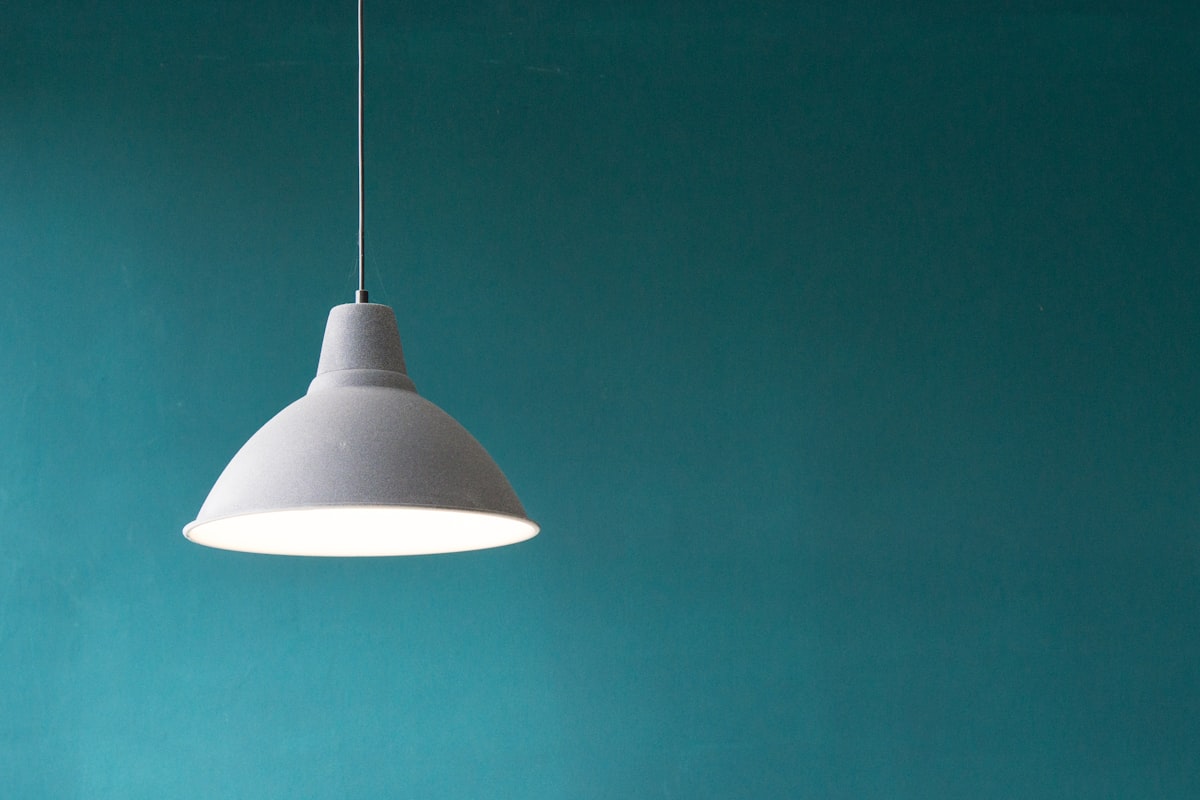
The selection of pendant lights represents one of the most versatile decisions in residential lighting, offering both functional illumination and sculptural presence. Whether suspended above a kitchen island, flanking a bed, or anchoring an entrance hall, a well-chosen pendant becomes an integral element of a room's architecture rather than mere afterthought.
The proportions matter considerably. For single pendants over kitchen islands, we generally recommend a width between 12 and 18 inches for islands up to 60 inches long, scaling upward as the surface expands. Multiple pendants require careful mathematics: divide the island length by the number of fixtures plus one to establish balanced spacing. Our chandelier size calculator provides guidance for larger installations, though the principles translate readily to pendant arrangements.
The material vocabulary of contemporary pendant lights extends well beyond ubiquitous glass globes. Hand-blown glass remains foundational, particularly in Murano traditions and studio practices that yield irregular, light-diffusing forms. Alabaster has experienced renewed attention for its warm translucency and natural veining, transforming electric light into something that feels almost candle-like in quality. Our thoughts on alabaster lighting explore this material in greater depth.
Metal work ranges from blackened steel and oil-rubbed bronze to polished brass and brushed nickel. The finish selection should consider both the existing hardware in a space and the desired luminosity: darker metals absorb light and create more dramatic shadows, while reflective surfaces amplify and distribute illumination. Linen and paper shades soften output and suit residential applications where glare must be managed.
Height proves critical. Above dining tables, pendants typically hang 30 to 36 inches from the table surface, allowing sightlines across the table whilst providing adequate task lighting. In kitchen island applications, 30 to 40 inches above the counter gives clearance for food preparation whilst maintaining visual connection across the space. Entry halls with high ceilings permit more generous scales and lower drops, as discussed in our entryway lighting considerations.
The relationship between pendant lights and other fixtures deserves attention:
The modern lighting category encompasses minimalist geometries, industrial references, and organic forms that suit contemporary interiors without announcing a specific decade. These pieces often feature exposed bulbs, simple suspension systems, and honest materials. By contrast, traditional forms draw from lantern typologies, bell shapes, and historical precedents, rendered in both faithful reproductions and abstracted interpretations.
Scale relationships extend beyond the pendant itself to the room volume. A 12-foot ceiling can accommodate a 24-inch diameter pendant where an 8-foot ceiling would render the same fixture oppressive. In bedroom lighting applications, smaller pendants flanking the bed often prove more successful than a single large fixture, providing adjustable reading light whilst maintaining intimacy.
Electrical boxes must support the fixture weight, typically requiring bracing for pendants exceeding 50 pounds. Dimmers suit nearly all residential pendant applications, allowing adjustment for time of day and activity. LED compatibility has become standard, though the quality of light rendering varies considerably between manufacturers.
Cleaning protocols depend on materials: glass and metal accept damp cloths, whilst fabric shades require dry dusting or professional cleaning. Adjustable cord or chain lengths offer installation flexibility, though cutting must be done before final mounting. The junction between ceiling and suspension system deserves aesthetic attention, particularly in spaces with ornate plasterwork or exposed beams.
Thoughtfully selected pendant lights serve rooms for decades, transcending trends through quality of construction and appropriateness of scale. The investment lies not merely in the object but in the daily experience of light itself, the way a room feels at different hours, the shadows cast on walls, the subtle glow that transforms a functional space into one that feels properly inhabited. This is the quiet work of good lighting design.