Furniture
How to Choose the Right Round Dining Table For 4
4 October 2023 · 7 min read · Mont Rose
A round dining table for 4 represents the ideal solution for compact dining spaces, breakfast nooks, and intimate entertaining areas where conversation flow and spatial efficiency matter most. Unlike rectangular alternatives, round tables eliminate corner dead zones and create natural sightlines between all seated guests, making them particularly valuable in rooms measuring 10 feet by 10 feet or smaller. The circular format also provides superior traffic flow in tight quarters, as the absence of protruding corners reduces collision points by approximately 35 percent compared to square or rectangular configurations. When properly sized and positioned, a four-person round table transforms even modest dining areas into functional gathering spaces that balance practicality with refined aesthetics. The selection process demands attention to diameter measurements, pedestal versus leg construction, material durability, and how the piece integrates with your existing architectural elements and design vernacular.
Quick Answer
A round dining table for 4 should measure 36 to 48 inches in diameter, with 42 inches being optimal for comfortable dining. Allow 36 inches of clearance around all sides for chair movement, and select pedestal bases for maximum legroom in compact spaces.
01
Optimal Dimensions for a Round Dining Table for 4
The standard diameter for a four-person round dining table ranges from 36 to 48 inches, though 42 inches represents the sweet spot for comfortable dining without spatial extravagance. A 36-inch table provides the absolute minimum, allocating roughly 28 inches of arc length per person at the table edge, which suffices for casual meals but feels constrained during formal service with multiple courses and serving pieces. The 42-inch diameter increases individual arc space to approximately 33 inches, permitting full place settings with charger plates (13-inch diameter), dinner plates (10.5 to 11 inches), and adequate elbow room for natural arm movement during dining. Tables reaching 48 inches in diameter offer generous spacing at 37.7 inches per person but begin encroaching into five-person territory and may overwhelm rooms smaller than 12 feet by 12 feet.
Beyond the table surface itself, clearance measurements prove equally critical to functional layout planning. Industry standards recommend 36 inches of open floor space surrounding the entire table perimeter to accommodate chair pullback (typically 24 inches from seated to standing position) plus an additional 12 inches for passage behind occupied chairs. In practice, this means a 42-inch round table requires a clear zone measuring 114 inches in diameter, or roughly 9.5 feet circular. Rooms that cannot provide this clearance should consider 36-inch models or explore alternative table shapes. Height specifications remain relatively consistent across manufacturers, with standard dining tables measuring 28 to 30 inches from floor to tabletop, pairing with chairs of 17 to 19 inches seat height to create the ergonomic 10 to 12-inch differential required for comfortable leg positioning and under-table clearance.
Table apron depth, the structural band connecting table surface to base, affects knee clearance significantly yet receives insufficient consideration during selection. Standard aprons measure 2 to 4 inches in vertical depth, reducing effective under-table clearance to 24 to 26 inches when subtracted from the standard 28 to 30-inch table height. Individuals taller than 6 feet or those preferring crossed-leg seating should verify actual knee clearance before purchase, particularly with tables featuring decorative aprons exceeding 3 inches. Apron-free designs and those with minimal structural rails provide maximum accessibility and suit diverse body types, though they may sacrifice some structural rigidity depending on construction methodology and materials employed.
02
Pedestal Versus Four-Leg Base Construction
Pedestal bases dominate the round table category for compelling ergonomic and spatial reasons, centralising structural support to eliminate leg interference regardless of seating position. A single central column, typically 12 to 18 inches in diameter at the floor, allows diners to position chairs at any point around the circumference without encountering table legs, a flexibility impossible with four-corner leg designs. This configuration proves particularly valuable for four-person tables where seat positioning varies based on occasion and guest count. Pedestal designs utilise either a single solid column or a cluster of three to four smaller supports radiating from a central point, with the former offering cleaner visual lines and the latter providing enhanced stability for larger diameter tables. Quality pedestals incorporate weighted bases, often with metal reinforcement plates or crosses measuring 24 to 30 inches in diameter to counterbalance the cantilevered table surface.
Four-leg construction, whilst less common for round tables, offers distinct advantages in traditional and period-appropriate contexts. Leg placement at four equidistant points around the table perimeter (typically inset 4 to 6 inches from the edge) provides inherently stable weight distribution without requiring the substantial central mass of pedestal alternatives. This approach suits solid wood construction particularly well, allowing grain patterns and joinery techniques to feature prominently in the overall design narrative. However, leg positioning inevitably creates two optimal seating positions and two compromised positions where chair placement intersects with table legs, reducing the practical capacity. For strict four-person use where seats remain in fixed positions, this limitation diminishes, making four-leg construction viable for formal dining rooms with consistent place settings.
The structural demands differ substantially between these base types, affecting material choices and longevity. Pedestal designs concentrate stress at the column-to-top joint, requiring robust fastening systems such as threaded metal inserts, lag bolts with minimum 3-inch penetration, or mortise-and-tenon joinery with draw-bore pegs in traditional solid wood examples. Insufficient fastening at this critical junction leads to wobble within 18 to 24 months of regular use. Four-leg tables distribute stress across multiple joints but demand precise leg-to-apron joinery, typically employing corner blocks, figure-eight fasteners, or traditional bridle joints to maintain structural integrity as wood expands and contracts with seasonal humidity fluctuations of 30 to 50 percent relative humidity.

03
Material Selection and Surface Durability
Solid hardwoods including oak, walnut, and maple remain the premium choice for round dining tables, offering longevity exceeding 30 years with proper maintenance whilst developing the patina valued in heirloom furniture. Oak, with a Janka hardness rating of 1,290 for red oak and 1,360 for white oak, resists impact damage and everyday wear whilst accepting stains uniformly for customised finishing. Walnut measures slightly softer at 1,010 Janka but provides rich chocolate tones that deepen with age and UV exposure. Maple's 1,450 Janka rating makes it exceptionally resistant to denting, though its tight grain structure can appear visually monotonous without skilled finishing techniques. Solid wood tables typically feature tops of 0.75 to 1.25 inches thickness, with material costs comprising 40 to 55 percent of retail pricing for domestic hardwoods and 60 to 75 percent for exotic species.
Engineered wood products, particularly MDF (medium-density fibreboard) cores with hardwood or veneer surfaces, deliver cost efficiency and dimensional stability absent in solid wood construction. Quality veneered tables utilise face veneers of 132 to 116 inch thickness over substrates of 0.75 to 1-inch MDF or plywood, with the substrate density measuring 600 to 800 kg per cubic metre for adequate screw-holding capacity and warp resistance. Contrary to persistent misconceptions, premium veneers showcase grain matching and book-matching patterns impossible to achieve with solid planks, particularly in circular formats where radial or quartersawn patterns create dramatic visual effects. The veneer surface requires edge banding of matching wood or PVC, with quality examples using 2mm solid wood edges rather than thin tape applications that telegraph substrate colour and peel within 24 to 36 months.
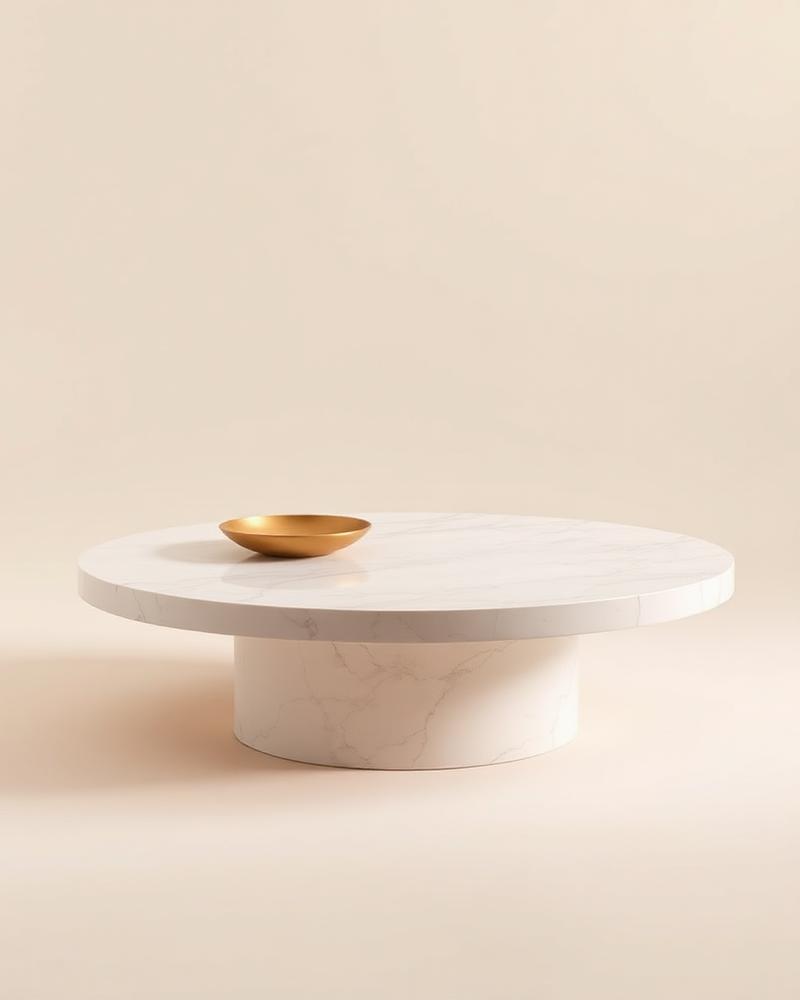
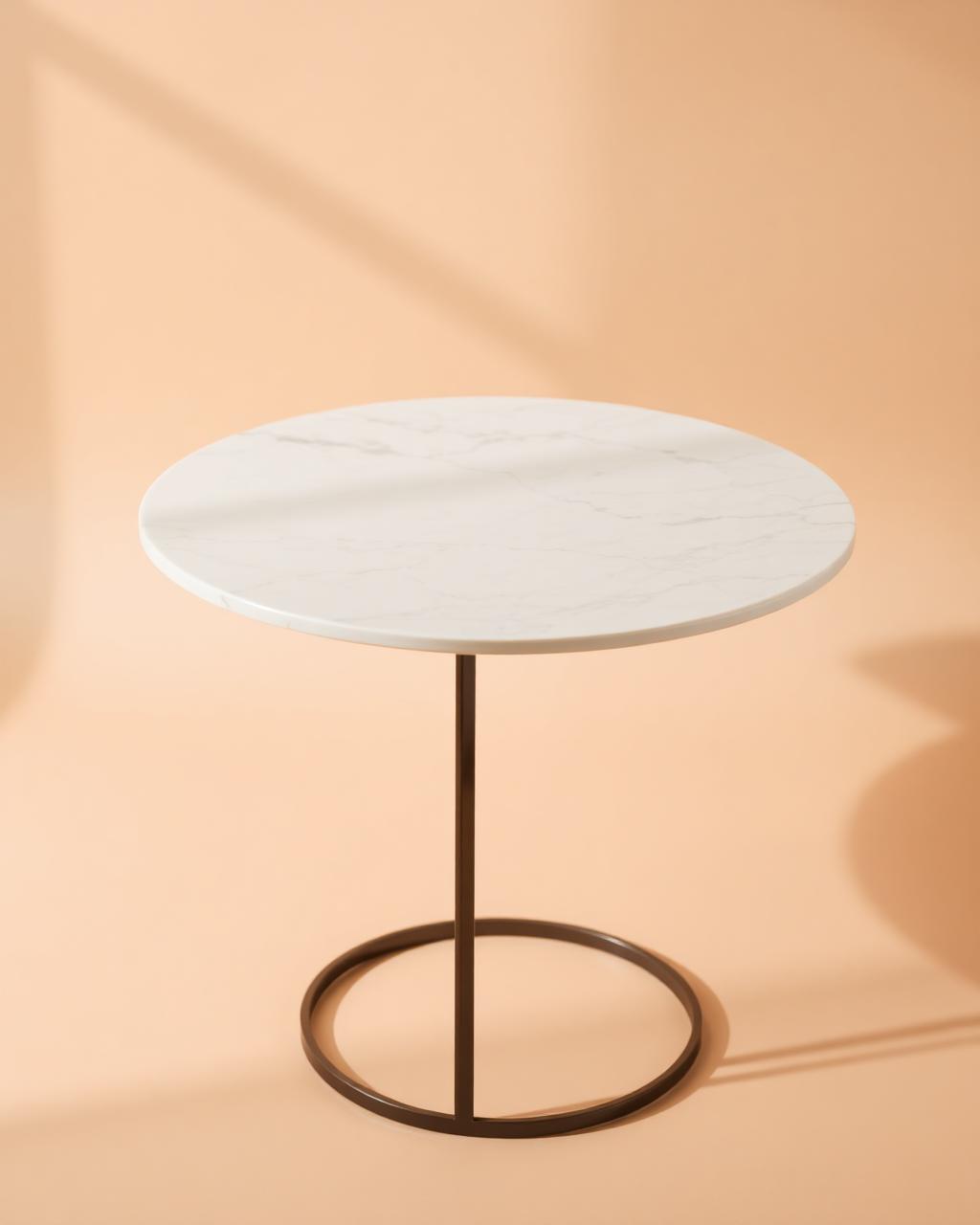
Stone, glass, and metal surfaces cater to specific aesthetic preferences whilst introducing maintenance considerations absent in wood tables. Marble and granite tops, typically 0.75 to 1.25 inches thick, provide heat resistance to 200 degrees Fahrenheit and create luxurious visual weight, but require sealing every 12 to 18 months to prevent staining from acidic foods and beverages. Glass tops of 0.375 to 0.5-inch tempered glass offer visual lightness and effortless cleaning but show fingerprints, water spots, and require trivets for hot items above 140 degrees Fahrenheit. Metal surfaces, usually stainless steel or zinc, develop unique patinas but may require food-safe sealants if direct dining contact occurs, as unsealed metals can react with acidic foods and impart metallic tastes to certain dishes. For daily family use, our collection of Dining Tables emphasises sealed wood and quality veneers that balance durability with maintenance simplicity.
04
Space Planning and Room Proportion
The relationship between table diameter and room dimensions determines whether a round dining table for 4 enhances or overwhelms a space. Design professionals employ the two-thirds rule, whereby the table diameter should not exceed two-thirds of the room's shortest wall dimension to maintain visual balance. In a 10-foot by 12-foot dining area, this guideline suggests a maximum table diameter of 80 inches, though practical clearance requirements limit actual size to 48 inches maximum when accounting for the requisite 36-inch perimeter clearance. Rooms approaching square proportions, such as 11 feet by 11 feet, suit round tables particularly well, as the circular form echoes the spatial geometry and avoids the visual tension created when rectangular tables align awkwardly with square room envelopes.
Ceiling height influences perceived table mass through volumetric proportion calculations often overlooked in selection processes. Standard 8-foot ceilings pair comfortably with tables up to 48 inches in diameter, but rooms with 9 to 10-foot ceilings can accommodate visually heavier designs incorporating thicker tops (1.5 inches) and substantial pedestal bases without the table appearing squat or compressed. Conversely, period homes with 12-foot or greater ceiling heights may render standard 30-inch table height disproportionately low, in which case counter-height dining tables of 36 inches paired with 24-inch stools create better vertical proportion, though this elevation suits casual dining better than formal service.
Lighting placement directly above round tables requires careful dimensional coordination to avoid off-centre appearances that undermine the geometric harmony central to circular design. Chandeliers or pendant fixtures should measure one-half to two-thirds the table diameter, meaning a 42-inch round table pairs ideally with lighting fixtures of 21 to 28 inches in diameter. The fixture bottom should hang 30 to 36 inches above the table surface in rooms with 8-foot ceilings, increasing to 36 to 40 inches in rooms with 9 to 10-foot ceilings. Off-centre electrical boxes present particular challenges with round tables, as even 3 to 4 inches of misalignment becomes immediately apparent to the human eye, which perceives circular forms with greater precision than rectangular shapes. In such cases, consider offset mounting systems, swag hooks, or architectural modifications before delivery.
05
Finish Durability and Maintenance Requirements
Surface finishes determine long-term appearance retention and dictate daily maintenance routines, with modern catalysed conversion varnish and traditional oil finishes occupying opposite ends of the durability spectrum. Conversion varnish, a two-component finish commonly applied in commercial furniture production, creates a crosslinked molecular barrier of 3 to 5 mils thickness that resists water, alcohol, and mild acids whilst maintaining clarity for 10 to 15 years before requiring professional refinishing. This finish withstands casual hot plate contact up to 140 degrees Fahrenheit and requires only damp cloth cleaning with pH-neutral solutions. The hard surface does show fine scratches over time, particularly in high-use zones near table edges where serving dishes and utensils concentrate, but these micro-abrasions remain invisible except under raking light conditions.
Oil finishes, including tung oil, linseed oil, and proprietary Danish oil blends, penetrate wood fibres rather than forming surface films, creating a low-sheen appearance that showcases wood grain with minimal visual interference. These finishes require reapplication every 8 to 12 months depending on use intensity, involving light sanding with 320-grit abrasives followed by fresh oil application and 24-hour curing periods. Whilst maintenance demands exceed those of film finishes, oils permit easy spot repair of damage without professional intervention and develop depth and warmth absent in surface coatings. Water rings, the primary enemy of oil-finished tables, form when moisture penetrates the finish and raises wood fibres, though these often disappear with gentle heat application from hair dryers set to medium temperature held 6 inches from the surface.
Lacquer and polyurethane finishes occupy the middle ground, offering durability superior to oils whilst permitting future refinishing more readily than conversion varnish. Nitrocellulose lacquer, favoured in fine furniture for its repairable nature and attractive patina development, builds in multiple coats totalling 4 to 6 mils and can be spot-repaired by dissolving new lacquer into old with compatible solvents. Polyurethane, available in oil-based and water-based formulations, provides exceptional moisture resistance and UV protection but yellows noticeably over 5 to 7 years in oil-based versions, whilst water-based variants remain clear but slightly less durable. Both finishes tolerate brief heat exposure to 175 degrees Fahrenheit with trivets recommended for anything hotter, and clean effectively with damp microfibre cloths and occasional application of furniture polish containing carnauba wax for enhanced protection.
06
Style Integration and Design Compatibility
Round tables traverse style boundaries with unusual versatility, functioning equally well in contemporary minimalist interiors and traditional period rooms when base design and finish align with surrounding architectural vocabulary. Pedestal tables with clean, turned profiles and medium wood tones suit transitional spaces that blend modern and traditional elements, whilst tables featuring carved tripod bases, ball-and-claw feet, or fluted columns reinforce classical Georgian, Victorian, or French provincial aesthetics. Contemporary settings favour geometric pedestal bases in metal finishes (brushed stainless, powder-coated steel, or blackened iron) supporting wood, stone, or glass tops, with the material contrast creating visual interest central to modern design philosophy.
The visual weight of table bases must correspond to top thickness and material density to achieve proportional harmony. A 1.5-inch thick solid walnut top weighing approximately 75 to 85 pounds at 42-inch diameter requires a substantial pedestal of 14 to 18 inches diameter or a four-leg base with minimum 3-inch square legs to appear visually grounded rather than top-heavy. Conversely, a 0.375-inch glass top weighing 35 to 40 pounds appears to float when paired with slender metal bases of 8 to 10 inches diameter, an intentional effect in minimalist schemes but potentially insubstantial in traditional rooms expecting furniture mass and presence. When integrating round tables into existing dining spaces, photograph the room and overlay table dimensions at scale using design software or paper templates to evaluate proportion before purchase, as the human eye frequently misjudges circular dimensions in three-dimensional spaces.
Chair selection significantly impacts the functional success of round dining tables, with armless designs providing greater flexibility and spatial efficiency than armed alternatives. Side chairs without arms tuck completely beneath table overhangs of 10 to 12 inches, reclaiming floor space when not in use and permitting closer approach to the table edge for comfortable dining posture. Armed chairs require 24 to 26 inches of linear space per seat compared to 20 to 22 inches for armless versions, potentially reducing a four-person round table to three-person capacity if arms prevent close approach. In mixed seating arrangements, position two armed host chairs at opposite points around the circle with armless chairs filling remaining positions, creating hierarchy whilst maintaining capacity and movement efficiency.
07
Investment Value and Longevity Considerations
Quality round dining tables represent significant furniture investments ranging from 800 to 5,000 pounds for solid wood construction from reputable manufacturers, with pricing correlating directly to material grade, joinery complexity, and finish application standards. Entry-level tables utilising select-grade hardwoods (permitting colour variation and small knots) with spray-applied finishes occupy the lower range, whilst premium examples featuring rift or quartersawn lumber graded for uniform colour and tight grain, hand-rubbed finishes, and complex base turnings command prices exceeding 3,000 pounds. The cost-per-year calculation over expected 20 to 30-year lifespans reveals that mid-range tables of 1,500 to 2,200 pounds often deliver superior value compared to budget alternatives requiring replacement every 5 to 7 years due to structural failure or finish degradation.
Construction details invisible at purchase determine long-term durability and distinguish investment-grade pieces from disposable furniture. Examine top-to-base attachment methods, with quality examples employing figure-eight fasteners, slotted screw blocks, or expansion plates that permit seasonal wood movement whilst maintaining secure attachment. Glued-only joints or insufficient fastener count (minimum six attachment points for 42-inch round tops) lead to separation and wobble within 24 to 36 months. Inspect finish quality by viewing surfaces under raking light at sharp angles, which reveals application flaws including orange peel texture, runs, sags, and inadequate coverage at edges and details. Premium finishes exhibit glass-smooth surfaces free from texture variation and maintain consistent sheen across all surfaces including bases, pedestals, and underside edges.
Warranties provide insight into manufacturer confidence and customer service infrastructure, with reputable firms offering minimum one-year coverage on structural components and finishes. Extended warranties of three to five years signal superior construction standards and material selection, though consumers should verify coverage specifics rather than relying on marketing language. Structural warranties should explicitly cover joint failure, base stability, and top warping beyond 0.125 inches across diameter, whilst finish warranties typically exclude damage from improper care, heat exposure beyond stated limits, or chemical contact. The availability of replacement parts, particularly for tables with complex turned pedestals or proprietary hardware, deserves consideration equal to initial price, as orphaned designs become unrepairable when manufacturers discontinue models or cease operations. Our Dining Tables collection features only manufacturers with established parts availability and customer service infrastructure supporting long-term ownership.
FAQ
Frequently Asked Questions
- What is the ideal diameter for a round dining table that seats 4?
- The ideal diameter measures 42 inches, providing 33 inches of arc space per person for comfortable dining with full place settings. Smaller 36-inch tables work for tight spaces but feel cramped during formal meals, whilst 48-inch tables offer generous spacing but begin functioning better as five-person tables and require larger rooms.
- How much space do I need around a round table for 4?
- Allow 36 inches of clearance on all sides for chair movement and passage behind seated diners. This means a 42-inch table requires a circular clear zone of approximately 9.5 feet in diameter. Rooms unable to provide this clearance should consider smaller 36-inch tables or alternative shapes.
- Are pedestal or four-leg bases better for round tables?
- Pedestal bases prove superior for round tables by eliminating leg interference at any seating position, allowing flexible chair placement around the entire circumference. Four-leg designs offer traditional aesthetics and inherent stability but create two compromised seating positions where legs intersect with chair placement, reducing practical functionality.
- Can a round table for 4 ever seat more people?
- A 42-inch round table can accommodate five people for casual meals by reducing per-person arc space from 33 to 26 inches, though comfort decreases noticeably. Six-person seating proves impractical at this diameter, requiring 48 to 54-inch tables to maintain acceptable spacing of 25 to 28 inches per person.
- What materials last longest for dining tables?
- Solid hardwoods including oak, maple, and walnut with catalysed conversion varnish finishes provide longevity exceeding 30 years with proper care. These materials resist daily wear whilst accepting refinishing if needed. Quality veneered tables over stable substrates offer comparable durability at lower cost, whilst stone and metal surfaces provide extreme durability but require specific maintenance protocols.
- How do I prevent water rings on wood dining tables?
- Use coasters and trivets consistently, as moisture penetration causes water rings on all wood finishes except impermeable conversion varnish. For existing rings on oil or lacquer finishes, apply gentle heat with a hair dryer held 6 inches away on medium setting to evaporate trapped moisture. Maintain film finishes with occasional furniture wax application for enhanced protection.
Continue Reading
Related Reading
12 August 2026
The Ultimate Guide to Choosing the Perfect Mirror for Your Space
29 July 2026
How to Style a Coffee Table Like a Designer
14 July 2026
Decorative Objects: How to Curate a Collected Look
1 August 2026
Abstract Sculptural Objects in Home Decor
29 July 2026
How to Choose Accent Chair For for Your Living Room
26 July 2026
How to Choose Accent Chair for Your Living Room
23 July 2026
Accent Chair Living Room Placement
20 July 2026
How to Choose Accent Chairs for Your Living Room
17 July 2026
Accent Tables for Small Spaces
14 July 2026
Accent Table Styling: 5 Foolproof Formulas
11 July 2026
Alabaster Lighting: Natural Luxury for Every Room
8 July 2026
Antiqued Mirror Glass Guide and Styling
5 July 2026
Arc Floor Lamp: Types, Sizes & How to Choose
2 July 2026
Arched Mirrors: A Complete Buying and Styling Guide
29 June 2026
Arched Window Mirror Ideas
26 June 2026
How to Arrange Decorative Objects on a Bookshelf
23 June 2026
The Art of Decorative Tray Styling for Coffee Tables
20 June 2026
Artwork For Wall: Styling Tips & Best Picks
17 June 2026
How to Choose the Right Bar Height Table
14 June 2026
Bar Stools with Backs: Comfort Meets Style
11 June 2026
Basket For Blankets: Materials, Sizes & Buying Guide
8 June 2026
Baskets For Storage: Styling Tips & Best Picks
5 June 2026
How to Choose Accessories for Your Bathroom
2 June 2026
How to Choose Decor for Your Bathroom

30 May 2026
Bathroom Decor Ideas for Every Style
27 May 2026
How to Choose Fan With Light for Your Bathroom
24 May 2026
How to Choose Fixtures for Your Bathroom
21 May 2026
Bathroom Light Fixtures: Style and Safety
18 May 2026
How to Choose Light Fixtures for Your Bathroom
15 May 2026
How to Choose Light for Your Bathroom
12 May 2026
How to Choose Lighting for Your Bathroom
9 May 2026
How to Choose Medicine Cabinet for Your Bathroom
6 May 2026
How to Choose a Bathroom Mirror: Size and Style Guide
3 May 2026
Bathroom Mirror Size Guide: Finding the Right Fit
30 April 2026
How to Choose a Bathroom Mirror: Size and Style Guide
27 April 2026
How to Choose a Bathroom Mirror: Size and Style Guide
24 April 2026
How to Choose Rug for Your Bathroom
21 April 2026
How to Choose Rug Set for Your Bathroom
18 April 2026
The Best Bathroom Rugs for Style and Comfort
15 April 2026
How to Choose Sconce for Your Bathroom
12 April 2026
How to Choose Sconces for Your Bathroom
9 April 2026
How to Choose Shelf for Your Bathroom
6 April 2026
How to Choose Shelves for Your Bathroom
3 April 2026
How to Choose Towel Rack for Your Bathroom
31 March 2026
How to Choose Vanities for Your Bathroom
28 March 2026
Bathroom Vanity Mirror Ideas
25 March 2026
Bed Pillow Arrangement: How Many and What Sizes
22 March 2026
Bedding Colour Palettes for a Calm Bedroom
19 March 2026
Bedroom Accent Chair Placement Ideas
16 March 2026
Bedroom Bench at End of Bed: Sizing and Style Guide
13 March 2026
How to Choose Bench for Your Bedroom
10 March 2026
Bedroom Bench Styling Ideas
7 March 2026
How to Choose Chair for Your Bedroom
4 March 2026
Bedroom Chair Ideas for Style and Function
1 March 2026
Bedroom Curtain Ideas for Light and Privacy
26 February 2026
How to Choose Curtains for Your Bedroom
23 February 2026
How to Choose a Bedroom Dresser: Size, Style, and Material
20 February 2026
Bedroom Furniture Arrangement Ideas
17 February 2026
How to Choose Lamp for Your Bedroom
14 February 2026
How to Choose Lamps for Your Bedroom
11 February 2026
Bedroom Lighting Ideas: Layers, Moods, and Fixtures
8 February 2026
Bedroom Mirror Ideas: Placement and Styling
5 February 2026
Bedroom Pillow Layering Guide
2 February 2026
How to Choose Rugs for Your Bedroom
30 January 2026
Bedroom Seating Area Ideas
27 January 2026
Bedroom Side Table Ideas and Styling
24 January 2026
Bedroom Textile Layering Tips
21 January 2026
Bedroom Throw Pillow Ideas
18 January 2026
How to Choose Vanity for Your Bedroom
15 January 2026
How to Choose the Right Behind Couch Table
12 January 2026
How to Choose the Right Behind The Couch Table
9 January 2026
The Best Bedding for Your Home
6 January 2026
Bedding Materials Compared: Linen, Percale, Sateen, Silk
3 January 2026
Best Throw Pillow Sizes for Sofas and Beds
31 December 2025
The Best Throw Pillow Sizes for Sofas and Beds
28 December 2025
Black Framed Mirror Ideas
25 December 2025
Blackout Curtains Without the Bulk
22 December 2025
Bookshelf Decorative Objects Styling
19 December 2025
Bookshelf Styling with Mirrors and Objects
16 December 2025
Boudoir Chair Styling Guide for Elegant Bedrooms
13 December 2025
Brass Decorative Objects Styling
10 December 2025
Brass Lighting Fixtures: The Warm Metallic Guide
7 December 2025
C-Table Buying Guide: Styles, Sizes and Uses
4 December 2025
Cashmere Throw Blanket Care and Styling
1 December 2025
Ceiling Flush Mount Light: Types, Sizes & How to Choose
28 November 2025
Ceramic Bowls as Home Decor Accents
25 November 2025
Ceramic Vase Styling Tips for Every Room
22 November 2025
How to Choose the Right Chair For Table
19 November 2025
How to Choose Chairs For for Your Kitchen
16 November 2025
How to Choose Chairs For Your Living Room
13 November 2025
How to Choose the Right Chairs For Sale
10 November 2025
How to Choose the Right Chairs For Table
7 November 2025
Chandelier For Dining: Types, Sizes & How to Choose
4 November 2025
How Low Should a Chandelier Hang Above a Table?
1 November 2025
The Complete Guide to Chandeliers
29 October 2025
How to Choose a Dining Room Chandelier
26 October 2025
Cocktail Ottoman vs Coffee Table: How to Choose
23 October 2025
Coffee Table Books: How to Style Them Beautifully
20 October 2025
Coffee Table Centerpiece Ideas
17 October 2025
Coffee Table Styling Mistakes to Avoid
14 October 2025
Coffee Table Tray Styling
11 October 2025
How to Choose the Right Coffee Table With Glass
8 October 2025
The Complete Guide to Cushion Inserts and Fillings
5 October 2025
The Complete Guide to Mirror Sizes for Every Room
2 October 2025
The Complete Guide to Side Table Heights and Placement
29 September 2025
The Complete Guide to Nesting Tables
26 September 2025
Console Table Behind Sofa: Styling Guide
23 September 2025
Console Table Behind Sofa Ideas
20 September 2025
How to Choose Console Table for Your Entryway
17 September 2025
Console Table Styling: 7 Designer-Approved Formulas
14 September 2025
How to Choose the Right Console Table With Storage
11 September 2025
Contemporary Furniture: Style Guide & Expert Picks
8 September 2025
Convex Mirror Decorating Ideas for Every Room
5 September 2025
How Much Does It Cost to Furnish a Living Room?
2 September 2025
Cotton Duvet Covers: Why They're Worth It
30 August 2025
How to Choose the Right Counter Height Bar Stool
27 August 2025
How to Choose the Right Counter Height Bar Stools
24 August 2025
How to Choose the Right Counter Height Chairs
21 August 2025
How to Choose the Right Counter Height Stool
18 August 2025
Counter Height Stools: A Sizing and Style Guide
15 August 2025
Cozy Throw Blanket Ideas for Every Room
12 August 2025
Credenza Styling Tips for Modern Homes
9 August 2025
Credenza vs Sideboard vs Buffet: Key Differences
6 August 2025
Curtain Header Styles Compared
3 August 2025
Curtain Rod Guide: Diameters, Finishes, Brackets
31 July 2025
Curtains: A Complete Buying and Styling Guide
28 July 2025
How to Choose Curtains for Your Living Room
25 July 2025
How to Choose Curtains for Your Living Room
22 July 2025
How to Choose the Right Cushions For Chairs
19 July 2025
How to Choose Decor For for Your Kitchen
16 July 2025
Decor Wall Decor: Styling Tips & Best Picks
13 July 2025
Decorative Bowls for Entryway Tables
10 July 2025
Decorative Bowls: Styling Ideas for Every Surface
7 July 2025
Decorative Boxes: Storage That's Beautiful
4 July 2025
Decorative Boxes for Vanity Styling
1 July 2025
Decorative Candle Holders Styling Guide
28 June 2025
Decorative Objects for Bedroom Dressers
25 June 2025
How to Choose Decorative Objects for Coffee Tables
22 June 2025
Decorative Pillow Arrangement Ideas for Every Bed
19 June 2025
Decorative Pillow Sizes Guide for Sofas
16 June 2025
Decorative Table Runner Ideas
13 June 2025
Decorative Throw Pillow Combinations That Work
10 June 2025
Decorative Trays for Bedroom Styling
7 June 2025
Decorative Vases: Styling Empty vs Filled
4 June 2025
Demilune Console Table: The Complete Guide
1 June 2025
How to Choose Chair for Your Dining Room
29 May 2025
How to Choose Dining Room Chairs
26 May 2025
How to Choose Chandelier for Your Dining Room
23 May 2025
How to Choose a Dining Room Chandelier
20 May 2025
How to Choose Dining for Your Dining Room
17 May 2025
How to Choose Light Fixture for Your Dining Room
14 May 2025
Dining Room Mirror Ideas
11 May 2025
How to Choose Rug for Your Dining Room
8 May 2025
How to Choose Set for Your Dining Room
5 May 2025
Dining Room Sideboard Styling Ideas
2 May 2025
How to Choose Table for Your Dining Room
29 April 2025
How to Choose Tables for Your Dining Room
26 April 2025
How to Choose Dining Table Kitchen Table for Your Kitchen
23 April 2025
Dining Table Seating Chart: Size by Guest Count
20 April 2025
How to Choose the Right Dining Table Set For 6
17 April 2025
Double Vanity Mirror Ideas
14 April 2025
How to Choose the Right Dresser Small
11 April 2025
How to Choose the Right Dresser With Drawers
8 April 2025
How to Choose the Right Dressers For Sale
5 April 2025
Duvet Cover: Materials, Sizes & Buying Guide
2 April 2025
Duvet Cover King: Materials, Sizes & Buying Guide
30 March 2025
Duvet vs Comforter: The Real Difference
27 March 2025
End Table vs Side Table: What's the Difference
24 March 2025
How to Choose End Tables For for Your Living Room
21 March 2025
How to Choose Bench for Your Entryway
18 March 2025
How to Choose Console Table for Your Entryway
15 March 2025
Entryway Console Table Height Guide
12 March 2025
How to Choose Furniture for Your Entryway
9 March 2025
Entryway Lighting: Making a First Impression
6 March 2025
How to Choose Rug for Your Entryway
3 March 2025
Entryway Table Decor Ideas
28 February 2025
How to Choose Table for Your Entryway
25 February 2025
How to Choose Table With Storage for Your Entryway
22 February 2025
Exterior Lamp: Types, Sizes & How to Choose
19 February 2025
Exterior Light Fixture: Types, Sizes & How to Choose
16 February 2025
Exterior Light Fixtures: Types, Sizes & How to Choose
13 February 2025
Exterior Light: Types, Sizes & How to Choose
10 February 2025
Exterior Wall Light: Types, Sizes & How to Choose
7 February 2025
Faux Fur Throw Blanket Styling Ideas
4 February 2025
The Complete Guide to Floor Fan
1 February 2025
Floor Lamp: Types, Sizes & How to Choose
29 January 2025
The Best Floor Lamps for Living Rooms
26 January 2025
Floor Lamps: Types, Sizes & How to Choose
23 January 2025
Floor Lamps for Living Room: A Styling Guide
20 January 2025
Floor Length Mirror: Sizes, Styles & Placement Guide
17 January 2025
Floor Mirror Buying Guide: Sizes, Styles & Placement
14 January 2025
Floor Mirror: Sizes, Styles & Placement Guide
11 January 2025
Flush Mount Ceiling Fixture: Types, Sizes & How to Choose
8 January 2025
Flush Mount Ceiling Light: Types, Sizes & How to Choose
5 January 2025
Flush Mount Ceiling Lights: Low Profile Elegance
2 January 2025
Flush Mount Light Fixture: Types, Sizes & How to Choose
30 December 2024
Foyer Furniture Arrangement Guide
27 December 2024
Frameless Mirror Ideas for Modern Decor
24 December 2024
French Style Mirrors: A Complete Guide
21 December 2024
Full Length Mirror Bedroom Placement Ideas
18 December 2024
Full Length Mirror: Sizes, Styles & Placement Guide
15 December 2024
Gilded Mirrors: History, Styles and Care
12 December 2024
Glass Coffee Table Styling Ideas and Tips
9 December 2024
Glass Vases for Flower Arranging
6 December 2024
Gold Mirror Decorating Ideas
3 December 2024
Guest Bedroom Textile Ideas
30 November 2024
Hallway Mirror Ideas to Brighten Your Space
27 November 2024
Hang Light: Types, Sizes & How to Choose
24 November 2024
How to Choose the Right Hanging Chair
21 November 2024
Hanging Light: Types, Sizes & How to Choose
18 November 2024
Hanging Lights: Types, Sizes & How to Choose
15 November 2024
How to Choose the Right High Top Table
12 November 2024
The History of the Venetian Mirror
9 November 2024
Home Decor Ideas for Every Style
6 November 2024
How to Choose the Right Home Office Desk
3 November 2024
Horizontal Mirror Above Dresser Ideas
31 October 2024
How High to Hang a Mirror Above a Console Table
28 October 2024
How Many Recessed Lights Per Room?
25 October 2024
How to Care for Linen Bedding
22 October 2024
How to Care for Silk Cushions and Pillows
19 October 2024
How to Choose the Right Bedroom Mirror Size
16 October 2024
How to Choose the Right Console Table Size
13 October 2024
How to Choose the Perfect Coffee Table for Your Sofa
10 October 2024
How to Choose the Perfect Entryway Mirror for Your Home
7 October 2024
How to Choose a Throw Blanket for Your Sofa
4 October 2024
How to Clean and Care for Antique Mirrors
1 October 2024
Sculptural Objects: How to Display Modern Art Pieces
28 September 2024
How to Hang Curtains Properly
25 September 2024
How to Hang Multiple Mirrors on One Wall
22 September 2024
How to Layer a Bed Like a Designer
19 September 2024
How to Layer Textiles for a Luxurious Bedroom
16 September 2024
How to Measure a Room for Furniture
13 September 2024
How to Measure for a Bathroom Mirror
10 September 2024
How to Measure for Curtains
7 September 2024
How to Mix Throw Pillow Patterns Like a Designer
4 September 2024
How to Style a Bedroom Dresser Like an Interior Designer
1 September 2024
How to Style a Mantel with Mirrors and Objects
29 August 2024
The Complete Guide to Interior Designer
26 August 2024
King Duvet Cover: Materials, Sizes & Buying Guide
23 August 2024
King Size Blanket: Materials, Sizes & Buying Guide
20 August 2024
King vs Queen Bedding Sizes: A Fit Guide
17 August 2024
How to Choose Cabinet Hardware for Your Kitchen
14 August 2024
How to Choose Ceiling Lights for Your Kitchen
11 August 2024
How to Choose Chairs for Your Kitchen
8 August 2024
How to Choose Island Lighting for Your Kitchen
5 August 2024
How to Choose Light Fixture for Your Kitchen
2 August 2024
Kitchen Light Fixtures: Types, Placement, and Style
30 July 2024
How to Choose Light for Your Kitchen
27 July 2024
How to Choose Lights for Your Kitchen
24 July 2024
How to Choose Pendant Light for Your Kitchen
21 July 2024
How to Choose Pendant Lights for Your Kitchen
18 July 2024
How to Choose Runner for Your Kitchen
15 July 2024
How to Choose Runner Rugs for Your Kitchen
12 July 2024
How to Choose Stool for Your Kitchen
9 July 2024
How to Choose Table for Your Kitchen
6 July 2024
Lamp Shade Guide: Shapes, Sizes, and Materials
3 July 2024
Lamp With Shade: Types, Sizes & How to Choose
30 June 2024
Large Picture Frames: Styling Tips & Best Picks
27 June 2024
Large Wall Art: Styling Tips & Best Picks
24 June 2024
Large Wall Clock: Styling Tips & Best Picks
21 June 2024
Large Wall Mirror Placement Tips
18 June 2024
Leaning Mirror Safety Tips and Styling Ideas
15 June 2024
How to Choose the Right Lift Top Cocktail Table
12 June 2024
How to Choose Light Fixtures For for Your Kitchen
9 June 2024
How to Choose the Right Light For Desk
6 June 2024
Light For Wall: Types, Sizes & How to Choose
3 June 2024
Light Hanging: Types, Sizes & How to Choose
31 May 2024
Light Switch Cover: Types, Sizes & How to Choose
28 May 2024
Light Switch Covers: Types, Sizes & How to Choose
25 May 2024
How to Choose a Bathroom Mirror: Size and Style Guide
22 May 2024
How to Light a Living Room: A Layered Approach
19 May 2024
How to Choose Lighting For for Your Kitchen
16 May 2024
How to Choose Lights For Island for Your Kitchen
13 May 2024
Lights For Wall: Types, Sizes & How to Choose
10 May 2024
How to Choose Lights In for Your Kitchen
7 May 2024
Linear Chandeliers for Dining Tables and Kitchens
4 May 2024
Linen Curtains: Why Designers Keep Choosing Them
1 May 2024
Linen Tablecloth Styling Guide
28 April 2024
Linen vs Cotton Sheets: Which Should You Choose?
25 April 2024
How to Choose the Right Liquor Cabinet
22 April 2024
How to Choose Accent Chairs for Your Living Room
19 April 2024
How to Choose Chair for Your Living Room
16 April 2024
The Best Chairs for Your Living Room
13 April 2024
Living Room Curtain Ideas That Read Architectural
10 April 2024
Living Room Furniture Layout Guide
7 April 2024
How to Choose Lamp for Your Living Room
4 April 2024
How to Choose Lamps for Your Living Room
1 April 2024
Living Room Mirror Placement: 10 Designer Rules
29 March 2024
How to Choose the Right Rug for Your Living Room
26 March 2024
How to Choose the Right Rug for Your Living Room
23 March 2024
How to Choose Table for Your Living Room
20 March 2024
How to Choose the Right Long Dresser
17 March 2024
Lumbar Pillow Sofa Styling Tips
14 March 2024
Luxury Bedding: A Complete Buying Guide
11 March 2024
Luxury Furniture: Style Guide & Expert Picks
8 March 2024
Luxury Home Decor: Styling Tips & Best Picks
5 March 2024
Mantel Decor Ideas Without a Mirror
2 March 2024
Marble Coffee Table Care and Maintenance Guide
28 February 2024
Marble Tray Styling Ideas
25 February 2024
Marble vs Brass: Choosing Side Table Materials
22 February 2024
How to Choose the Right Medicine Cabinet With Mirror
19 February 2024
Mid Century Modern Furniture: Style Guide & Expert Picks
16 February 2024
Mirror Frame Styles Explained: A Design Dictionary
13 February 2024
Mirror Grouping Ideas for Living Rooms
10 February 2024
Mirror On Wall: Sizes, Styles & Placement Guide
7 February 2024
Mirror Over Fireplace Ideas and Design Rules
4 February 2024
Mirror Reflection Placement Tips
1 February 2024
Mirror Vanity Mirror: Sizes, Styles & Placement Guide
29 January 2024
Mirror Wall Decor: Sizes, Styles & Placement Guide
26 January 2024
Mirror Wall Mirror: Sizes, Styles & Placement Guide
23 January 2024
How to Choose the Right Modern Bar Stools
20 January 2024
Modern Chandelier: Types, Sizes & How to Choose
17 January 2024
Modern Chandeliers: Contemporary Statement Lighting
14 January 2024
How to Choose the Right Modern Coffee Table
11 January 2024
How to Choose the Right Modern Dining Chairs
8 January 2024
How to Choose the Right Modern Dining Table
5 January 2024
Modern Floor Lamp: Types, Sizes & How to Choose
2 January 2024
Modern Furniture: Style Guide & Expert Picks
30 December 2023
Modern Wall Mirror Ideas
27 December 2023
Narrow Console Table Styling
24 December 2023
Neutral Throw Pillow Ideas
21 December 2023
Nightstand Styling Ideas for Every Bedroom
18 December 2023
How to Choose the Right Office Desk
15 December 2023
Ottoman Coffee Tables: Styling and Placement Tips
12 December 2023
Ottoman Styling for Living Rooms
9 December 2023
Outdoor Light Fixtures: Porch, Patio, and Pathway
6 December 2023
Oval Mirror Bathroom Ideas
3 December 2023
How to Choose the Right Oversized Chair
30 November 2023
Oversized Floor Mirror Placement Guide
27 November 2023
Oversized Mirrors: How to Use Them in Small Spaces
24 November 2023
Parsons Table Decorating Ideas for Modern Homes
21 November 2023
Patterned Throw Pillow Mixing Guide
18 November 2023
Pedestal Side Tables: A Timeless Design Guide
15 November 2023
How to Choose Pendant Light for Your Kitchen
12 November 2023
How to Choose Pendant Lighting For Island for Your Kitchen
9 November 2023
How to Choose Pendant Lights For for Your Kitchen
6 November 2023
How to Choose Pendant Lights for a Kitchen Island
3 November 2023
Pendant Lights for Kitchen Islands: Spacing and Sizing
31 October 2023
How to Choose the Right Pillows For Couch
28 October 2023
How to Choose the Right Pillows For Sofa
25 October 2023
Pivot Mirror vs Wall Mounted: Which Is Right for You
22 October 2023
Powder Room Mirror Ideas
19 October 2023
Queen Duvet Cover: Materials, Sizes & Buying Guide
16 October 2023
How to Choose Recessed Lighting For S for Your Kitchen
13 October 2023
How to Choose Recessed Lighting In for Your Kitchen
10 October 2023
How to Choose Rectangular Table for Your Kitchen
7 October 2023
Round Coffee Table Styling Tips
1 October 2023
How to Choose Round Table for Your Kitchen
28 September 2023
Round Side Table Styling Ideas
25 September 2023
Round vs Rectangular Mirrors: Which Shape Is Right?
22 September 2023
Rug Sizes: Sizing, Materials & Style Guide
19 September 2023
How to Choose Rugs For for Your Living Room
16 September 2023
Rugs For Sale: Sizing, Materials & Style Guide
13 September 2023
The Rule of Three: Styling Decorative Objects
10 September 2023
Sculptural Lighting: When Fixtures Become Art
7 September 2023
Sculptural Vases for Modern Homes
4 September 2023
How to Choose the Right Sectional Couches For Sale
1 September 2023
Sheer Curtains: Softening Light Without Losing It
29 August 2023
Side Table Decor Ideas for Living Rooms
26 August 2023
How to Choose Side Table For for Your Living Room
23 August 2023
How to Choose Side Table for Your Living Room
20 August 2023
How to Choose Side Tables for Your Living Room
17 August 2023
Silk Pillowcase Decorating and Care
14 August 2023
Size Rug: Sizing, Materials & Style Guide
11 August 2023
How to Choose the Right Slipcover Couch
8 August 2023
Slipcover Sofas: Pros, Cons, and Best Picks
5 August 2023
How to Choose the Right Slipcovered Sofa
2 August 2023
Slipper Chair Decorating Ideas for Small Spaces
30 July 2023
How to Choose the Right Small Coffee Table
27 July 2023
Small Console Table Ideas
24 July 2023
How to Choose the Right Small Dresser
21 July 2023
Small Lamp: Types, Sizes & How to Choose
18 July 2023
Small Space Mirror Tricks to Expand Your Room
15 July 2023
Console Table Behind Sofa: Styling Guide
12 July 2023
How to Choose the Right Sofa Table Behind
9 July 2023
Square Mirror Design Ideas for Modern Homes
6 July 2023
Staircase Chandeliers: How to Choose One
3 July 2023
Standard Curtain Lengths and How to Pick One
30 June 2023
How to Choose Stools For for Your Kitchen
27 June 2023
How to Choose Stools For Island for Your Kitchen
24 June 2023
Storage Bench Bedroom Ideas
21 June 2023
Sunburst Mirror Placement Guide
18 June 2023
Switch For Lights: Types, Sizes & How to Choose
15 June 2023
Console Table Behind Sofa: Styling Guide
12 June 2023
Table Lamps for Bedside: Heights and Styles
9 June 2023
How to Choose Table Lamps For Your Living Room
6 June 2023
Table Runner Length Guide
3 June 2023
Table Runner Styling: Modern Ways to Use Them
31 May 2023
How to Choose the Right Tall Dresser
28 May 2023
Tall Lamp: Types, Sizes & How to Choose
25 May 2023
Thread Count Explained: What Actually Matters
22 May 2023
Best Throw Blanket Colors for Neutral Sofas
19 May 2023
How to Choose the Right Throw Pillows For Couch
16 May 2023
How to Choose the Right Tray For Coffee Table
13 May 2023
Tray Top Coffee Table Ideas and Uses
10 May 2023
Trestle Dining Table Decorating Ideas
7 May 2023
Upholstered Bench Bedroom Ideas
4 May 2023
Vanity Mirror Height Standards and Guidelines
1 May 2023
Vanity Mirror Vanity: Sizes, Styles & Placement Guide
28 April 2023
Vanity Mirror With Lights: Types, Sizes & How to Choose
25 April 2023
Vanity With Mirror And Lights: Types, Sizes & How to Choose
22 April 2023
Velvet Accent Chair Decorating Ideas
19 April 2023
Velvet vs Linen: Choosing Luxury Cushion Fabrics
16 April 2023
How to Choose Wall Art For for Your Living Room
13 April 2023
How to Choose Wall Decor For for Your Living Room
10 April 2023
Wall Mirror Above Sofa Ideas and Placement
7 April 2023
Wall Mirror Wall: Sizes, Styles & Placement Guide
4 April 2023
Wall Sconces: Types, Placement, and Design Tips
1 April 2023
Waterfall Console Table Styling and Placement
29 March 2023
What Is A Duvet Cover?
26 March 2023
What Size Coffee Table for a Sectional?
23 March 2023
What Size Mirror Above a Console Table?
20 March 2023
What Size Rug for a Living Room?
17 March 2023
White Ceramic Vases in Home Decor
14 March 2023
Wooden Bowl Decor Ideas
11 March 2023