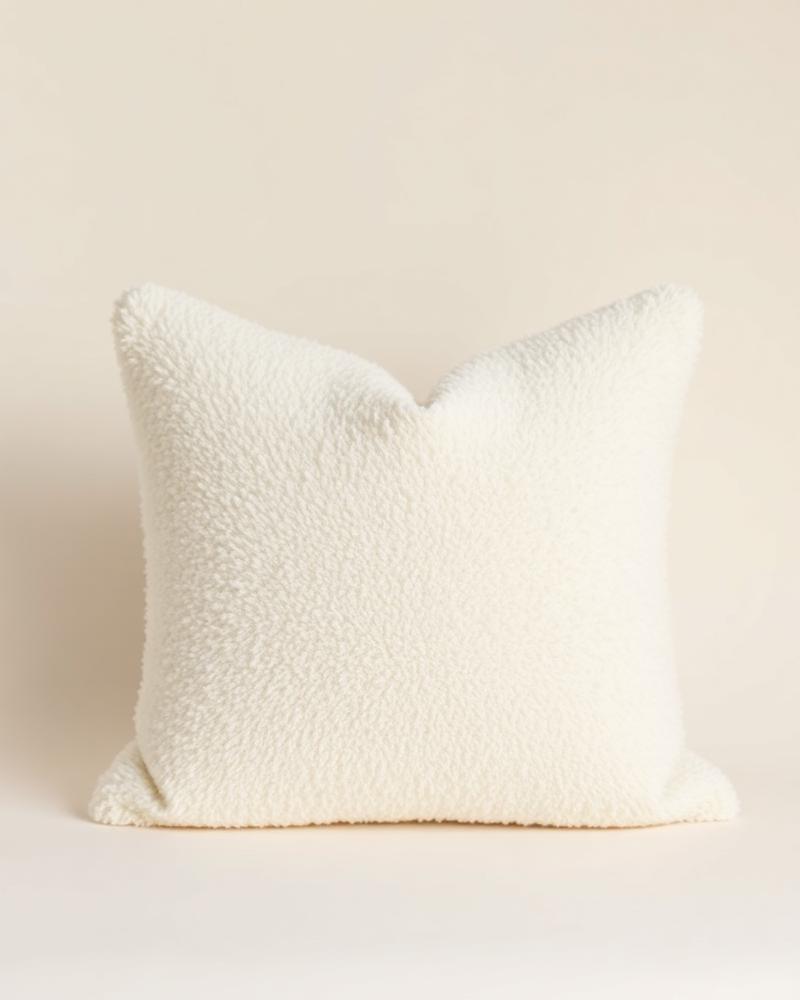
Alpina
Bouclé Throw Pillow
$120
from $10/mo
Luxury Textiles
A focused edit of curtains & drapes from the textiles collection — selected for proportion, material and finish.
No pieces currently match these filters. Try removing one filter to broaden the edit.
Pieces from the wider collection, shown separately from the edit above.
When choosing curtains for your home, the decision reaches far beyond simple window dressing. These essential textiles define how light enters a room, how proportions read to the eye, and ultimately how a space feels throughout the day. The right curtain transforms architecture, softens hard surfaces, and introduces texture in volumes that smaller textiles simply cannot achieve.
Quality curtains represent one of the most significant fabric investments in a well-appointed room, which is why the selection merits careful thought. Length, weight, lining, header style, and fibre content all play distinct roles in both appearance and performance. Understanding these elements allows you to make choices that will serve your interiors well for years to come.
The relationship between curtain length and ceiling height governs much of a room's visual success. For standard eight-foot ceilings, panels that break gently on the floor—approximately one inch—create an elegant, tailored line. In rooms with nine-foot ceilings or higher, consider a more generous break of two to four inches, which lends softness without appearing careless. Our curtain length guide provides detailed measurements for various ceiling heights and the effects each creates.
Width matters equally. Proper fullness requires panels that, when drawn closed, measure one and a half to two and a half times the width of the window or wall being dressed. Skimping here produces a stingy, stretched appearance that undermines even the finest fabric. Mounting the rod well beyond the window frame—eight to twelve inches on each side—allows curtains to stack clear of the glass when open, maximising natural light.
Linen remains the most versatile choice for curtains, offering a natural drape and subtle texture that complements both traditional and contemporary interiors. Its gentle creasing is part of its character, not a flaw. Cotton velvet provides exceptional light control and thermal insulation, particularly suitable for bedroom curtains where darkness and quiet matter. Silk, while beautiful, requires protected conditions and professional cleaning.
Weight and lining fundamentally alter how fabric behaves. Interlining—a layer of flannel or bump between face fabric and lining—adds body, improves insulation, and creates that coveted, luxurious drape seen in period rooms and high-end hotels. Our linen curtains guide explores these construction details in depth.
The rod you select shapes the entire presentation. Key considerations include:
Our curtain rod guide covers these technical aspects, while how to hang curtains walks through the installation process itself. Achieving a professional result requires attention at every stage.
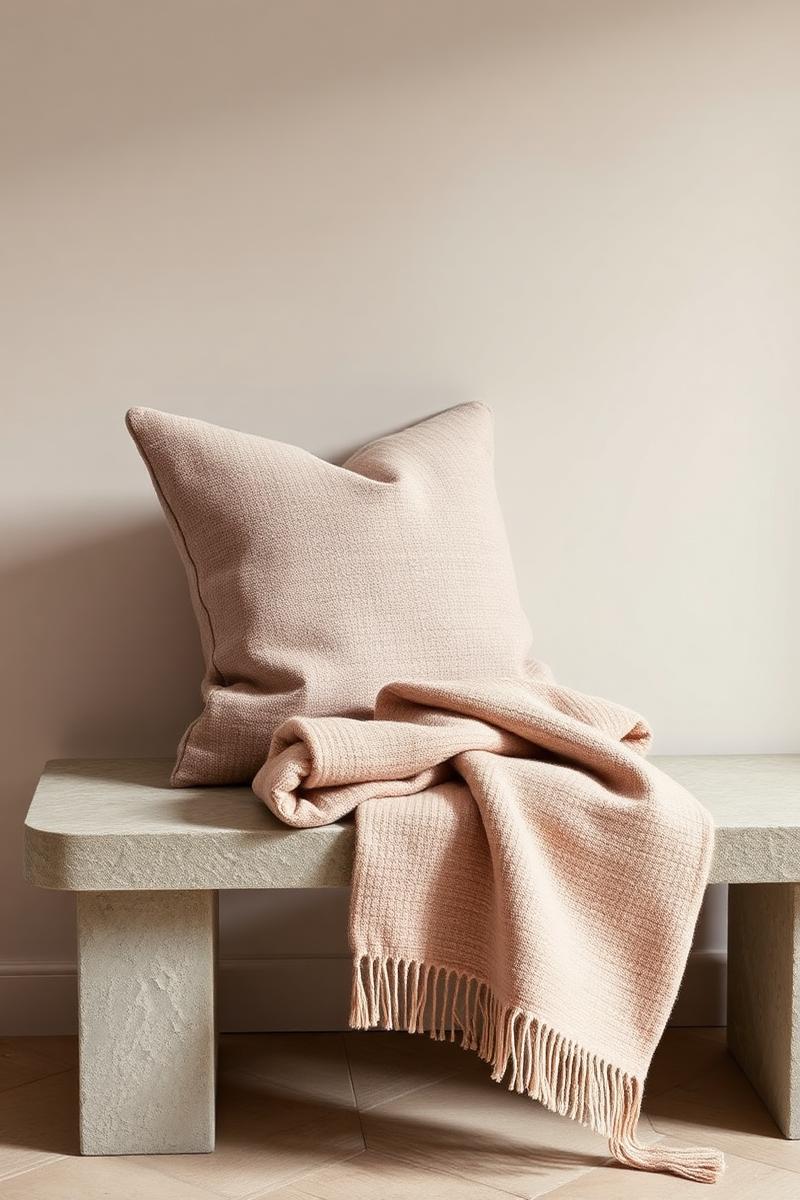
Curtains rarely work in isolation. In living room curtains, consider how the panels relate to upholstered pieces and other soft furnishings. Repeating the curtain fabric in throw pillows creates cohesion, though varying the scale or mixing in complementary textures often proves more interesting than exact matching. Throws and blankets introduce additional pattern or colour without commitment, while cushions on seating pieces can either echo or contrast with window treatments depending on the effect you wish to achieve.
Layering sheers beneath opaque curtains provides daytime privacy and light diffusion while maintaining the option for full coverage after dark. This combination works particularly well in rooms facing the street or in climates with intense sun.
Natural fibres benefit from regular vacuuming with a brush attachment to prevent dust accumulation in the folds. Most lined curtains require professional dry cleaning to maintain their shape and prevent differential shrinkage between layers. Steaming removes creases from travel or storage more safely than ironing, which can create shine on some fabrics.
Allow curtains to adjust to your home's humidity for several weeks before making any final length adjustments. Natural fibres relax and settle, and what seemed perfect initially may require a small hem correction once the fabric has reached equilibrium with its environment.