Nocturne
Abstract Resin Sculpture
$480
from $40/mo
Limited availability
Decorative Objects
A focused edit of pedestals & plinths from the objects collection — selected for proportion, material and finish.
No pieces currently match these filters. Try removing one filter to broaden the edit.
Pieces from the wider collection, shown separately from the edit above.
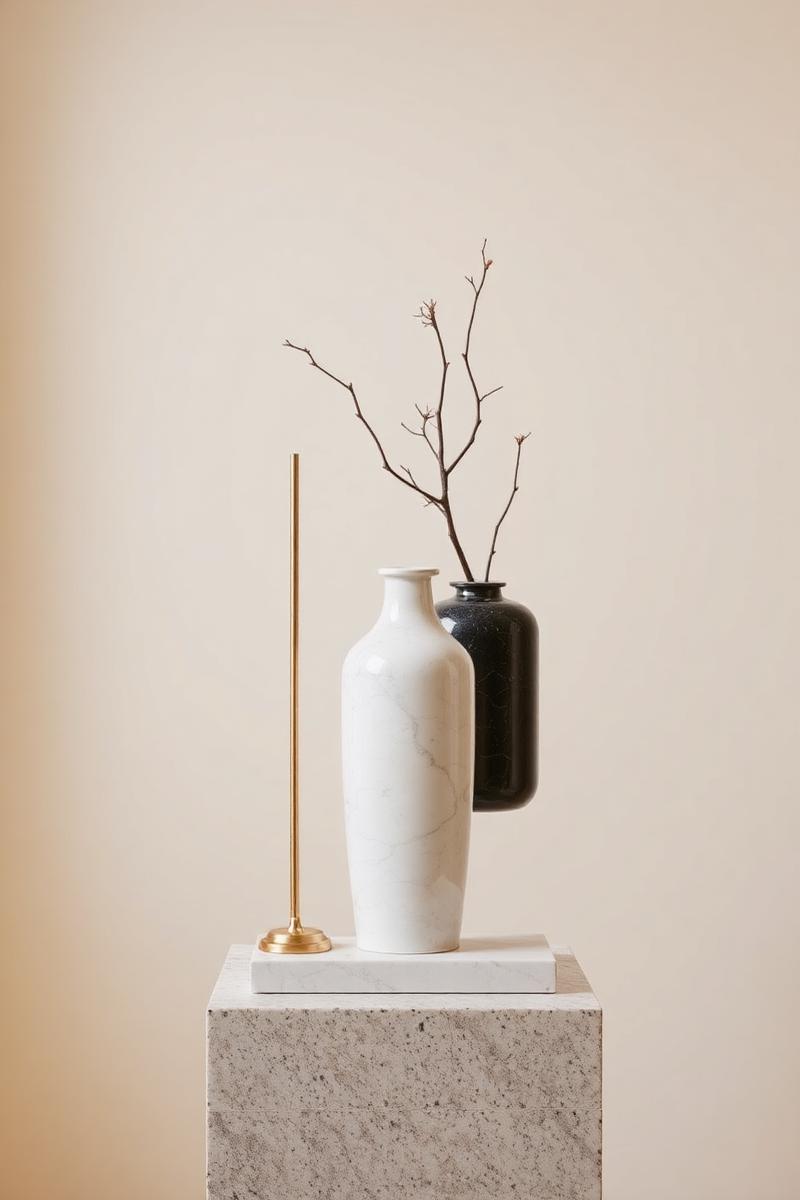
A pedestal serves as both architecture and gesture within a room. Whether presenting a single treasured object or anchoring a functional arrangement, pedestals create deliberate vertical moments that guide the eye and establish hierarchy amongst your collection.
The practice of elevating objects on dedicated platforms reaches back to antiquity, yet its relevance in contemporary interiors remains undiminished. A well-chosen pedestal transforms how we encounter sculpture, ceramics, or botanical arrangements, lending them the quiet authority they deserve whilst maintaining the restraint that distinguishes a collected interior from a crowded one.
Stone pedestals in marble, travertine, or limestone offer permanence and weight, their natural veining ensuring each piece remains distinct. Carved marble versions typically range from 30 to 42 inches in height, with top surfaces between 10 and 16 inches square or diameter. The cooler surface temperature of stone makes these particularly suitable for rooms with abundant natural light, where warmth might otherwise feel excessive.
Wood pedestals in oak, walnut, or mahogany introduce organic warmth and can be specified in finishes from cerused to ebonised. Solid wood construction ensures stability for heavier objects, whilst veneered versions allow for more adventurous grain matching and geometric pattern work. Metal pedestals in brass, bronze, or blackened steel provide structural elegance, their slender profiles suited to smaller rooms where visual lightness matters. Consider patinated finishes for pieces intended to develop character over time.
The relationship between pedestal height and ceiling height warrants careful consideration. In rooms with standard 9-foot ceilings, pedestals between 32 and 40 inches typically prove most successful, positioning objects at a natural sightline when standing. Taller ceilings permit more dramatic heights, occasionally reaching 48 inches for particularly commanding pieces.
Top surface dimensions should relate thoughtfully to the object displayed. A general principle: the pedestal top should measure between two-thirds and equal to the width of the object at its widest point. Smaller ratios risk visual instability, whilst significantly larger tops diminish the object's presence. When used as pedestal side tables, functional requirements naturally influence these proportions.
Pedestals excel at presenting three-dimensional works where viewing from multiple angles enriches understanding. Position sculptures away from walls when possible, allowing circumnavigation and appreciation of form in varying light. Classical busts and figural work often benefit from placement near windows, where changing daylight animates surface and shadow.
Consider these pairings for different pedestal characters:
Beyond display, pedestals serve practical roles throughout the home. Flanking a fireplace, a matched pair can support table lamps whilst maintaining the symmetry that formal rooms often require. In entrance halls, a single pedestal offers a landing place for keys and correspondence without the visual weight of a console table. Bedrooms accommodate pedestals as alternatives to conventional nightstands, their smaller footprint valuable in tighter quarters.
When selecting pedestals for functional use, ensure top surfaces receive appropriate treatment. Marble benefits from periodic sealing to prevent staining, particularly when supporting vases or potted plants. Wood tops in active use warrant coasters and felt pads beneath objects to preserve the finish.
Stone pedestals require only periodic dusting with a soft, dry cloth. Address spills immediately with blotting rather than wiping to prevent surface scratches. Wood versions benefit from occasional treatment with appropriate wax or oil, applied sparingly and buffed to a soft lustre. Avoid placing pedestals near heating vents or in direct sunlight for extended periods, as seasonal humidity changes can affect both wood and certain stone varieties.
Metal pedestals develop patina naturally over time. Whether to preserve or embrace this evolution remains a matter of personal preference. Regular dusting prevents buildup in crevices and maintains the clarity of the form.
The most successful interiors employ pedestals as part of a broader strategy for displaying objects and decorative objects throughout the home. Rather than isolating precious pieces, consider how pedestals might create conversation between works in different media, allowing a bronze sculpture to relate visually to a ceramic vessel across the room, unified by their elevation and the thoughtfulness of their presentation.