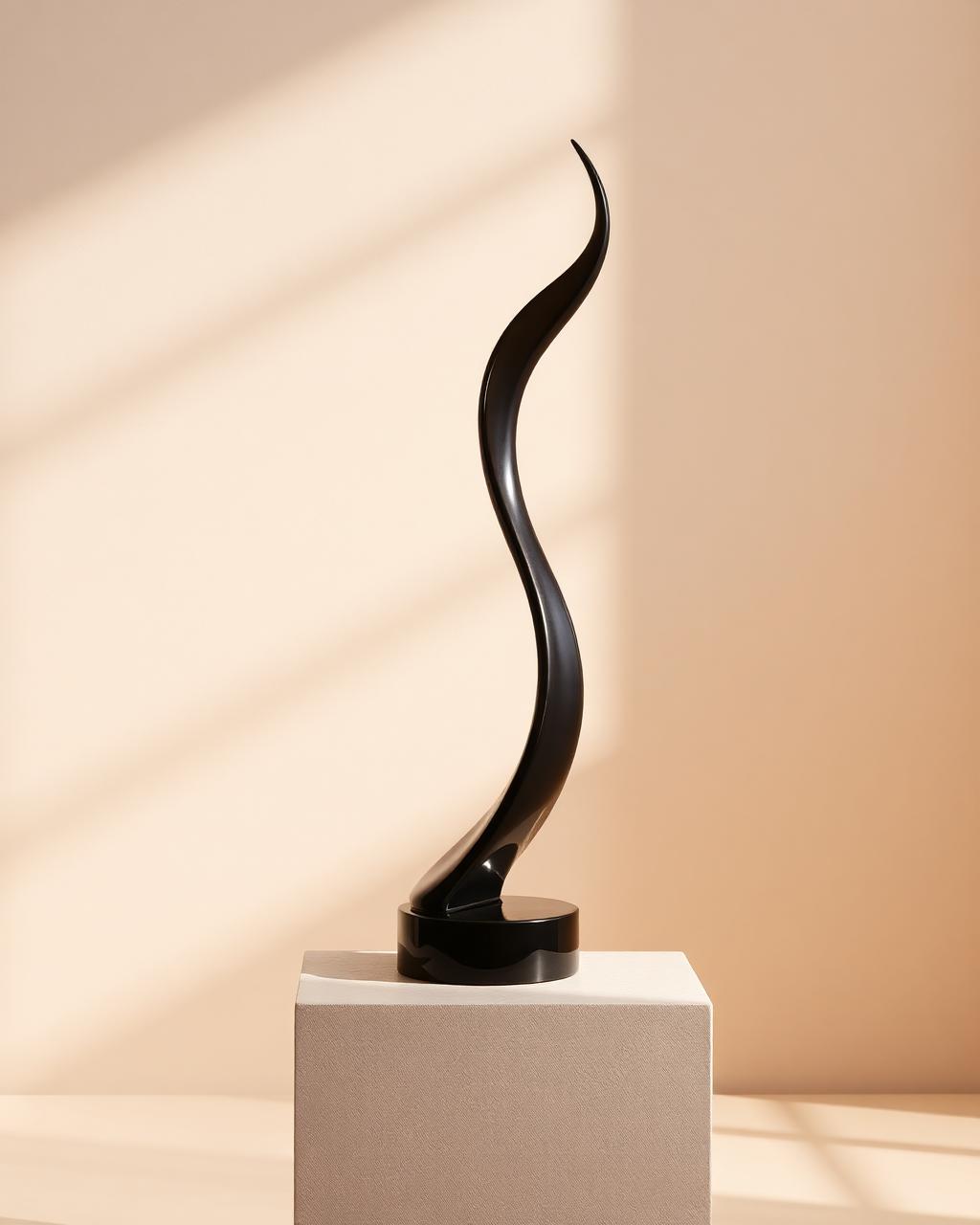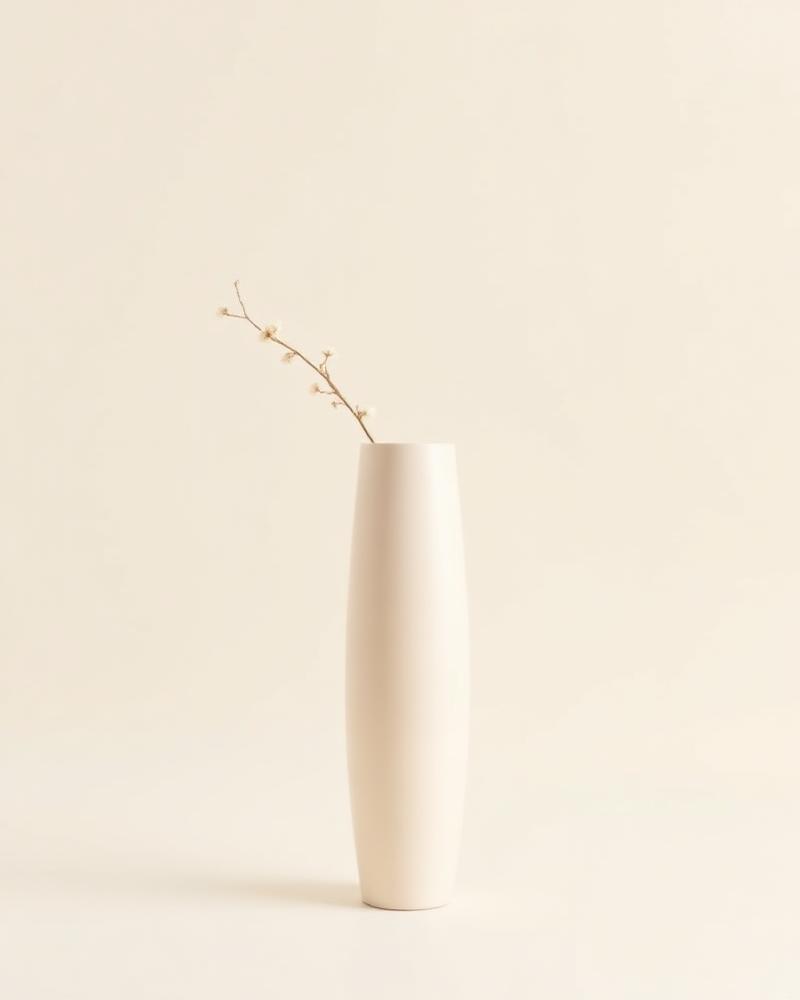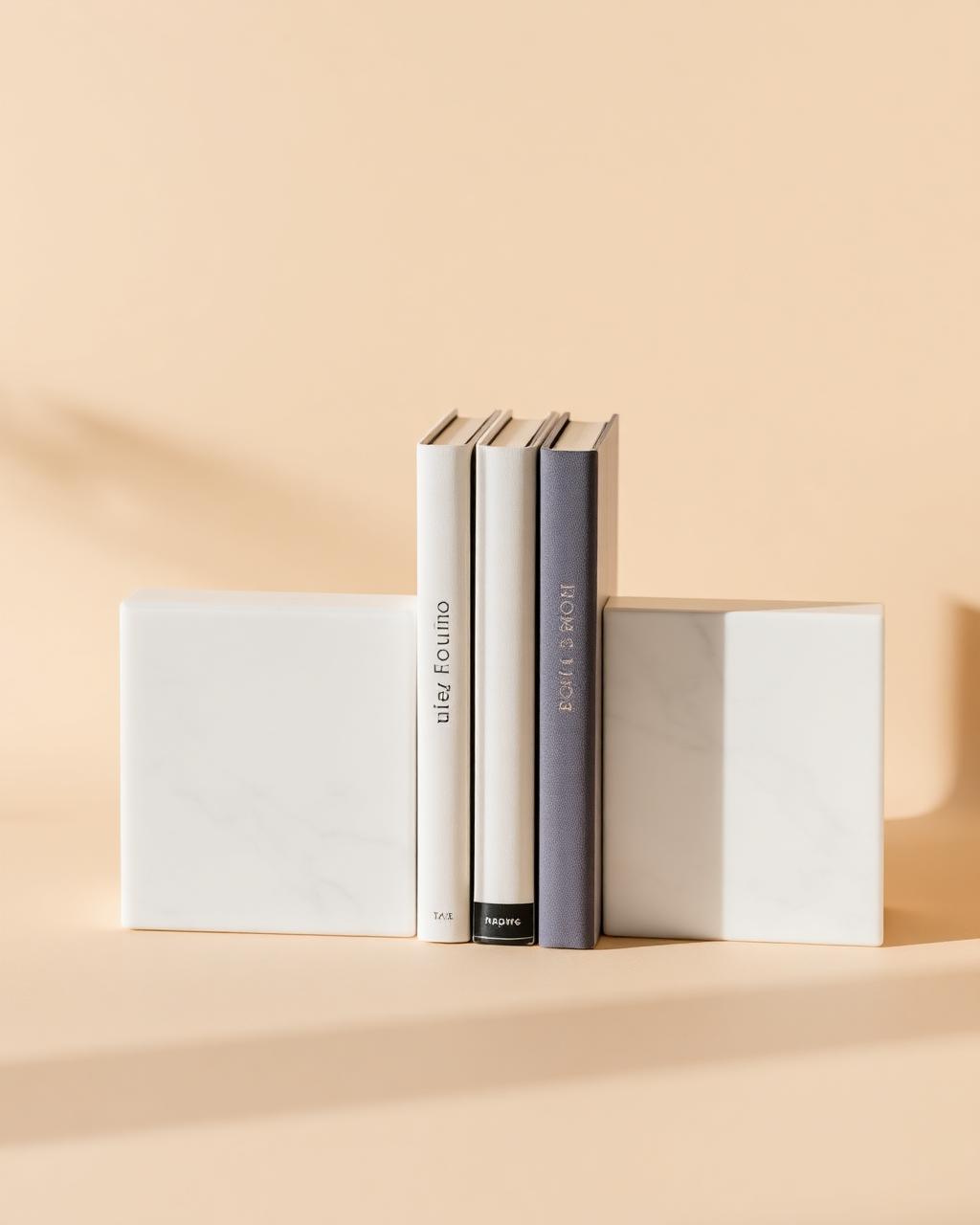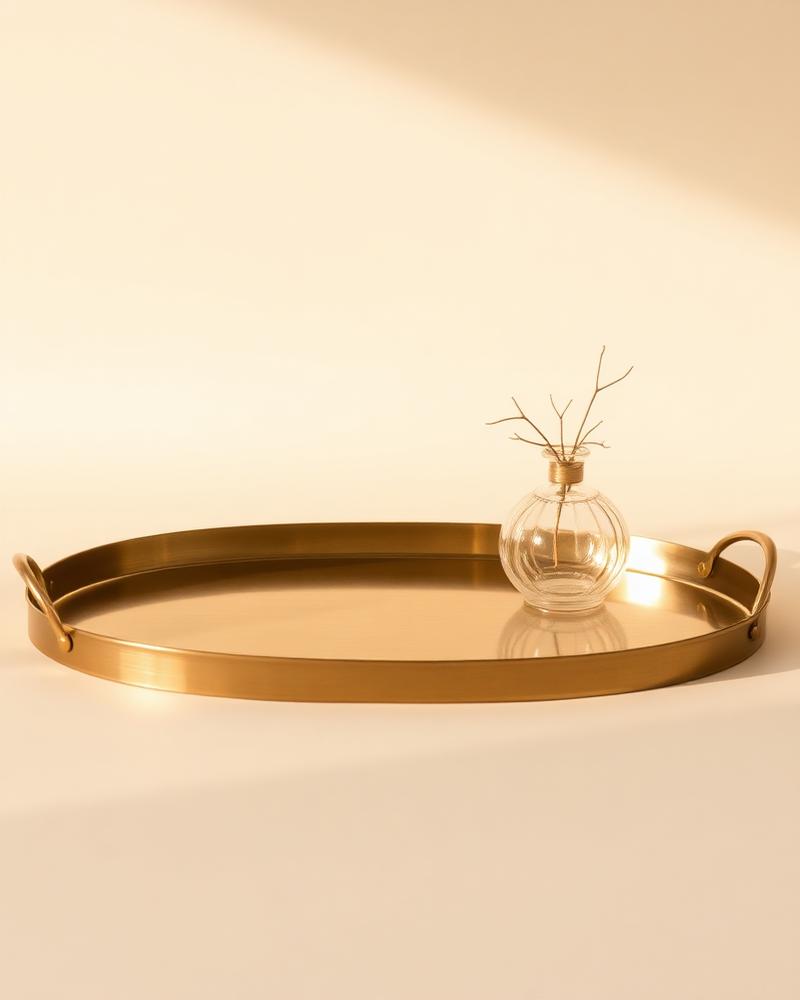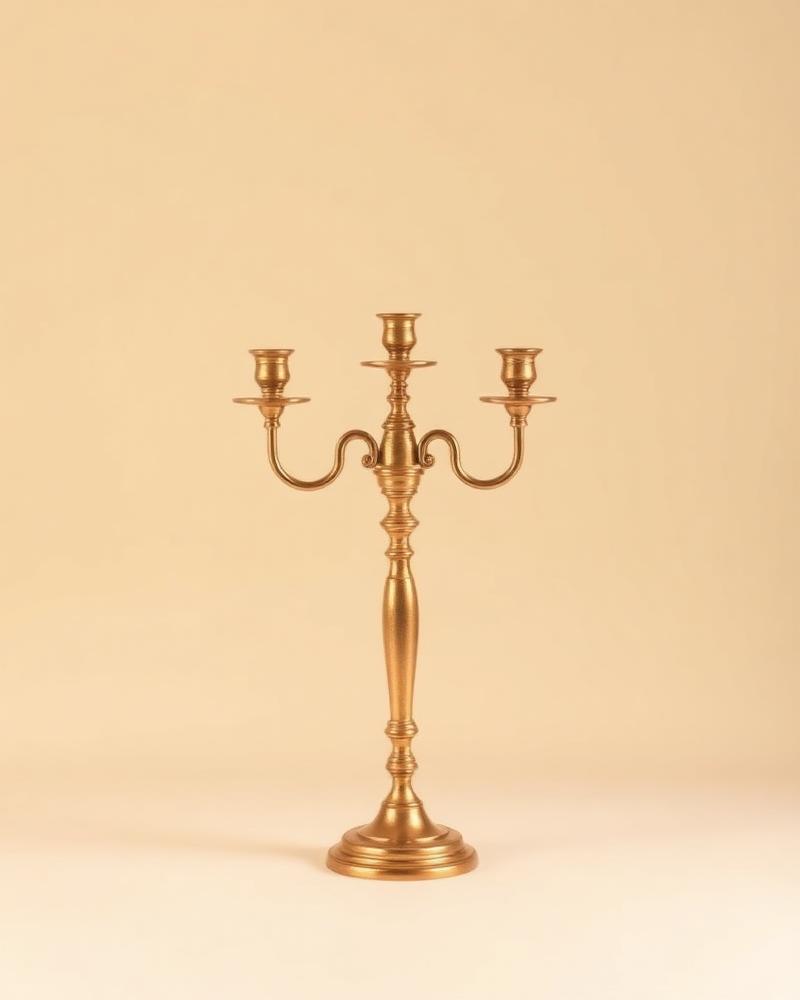
Helix
Brass Candelabra
$320
from $27/mo
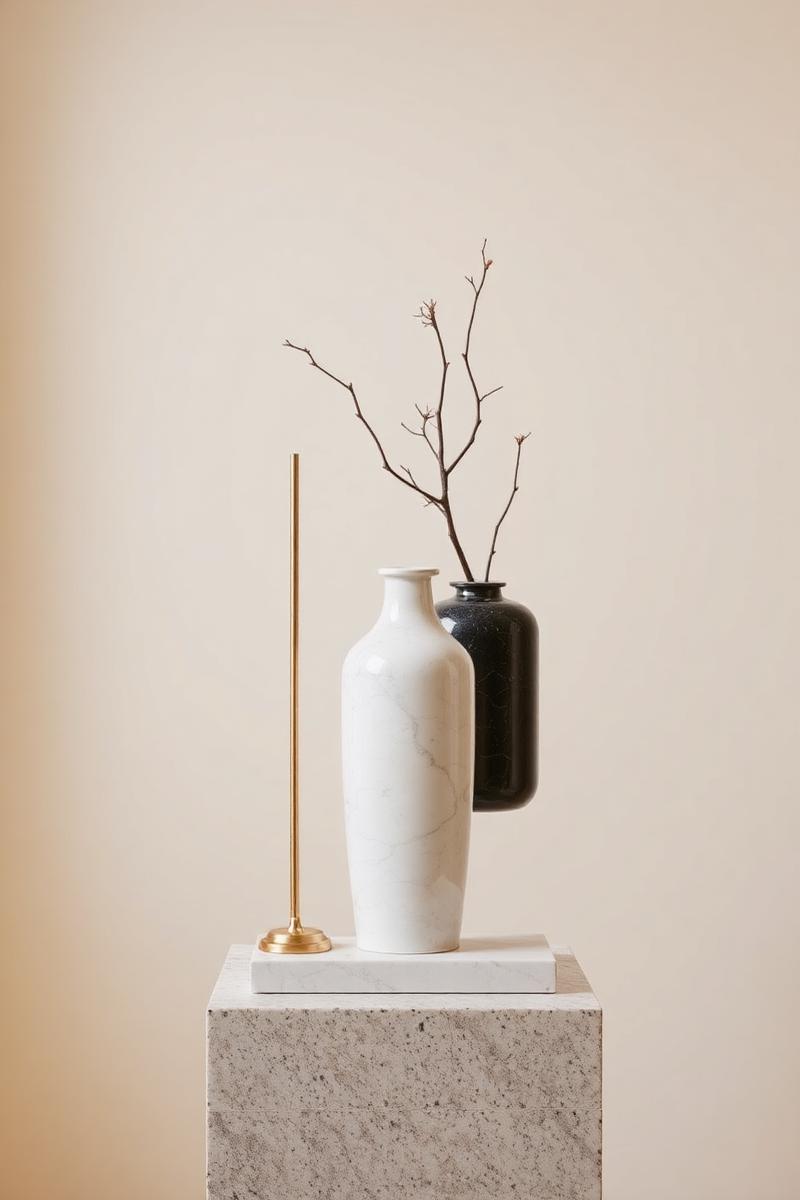
Decorative Objects
A focused edit of candle holders & candelabras from the objects collection — selected for proportion, material and finish.
Pieces from the wider collection, shown separately from the edit above.
The candelabra remains one of the most versatile elements in considered interior design. Whether rendered in polished brass, blackened steel, or hand-carved marble, candelabras introduce both vertical interest and the irreplaceable quality of living flame to dining tables, console surfaces, and mantelpieces throughout the home.
At Mont Rose & Co., we approach candelabras as sculptural statements first and functional objects second. Each piece in our collection has been selected for its ability to anchor a room's visual narrative while serving the practical purpose of illumination. The distinction between decorative utility and pure form grows narrower with each passing season.
Scale determines success when introducing candelabras to a room. For dining tables between 72 and 96 inches in length, a candelabra measuring 18 to 24 inches in height provides balance without obstructing sightlines during conversation. Larger refectory tables of 108 inches or more can accommodate pairs of candelabras positioned symmetrically, each standing 24 to 30 inches tall.
Console tables and sideboards benefit from asymmetrical arrangements. A single substantial candelabra at one end, balanced by a grouping of decorative objects or vases at the other, creates visual tension without formality. The key lies in varying heights across the composition while maintaining a coherent material palette.
Contemporary candelabras span an impressive range of materials, each bringing distinct character to the interior:
The finish you select should converse with existing metalwork in the space. If cabinet hardware, picture frames, and curtain poles share a common language of brushed nickel or oil-rubbed bronze, the candelabra becomes part of that vocabulary. Alternatively, a contrasting finish can serve as the room's punctuation mark.
Many of our candelabras reference classical archetypes whilst remaining firmly contemporary in execution. The traditional candelabrum with its branching arms finds new expression when rendered in unexpected materials or stripped to essential geometry. A five-arm design that might have graced an 18th-century palazzo becomes entirely current when fabricated in blackened steel with minimal ornamentation.
This dialogue between historical precedent and modern restraint defines the most successful pieces. We look for designs that acknowledge their lineage without resorting to pastiche, where the maker's hand remains evident in subtle asymmetries or deliberately exposed joinery. Such pieces sit comfortably alongside sculptures and other contemporary objects in the collected interior.
Candle selection affects both aesthetics and maintenance. Unscented beeswax tapers burn cleanly and produce minimal soot, preserving both the candelabra's finish and surrounding surfaces. Standard taper diameters of seven-eighths of an inch fit most candelabra sockets, though European designs may require the slightly narrower three-quarter-inch dimension.
Cleaning requirements vary by material. Bronze and brass benefit from occasional application of microcrystalline wax to slow oxidation, though many prefer the character of natural tarnish. Marble bases require pH-neutral cleaners and should never be exposed to acidic substances. Iron pieces with waxed finishes need only gentle dusting, whilst lacquered metals can be wiped with a barely damp cloth.
In an era of programmed lighting scenes and wireless control systems, the candelabra offers something increasingly rare: unpredictability. Flame moves, responds to air currents, and casts shadows that shift throughout an evening. This animate quality transforms static rooms into living spaces.
The ritual of lighting candles before guests arrive, or during a solitary evening, provides a moment of deliberate transition between the day's demands and the night's quieter rhythms. A well-chosen candelabra serves this ritual for decades, developing character through use whilst maintaining its essential form. It becomes, in the truest sense, part of the home's permanent collection.