Nocturne
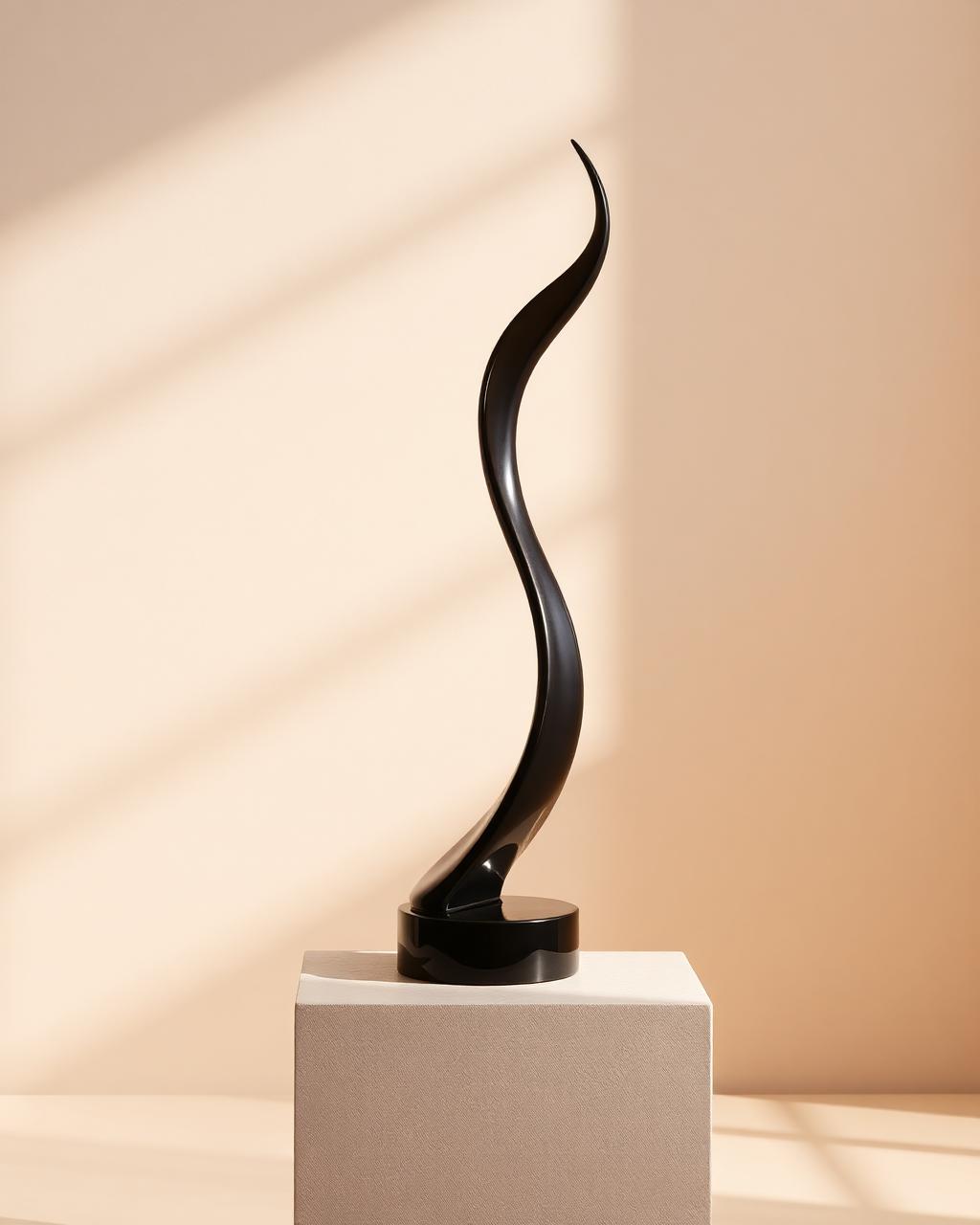
Abstract Resin Sculpture
$480
from $40/mo
Limited availability
Decorative Objects
A focused edit of decorative bowls & centerpieces from the objects collection — selected for proportion, material and finish.
No pieces currently match these filters. Try removing one filter to broaden the edit.
Pieces from the wider collection, shown separately from the edit above.
A collection of bowls offers more than utility. When selected with attention to material, proportion and craft, these essential forms become quiet anchors in a room, gathering light and shadow while serving both practical and contemplative purposes.
The bowls we present at Mont Rose & Co. represent a careful selection of work from established makers and emerging studios. Each piece reflects a commitment to materiality and finish that elevates the everyday into something worth observing.
Timber bowls turned from solid hardwoods such as walnut, cherry and ash carry the grain patterns and subtle colour variations inherent to their species. A hand-turned walnut bowl measuring 14 inches in diameter and 4 inches deep makes a substantial presence on a console or dining table, its weight and density evident the moment it is lifted. The process of turning reveals concentric growth rings that spiral toward the centre, a record of years rendered visible. For guidance on integrating these pieces into your interiors, our thoughts on wooden bowl decor ideas may prove useful.
Ceramic vessels offer a different vocabulary. Stoneware and porcelain bowls shaped on the wheel or built by hand express the maker's touch through subtle asymmetries and glaze applications that pool and break across curved surfaces. A shallow porcelain bowl finished in a celadon glaze might measure 16 inches across with a rim barely an inch high, creating a reflective plane that catches ambient light. We explore the decorative potential of these forms in our journal entry on ceramic bowls in home decor.
Scale matters considerably when positioning bowls within a space. A large vessel, perhaps 18 to 24 inches in diameter, can anchor a dining table or occupy the centre of an ottoman, commanding attention through sheer physical presence. Smaller examples, between 6 and 10 inches, perform better in groupings on shelving or as components within a broader arrangement of decorative objects.
Consider the relationship between a bowl's diameter and its depth. Wide, shallow forms spread horizontally and invite the eye to travel across their interior surfaces. Deeper vessels with more pronounced walls create contained volumes that feel protective, almost architectural. A ratio of roughly four parts width to one part depth produces a generous, open form suitable for display on low surfaces where it can be viewed from above.
Bowls rarely sit in isolation. They form natural partnerships with other elements in our collection:
The interplay between negative and positive space becomes particularly evident when a bowl shares a surface with more linear forms. Its curved interior creates a void that draws the eye inward, providing visual rest among busier compositions.
Wooden bowls benefit from occasional treatment with food-safe mineral oil or beeswax blends, applied sparingly and buffed to a soft lustre. This simple maintenance preserves the timber's depth of colour and prevents surface drying, particularly in centrally heated interiors. Avoid prolonged exposure to direct sunlight, which can fade even the most stable hardwoods over time.
Ceramic pieces require less intervention. Dust accumulates in shallow interiors and should be removed with a soft, dry cloth. Unglazed surfaces, particularly on stoneware, can develop a subtle patina through handling and ambient exposure. This gradual marking is part of the material's character rather than degradation.
For broader perspectives on arranging these foundational forms, our article on decorative bowls styling ideas offers detailed approaches to composition and display.
Within the broader category of objects we present, bowls occupy a particular position. They are simultaneously familiar and quietly sculptural, functional without being merely practical. A well-chosen example brings material presence to horizontal surfaces throughout the home, from entrance consoles to bedside tables, from kitchen counters to bathroom vanities. The form's essential simplicity allows it to adapt to shifting arrangements and seasonal changes, remaining relevant as surrounding elements evolve. In this sense, a thoughtfully selected bowl becomes not a trend-driven accent but a lasting component of a carefully composed interior.