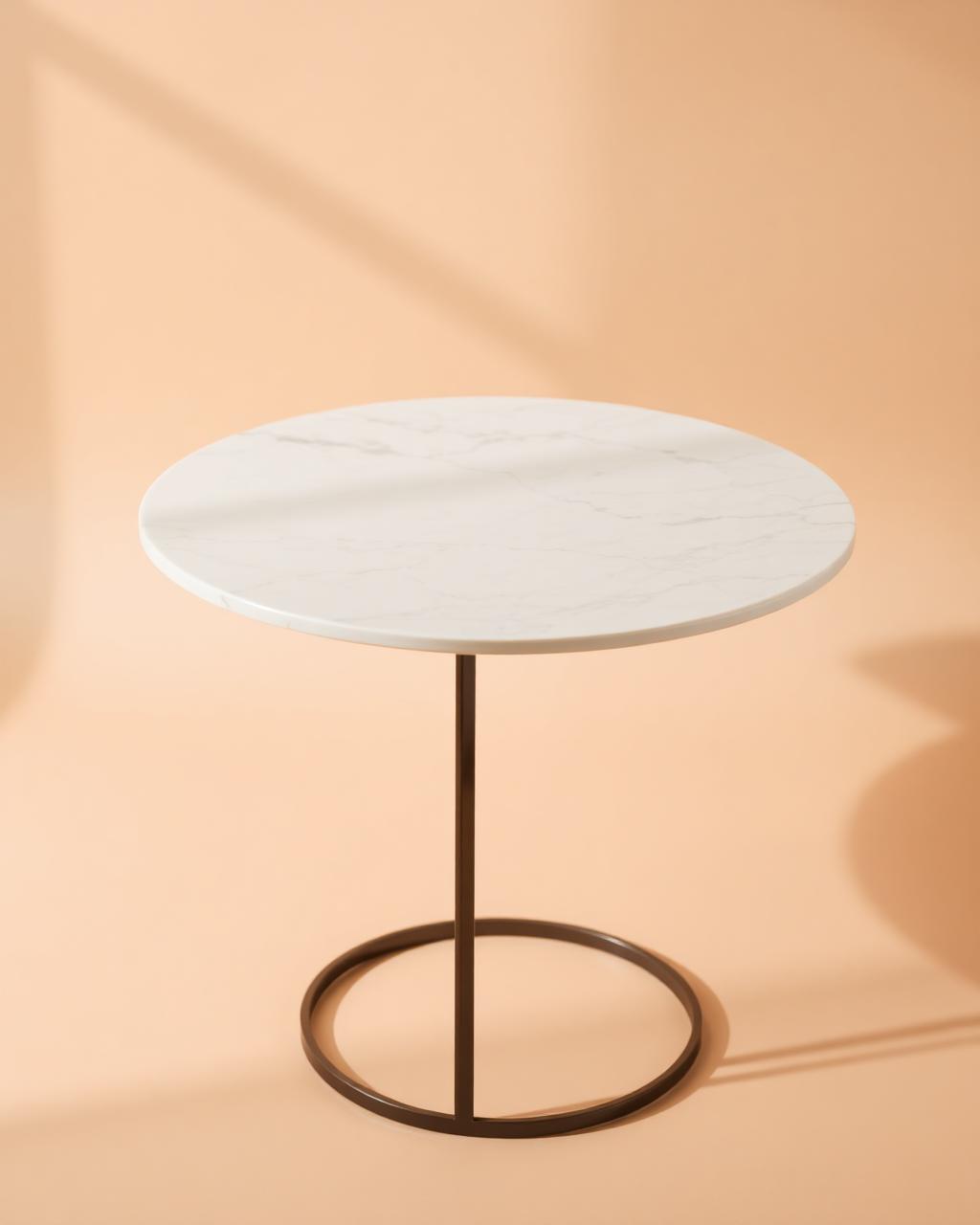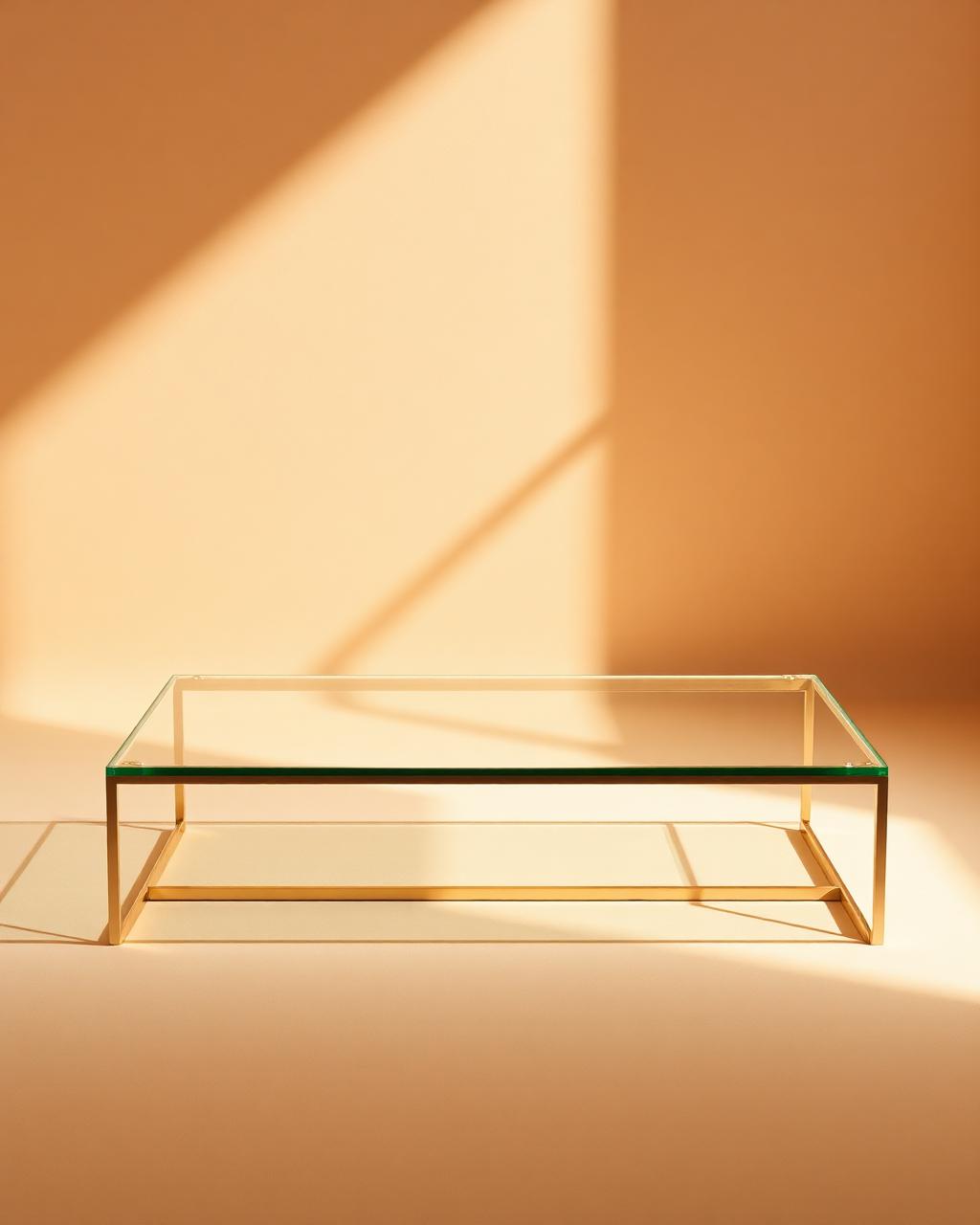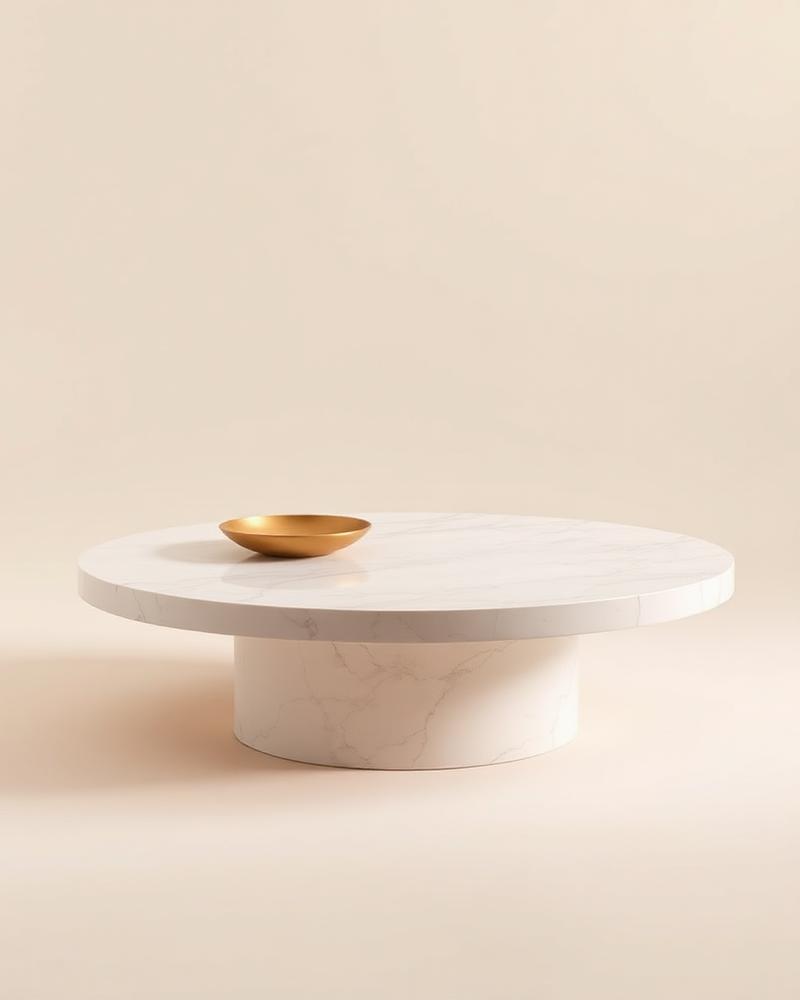
Carrara
Marble Coffee Table
$1,890
from $158/mo
Limited availability
Luxury Furniture
A focused edit of sideboards & buffets from the furniture collection — selected for proportion, material and finish.
No pieces currently match these filters. Try removing one filter to broaden the edit.
Pieces from the wider collection, shown separately from the edit above.
A well-chosen sideboard anchors a dining room with the same quiet authority a fine cabinet brings to a study. These are pieces that earn their floor space through daily usefulness and visual restraint, offering concealed storage for linens, glassware, and serving implements while presenting a surface for lamps, decanters, or a single considered object. Unlike the more formal credenza or the narrower profile of console tables, sideboards strike a balance between presence and practicality.
The form has remained remarkably consistent since the eighteenth century because the proportions simply work. A典ical sideboard stands between 32 and 42 inches tall, runs 60 to 84 inches in length, and measures 18 to 24 inches deep. These dimensions allow comfortable access to serving surfaces while keeping stored items within easy reach. The best examples respect those conventions while finding subtlety in joinery, material, or silhouette.
In a dining room, position a sideboard along a wall with at least six inches of clearance on each end to avoid a built-in appearance. The piece should span roughly half to two-thirds the length of your dining table to maintain visual balance. Allow 24 to 30 inches between the sideboard and the table edge for comfortable passage during meals. If placing the piece in a living room or hallway, ensure 36 inches of clearance in front for drawer and door operation.
When selecting scale, consider ceiling height and room volume, not just floor area. A 12-foot ceiling can accommodate a taller, more vertical design, while lower ceilings call for longer, lower profiles. The sideboard should feel substantial without crowding sightlines across the room.
Solid hardwoods remain the standard for heirloom quality: walnut for its fine grain and warm tone, white oak for strength and a paler palette, cherry for its ability to deepen with age. Veneered surfaces, when expertly book-matched, offer pattern continuity impossible with solid stock alone. Look for dovetailed drawers, adjustable shelving, and backs finished to the same standard as fronts.
Stone and metal variants suit more contemporary settings. Honed marble tops, while striking, require immediate attention to spills. Steel and brass frames introduce an architectural quality but show fingerprints unless maintained with appropriate polish. For guidance on integrating such pieces into a broader scheme, our room cost estimator can help map investments across furniture categories.
A sideboard surface invites restraint. Three elements often suffice: a lamp for ambient light during evening meals, a tray to corral smaller objects, and something living or sculptural for visual interest. Avoid symmetrical pairings unless the architecture demands it. Varying heights creates rhythm, but keep the tallest element below 24 inches if the piece sits beneath artwork or a mirror.
Layering works when each object earns its place. A stack of books, a small bowl, a single stem in a simple vessel. The surface should feel considered on Tuesday morning, not only when guests arrive. Our journal explores this in greater depth in dining room sideboard styling, with particular attention to seasonal adjustments and lighting.
The terms sideboard, buffet, and credenza are often used interchangeably, though distinctions exist. Buffets traditionally stand taller, sometimes incorporating hutch storage above. Credenzas sit lower and longer, often without legs, derived from Italian office furniture. Regional vocabulary varies, but function clarifies choice. Our article on credenza vs sideboard buffet traces these lineages in useful detail. For smaller spaces or secondary rooms, side tables and coffee tables may serve better.
Dust weekly with a soft cloth, moving with the grain. Clean spills immediately with a barely damp cloth, then dry. Apply paste wax twice yearly to oiled or waxed finishes; use only manufacturer-recommended products on lacquered or catalysed surfaces. Keep the piece away from heating vents and direct sunlight to prevent warping and fading. Drawers that stick in humid months often resolve themselves when seasons change, but persistent issues warrant professional attention.
A sideboard of quality construction and honest material should serve multiple generations without fundamental repair. The form has endured because it solves problems that remain constant: the need for storage, for display, for a surface at precisely the right height. Choose with attention to craft and proportion, and the piece will justify its presence for decades.