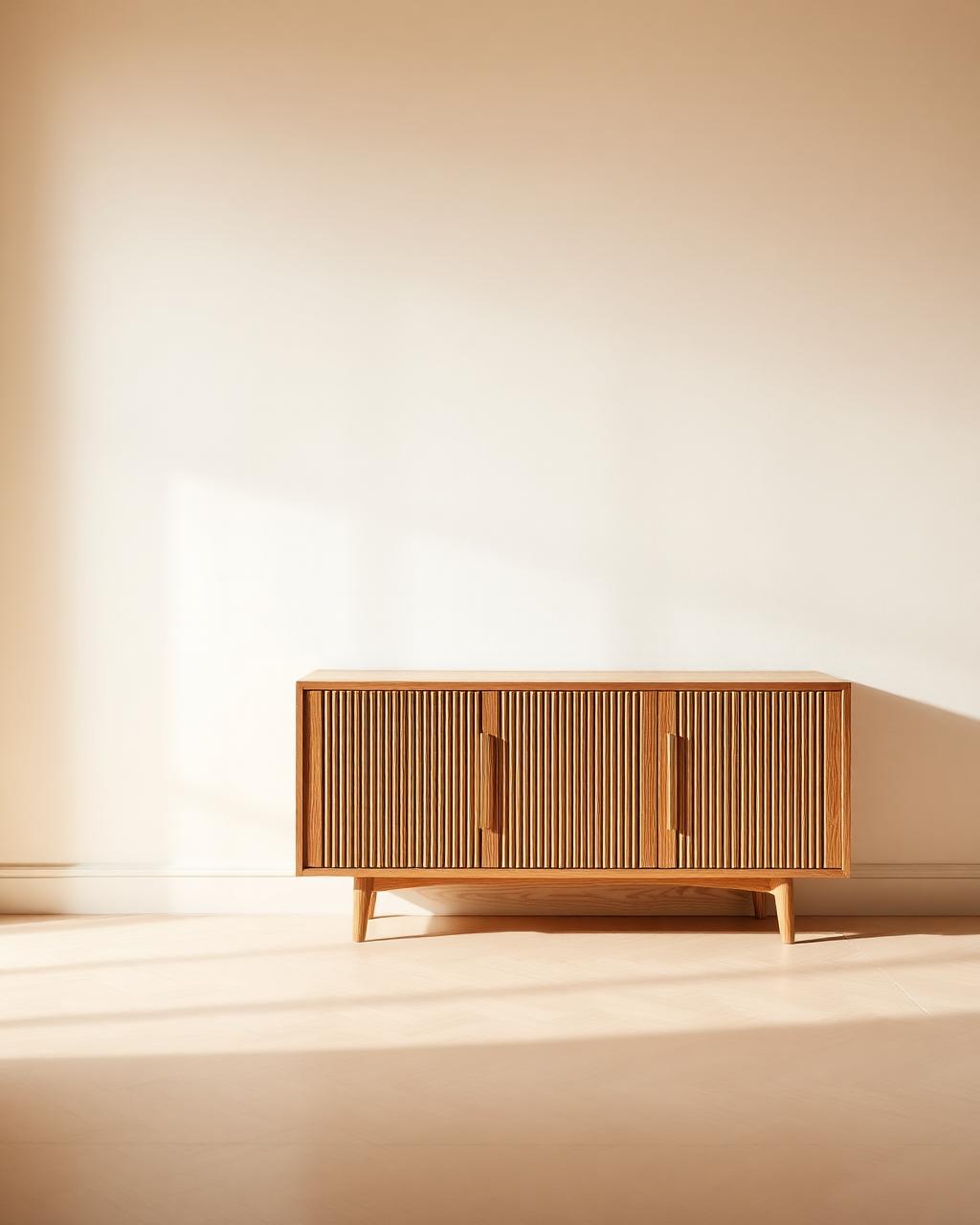
Riviera
Oak Credenza
$2,100
from $175/mo
Limited availability
Luxury Furniture
A focused edit of credenzas from the furniture collection — selected for proportion, material and finish.
Pieces from the wider collection, shown separately from the edit above.
A credenza serves as both practical storage and architectural punctuation, anchoring a room with horizontal calm while concealing the necessary disorder of daily life. These low-slung cabinets, distinguished by their length and legwork, have evolved from Renaissance dining halls into essential pieces for modern interiors, equally at home behind a sofa, beneath a window, or commanding an entrance hall.
The credenza differs from its cousins in both proportion and purpose. Where console tables offer open space beneath and sideboards rise taller for dining service, the credenza maintains a lower profile, typically between 28 and 36 inches in height, with substantial cabinet storage that spans anywhere from 60 to 96 inches in length. This horizontal emphasis creates visual weight without overwhelming a room, making it particularly valuable in spaces with generous floor area but modest ceiling height.
The credenza functions best when given breathing room. In a living area, position one behind a sofa with at least 12 inches of clearance for circulation, allowing the piece to define zones without obstructing movement. Along a blank wall, centre the piece and leave 18 to 24 inches on either side before adjacent furniture or doorways. The top surface should align roughly with windowsill height when placed beneath glazing, creating a harmonious relationship between interior architecture and furnishing.
Consider the sightlines from seated positions. A credenza behind seating should rise just above the sofa back or fall well below it, avoiding the awkward middle ground that disrupts visual flow. In dining rooms, maintain 48 inches between the credenza and table edge to allow comfortable passage during service.
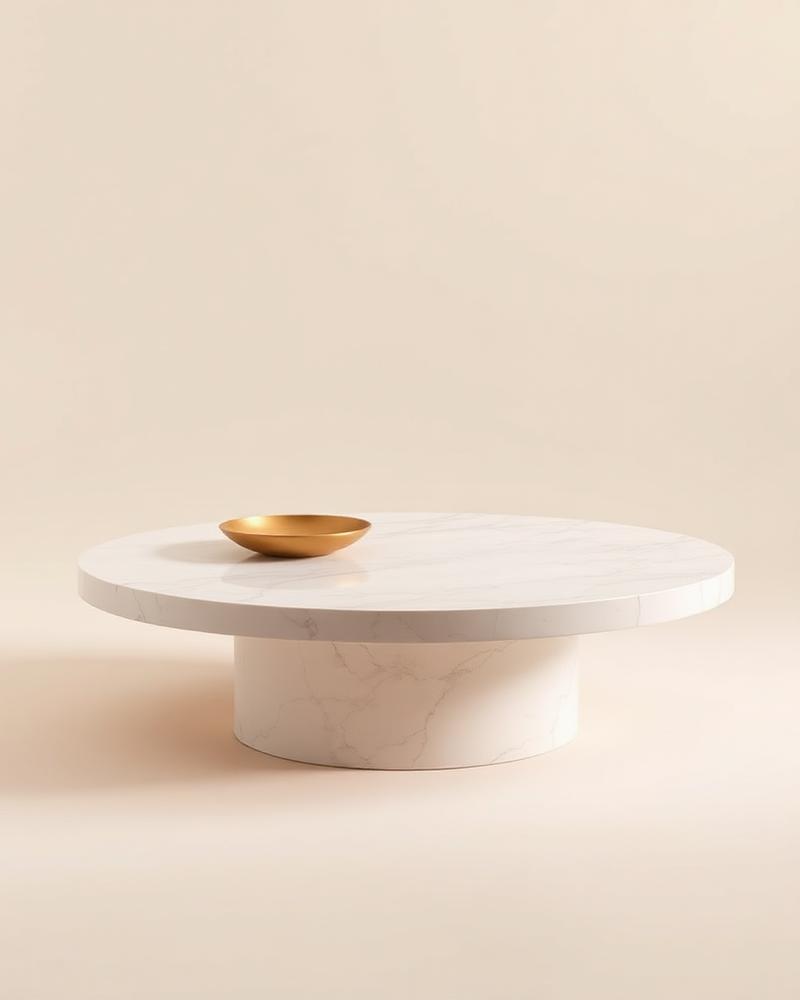
Contemporary credenzas employ a breadth of materials, each imparting distinct character. Walnut and oak bring warmth and grain variation, often treated with oil finishes that deepen over time. Lacquered surfaces in muted tones deliver crisp modernity, though they demand more attentive care to avoid marking. Credenzas incorporating stone tops, typically marble or travertine, introduce geological time into the domestic sphere, their veining and variation ensuring each piece remains singular.
Hardware reveals much about quality. Dovetailed drawers, soft-close mechanisms, and adjustable shelving indicate thoughtful engineering. The cabinet should rest on a recessed plinth or distinct legs, creating shadow lines that prevent the piece from appearing to squat heavily on the floor. Brass, bronze, or blackened steel details provide subtle punctuation without demanding attention.
The credenza top offers approximately six to eight square feet of display territory, enough to create a considered composition without overcrowding. Begin with varying heights: a table lamp at one end establishes vertical interest, whilst stacked books or a low bowl provides horizontal counterpoint. Our journal entry on credenza styling explores these arrangements in greater depth.
Key principles for credenza display include:
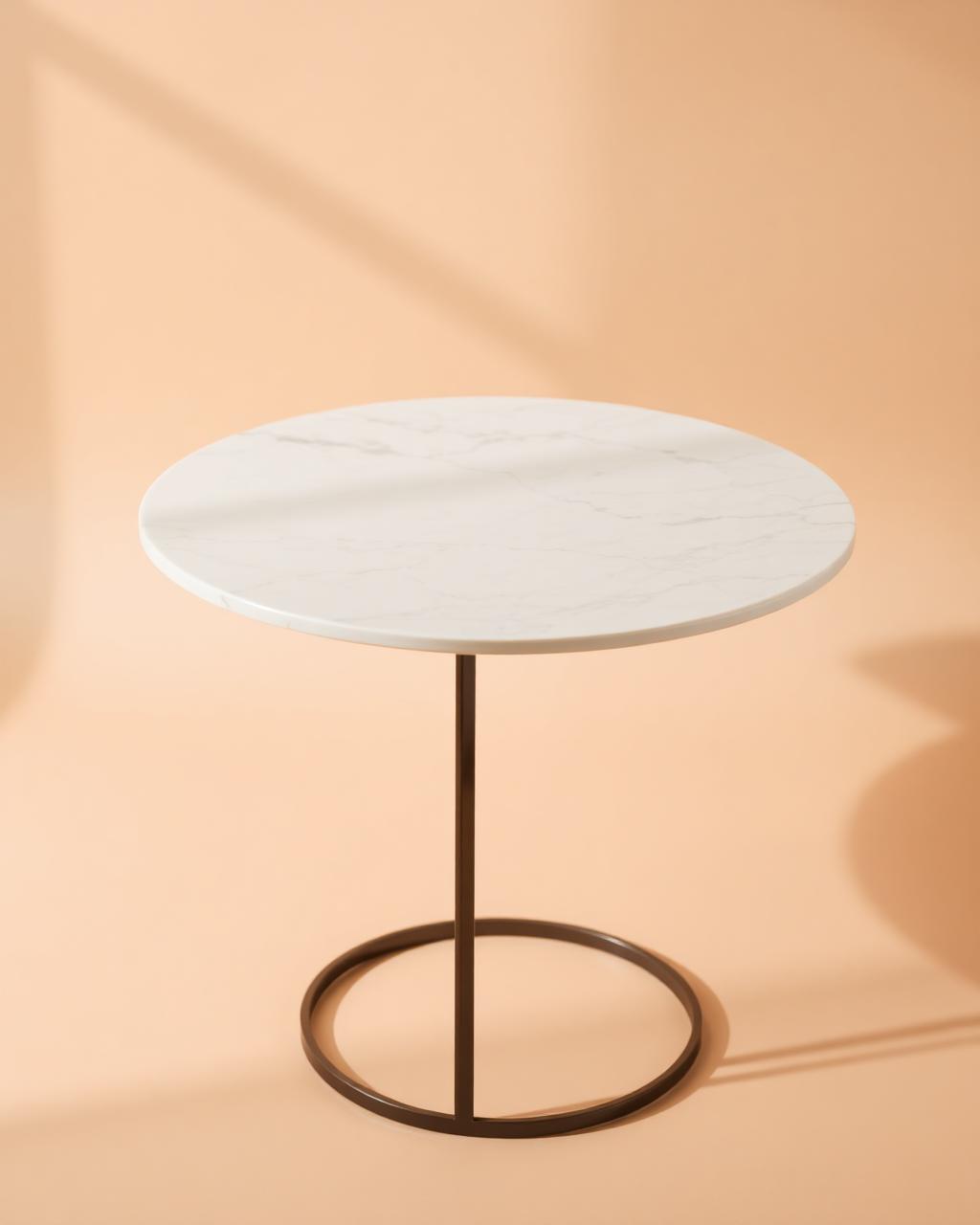
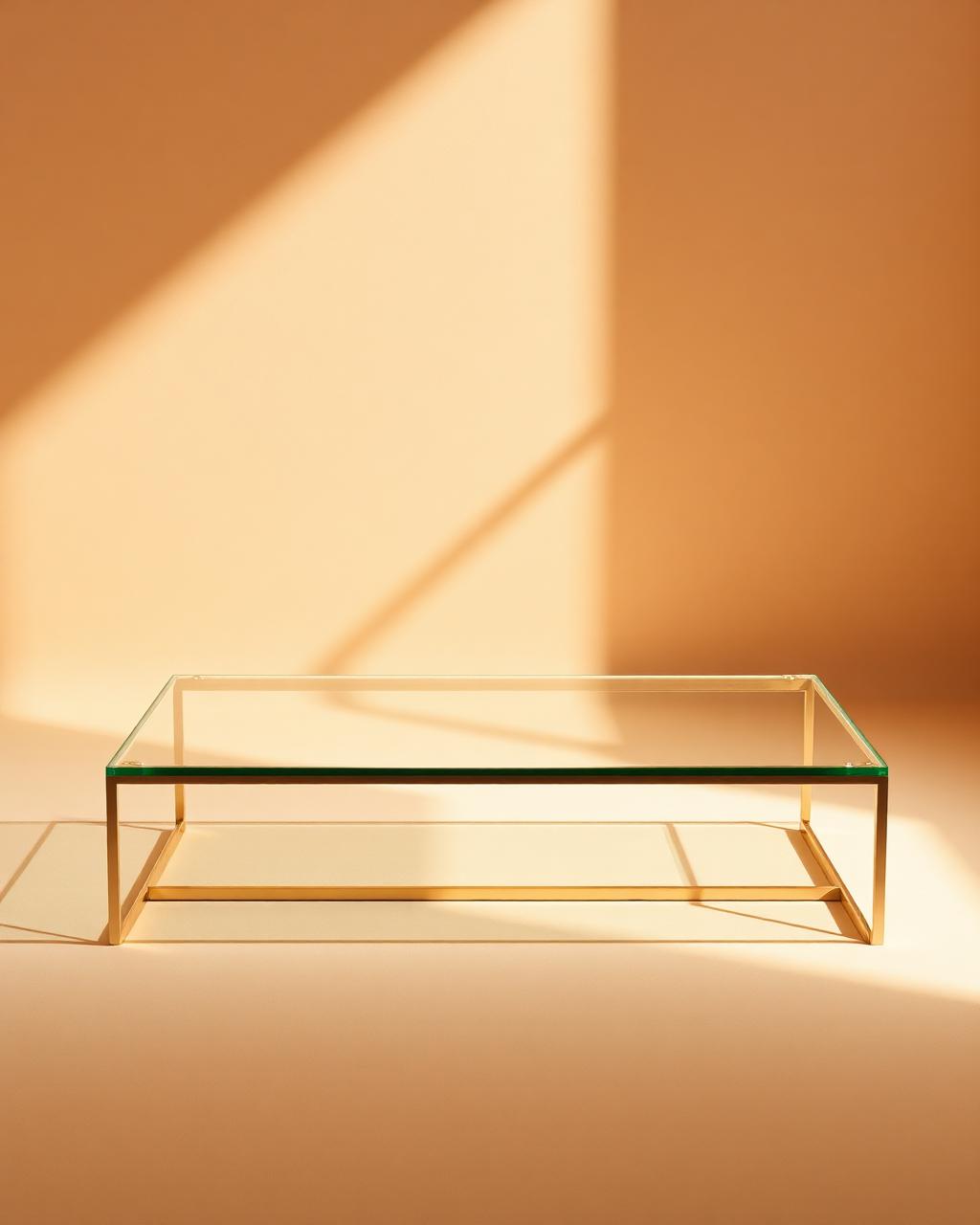
Pair credenzas with side tables and coffee tables that share material vocabulary or finish, creating visual conversation across a room. Console tables may occupy adjacent spaces, provided their styles complement rather than compete.
Understanding the distinction between storage types helps clarify your needs. Our guide comparing credenza, sideboard, and buffet details the functional differences. Credenzas excel at concealing media equipment, table linens, barware, or overflow books whilst maintaining a refined exterior.
For rooms requiring multiple furniture investments, our room cost estimator helps establish realistic budgets across all necessary pieces. Credenzas typically anchor a room's storage strategy, with their selection influencing subsequent choices.
Maintenance varies by finish. Oil-treated wood benefits from annual conditioning, whilst lacquer surfaces require only soft cloth and pH-neutral cleaners. Stone tops should be sealed biannually and cleaned with stone-specific products to prevent etching or staining.
A well-chosen credenza matures alongside its interior, acquiring the gentle patina of use whilst continuing to perform its essential function. Unlike transient trends, these horizontal cabinets address fundamental human needs for both beauty and order, making them worthy of careful consideration and long-term investment in any thoughtfully composed home.