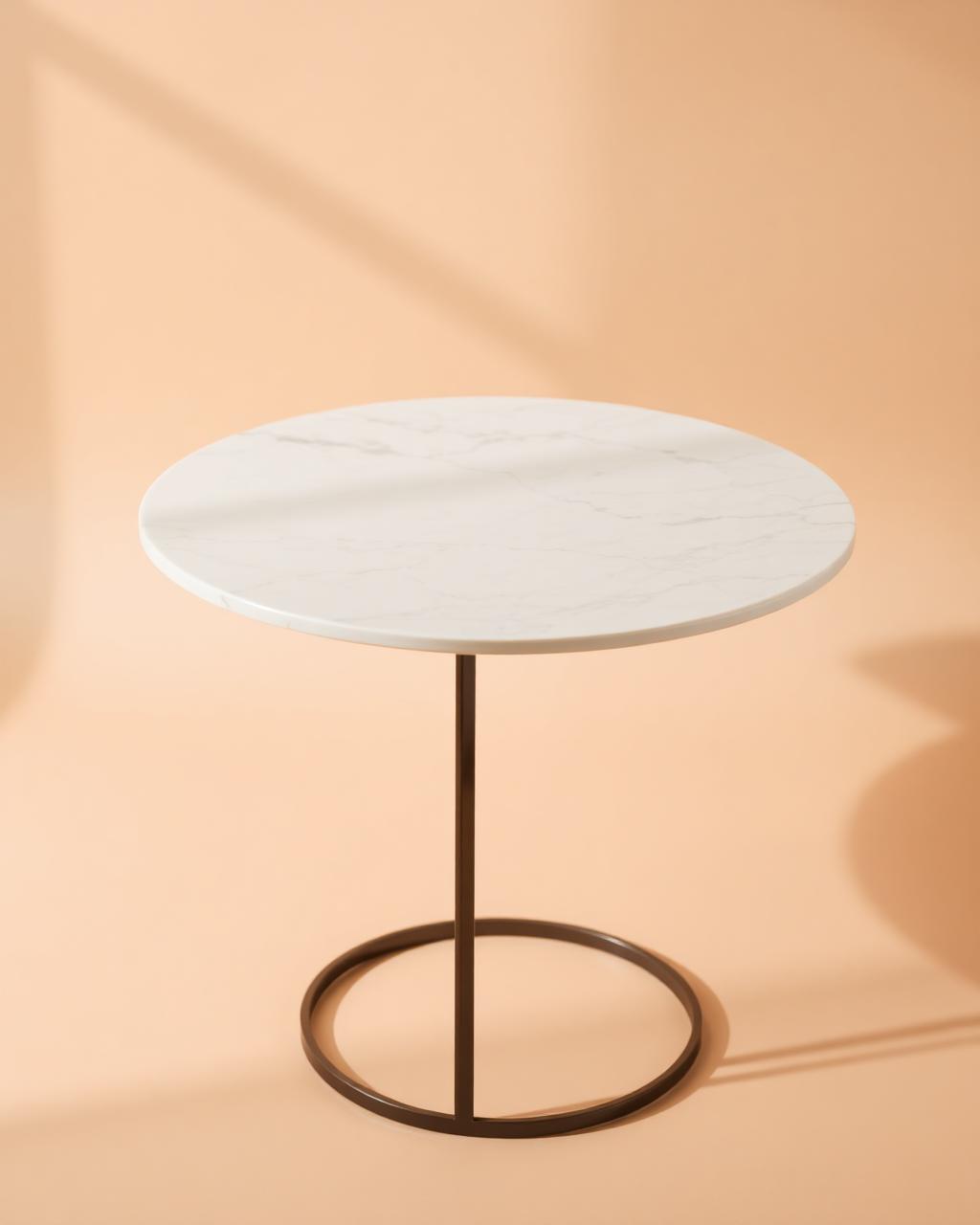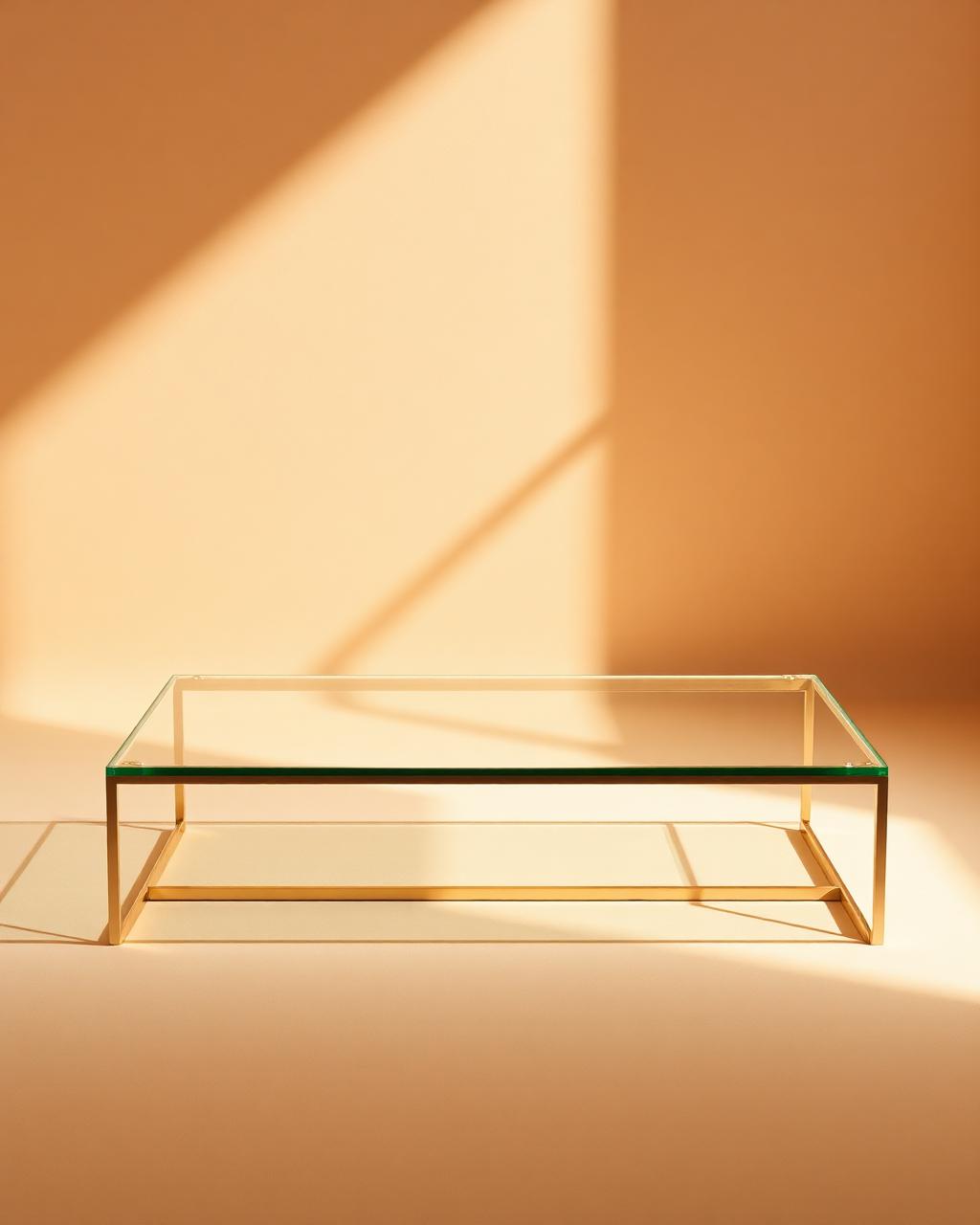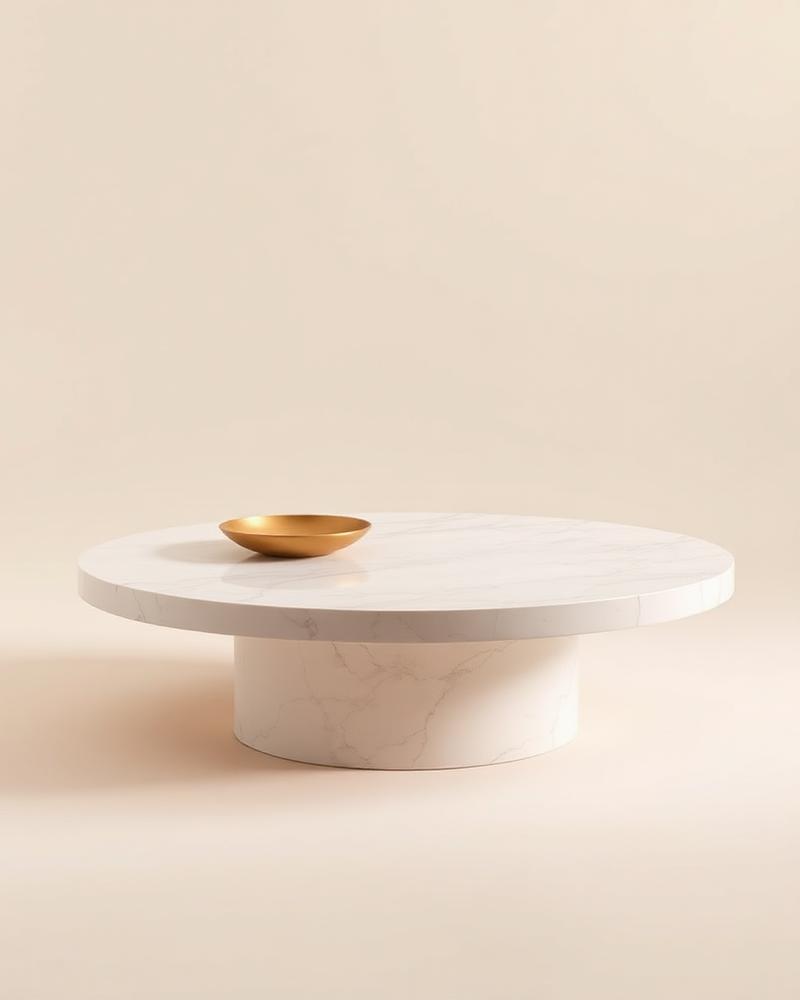
Carrara
Marble Coffee Table
$1,890
from $158/mo
Limited availability
Luxury Furniture
A focused edit of accent chairs from the furniture collection — selected for proportion, material and finish.
No pieces currently match these filters. Try removing one filter to broaden the edit.
Pieces from the wider collection, shown separately from the edit above.
The selection of accent chairs for a room requires the same thoughtfulness one might apply to choosing art or lighting. These pieces anchor a space, provide visual counterpoint to larger furniture, and offer an opportunity to introduce colour, texture, or form that might otherwise be absent. An accent chair earns its name not through decoration alone but through its capacity to refine the character of a room.
Within the Mont Rose & Co. collection, each piece reflects a commitment to proportion, craft, and material integrity. Whether upholstered in velvet, linen, or leather, fashioned from walnut, oak, or cane, these chairs exist as functional sculpture. They belong equally to libraries, bedrooms, and drawing rooms.
The success of an accent chair depends largely on scale. In rooms with ceiling heights of eight to nine feet, chairs with seat heights between 17 and 19 inches and overall heights not exceeding 36 inches typically harmonise well with other furniture without overwhelming sightlines. Deeper rooms benefit from pairs of chairs arranged conversationally, while narrower spaces often accommodate a single statement piece beside a window or console table.
Arm width matters as much as seat depth. Chairs intended for reading should offer arms no higher than 26 inches to support a book comfortably. Those designed for conversation may feature lower or absent arms to encourage a more open posture. Our guide to bedroom accent chair placement addresses these considerations in greater detail.
Fabric choice influences both appearance and durability. Velvet, particularly when woven from cotton or linen rather than synthetic fibres, develops a pleasing patina over time, its pile catching light differently as one moves through a room. For guidance on incorporating this textile, the journal entry on velvet accent chair decorating offers practical observations.
Other materials to consider include:
Frame construction determines longevity. Mortise-and-tenon joinery in hardwood, corner blocks glued and screwed, and eight-way hand-tied springs represent standards worth seeking. These details remain hidden yet prove essential over decades of use.
The relationship between an accent chair and surrounding pieces shapes a room's flow. Positioning a chair at an angle to a sofa, rather than parallel, creates dynamic sight lines and encourages movement through the space. In larger living rooms, placing a chair near a side table establishes a self-contained zone for reading or correspondence. The article on accent chair living room placement explores these arrangements with annotated floor plans.
Our living room accent chairs collection includes pieces designed specifically for such applications, from bergères with exposed wood frames to slipper chairs that slip beneath windows. For dining spaces, the question becomes one of visual weight and arm clearance. While our dining room chairs serve the table directly, an accent chair positioned in a corner or along a sideboard extends the room's hospitality without interfering with circulation.
Accent chairs rarely perform well in isolation. A coffee table positioned within 18 inches of a chair's front edge allows comfortable reach without requiring a lean. Side tables placed at arm height, approximately 24 to 26 inches, eliminate the awkward stretch for a glass or book. These clearances seem modest yet prove critical to a room's daily function.
Consider how wood tones relate across pieces. A walnut chair need not match walnut tables exactly; indeed, variation in tone and grain often enlivens a space more than strict coordination. What matters more is the finish quality and the way light interacts with the surface.
The most successful accent chairs transcend stylistic fashion. They possess a clarity of line and honesty of construction that allows them to migrate between rooms and evolve alongside changing textiles and art. This adaptability represents not compromise but refinement, a distillation of form to its essential gesture. In selecting such pieces, one invests not merely in furniture but in the infrastructure of daily life, objects that shape how we inhabit our homes for years to come.