Alpina
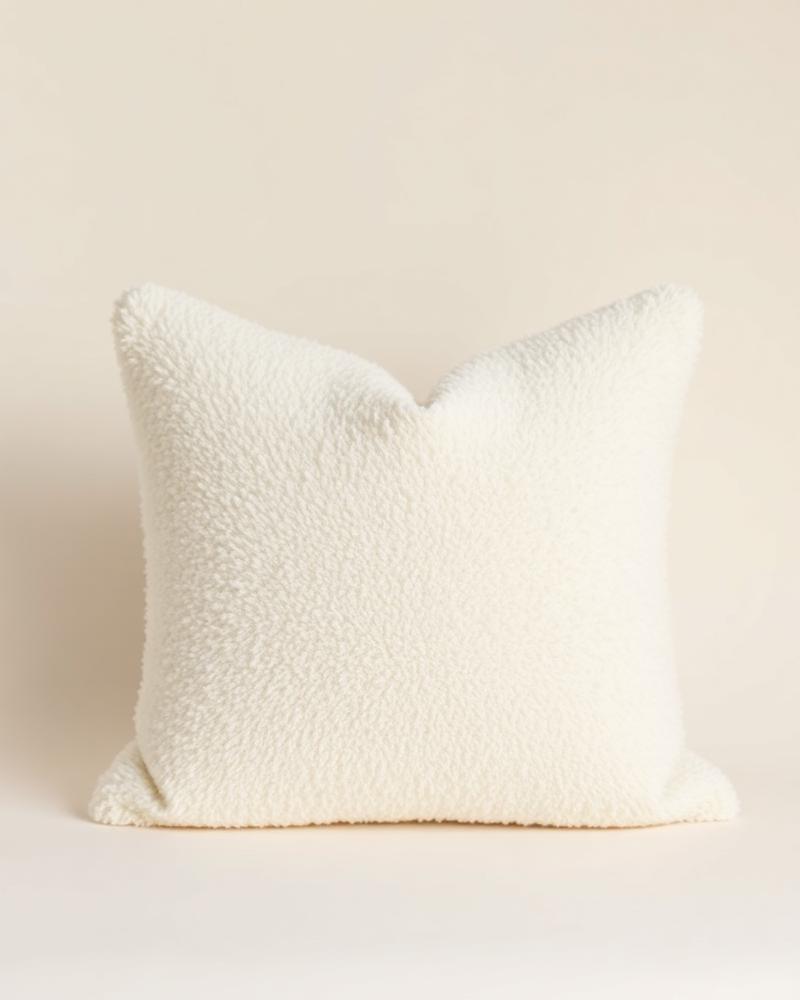
Bouclé Throw Pillow
$120
from $10/mo
Luxury Textiles
A focused edit of bedding from the textiles collection — selected for proportion, material and finish.
No pieces currently match these filters. Try removing one filter to broaden the edit.
Pieces from the wider collection, shown separately from the edit above.
The foundation of any well-appointed bedroom begins with luxury bedding that marries substance with restraint. Quality here is measured not in thread count alone but in the careful selection of fibres, the integrity of construction, and the quiet assurance that comes from materials chosen to last. A proper bed should feel like a considered decision rather than a decorative flourish.
Our approach to luxury bedding reflects the same principles that guide our furniture and lighting selections: an emphasis on natural materials, traditional techniques adapted for contemporary life, and proportions that serve the room rather than dominate it. The pieces we select are made by weavers and makers who understand that true luxury lies in how something performs over years, not merely how it appears in the first few weeks.
The choice of fabric determines everything that follows. European linen remains the standard for those who value breathability and the particular softness that develops with repeated washing. Portuguese cotton percale offers a crisp hand and matte finish that suits warmer climates and those who prefer lighter-weight covers. For winter months or cooler bedrooms, brushed cotton flannel provides warmth without excessive bulk.
Silk and fine wool deserve consideration for specific applications. A silk-filled duvet offers temperature regulation that synthetic alternatives cannot match, whilst lightweight merino blankets layer beautifully between sheets and coverlets. Our guide to the best bedding materials examines these options in greater detail, with attention to both seasonal appropriateness and practical maintenance.
A well-dressed bed requires thought about scale. For a standard queen bed measuring 60 by 80 inches, a duvet should extend at least 12 inches beyond the mattress edge on three sides. King beds demand even more generous proportions to avoid a pinched appearance. The relationship between fitted sheet, flat sheet, blanket, and duvet creates visual weight that should feel deliberate.
Layering allows for adjustment across seasons without complete changes of bedding. Begin with quality sheets, add a lightweight blanket or throw at the foot, then finish with an appropriately weighted duvet or coverlet. This approach proves more versatile than relying on a single heavy duvet year-round. Additional throw pillows and cushions can be introduced sparingly, though we generally recommend restraint: two sleeping pillows per person, perhaps one or two additional pillows for reading, and nothing more.
Neutral foundations offer the greatest longevity. Whites, naturals, and soft greys provide a base that accommodates shifting tastes and seasonal adjustments. This is not a plea for monotony but rather a recognition that bedding occupies substantial visual space in a room and benefits from understatement. Our thoughts on bedding colour palettes explore how subtle variation in tone and texture creates depth without pattern.
When pattern does appear, it should do so with purpose. A striped duvet cover in muted tones, a bordered pillowcase, or textured weave can provide interest whilst maintaining overall calm. Reserve bolder choices for elements easily changed: a wool blanket in deeper colour, a linen throw in a considered shade.
Proper care extends the life of quality bedding substantially. Most natural fibres benefit from washing in cool or lukewarm water with mild, unscented detergent. Key principles include:
Our comprehensive luxury bedding guide addresses these practices in depth, along with guidance on stain removal and long-term storage.
Selecting luxury bedding need not be complicated. Focus on natural materials from responsible makers, choose proportions appropriate to your bed size, and resist the urge to over-layer or over-embellish. A bed dressed with integrity requires fewer pieces than one relying on volume for impact. The goal is a room that feels complete without announcing effort, where rest comes naturally because every element has been considered and nothing is extraneous.