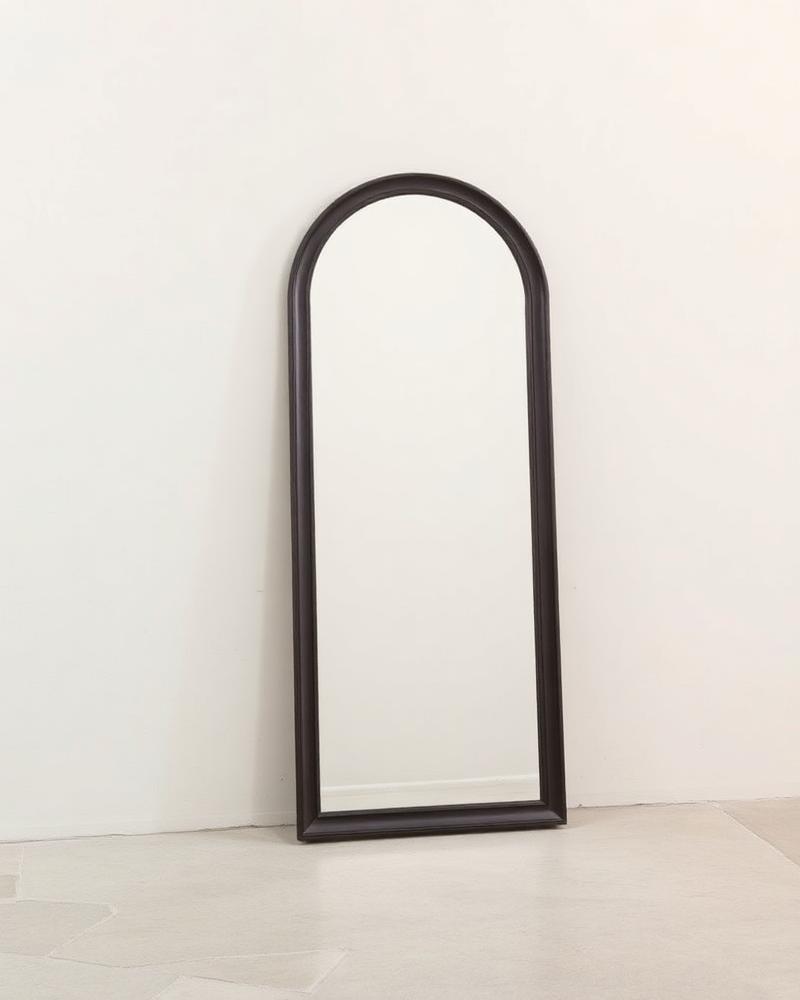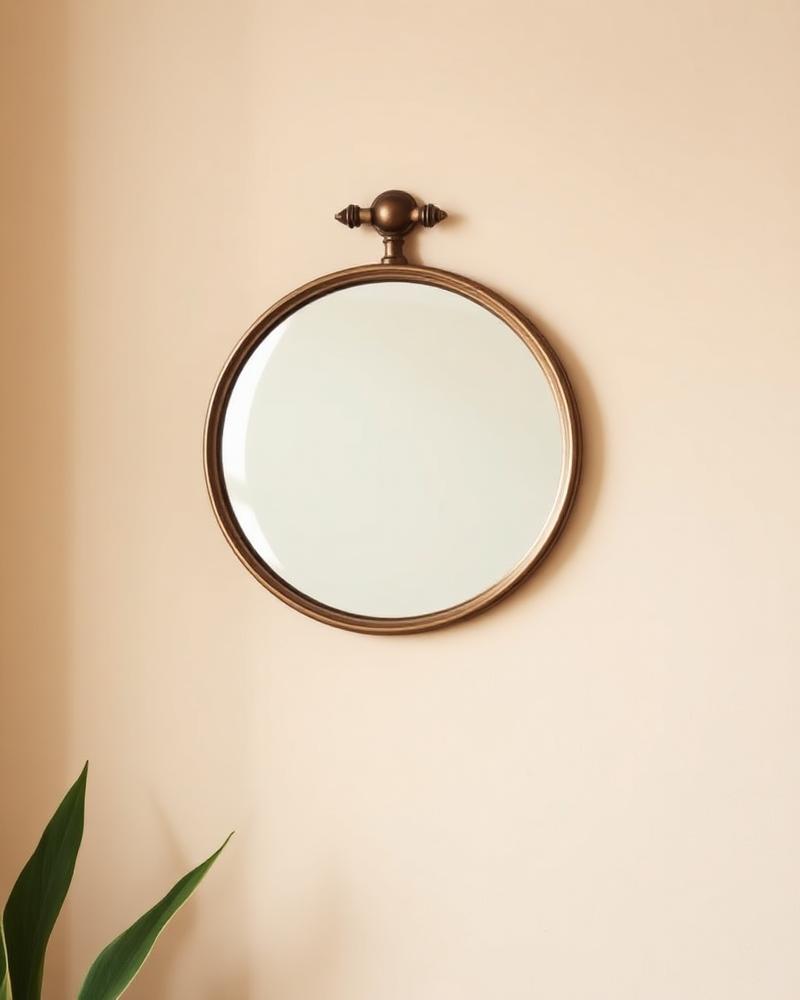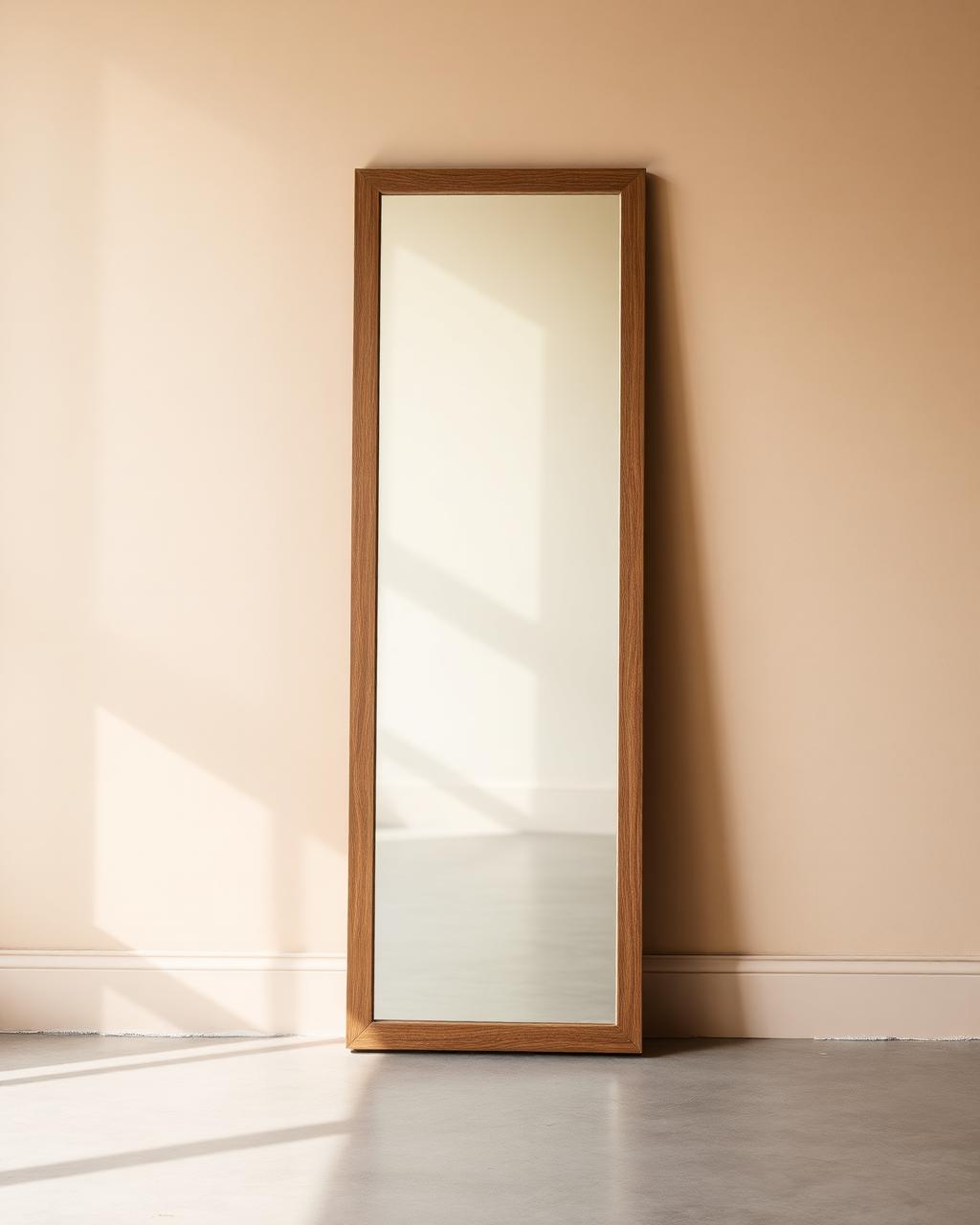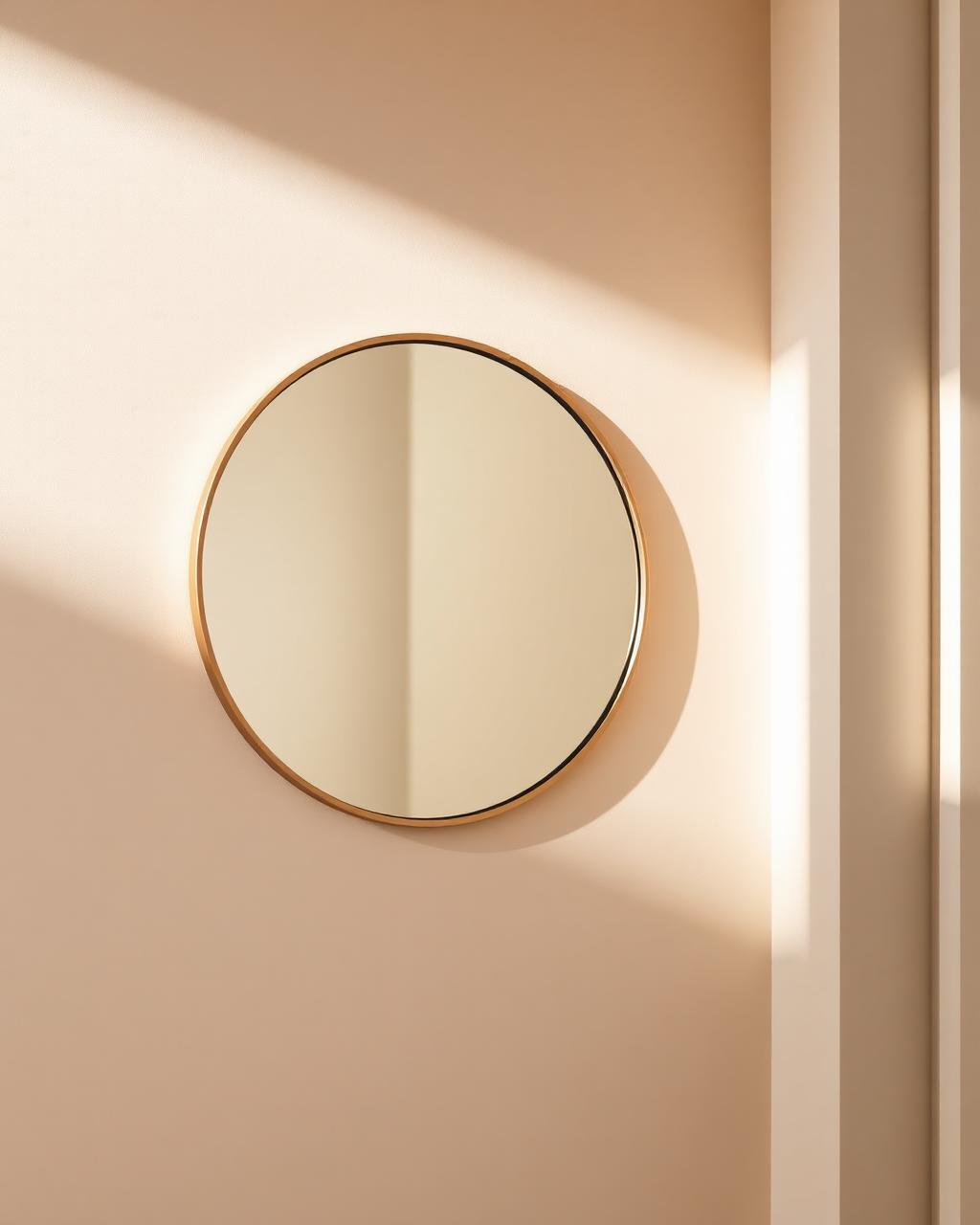
Ondine
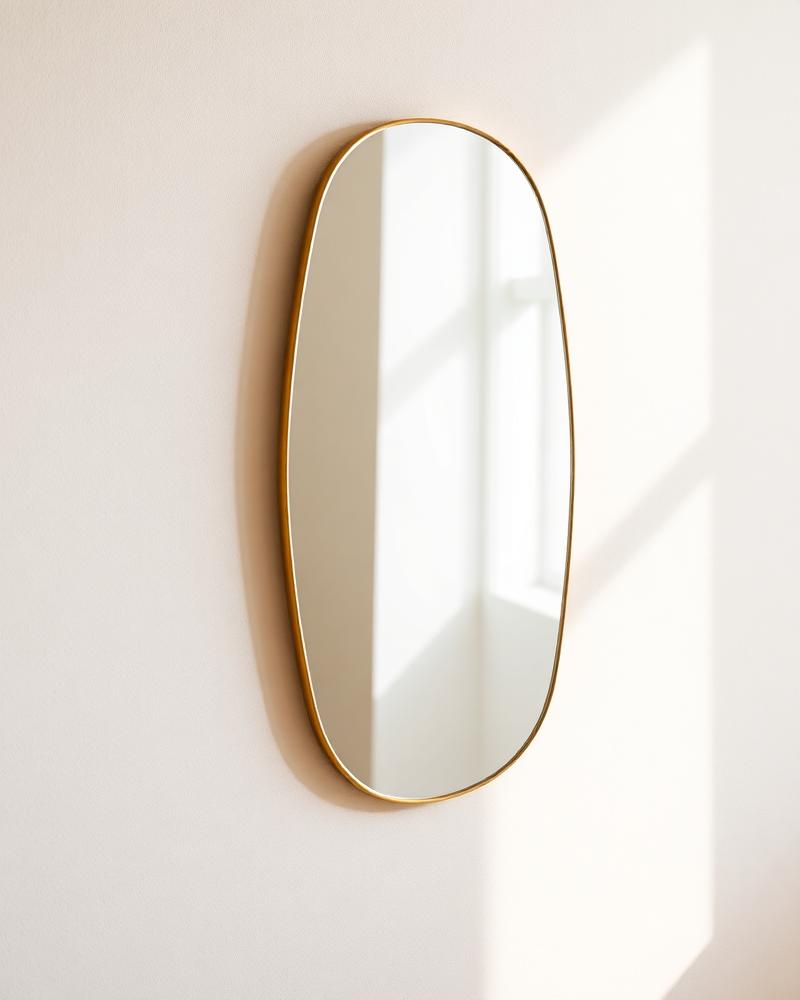
Sculptural Wall Mirror
$750
from $63/mo

Material Guide
Velvet is defined by construction rather than fibre: a dense cut pile woven on a double cloth and split, which is why it was historically the most expensive textile per yard. Silk velvet dressed Renaissance courts; cotton, mohair and performance velvets brought it into everyday rooms.
Cotton velvet has a matte, dry hand and crushes attractively. Mohair velvet is the most durable and the most expensive, with a subtle sheen and remarkable resilience. Silk and viscose velvets have the highest lustre and the lowest tolerance for daily use. Performance velvets in polyester resist stains and pilling, which makes them the honest choice for family seating.
Velvet absorbs light rather than reflecting it, so a single velvet piece can anchor an entire palette. It gives depth to rooms full of hard surfaces and reads richer in low light — deep green, ink, chocolate and ochre all gain from the pile. Pair it with matte plaster, stone and unlacquered brass rather than with more sheen.
Brush the pile in one direction with a soft brush and vacuum with a low-suction upholstery head. Blot spills; never rub, which crushes the pile permanently. Steam lightly from the reverse to lift pressure marks, and keep velvet out of direct sun, which fades it faster than most textiles.