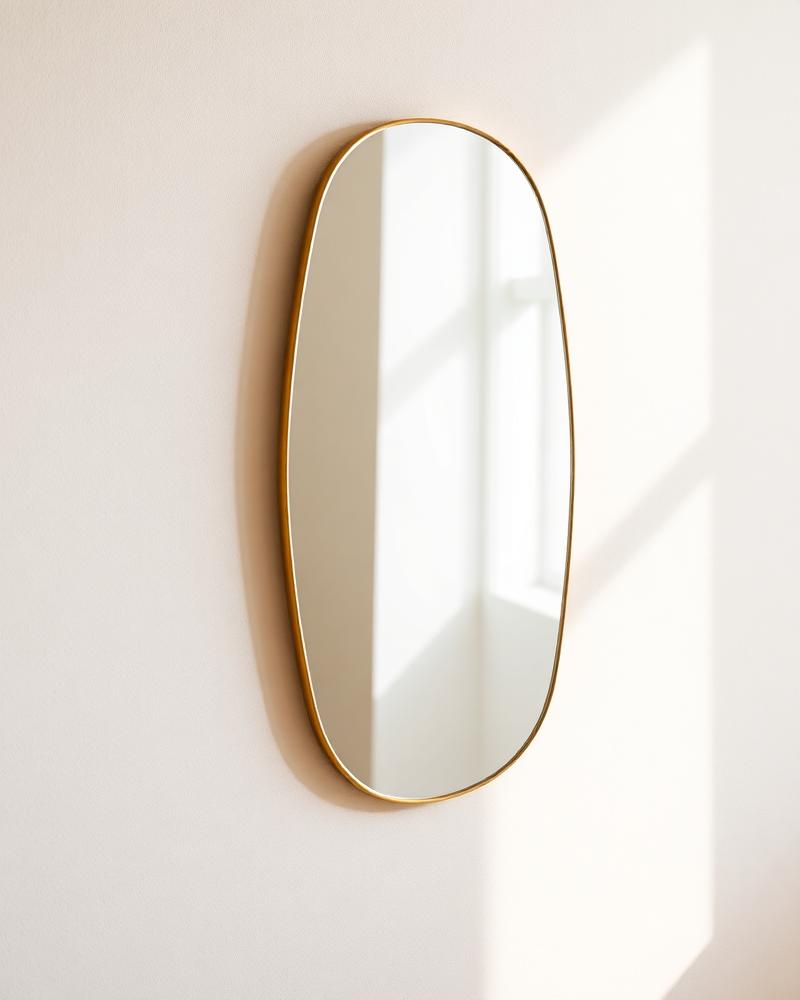
Ondine
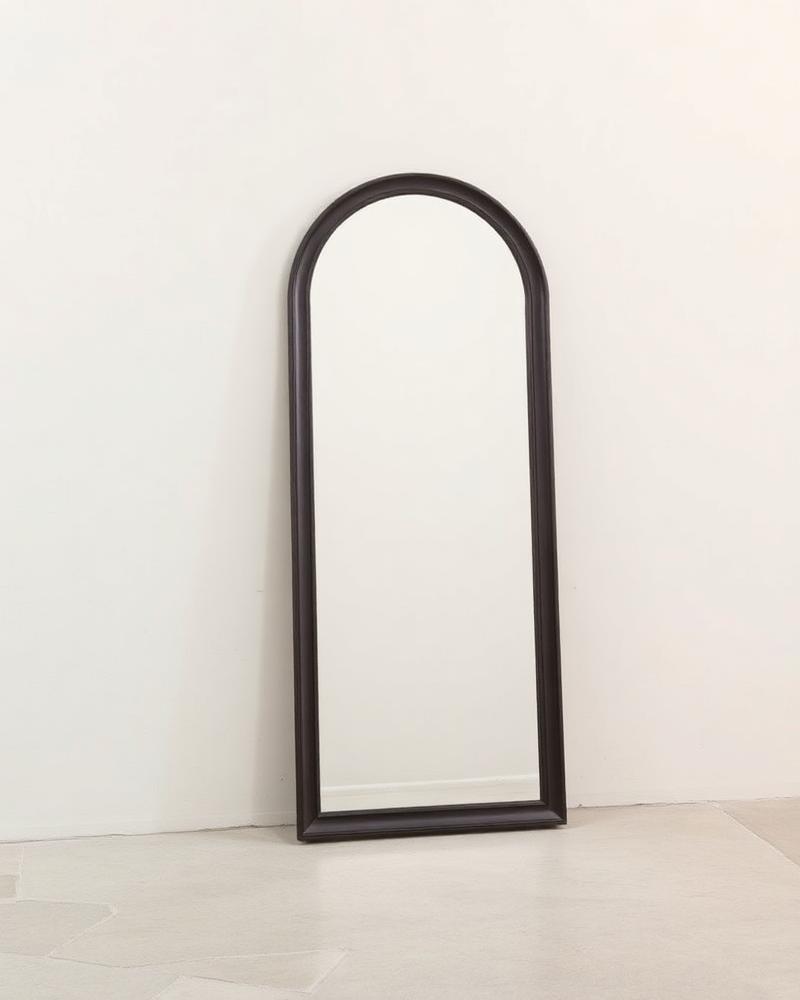
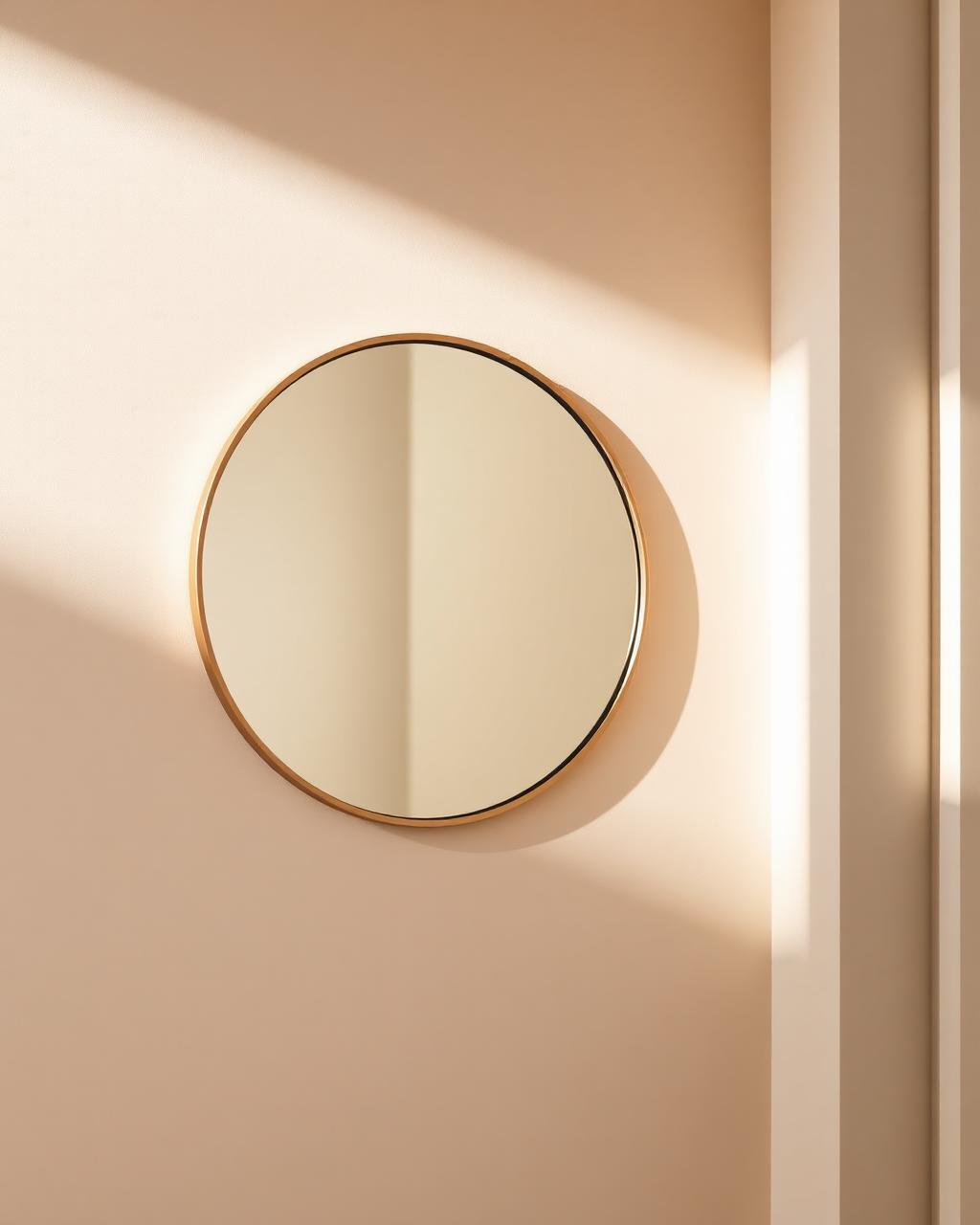
Sculptural Wall Mirror
$750
from $63/mo

Material Guide
Terrazzo began as thrift: sixteenth-century Venetian workers set marble offcuts into clay to make floors from waste. Modern terrazzo does the same with cement or resin binders and a controlled aggregate, and the result is one of the few genuinely recycled luxury surfaces.
Cement-based terrazzo is heavier, more porous and reads authentically industrial. Resin-based terrazzo is thinner, less porous and available in more saturated colours. Aggregate size decides the look: micro-chip terrazzo reads almost as speckled stone, while large-format chips read graphic and mid-century.
Terrazzo is pattern posing as a solid, so treat it as the pattern in the room. Pair it with plain textiles and simple timber, and avoid competing with strong prints. A terrazzo side table or a pedestal introduces colour without adding another object.
Seal cement terrazzo and reseal periodically; both types dislike acidic cleaners. Use pH-neutral soap and warm water, blot spills quickly, and use coasters. Minor scratches in resin terrazzo can be polished; cement terrazzo can be honed by a professional.