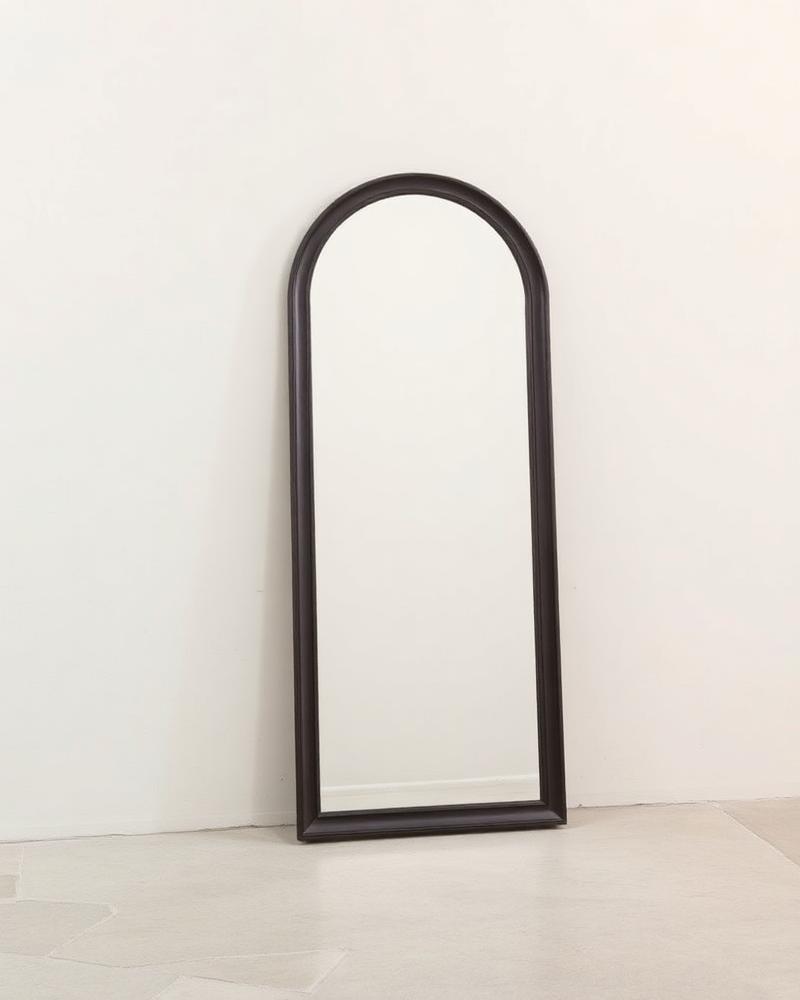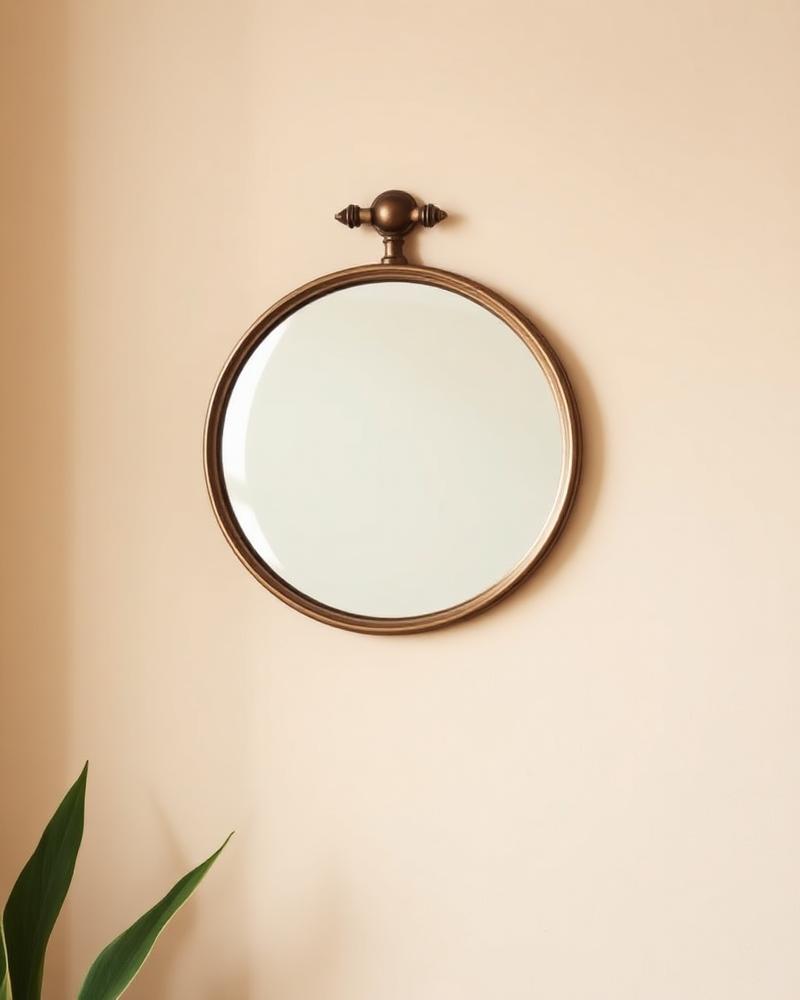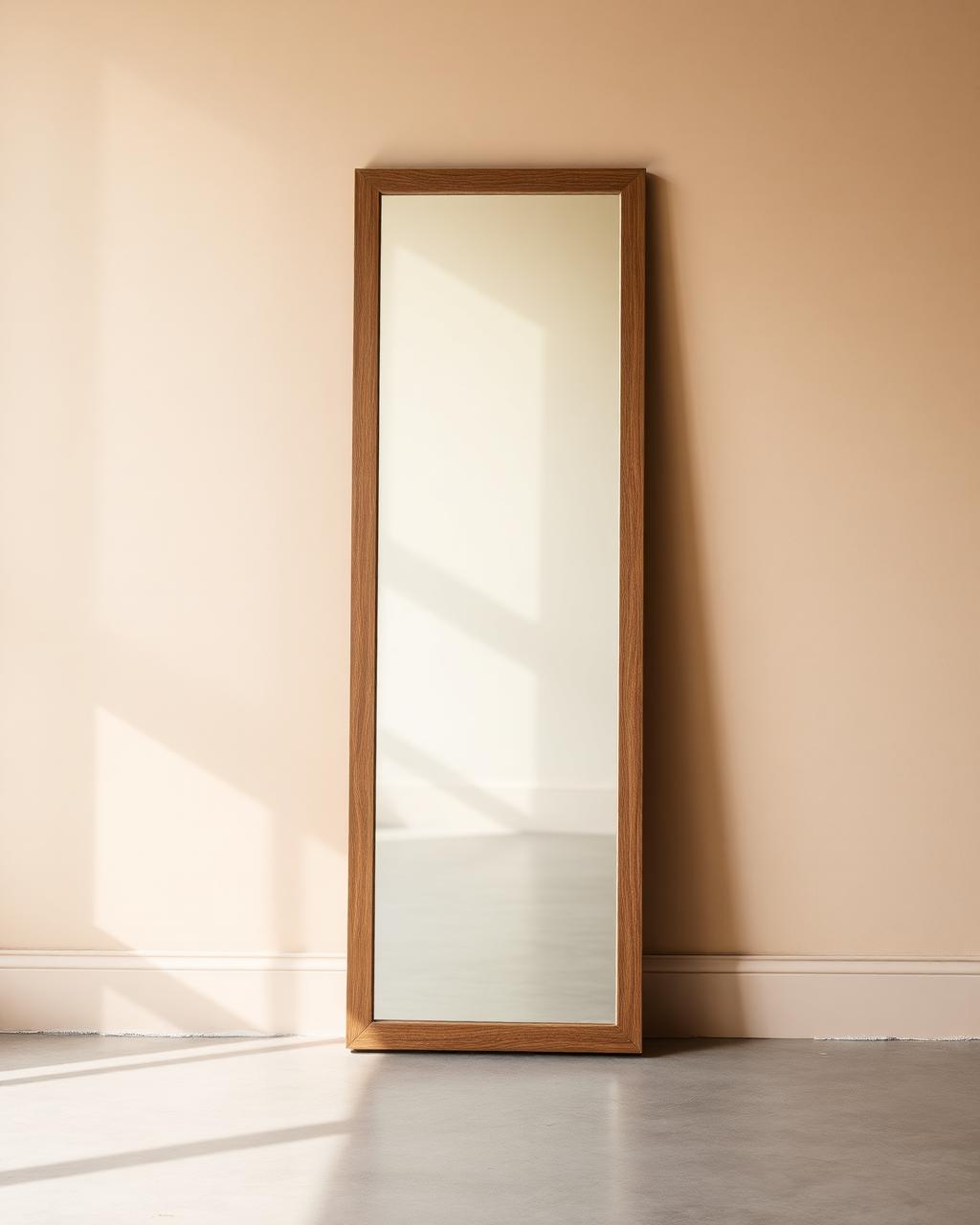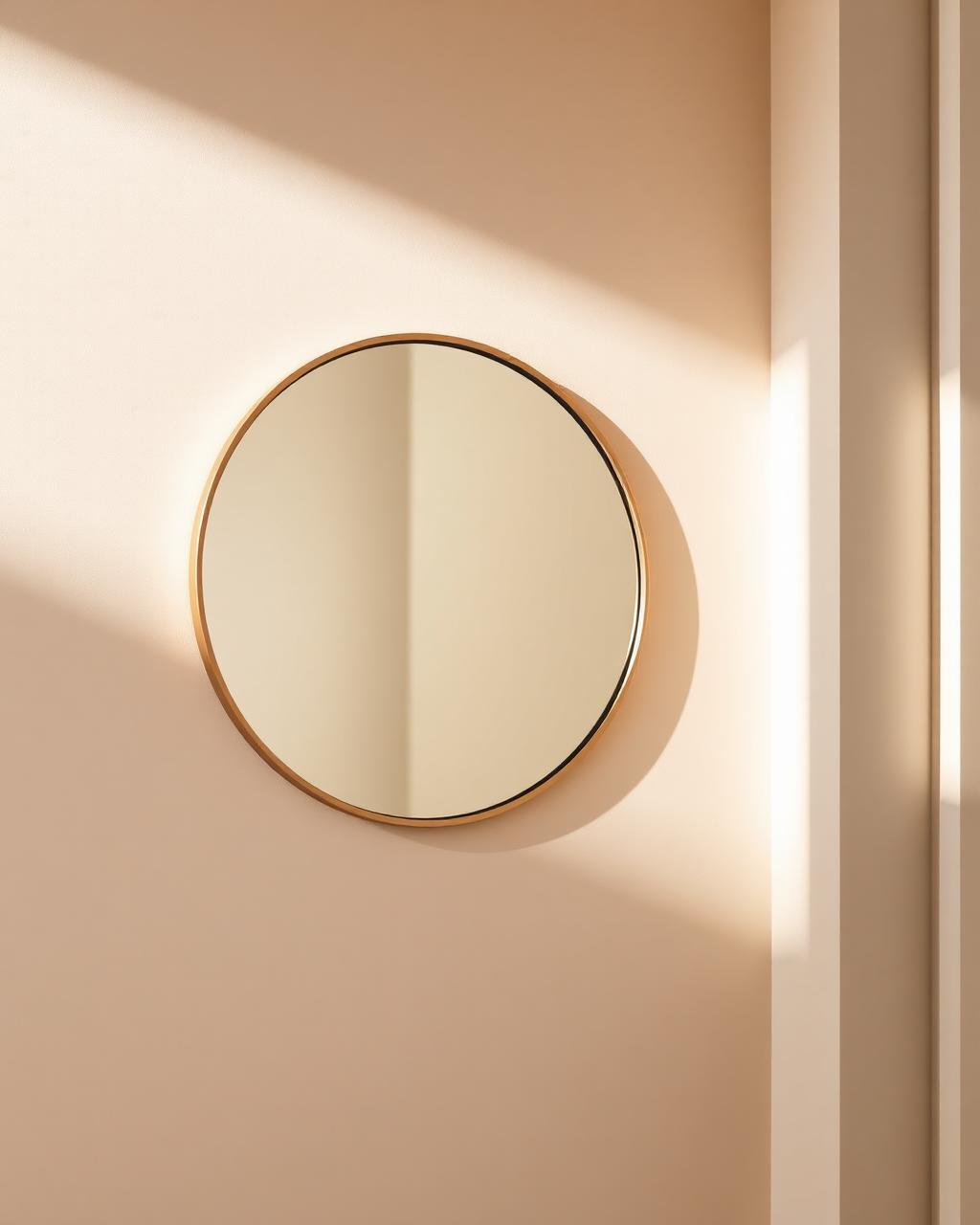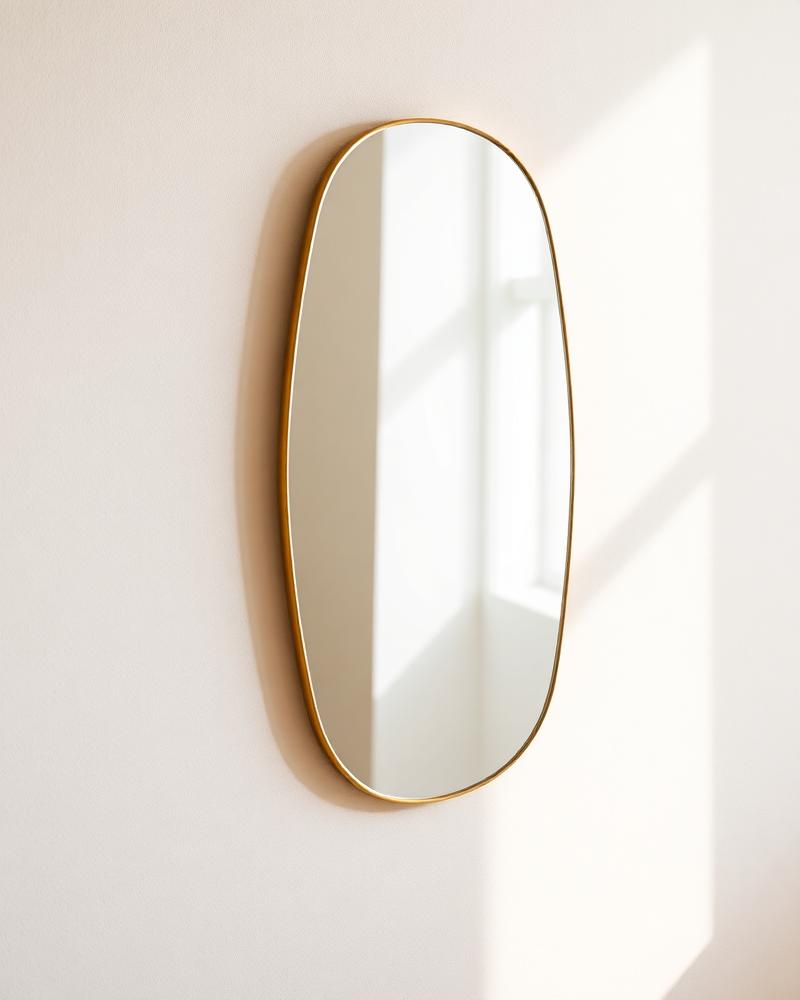
Ondine
Sculptural Wall Mirror
$750
from $63/mo

Material Guide
Leather is the rare upholstery that improves with wear. Vegetable-tanned hides have furnished libraries and clubs for centuries precisely because the surface records use: the contact points soften and darken while the structure holds.
Full-grain leather keeps the hide's natural surface and develops the best patina. Top-grain is sanded and corrected, more uniform and less characterful. Aniline and semi-aniline leathers are dyed through and translucent; pigmented leathers carry a surface coating that resists stains but blocks patina. Suede and nubuck are napped and beautiful but need protecting.
Leather warms rooms dominated by stone and metal and reads more relaxed than velvet. Cognac and tan flatter oak, brass and green; black and espresso suit graphic, monochrome rooms. One leather piece per room is usually enough — more and the space starts to read as a lobby.
Keep leather out of direct sun and at least a foot from radiators. Dust weekly, condition twice a year with a product matched to the finish, and blot spills immediately. Do not use saddle soap or household cleaners on aniline leather. Accept that contact areas will darken; that is the material working correctly.