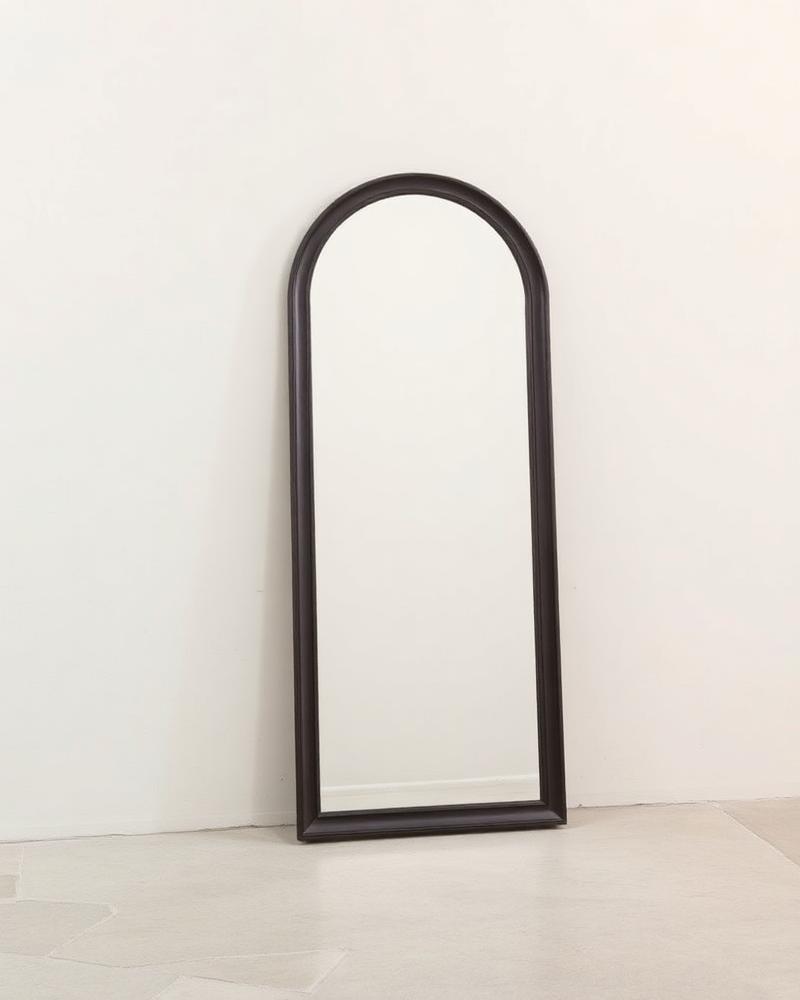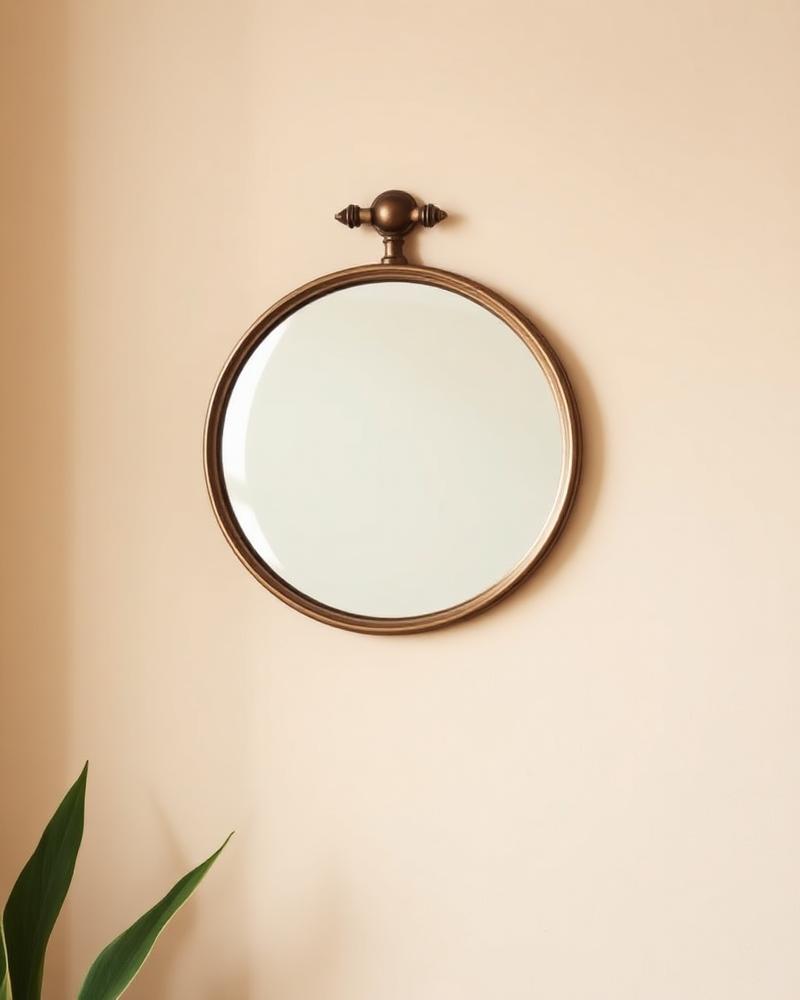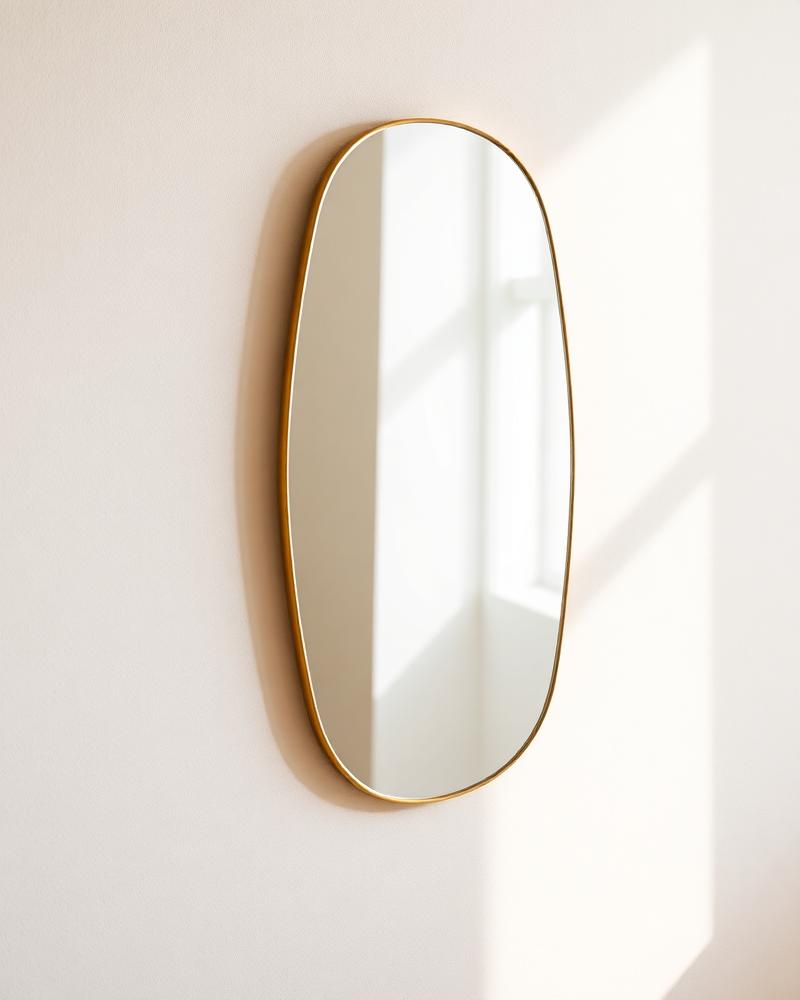
Ondine
Sculptural Wall Mirror
$750
from $63/mo

Material Guide
Jute is a bast fibre from the stalk of a fast-growing plant, spun and braided into flooring for centuries in Bengal and now the least expensive way to cover a large floor in a natural material. It brings texture without colour, which is exactly why designers keep specifying it.
Braided jute has a chunky, rope-like surface; woven and herringbone jute is flatter and easier underfoot. Bleached jute reads pale and cooler; natural jute is honey-toned. Jute blended with wool or cotton is softer and sheds less than pure jute.
Jute is the base layer of a well-built floor. Size it generously to define the whole room, then layer a smaller wool or vintage rug on top for softness and pattern. It grounds coastal, minimal and country schemes and stops pale rooms from reading flat.
Jute dislikes water: it stains with moisture and can develop mildew, so keep it out of bathrooms and away from wet entrances. Vacuum both sides regularly, shake smaller rugs out, and blot rather than wash any spill. Rotate to even out sun fading.