Ondine
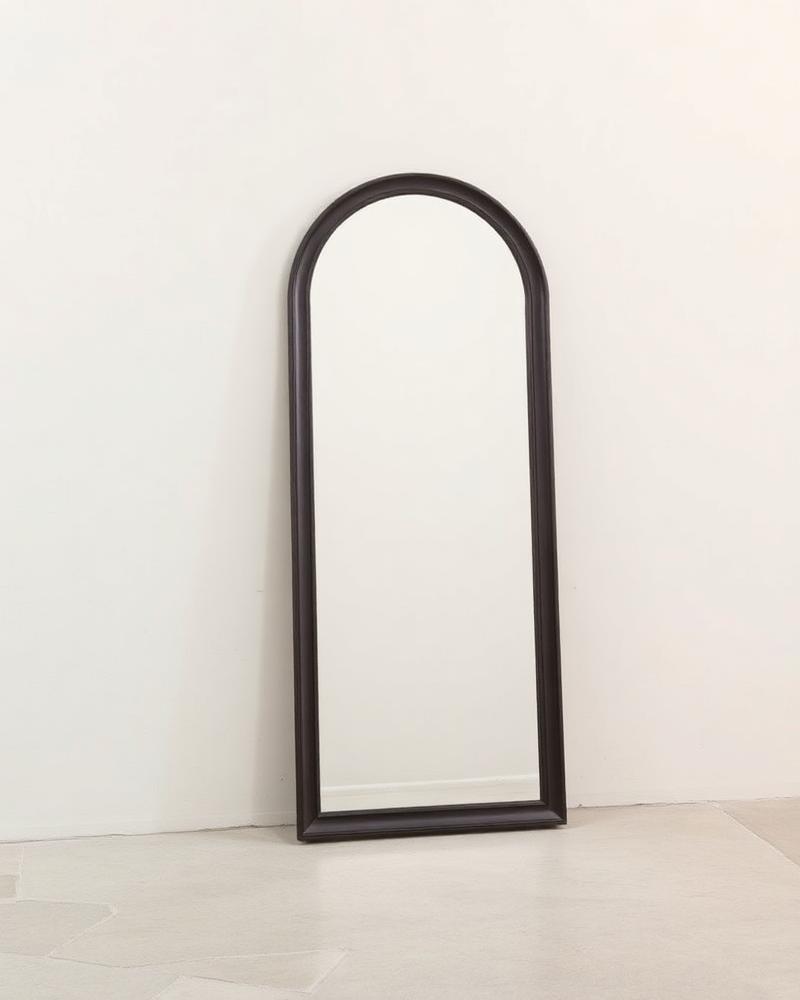
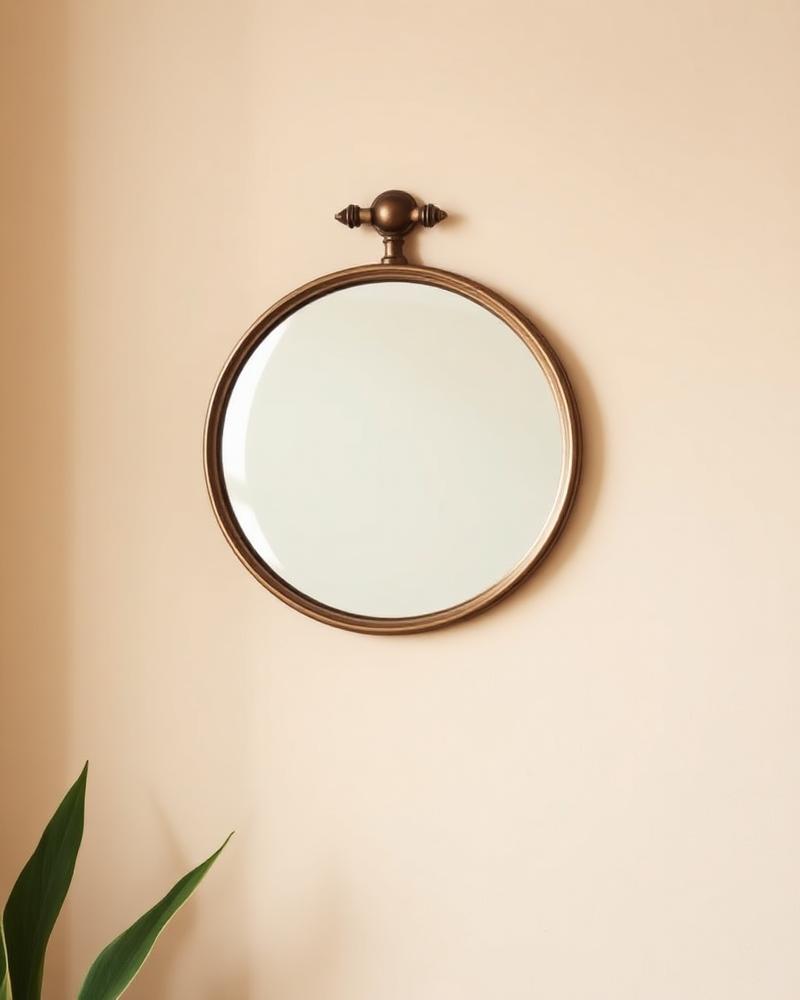
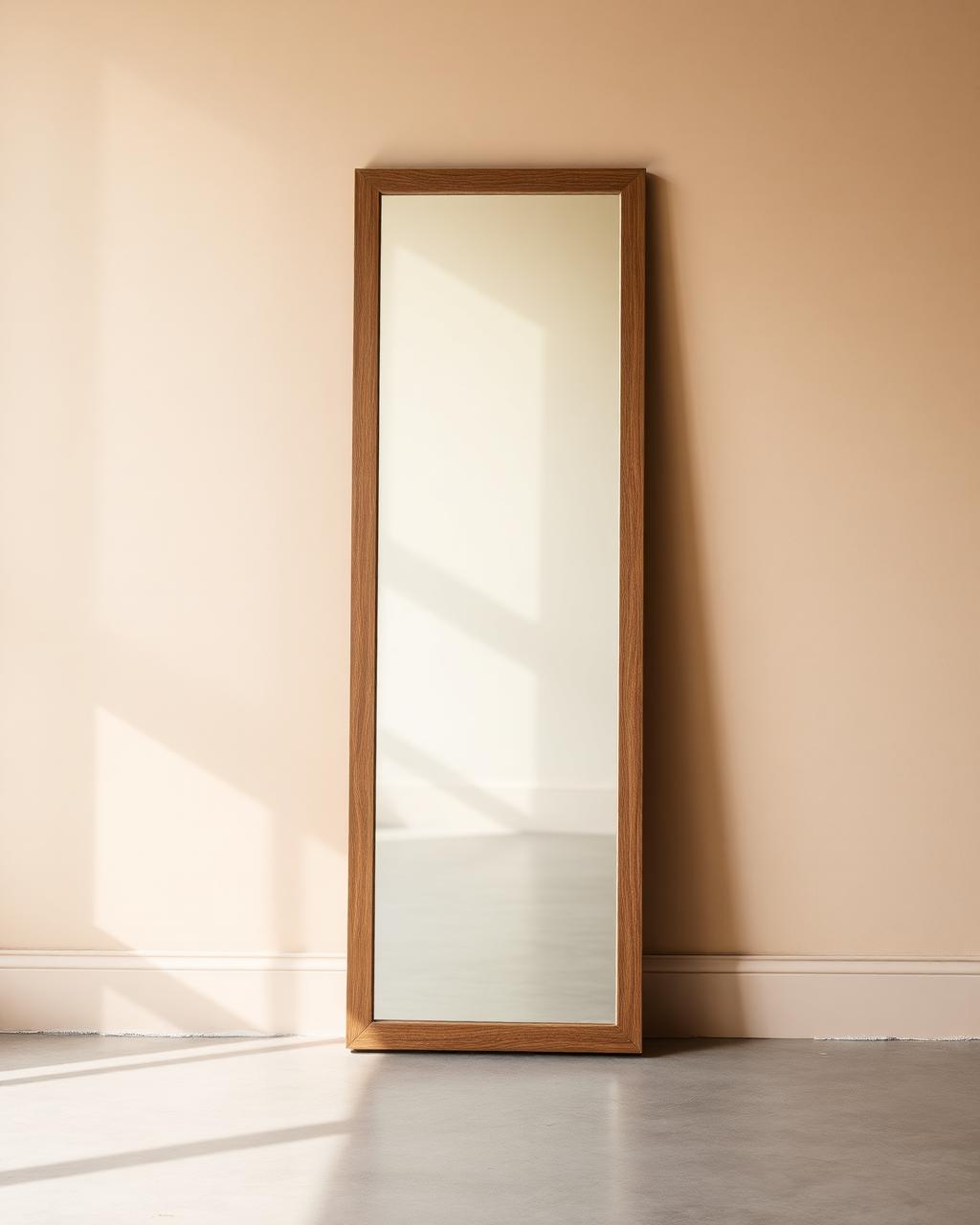
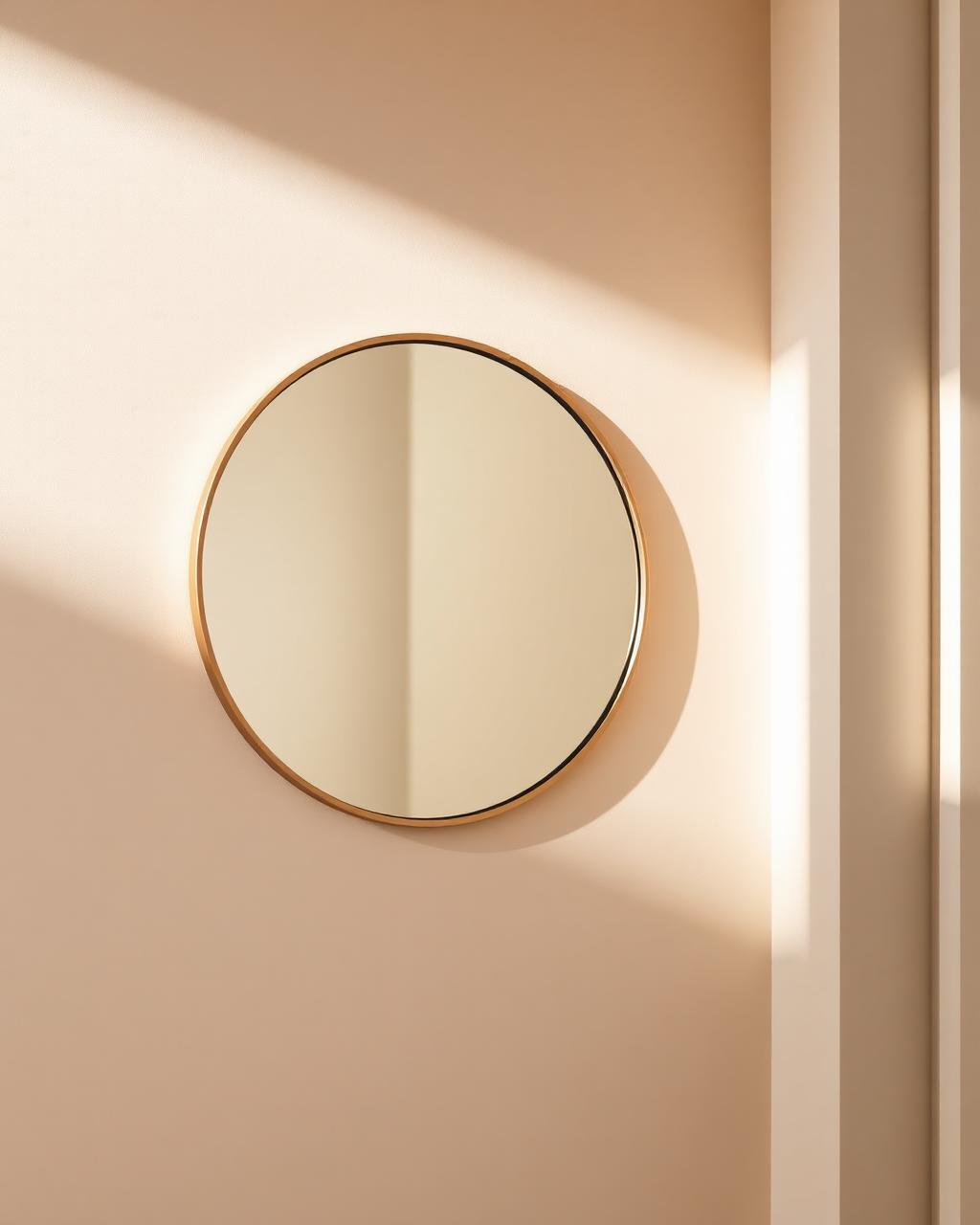
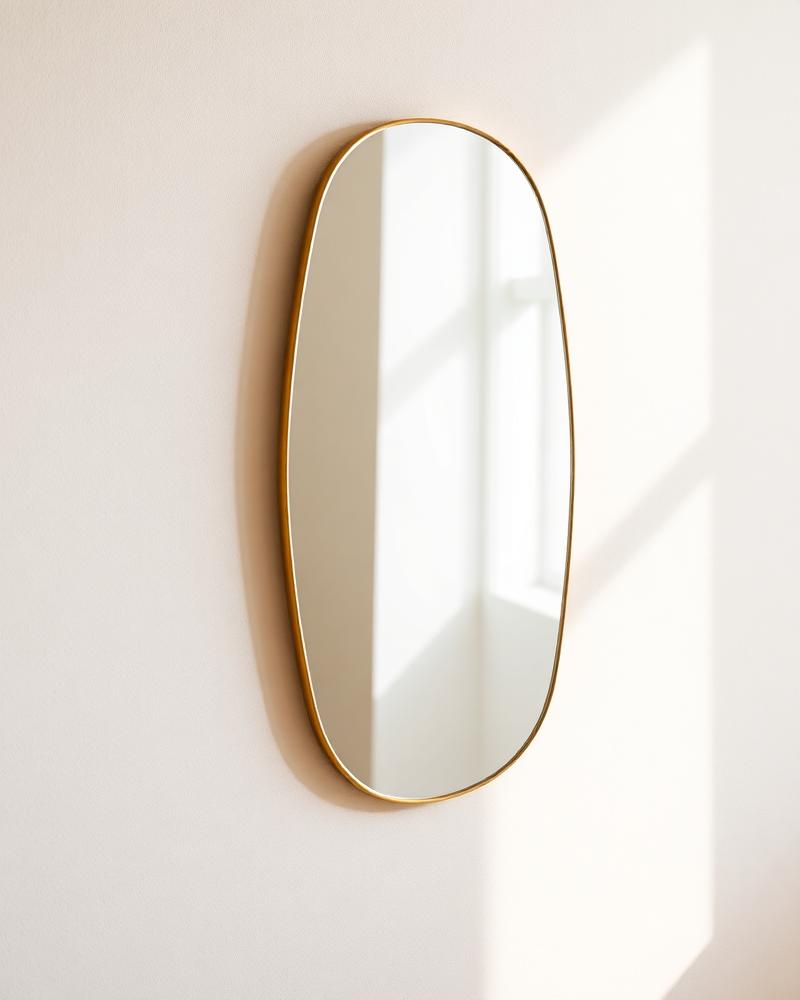
Sculptural Wall Mirror
$750
from $63/mo

Material Guide
Glass is the material that lets a room have volume without weight. Venetian workshops on Murano industrialised hand-blowing five centuries ago, and the techniques used for a fluted pendant or a ribbed vase today have barely changed: gather, blow, shape, anneal.
Hand-blown glass carries slight asymmetry and internal bubbles that machine-pressed glass lacks. Smoked, bronzed and amber glass filters light warmly and hides dust; ribbed and fluted glass diffuses a bulb without frosting it; opal and milk glass diffuse most of all. Toughened glass is required for tabletops.
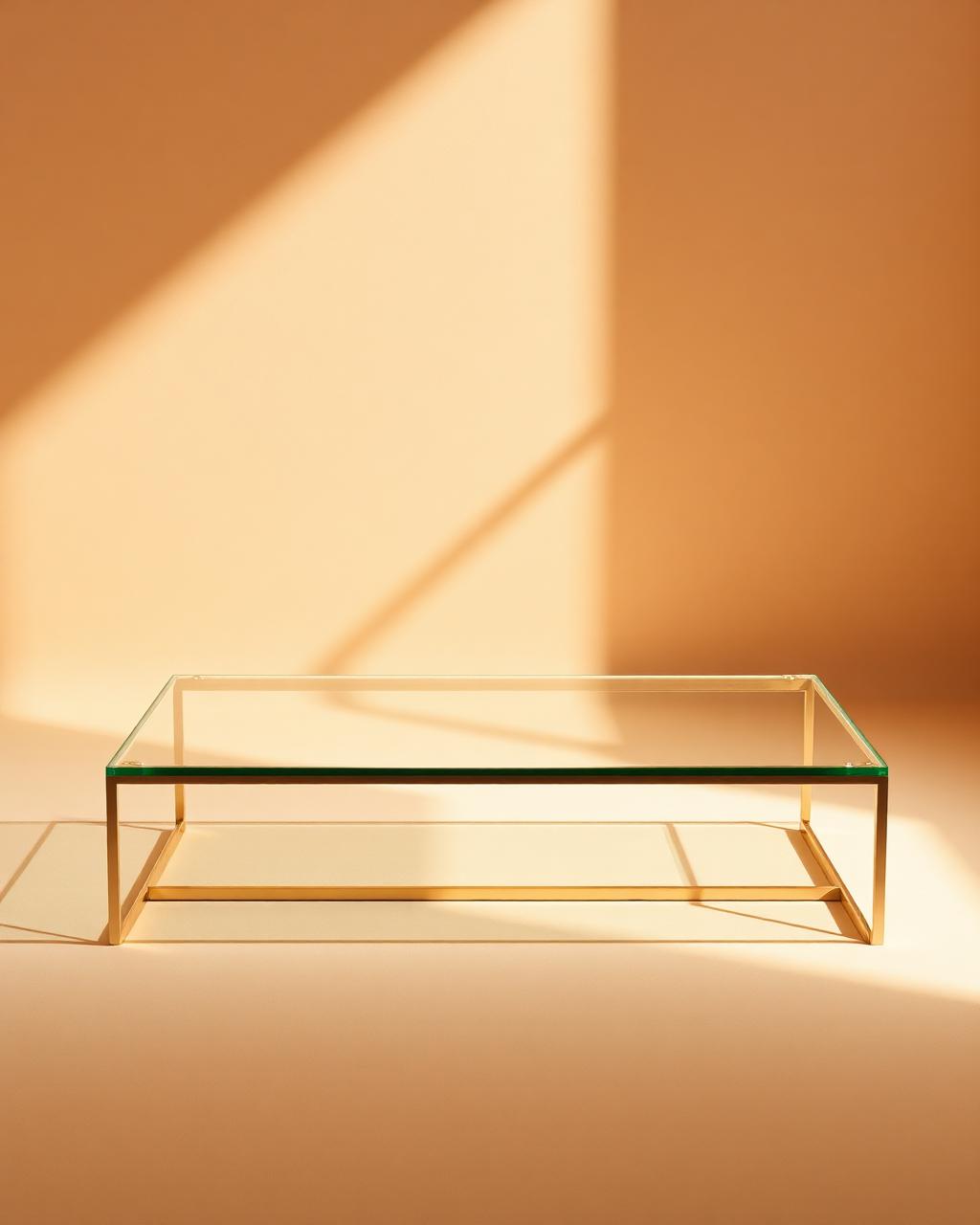
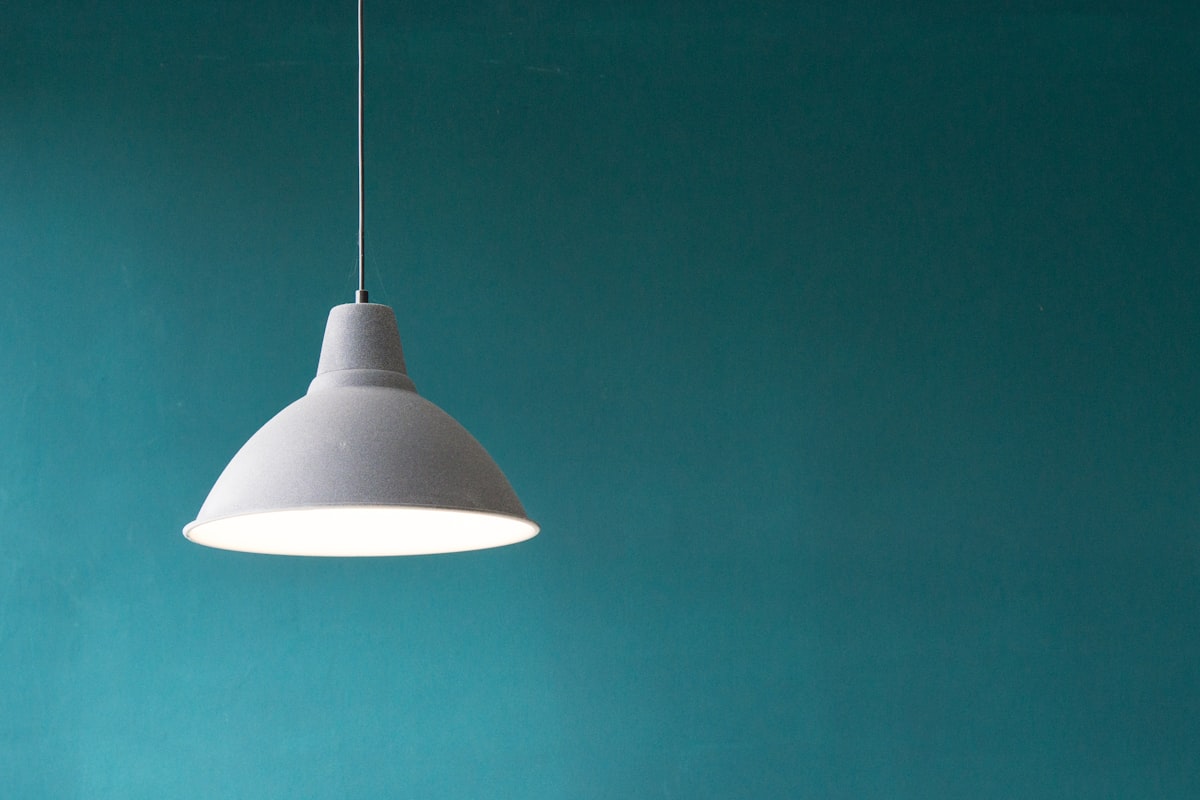
Use glass where a room is already visually full — a glass side table takes up space without occupying it, and a glass pendant lets a low ceiling breathe. Smoked glass suits dark, dramatic palettes; clear glass with a warm brass fitting suits almost everything else.
Clean with a lint-free cloth and a little diluted alcohol or vinegar rather than a heavy proprietary spray, which leaves film on shades. Let lighting glass cool fully before wiping. Dry vases upside down and use a bottle brush for mineral marks.