Vesper
Linear Pendant
$1,250
from $104/mo

Collection
Clean lines and elemental materials define lighting that refines a room without announcing itself.
These pieces sit outside this specification but come from the same part of the catalogue.
Minimalist lighting begins with the principle that a fixture should clarify space rather than compete for attention. These pieces favor restrained geometry and honest materials—solid brass aged to a quiet patina, travertine left unfilled to reveal its natural pores, blackened steel forged into slender armatures. Each design distills function to its essence while maintaining the presence required of well-considered lighting.
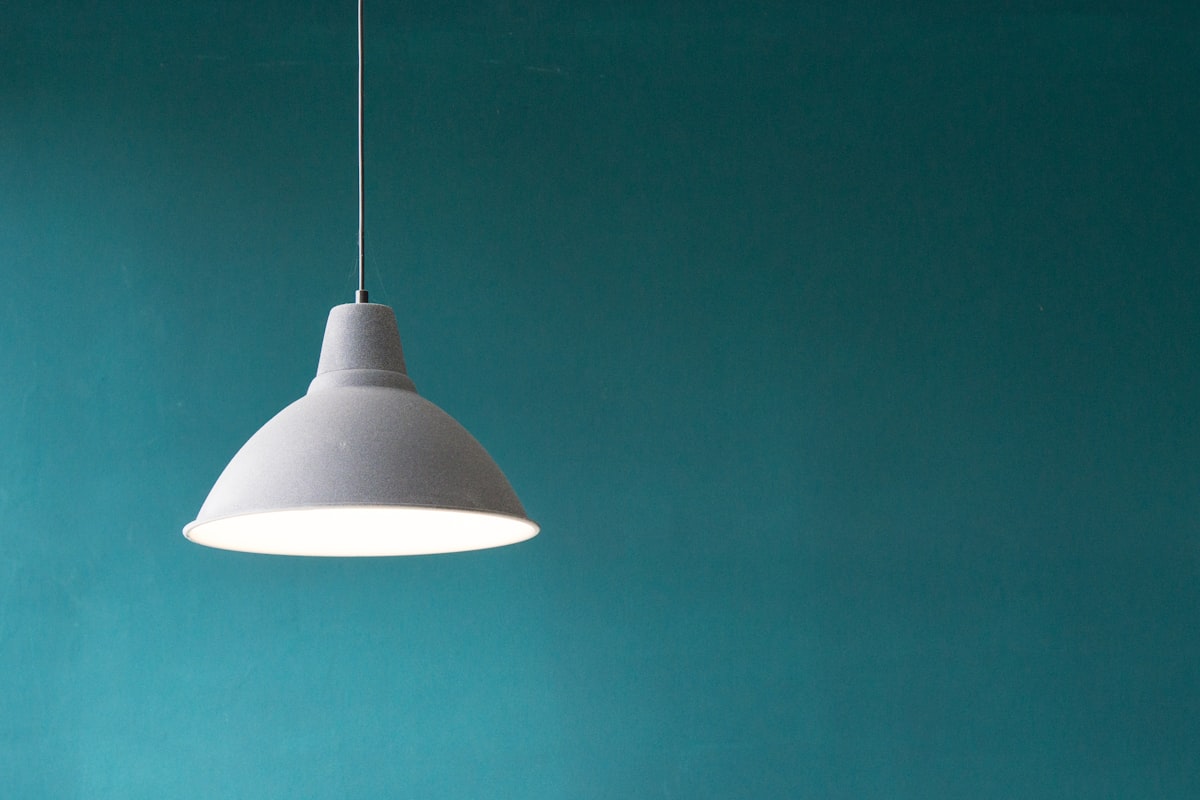
Scale matters in rooms where restraint is the organizing idea. A floor lamp stands best at 58 to 64 inches for reading beside a low-profile sofa, while pendants over a kitchen island benefit from 30 to 36 inches of clearance above the counter. In dining room lighting, a single pendant in honed marble or alabaster often serves the table better than a cluster, provided the diameter measures roughly one-half to two-thirds the table's width. The goal is proportion that feels inevitable.
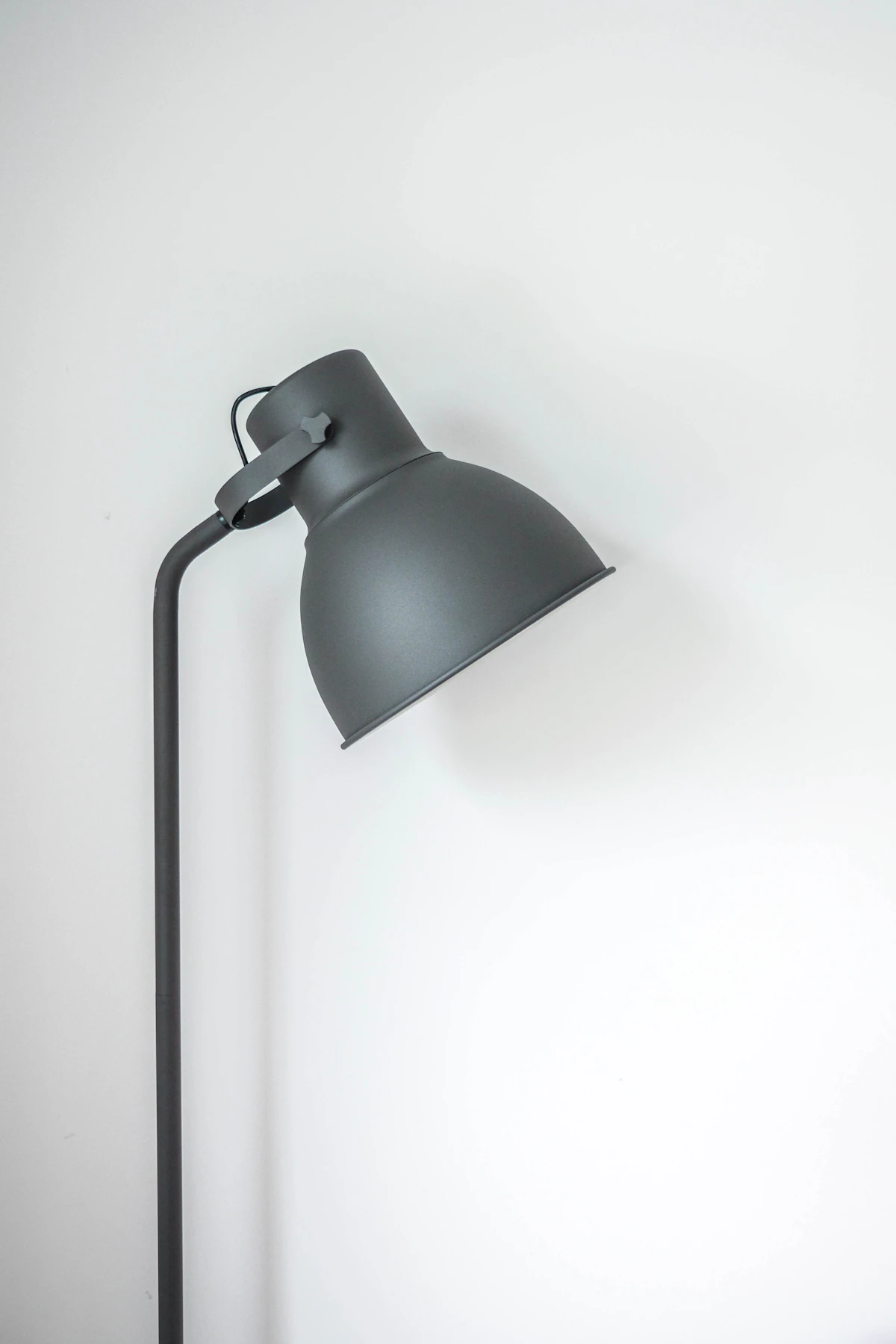
The materials common to this approach—antique brass, solid oak, unfilled travertine—carry weight without ornament. A table lamp turned from alabaster diffuses light through stone, softening the edges of a console or nightstand. Blackened steel wall sconces trace spare lines against plaster, their finish absorbing rather than reflecting the room around them. Paired thoughtfully with natural stone surfaces or furniture in similar tonal registers, these fixtures become part of a larger composition, one built on material truth and spatial clarity.